Supplements
Mucuna Pruriens: L-DOPA, Dopamine, Testosterone, and the Research
Most people associate dopamine support with lifestyle habits alone — but a velvet bean extract used in Ayurvedic medicine for centuries contains a direct dopamine precursor that modern clinical trials are now validating. Mucuna pruriens delivers measurable L-DOPA, influences testosterone in infertile men, and modulates the stress hormone cortisol in a way few botanicals can. Here is what the research actually shows — and where the gaps still are.
What Is Mucuna Pruriens and Why Does It Contain L-DOPA?
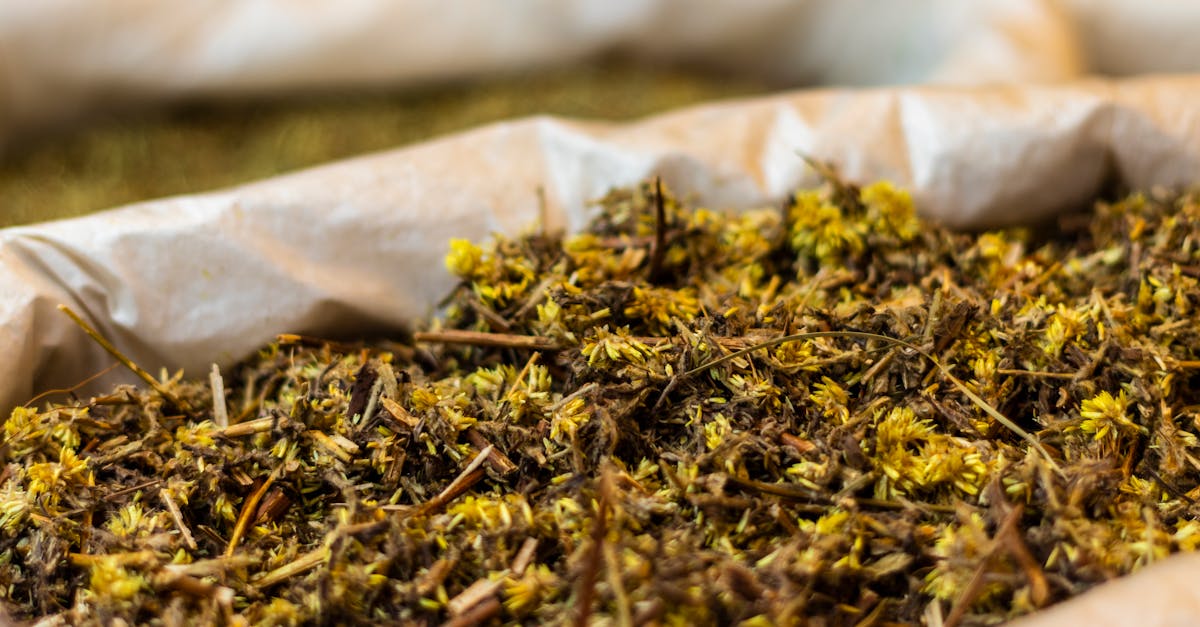
Mucuna pruriens — commonly called velvet bean or cowhage — is a tropical legume native to Africa and Asia that has been used in Ayurvedic practice under the name Kapikachhu for thousands of years, primarily for neurological complaints and reproductive health. What makes it pharmacologically unusual among botanicals is that its seeds contain high concentrations of levodopa (L-DOPA), the same molecule used as a pharmaceutical drug in Parkinson's disease treatment.
Commercial mucuna pruriens supplement extracts are typically standardized to 15%, 20%, or 40% L-DOPA by weight — though whole-seed powders exist with naturally occurring L-DOPA levels averaging around 4–6% of dry weight (Misra & Wagner, Journal of Agricultural and Food Chemistry, 2007; doi.org/10.1021/jf062818i). This standardization matters enormously because L-DOPA content is the primary driver of the compound's neurological and hormonal effects.
Unlike synthetic levodopa pharmaceuticals, mucuna seed extract also contains a matrix of co-occurring alkaloids, antioxidants, and flavonoids that may modulate absorption and reduce some of the side effects seen with isolated pharmaceutical L-DOPA. Whether this botanical matrix provides meaningful pharmacokinetic advantages remains an active area of investigation, but the distinction is worth noting when evaluating the supplement literature.
Mucuna L-DOPA: How the Brain Converts It to Dopamine
L-DOPA is the immediate biosynthetic precursor to dopamine. After oral ingestion, L-DOPA crosses the blood-brain barrier via large neutral amino acid transporters — a mechanism pharmaceutical levodopa relies on as well. Once inside dopaminergic neurons, aromatic L-amino acid decarboxylase (AADC) converts L-DOPA into dopamine.
This pathway is not theoretical. A pharmacokinetic study by Katzenschlager et al. (Journal of Neurology, Neurosurgery & Psychiatry, 2004; PMID: 15608241) compared mucuna pruriens seed powder to pharmaceutical levodopa in Parkinson's patients and found that the mucuna preparation had a faster onset of action and longer duration of effect than standard levodopa/carbidopa at matched L-DOPA doses in a pilot crossover trial of eight patients. While this sample size is small, it suggests the botanical matrix may affect pharmacokinetics in a clinically meaningful way.
For healthy individuals, the dopaminergic effects are subtler than in a Parkinson's context, but still relevant. Dopamine governs motivation, executive function, mood regulation, and reward processing. Low dopaminergic tone is associated with apathy, poor concentration, and diminished drive — symptoms that are increasingly common in populations under chronic stress. If you are exploring adaptogenic support for stress and cognition, understanding how mucuna interacts with the dopamine system is an important piece of the puzzle.
It is also worth noting that peripheral L-DOPA is rapidly decarboxylated to dopamine outside the brain, which is why pharmaceutical L-DOPA is almost always co-administered with a peripheral AADC inhibitor (carbidopa or benserazide). Mucuna pruriens supplements do not include such inhibitors. This means a portion of oral L-DOPA from mucuna will be converted to dopamine in the gut and periphery before crossing the BBB, which likely explains dose-dependent nausea reported by some users at higher intakes.
Mucuna Dopamine: Evidence in Stress, Mood, and Cognitive Function
Beyond Parkinson's research, the most robust human evidence for mucuna's dopaminergic effects comes from studies on psychogenic infertility and chronic stress. A landmark 2009 study by Shukla et al. published in Fertility and Sterility (PMID: 18973898) examined 60 infertile men under psychological stress who received 5 grams of mucuna pruriens seed powder daily for three months. The intervention significantly increased dopamine levels in seminal plasma and peripheral blood compared to baseline, while simultaneously reducing cortisol — a pattern consistent with dopamine's known inhibitory effect on the hypothalamic-pituitary-adrenal (HPA) axis.
This cortisol-modulating property is particularly relevant for anyone interested in comparing adaptogenic herbs for HPA axis regulation. Elevated cortisol chronically suppresses dopamine receptor sensitivity, creating a feedback loop where stress depletes the very neurochemistry needed to buffer it. Mucuna's dual action on both dopamine and cortisol represents a mechanistically coherent intervention.
In animal models, mucuna extracts have also demonstrated antidepressant-like effects in forced swim tests and tail suspension tests — behavioral assays sensitive to dopaminergic and serotonergic activity (Yadav et al., Journal of Ethnopharmacology, 2020; doi.org/10.1016/j.jep.2020.112546). Human clinical trials specifically targeting mood disorders remain limited, and it would be premature to position mucuna as a standalone antidepressant. However, for individuals with documented low dopaminergic tone — identifiable through fatigue patterns, poor motivation, and reward insensitivity — it represents a biologically plausible support strategy.
Mucuna Testosterone: What the Infertility Trials Show
The most clinically significant human data on mucuna pruriens involves its effects on male reproductive hormones. The same Shukla et al. 2009 trial referenced above found that 5 g/day of mucuna seed powder for 90 days produced statistically significant increases in serum testosterone, luteinizing hormone (LH), and follicle-stimulating hormone (FSH) in infertile men, alongside improvements in sperm count, motility, and morphology (PMID: 18973898).
A second paper from the same group (Shukla et al., Fertility and Sterility, 2010; PMID: 19501825) replicated these findings and additionally showed reduced oxidative stress markers in seminal plasma, suggesting that mucuna's antioxidant constituents may protect sperm from lipid peroxidation independently of L-DOPA.
The proposed mechanism for testosterone elevation runs through the dopaminergic system: dopamine stimulates pulsatile GnRH release from the hypothalamus, which drives LH secretion from the pituitary, which in turn signals Leydig cells in the testes to produce testosterone. If this cascade is partly suppressed by chronic stress and elevated prolactin (which dopamine also inhibits), then restoring dopaminergic tone could plausibly support the gonadal axis.
Critically, these studies were conducted in infertile men with baseline hormonal dysregulation. Whether mucuna produces equivalent testosterone-elevating effects in eugonadal, healthy men remains unproven by current evidence. Athletes and healthy men seeking testosterone optimization should interpret the infertility data with appropriate skepticism. That said, for men with stress-related hormonal suppression or sub-optimal LH signaling, the mechanistic rationale is scientifically credible.
For a broader look at how hormonal optimization strategies interact, see our guide to testosterone, cortisol, and adaptogen protocols.
Mucuna Pruriens Benefits Beyond Dopamine and Testosterone
The research base extends into several additional domains, though evidence strength varies:
Neuroprotection: L-DOPA and mucuna constituents have demonstrated neuroprotective effects in cellular and animal models of Parkinson's disease, including attenuation of mitochondrial dysfunction and oxidative stress (Bharathi et al., Phytotherapy Research, 2013). Human neuroprotection trials are lacking.
Prolactin Suppression: Dopamine is the primary inhibitory neurotransmitter for prolactin release. Elevated prolactin suppresses libido, testosterone, and GnRH pulsatility. By increasing dopaminergic tone, mucuna may help normalize prolactin in individuals with mild hyperprolactinemia — a common but underdiagnosed issue in chronically stressed adults.
Antioxidant Activity: Mucuna seed extracts contain lectin, phenolics, and flavonoids that demonstrate antioxidant activity in vitro. The 2010 Shukla trial showed reduced malondialdehyde (a lipid peroxidation marker) in seminal plasma after supplementation (PMID: 19501825).
Snake Venom Antagonism: Traditional use and some animal research has explored mucuna's anti-venom properties, though this has no practical supplementation relevance for general populations.
| Effect | Evidence Level | Primary Population Studied |
|---|---|---|
| L-DOPA delivery to brain | High (pharmacokinetic data) | Parkinson's patients |
| Testosterone / LH increase | Moderate (RCTs) | Infertile men |
| Cortisol reduction | Moderate (RCTs) | Stressed, infertile men |
| Dopamine elevation | Moderate | Infertile men |
| Sperm quality improvement | Moderate | Infertile men |
| Mood / depression support | Low-Moderate (animal + limited human) | General population |
| Neuroprotection | Low (animal models) | N/A |
Dosing, Safety, and What to Watch For
Clinical human trials have primarily used whole seed powder at 5 g/day, which at a natural L-DOPA content of ~5% delivers approximately 250 mg of L-DOPA daily. Standardized extracts at 15–20% L-DOPA require much smaller amounts — approximately 1.25–1.67 g of extract to match the same L-DOPA dose.
| Form | Typical Dose | Approximate L-DOPA Delivered |
|---|---|---|
| Whole seed powder (5% L-DOPA) | 5,000 mg | ~250 mg |
| 15% standardized extract | 1,500 mg | ~225 mg |
| 20% standardized extract | 1,250 mg | ~250 mg |
| 40% standardized extract | 625 mg | ~250 mg |
Safety considerations:
- Nausea and gastrointestinal discomfort at higher doses due to peripheral dopamine conversion
- Contraindicated with MAO inhibitors (risk of hypertensive crisis)
- Should not be combined with pharmaceutical levodopa without medical supervision
- May lower blood sugar; use caution in diabetics or those on hypoglycemics
- Not recommended during pregnancy
- Individuals with schizophrenia or other dopamine-sensitive psychiatric conditions should avoid without physician oversight
The NIH Office of Dietary Supplements does not yet have a formal fact sheet on mucuna pruriens, reflecting the still-emerging status of the clinical database.
What This Means for Your Formula
At Ones, mucuna pruriens is evaluated in the context of your full health picture — lab results, wearable data, stress patterns, hormonal markers, and health goals — before it is ever included in a custom formula. Rather than guessing at generic doses, the Ones AI health practitioner cross-references the clinical literature to calibrate ingredient selection within your capsule budget.
For individuals where mucuna pruriens is appropriate, it often works synergistically with:
- Ashwagandha (KSM-66, 600 mg): The most extensively studied adaptogen for cortisol reduction, with a meta-analysis demonstrating significant reductions in serum cortisol (Pratte et al., Journal of the International Society of Sports Nutrition, 2014; PMID: 25378110). Because mucuna and ashwagandha both target HPA axis dysregulation through different mechanisms — dopaminergic for mucuna, GABA-mimetic pathways for KSM-66 — their combination may offer complementary stress support. Ones includes KSM-66 at the clinically validated 600 mg dose. Explore the clinical evidence for ashwagandha KSM-66 to understand how this dose was established.
- Zinc: Zinc is a required cofactor for testosterone biosynthesis and 5-alpha reductase activity. A randomized trial by Prasad et al. showed that zinc-deficient men who supplemented returned testosterone levels toward normal (Nutrition, 1996; PMID: 8875519). If your blood panel shows suboptimal zinc, Ones can include it in your formula at a dose calibrated to your lab values rather than a generic RDA.
- Vitamin D3 + K2 (MK-7): Vitamin D receptors are expressed in the hypothalamus and pituitary, and low 25(OH)D is independently associated with lower testosterone in population studies (Nimptsch et al., Clinical Endocrinology, 2012; PMID: 22220644). Ones pairs D3 with K2 as MK-7 to support calcium partitioning — a combination covered in depth in our vitamin D3 and K2 synergy guide.
Because mucuna pruriens interacts meaningfully with the dopaminergic, hormonal, and stress axes simultaneously, it is precisely the kind of ingredient that benefits from personalized context. A person with healthy dopamine signaling and normal testosterone is unlikely to see benefit — and could experience side effects — at high doses. A person with stress-suppressed LH, elevated prolactin, and high cortisol may find it a highly relevant addition.
Key Takeaways
- Mucuna pruriens delivers real L-DOPA: Seed extracts standardized to 15–40% L-DOPA provide a direct dopamine precursor that crosses the blood-brain barrier, unlike most botanical mood-support ingredients.
- The testosterone evidence is specific: Significant testosterone and LH increases have been documented in RCTs — but in infertile, stressed men, not healthy eugonadal populations. Interpret these findings accordingly.
- Cortisol reduction is a consistent finding: Multiple trials show mucuna supplementation at 5 g/day reduces cortisol, suggesting genuine HPA axis modulation via dopaminergic pathways.
- Drug interactions are serious: Mucuna should never be combined with MAO inhibitors or pharmaceutical levodopa without medical supervision.
- Dose and standardization matter enormously: Whole-seed powder and standardized extracts require very different gram amounts to deliver equivalent L-DOPA; always check what you are actually buying.
- Personalized context determines appropriateness: Mucuna is not a universal dopamine or testosterone booster — it is most relevant for individuals with identifiable dopaminergic or HPA axis dysregulation, which is why Ones evaluates it alongside your lab data before recommending it.