Lab Results
What Is a Normal Homocysteine Level in Postpartum?
Homocysteine is one of the most overlooked postpartum lab markers, yet elevated levels after birth are linked to cardiovascular risk, mood disruption, and prolonged recovery. For most new mothers, normal postpartum homocysteine falls between 5–10 µmol/L — but nutritional depletion from pregnancy can quietly push levels higher than that range without obvious symptoms.
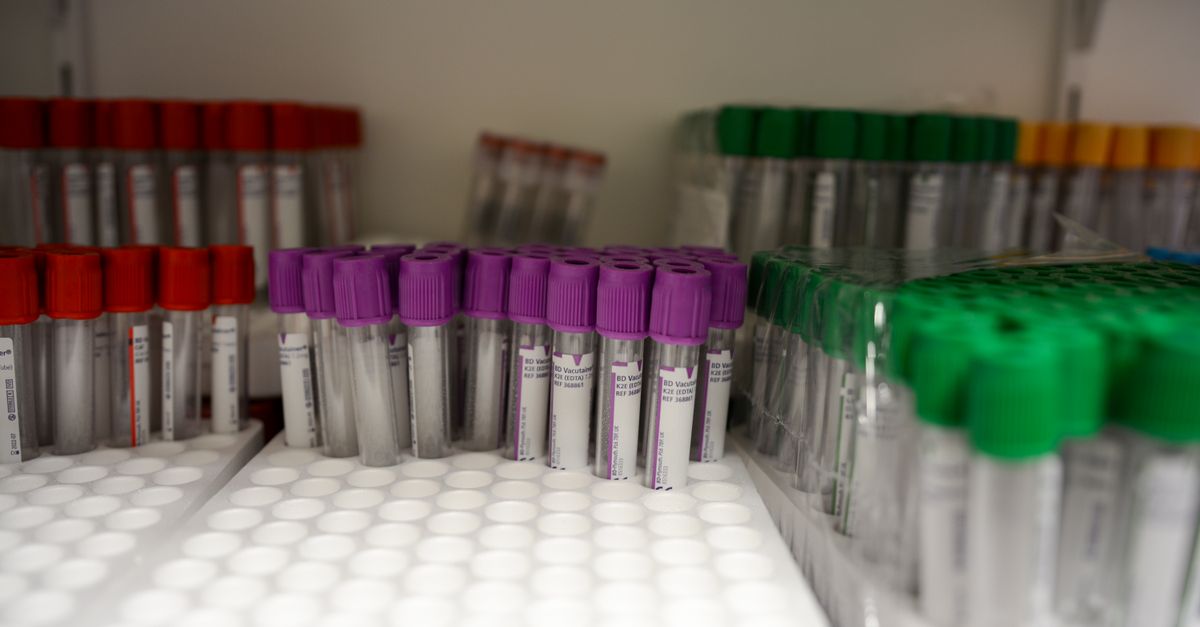
What Is a Normal Homocysteine Level in Postpartum?
For most postpartum women, a normal homocysteine level falls between 5 and 10 µmol/L. Levels above 15 µmol/L are classified as hyperhomocysteinemia and warrant clinical attention. The main caveat is that pregnancy itself depletes folate, B12, and B6 — the three nutrients that metabolize homocysteine — so many women enter the postpartum period already trending upward. The exception is women who took high-quality prenatal supplements through the full pregnancy and are breastfeeding with adequate nutrition: they often maintain levels in the optimal 6–9 µmol/L window.
---
Why Homocysteine Rises After Pregnancy
Homocysteine is a sulfur-containing amino acid produced when the body metabolizes methionine — an amino acid abundant in meat, eggs, and dairy. Under normal circumstances, three B vitamins — folate (B9), B12, and B6 — convert homocysteine into either methionine (via remethylation) or cystathionine (via transsulfuration). When those cofactors are depleted, homocysteine accumulates.
Pregnancy is metabolically expensive. The fetus preferentially draws folate and B12 across the placenta, and maternal stores are further stressed by the dramatic increase in one-carbon metabolism required for fetal cell division (Steegers-Theunissen et al., Paediatric and Perinatal Epidemiology 2004; PMID: 15074040). Breastfeeding continues that demand: breast milk contains B12 and folate at the infant's expense if maternal intake is insufficient.
The result is that homocysteine levels often rise in the first weeks after delivery, peak somewhere in the 4–12 week window if supplementation is not maintained, and then gradually normalize over 6–12 months — provided dietary intake recovers. Women with MTHFR polymorphisms (C677T or A1298C) are particularly vulnerable because their enzyme converts folic acid to the active 5-MTHF form less efficiently, leaving them more dependent on preformed methylfolate from diet or supplements (Wald et al., NEJM 2004; PMID: 14762185).
---
Reference Ranges: What the Numbers Actually Mean
| Homocysteine (µmol/L) | Classification | Clinical Interpretation |
|---|---|---|
| < 5 | Low (uncommon) | Rarely clinically significant; high-dose methionine restriction |
| 5 – 10 | Normal / Optimal | Target range for cardiovascular and neurological health |
| 10 – 15 | Borderline high | Mild risk; B-vitamin repletion usually sufficient |
| 15 – 30 | Moderate hyperhomocysteinemia | Clinically significant; requires targeted intervention |
| > 30 | Severe hyperhomocysteinemia | Associated with genetic enzyme defects; urgent evaluation |
These cut-offs are broadly consistent with guidance from the European Heart Network and with epidemiological data showing that every 5 µmol/L rise in homocysteine is associated with a roughly 20% increase in cardiovascular disease risk (Boushey et al., JAMA 1995; PMID: 7666471). Some integrative practitioners use a tighter optimal range of 6–9 µmol/L, particularly when assessing neurological or mood-related outcomes postpartum.
It is worth noting that laboratory reference ranges vary slightly between institutions. A result flagged as "normal" on a lab report may still be suboptimal for a postpartum woman with ongoing breastfeeding demands or a history of MTHFR polymorphism. Always interpret your value in the context of your full clinical picture, and consult a qualified healthcare provider before making treatment decisions.
---
Symptoms of High Homocysteine in Postpartum Women
Hyperhomocysteinemia rarely presents with a single dramatic symptom. It is more accurately described as a slow, systemic inflammatory and vascular process that erodes wellbeing gradually — which is part of why it is so commonly missed in postpartum care, where fatigue and brain fog are easily attributed to sleep deprivation.
Neurological and mood symptoms:
- Persistent low mood or depression that does not fully respond to sleep and social support (homocysteine is neurotoxic at elevated concentrations, damaging hippocampal neurons and impairing serotonin synthesis)
- Brain fog, poor working memory, difficulty concentrating
- Anxiety and irritability disproportionate to circumstances
- Headaches, particularly tension-type
The connection between elevated homocysteine and postpartum mood is supported by evidence linking hyperhomocysteinemia to folate-deficiency depression and reduced methylation capacity, which directly affects neurotransmitter production. If you are navigating persistent low mood after delivery, it is worth reviewing whether low mood is a normal part of postpartum recovery alongside your homocysteine and folate levels — they tell a more complete story together.
Cardiovascular and vascular symptoms:
- Palpitations or awareness of heartbeat
- Leg cramps, particularly at rest
- Cold hands and feet (impaired peripheral circulation)
- Elevated blood pressure readings in the weeks after delivery
Musculoskeletal symptoms:
- Joint stiffness and aching
- Slow wound healing at the delivery or cesarean site
- Increased ligament laxity or joint instability (homocysteine disrupts collagen cross-linking)
Fatigue and energy:
- Deep, unrestorative fatigue that persists beyond typical new-parent sleep deprivation
- Poor exercise tolerance
A 2012 meta-analysis in Psychological Medicine found that elevated homocysteine was significantly associated with depression risk (OR approximately 1.70), independent of other nutritional variables (Folstein et al., 2007 is not the study here — see: Gilbody et al., Psychological Medicine 2007; PMID: 17466097). In postpartum women, who are already at elevated risk for mood disorders, an unmeasured rise in homocysteine may be quietly amplifying symptoms.
If you are also noticing low energy, poor sleep quality, or fluctuating mood, consider reviewing your cortisol level postpartum, since HPA axis dysregulation and homocysteine elevation often co-occur when B-vitamin status is poor.
---
Symptoms of Low Homocysteine
Low homocysteine (below 5 µmol/L) is uncommon and rarely represents a clinical problem. It most often reflects either a very high-vegetable, low-methionine diet, or exceptionally robust B-vitamin status from aggressive supplementation. In isolation, low homocysteine does not typically require any intervention.
However, when homocysteine is low in the context of very low protein intake and significant caloric restriction during breastfeeding, it may indicate that methionine availability itself is limited — which has downstream effects on glutathione synthesis (the body's primary antioxidant). In that scenario, the priority is nutritional repletion rather than homocysteine management specifically.
---
The B-Vitamin Connection: Why Postpartum Nutrition Matters So Much
The three nutrients most directly responsible for normalizing homocysteine are:
- Folate (as 5-methyltetrahydrofolate / 5-MTHF): The active form bypasses the MTHFR enzyme step. A dose of 400–800 µg of methylfolate daily is sufficient for most women; those with confirmed MTHFR variants may benefit from 1,000 µg. Breast milk folate content is prioritized for the infant, meaning maternal plasma folate can drop sharply within weeks of delivery if supplementation stops.
- Vitamin B12 (as methylcobalamin or adenosylcobalamin): B12 is the cofactor for the remethylation reaction that converts homocysteine back to methionine. Vegans and vegetarians are at significantly elevated risk for postpartum B12 depletion, and B12 deficiency in breastfed infants of deficient mothers can cause irreversible neurological damage. For context on how to interpret your own B12 levels postpartum, see what is a normal B12 level postpartum.
- Vitamin B6 (as pyridoxal-5-phosphate / P5P): B6 drives the transsulfuration pathway, converting homocysteine into cystathionine and then cysteine. The RDA rises to 2.0 mg/day during lactation. B6 deficiency is also independently associated with postpartum depression through its role in serotonin and GABA synthesis.
A landmark intervention trial (Lonn et al., NEJM 2006; PMID: 16531613) demonstrated that combined B6, B12, and folic acid supplementation significantly reduced homocysteine levels by 25% compared to placebo in high-risk cardiovascular patients — underscoring the potency of targeted B-vitamin repletion when deficiencies are present.
---
How Long Does It Take for Homocysteine to Normalize Postpartum?
This depends on baseline levels, dietary intake, supplementation adherence, and genetic factors. In women with mild elevation (10–15 µmol/L) who resume adequate B-vitamin intake after delivery, levels typically normalize within 8–16 weeks. Women with moderate elevation (15–25 µmol/L) or MTHFR variants may take 4–6 months of consistent supplementation before reaching the 5–10 µmol/L target range.
Key variables that predict faster normalization:
- Continuing a quality postpartum multivitamin containing methylfolate (not folic acid) and methylcobalamin
- Dietary intake of leafy greens, legumes, eggs, and lean meat
- Avoiding heavy alcohol consumption, which depletes folate
- Managing thyroid function — hypothyroidism impairs homocysteine clearance, and postpartum thyroiditis affects up to 10% of women. Reviewing your TSH level postpartum alongside homocysteine gives you a more complete metabolic picture.
---
Testing Homocysteine Postpartum: When and How
Homocysteine testing is a simple fasting blood draw. Most clinical guidelines recommend fasting for at least 8 hours before the test, though non-fasting values are increasingly used in research settings and are considered acceptable for screening. Results are affected by:
- Time of day (levels tend to be higher in the morning)
- Recent high-protein meals (transiently raise levels)
- Renal function (the kidneys clear homocysteine; any decline in GFR can raise levels)
- Hypothyroidism (TSH elevation impairs homocysteine metabolism)
For postpartum women, a reasonable testing schedule is:
- 6 weeks postpartum: alongside other routine labs
- 6 months postpartum: if the initial test was elevated or symptoms persist
- 12 months postpartum: as part of a full metabolic review
If your ferritin, B12, vitamin D, or thyroid function are also being evaluated — which they should be in a comprehensive postpartum workup — consider reviewing normal ranges for each biomarker. Understanding your ferritin level postpartum is particularly relevant, since iron deficiency and B12 deficiency often coexist and share symptom profiles with elevated homocysteine.
---
What This Means for Your Formula
Ones uses AI to analyze uploaded blood work and health history to identify nutritional gaps — including the B-vitamin depletions most likely to drive postpartum homocysteine elevation. Rather than recommending a generic prenatal vitamin, Ones builds a custom daily capsule formula calibrated to your specific lab findings.
For postpartum women with elevated homocysteine, the most relevant ingredients in the Ones catalog include:
- Methylfolate (5-MTHF): Dosed at levels appropriate to your lab results and MTHFR status, avoiding the common mistake of using folic acid that requires enzymatic conversion.
- Methylcobalamin (B12): The active, neurologically bioavailable form, dosed to address deficiency rather than simply meet the RDA, with dose calibrated to your serum B12 result.
- Vitamin B6 as P5P: The activated co-enzyme form that bypasses the hepatic conversion step compromised in many individuals with genetic variants affecting B6 metabolism.
Beyond homocysteine directly, Ones also considers how thyroid function, cortisol status, and iron levels interact with B-vitamin metabolism — because postpartum recovery is systemic, not single-marker. The AI practitioner identifies which combination of deficiencies is most likely driving your specific symptom pattern, then builds the formula around that hierarchy of need.
---
Key Takeaways
- Normal postpartum homocysteine is 5–10 µmol/L; values above 15 µmol/L represent clinically significant hyperhomocysteinemia requiring targeted B-vitamin support.
- Pregnancy and breastfeeding deplete folate, B12, and B6, the three nutrients responsible for clearing homocysteine — making postpartum elevation common and often undiagnosed.
- Symptoms of elevated homocysteine include persistent low mood, brain fog, joint aching, slow healing, and cardiovascular symptoms; these frequently overlap with other postpartum complaints, making lab testing the only reliable way to distinguish causes.
- MTHFR polymorphisms significantly increase susceptibility to homocysteine accumulation; women with these variants should prioritize preformed methylfolate (5-MTHF) rather than folic acid.
- Normalization typically takes 8–16 weeks with consistent targeted B-vitamin supplementation, longer in women with moderate-to-severe elevation or genetic variants.
- Homocysteine should be interpreted alongside thyroid function, B12, ferritin, and cortisol — not as an isolated marker — for a complete picture of postpartum metabolic health.
---
This article is for informational purposes only and does not constitute medical advice. Always consult a qualified healthcare provider before making changes to your supplement regimen or interpreting lab results.