Supplements
Recommended Daily Intake of Probiotics: A Clinical Guide
Most probiotic labels say 'take one capsule daily' without specifying strain, CFU count, or timing — yet the research shows these details determine whether you see results or waste money. The clinically effective dose of a probiotic can range 20-fold depending on the condition being addressed, and the wrong strain is simply inert. Here's what the evidence actually says.
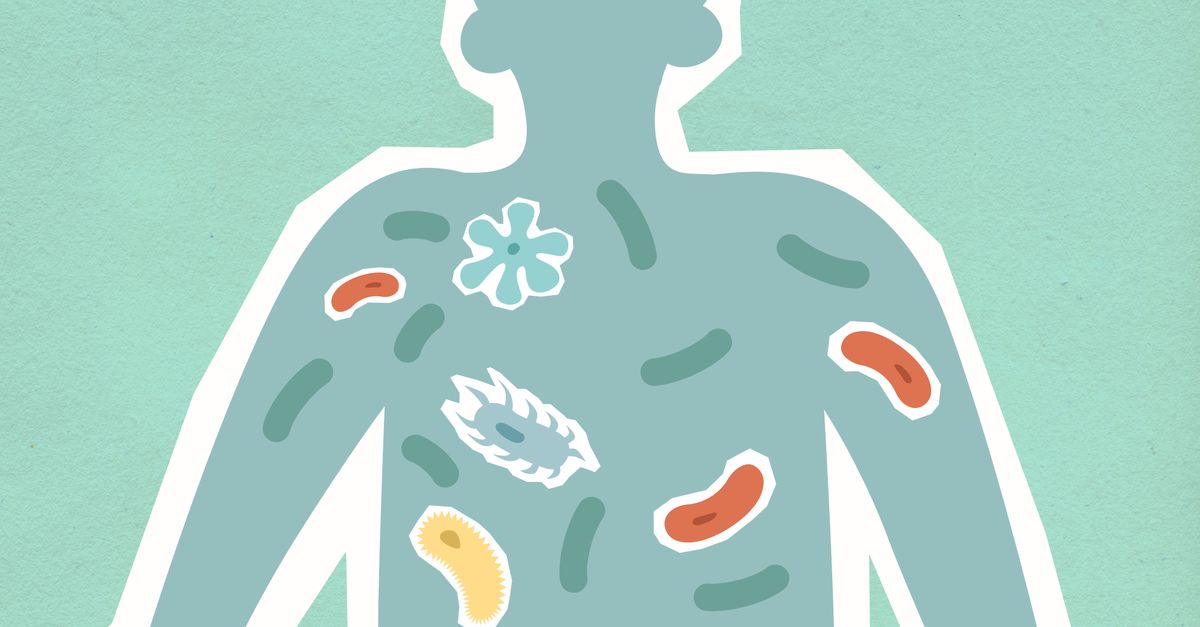
Recommended Daily Intake of Probiotics: What the Clinical Evidence Actually Shows
Probiotics have gone mainstream — but the question most people forget to ask is: how much do I actually need? The recommended daily intake of probiotics is not a single number. It depends on the bacterial strain, the health goal, the delivery format, and your baseline gut microbiome. Blanket label claims of "10 billion CFUs" are marketing shorthand, not clinical guidance.
This guide breaks down what the peer-reviewed literature says about probiotic dosing, the best timing relative to meals and exercise, and how to match strain selection to your specific health priorities.
---
What CFU Actually Means — And Why It's Not the Only Number That Matters
CFU stands for colony-forming units — the count of viable bacterial cells in a dose. Higher CFUs are often associated with efficacy, but strain identity and survivability matter just as much.
A landmark 2014 systematic review in Alimentary Pharmacology & Therapeutics analyzed 63 randomized controlled trials and found that efficacy was strain-specific: Lactobacillus rhamnosus GG (LGG) reduced antibiotic-associated diarrhea risk, while Saccharomyces boulardii outperformed other yeasts for Clostridioides difficile prevention — regardless of CFU equivalence between arms (Szajewska & Kolodziej, Alimentary Pharmacology & Therapeutics 2015; PMID: 25825898).
Survivability through the gastric environment is another key variable. Enteric-coated or delayed-release capsules deliver meaningfully more viable cells to the colon than uncoated tablets, particularly for acid-sensitive strains like L. acidophilus.
| Factor | Why It Matters |
|---|---|
| CFU count | Higher counts generally needed for gut-transit conditions |
| Strain identity | Efficacy is strain-specific, not genus-level |
| Delivery format | Enteric coating increases colonic delivery |
| Storage stability | Refrigerated vs. shelf-stable affects viable count at use |
| Synbiotics | Prebiotic co-administration can boost colonization |
---
Clinical Dose Ranges by Health Goal
Below are the CFU ranges and strains supported by clinical trials for the most common probiotic use cases:
Gut Health & IBS
For irritable bowel syndrome, a 2020 meta-analysis in Gut Microbes covering 53 RCTs found significant symptom reduction with multi-strain formulas in the 10–100 billion CFU/day range, with Bifidobacterium longum, L. acidophilus, and L. plantarum appearing most frequently in positive trial arms (Ford et al., Gut Microbes 2020; PMID: 31971867).
Immune Support
For immune modulation in healthy adults, trials typically use 1–10 billion CFU/day. A 2011 Cochrane review found that L. rhamnosus GG at 5–10 billion CFU/day reduced the incidence of upper respiratory infections and shortened duration by roughly 1.9 days (Hao et al., Cochrane Database of Systematic Reviews 2011; PMID: 21901706).
Vaginal Microbiome
For bacterial vaginosis prevention and recurrence reduction, L. rhamnosus GR-1 and L. reuteri RC-14 at 1–5 billion CFU/day taken orally produced clinically meaningful improvements in vaginal lactobacilli counts in a double-blind RCT (Reid et al., FEMS Immunology & Medical Microbiology 2003; PMID: 12738360).
Mental Health (Gut-Brain Axis)
Emerging data on the gut-brain axis suggest psychobiotic strains including L. helveticus R0052 and B. longum R0175 at 3 billion CFU/day reduced self-reported anxiety scores in healthy volunteers over 30 days in a randomized, double-blind, placebo-controlled trial (Messaoudi et al., British Journal of Nutrition 2011; PMID: 20974015).
Antibiotic-Associated Diarrhea
Here the doses are highest: 5–40 billion CFU/day with co-administration of S. boulardii or LGG starting simultaneously with antibiotics and continuing for 1–2 weeks after the course ends.
---
Probiotics Before or After Workout: Does Timing Your Dose to Exercise Matter?
Athletes have a specific interest in probiotic timing because intense training transiently increases gut permeability — commonly described as "leaky gut" — which can allow lipopolysaccharides (LPS) into systemic circulation and elevate inflammatory markers. The question is whether taking probiotics before versus after training changes this outcome.
A 2019 randomized trial in Journal of the International Society of Sports Nutrition found that endurance athletes supplementing with a multi-strain probiotic (45 billion CFU/day of L. acidophilus, L. casei, and B. longum) for 4 weeks had significantly lower post-exercise intestinal permeability markers (zonulin and I-FABP) compared to placebo, regardless of whether the probiotic was taken pre- or post-workout (Pugh et al., JISSN 2019; PMID: 31739806).
The practical consensus from this and related data:
- Timing relative to exercise has a small effect compared to consistency of daily intake.
- Taking probiotics with a meal (particularly one containing fat) improves survivability of acid-sensitive strains like L. acidophilus by buffering gastric acid.
- Post-workout meals are a convenient anchor because you're already eating — combine your probiotic with your recovery nutrition.
- Avoid taking probiotics alongside hot beverages (>40°C) or alcohol, both of which reduce viable counts.
For context on how other nutrients interact with workout timing, the same principles of bioavailability apply — see the evidence on magnesium citrate timing around training and how different forms affect absorption.
---
How Probiotics Interact With Other Daily Supplements
Probiotics don't operate in isolation. Several co-nutrients influence gut barrier integrity and the environment in which probiotic strains must survive and colonize.
Zinc plays a key structural role in tight-junction proteins that maintain gut barrier integrity. Deficiency loosens these junctions, making the intestinal environment less hospitable for beneficial flora. Ensuring adequate zinc intake (8–11 mg/day from dietary sources plus supplementation if needed) supports the environment where probiotics work.
Omega-3 fatty acids modulate the inflammatory tone of the intestinal mucosa. A diet rich in EPA and DHA creates a less inflammatory colonic environment, potentially improving the colonization success of Bifidobacterium species. The recommended daily intake of omega-3s in clinical trials typically runs 1–3 g of combined EPA+DHA per day for anti-inflammatory benefit.
Magnesium regulates intestinal motility, which affects probiotic transit time. Slow transit creates anaerobic conditions that may favor some beneficial species; fast transit (from high-dose magnesium) can reduce dwell time. This is a nuanced consideration covered in depth in our guide on magnesium glycinate for gut and skin health.
Vitamin D3 has direct immunomodulatory effects on gut-associated lymphoid tissue (GALT), the immune tissue that determines how the intestinal immune system responds to commensal bacteria. Low 25(OH)D is associated with reduced Lactobacillus abundance in population data.
---
Secondary Keyword Note: CoQ10, Magnesium Glycinate, and Gut Health
Two secondary keywords — CoQ10 recommended daily intake and recommended daily intake of magnesium glycinate — are frequently searched alongside gut health topics because both nutrients support the metabolic environment of the intestinal epithelium. While neither CoQ10 nor magnesium glycinate are probiotics, they are clinically relevant co-factors.
Magnesium glycinate at 200–400 mg elemental magnesium per day supports intestinal motility and reduces the cortisol load that dysregulates gut motility. For a full clinical breakdown of magnesium glycinate dosing, including overdose thresholds, see the practitioner's guide to magnesium glycinate overdose.
CoQ10 at 100–200 mg/day (as ubiquinol for absorption) supports mitochondrial energy production in rapidly dividing intestinal epithelial cells, which turn over every 3–5 days. Adequate cellular energy supports tight-junction maintenance and mucus secretion — both critical for a healthy probiotic habitat. The clinical recommendation for CoQ10 dosing in metabolic contexts typically begins at 100–200 mg/day, with ubiquinol preferred for individuals over 40 due to declining endogenous conversion efficiency.
These are not replacements for probiotics — but they reflect the systems-thinking approach that separates a generic supplement routine from a truly personalized protocol.
---
What This Means for Your Formula
Probiotics are one of the few supplement categories where strain selection, CFU count, and delivery format all interact simultaneously — which is exactly why a one-size-fits-all approach falls short. Ones takes a different approach: rather than a generic probiotic included in every formula, the AI practitioner evaluates your health history, gut-related symptoms, inflammatory markers from lab results, and lifestyle data to determine whether a probiotic component is warranted and, if so, which strain profile fits your needs.
For users whose data supports probiotic inclusion, Ones formulas draw from its catalog of clinically validated ingredients. Relevant supporting ingredients in the Ones catalog that work in concert with a probiotic protocol include:
- Zinc (dosed to clinical ranges supporting gut barrier integrity and immune competence, addressing the tight-junction pathway)
- Omega-3 (EPA/DHA) — included where lab data or dietary analysis shows anti-inflammatory support is a priority, at doses aligned with the 1–3 g/day range from RCTs
- Vitamin D3 + K2 (MK-7) — included when 25(OH)D levels from blood work suggest insufficiency, given D3's role in gut-associated immune tone
The Ones model also accounts for capsule budget: whether your formula is a 6- or 9-capsule daily plan, the AI selects ingredients that deliver the highest marginal value given your specific findings — meaning probiotics are included when the data justifies them, not by default.
---
Key Takeaways
- There is no single recommended daily intake of probiotics — effective doses range from 1 billion to 100 billion CFU/day depending on strain, condition, and individual baseline.
- Strain identity outweighs CFU count: L. rhamnosus GG, S. boulardii, L. helveticus R0052, and B. longum R0175 each have strain-specific evidence bases for different outcomes.
- Taking probiotics with a meal — particularly one containing dietary fat — improves gastric survivability for acid-sensitive strains; timing relative to exercise has a smaller effect than daily consistency.
- Co-nutrients matter: zinc, omega-3s, vitamin D3, and magnesium each modulate the gut environment in which probiotics must colonize and function.
- Athletes benefit from probiotic supplementation at higher CFU ranges (10–45 billion/day) to counteract exercise-induced increases in intestinal permeability.
- Personalized assessment — including lab work and symptom data — is the most defensible way to select a probiotic formula, dose, and timing protocol that actually matches your biology.
---
This article is for informational purposes only and does not constitute medical advice. Consult a qualified healthcare provider before beginning any supplement regimen, particularly if you are immunocompromised or managing a chronic health condition.