Supplements
Turmeric Uses: Benefits, Dosage, and What the Research Actually Shows
Turmeric is one of the most studied botanicals on the planet, yet most people taking it are getting almost none of its active compound into their bloodstream. The gap between turmeric's headline claims and what the science actually supports comes down to three things: the right compound, the right dose, and the right delivery. Here's what the research actually shows.
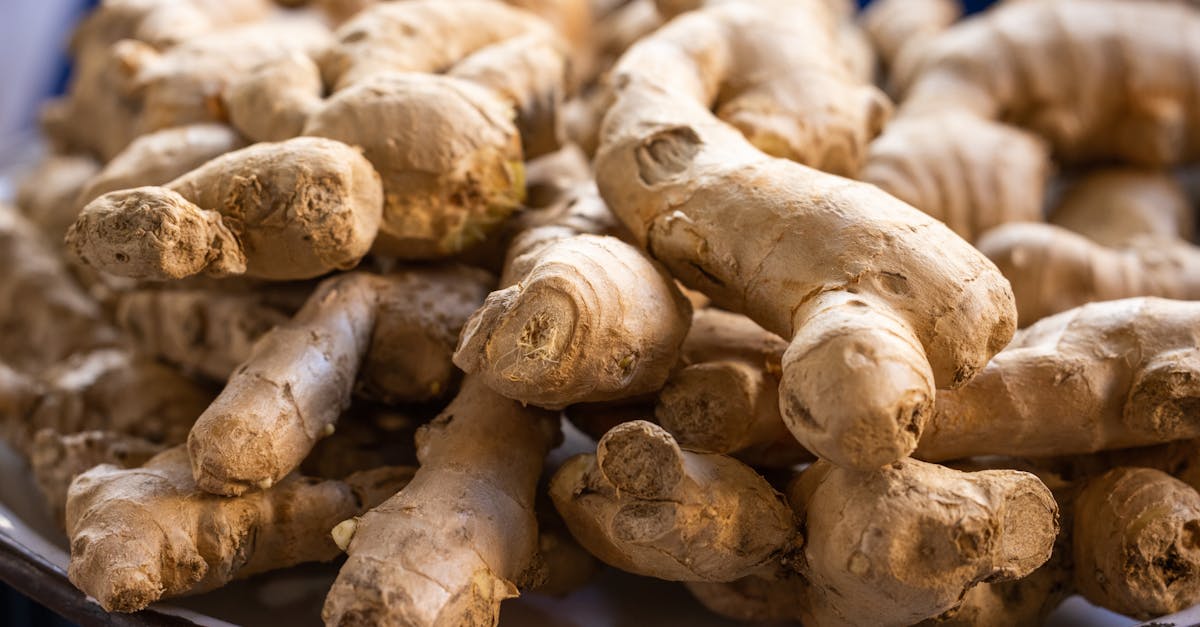
Turmeric Uses: Benefits, Dosage, and What the Research Actually Shows
Turmeric has moved from kitchen spice to supplement aisle staple, and for good reason — the research behind its primary active compound, curcumin, is genuinely impressive. But the word "turmeric" on a label tells you almost nothing useful. Raw turmeric root contains only about 2–5% curcuminoids by weight, and curcumin on its own has notoriously poor oral bioavailability. Without specific formulation strategies, most of what you swallow is metabolized and excreted before it reaches systemic circulation.
This article breaks down what turmeric is actually good for, what the clinical evidence supports, how much you need to take, and what to look for in a supplement — so you can stop guessing and start getting results.
---
What Is Turmeric Good For? The Evidence-Backed Use Cases
The primary driver of turmeric's health effects is curcumin (diferuloylmethane), a polyphenol that modulates multiple inflammatory and antioxidant pathways simultaneously. Unlike NSAIDs, which work by blocking a single enzyme (COX-2), curcumin appears to inhibit NF-κB signaling, downregulate pro-inflammatory cytokines (TNF-α, IL-1β, IL-6), and upregulate the body's endogenous antioxidant defenses via Nrf2 activation (Aggarwal & Harikumar, Antioxidants & Redox Signaling 2009; PMID: 19640227).
Here are the areas where clinical evidence is strongest:
Joint Pain and Osteoarthritis
This is turmeric's most robustly studied application. A 2016 systematic review and meta-analysis of randomized controlled trials found that curcumin supplementation (typically 1,000 mg/day of a bioavailable form) produced statistically significant reductions in joint pain and improvements in physical function compared to placebo in patients with osteoarthritis (Daily et al., Journal of Medicinal Food 2016; PMID: 26007179). Effect sizes were comparable to ibuprofen in some trials, with a substantially better gastrointestinal tolerability profile.
A frequently cited head-to-head trial by Kuptniratsaikul et al. (2014) in Clinical Interventions in Aging (PMID: 24966693) compared 1,500 mg/day of curcumin extract to 1,200 mg/day of ibuprofen over four weeks in 367 patients with knee osteoarthritis — curcumin was non-inferior for pain relief and caused significantly fewer GI side effects.
Inflammation and C-Reactive Protein (CRP)
Chronic low-grade inflammation, measured clinically by high-sensitivity CRP (hs-CRP), is implicated in cardiovascular disease, metabolic syndrome, and accelerated aging. A 2017 meta-analysis of 8 RCTs found that curcumin supplementation significantly reduced plasma CRP levels (Momtazi-Borojeni et al., Annals of the New York Academy of Sciences; PMID: 27992978). The effect was most pronounced in individuals with baseline elevated CRP, suggesting curcumin may be particularly useful when inflammation is already elevated rather than as a purely preventive agent.
If you're tracking inflammation through blood work — which is exactly the kind of data the Ones AI health practitioner uses to calibrate your formula — a persistently elevated hs-CRP is a clear signal that curcumin supplementation is worth evaluating.
Cognitive Function and Brain Health
Curcumin crosses the blood-brain barrier (at meaningful concentrations only with enhanced-bioavailability forms) and has demonstrated neuroprotective activity in both animal and human studies. A double-blind, placebo-controlled trial by Small et al. (2018) in the American Journal of Geriatric Psychiatry (PMID: 28652922) found that 90 mg of Theracurmin twice daily for 18 months significantly improved memory and attention in non-demented adults aged 51–84, and was associated with reduced amyloid and tau accumulation in the amygdala and hypothalamus on PET imaging.
Additionally, curcumin appears to upregulate brain-derived neurotrophic factor (BDNF), a growth protein involved in neuronal survival and synaptic plasticity. Lower BDNF levels are associated with depression and cognitive decline — making this a plausible mechanism for both the mood and memory effects seen in clinical trials (Bhutani et al., Psychopharmacology 2009; PMID: 19242682).
Metabolic Health and Blood Sugar Regulation
A 9-month double-blind RCT published in Diabetes Care (Chuengsamarn et al., 2012; PMID: 22773702) found that 1,500 mg/day of curcumin extract in 240 prediabetic adults reduced progression to type 2 diabetes to 0% compared to 16.4% in the placebo group. The curcumin group also showed improvements in beta-cell function, HOMA-IR (insulin resistance index), and adiponectin levels. While this single trial requires replication in larger cohorts, it adds to a body of mechanistic evidence suggesting curcumin's anti-inflammatory effects translate into metabolic benefits.
Gut Health and IBS
Curcumin's anti-inflammatory effects on the intestinal mucosa have made it a subject of interest in irritable bowel syndrome (IBS) and inflammatory bowel disease. A randomized trial in adults with IBS found that turmeric extract supplementation reduced abdominal pain and discomfort scores by 53–60% compared to 26–27% in placebo groups (Bundy et al., Journal of Alternative and Complementary Medicine 2004; PMID: 15253677). Curcumin also shows promise in maintaining remission in ulcerative colitis, though clinical use in IBD should always be coordinated with a gastroenterologist.
---
Is Turmeric Good for You? Understanding Bioavailability First
The honest answer is: it depends almost entirely on the form you're taking.
Standard curcumin has an oral bioavailability of less than 1% in most studied models (Anand et al., Molecular Pharmaceutics 2007; PMID: 17999464). This isn't a trivial limitation — it means that a 500 mg capsule of plain curcumin extract may deliver less active compound to your tissues than a well-formulated 100 mg dose of an enhanced form.
The three bioavailability-enhancement strategies with the strongest clinical backing are:
| Strategy | Example Product | Reported Bioavailability Increase |
|---|---|---|
| Piperine co-administration | BioPerine (black pepper extract) | ~20x vs. plain curcumin (Shoba et al., Planta Medica 1998; [PMID: 9619120](https://pubmed.ncbi.nlm.nih.gov/9619120/)) |
| Lipid-based formulation | Meriva (phytosome) | ~29x vs. plain curcumin (Cuomo et al., Journal of Natural Products 2011; [PMID: 21517864](https://pubmed.ncbi.nlm.nih.gov/21517864/)) |
| Colloidal dispersion | Theracurmin | ~27x vs. plain curcumin (Sasaki et al., Biological & Pharmaceutical Bulletin 2011; [PMID: 21206136](https://pubmed.ncbi.nlm.nih.gov/21206136/)) |
Note that piperine (the active alkaloid in black pepper) inhibits CYP3A4 and P-glycoprotein enzymes, which can affect the metabolism of certain medications. If you are on anticoagulants, chemotherapy agents, or immunosuppressants, consult your healthcare provider before combining piperine and curcumin.
For context on how bioavailability-enhanced ingredients are selected, the clinical evidence for curcumin bioavailability and absorption is worth reviewing before choosing a supplement form.
---
What Does Turmeric Do? Mechanisms Behind the Benefits
Understanding the mechanisms helps explain why curcumin touches so many health systems:
- NF-κB Inhibition: NF-κB is the master regulator of the inflammatory response. Curcumin suppresses its activation, reducing the downstream production of inflammatory cytokines like TNF-α and IL-6 (Aggarwal & Harikumar 2009; PMID: 19640227).
- Nrf2 Activation: Curcumin activates the Nrf2 pathway, which upregulates the body's own antioxidant enzymes including superoxide dismutase (SOD), catalase, and glutathione peroxidase.
- BDNF Upregulation: As noted above, curcumin appears to increase BDNF expression, with implications for mood, memory, and neurodegeneration.
- COX-2 and LOX Inhibition: Curcumin reduces activity of both cyclooxygenase-2 and lipoxygenase enzymes, the same prostaglandin-producing enzymes targeted by NSAIDs and aspirin — without the gastrointestinal side effects at therapeutic doses.
- mTOR Modulation: Emerging evidence suggests curcumin may inhibit the mTOR pathway, a key regulator of cell growth and autophagy, which may explain some of the anti-aging and metabolic effects seen in preclinical models.
These overlapping mechanisms explain why curcumin consistently shows up across research on inflammation, neurodegeneration, metabolic syndrome, and even certain cancer models — though it's critical to note that human oncology trials remain preliminary and should never substitute for evidence-based cancer treatment.
---
Turmeric Dosage: What Clinical Trials Actually Used
Dosing varies significantly by indication and formulation. Here's a summary of doses from key clinical trials:
| Condition | Dose Used | Duration | Form |
|---|---|---|---|
| Osteoarthritis | 1,000–1,500 mg/day curcuminoids | 4–8 weeks | Bioavailable extract |
| CRP reduction | 500–1,000 mg/day curcuminoids | 8–12 weeks | Various |
| Cognitive function | 180 mg/day Theracurmin | 18 months | Colloidal dispersion |
| Prediabetes | 1,500 mg/day curcuminoids | 9 months | Standard extract |
| IBS | 72–144 mg curcumin + fennel | 8 weeks | Combination extract |
For general anti-inflammatory support, most practitioners working with curcumin target 500–1,000 mg/day of a bioavailability-enhanced curcuminoid preparation. This is quite different from adding a teaspoon of turmeric powder to your smoothie — which delivers roughly 100–200 mg of curcuminoids with minimal absorption.
As part of a well-designed supplement stack, curcumin pairs well with omega-3 EPA and DHA — both modulate inflammatory pathways, and their mechanisms are complementary rather than redundant.
---
Magnesium Glycinate Uses: A Note on Complementary Inflammation Support
While turmeric addresses inflammation at the molecular signaling level, magnesium deficiency independently drives systemic inflammation. Low intracellular magnesium upregulates NF-κB activation and increases circulating CRP — the very same inflammatory markers that curcumin helps suppress (Mazur et al., Magnesium Research 2007; PMID: 18380553). Magnesium glycinate is the chelated form most studied for anti-inflammatory benefits and tolerability, with the glycine component offering additional calming and sleep-supportive properties.
For a full breakdown of how magnesium glycinate compares to other forms and what conditions it's best suited for, see the optimal magnesium glycinate dosage and uses guide. The clinical dose for magnesium glycinate typically ranges from 200–400 mg elemental magnesium daily, depending on baseline serum and RBC magnesium levels — precisely the kind of data that informs a personalized Ones formula.
---
What This Means for Your Formula: How Ones Approaches Turmeric
Most supplement platforms either include turmeric as a token ingredient at sub-therapeutic doses or leave the dosing decision entirely to the user. Ones takes a different approach: using your lab data, wearable metrics, and health history, the Ones AI practitioner identifies specific inflammatory markers, joint health signals, or metabolic risk factors that curcumin is clinically positioned to address.
Here's how three specific ingredients in the Ones formulary relate to the research in this article:
- Curcumin (Bioavailable Form, up to 1,000 mg/day): Dosed in the range supported by the osteoarthritis and CRP-reduction meta-analyses, using a bioavailability-enhanced preparation so systemic curcuminoid levels are clinically meaningful, not theoretical.
- Omega-3 (EPA/DHA): Ones includes high-purity EPA and DHA in individual formulas where inflammatory markers or cardiovascular risk factors are present. EPA and DHA work through complementary anti-inflammatory pathways (resolvin and protectin synthesis) that synergize with curcumin's NF-κB suppression.
- Magnesium Glycinate (up to 400 mg elemental): Part of Ones' Magnesium Complex blend and available as a standalone ingredient, magnesium glycinate is included when low serum magnesium or elevated inflammatory markers suggest a deficiency-driven component to systemic inflammation.
Unlike one-size-fits-all regimens from platforms like Ritual or general practitioner-grade products from Thorne, Ones calibrates each of these ingredients to your specific capsule budget — either a 6, 9, or 12-capsule daily plan — based on your lab results and priority health goals.
---
Safety, Interactions, and Who Should Use Caution
Curcumin at supplemental doses is generally well-tolerated. Reported adverse effects are rare at doses under 8,000 mg/day and are primarily GI (nausea, diarrhea) at very high doses (Lao et al., BMC Complementary and Alternative Medicine 2006; PMID: 17192121).
Use with caution or consult a provider if you:
- Take blood thinners (warfarin, aspirin, clopidogrel) — curcumin has mild antiplatelet effects
- Are scheduled for surgery within two weeks
- Have gallbladder disease or bile duct obstruction — curcumin stimulates bile production
- Are pregnant — limited safety data at supplemental doses
- Take CYP3A4-sensitive medications with a piperine-containing formula
---
Key Takeaways
- Bioavailability is everything: Plain turmeric powder and standard curcumin extract have less than 1% oral bioavailability. Enhanced forms (phytosome, colloidal dispersion, piperine co-administration) show 20–29x greater absorption in clinical studies.
- Joint pain is the best-supported use: Multiple RCTs and a meta-analysis support curcumin at 1,000–1,500 mg/day for osteoarthritis pain and function, with a safety advantage over NSAIDs.
- Inflammation markers respond to curcumin: A 2017 meta-analysis found significant reductions in CRP with curcumin supplementation, most pronounced in individuals with elevated baseline inflammation.
- Cognitive and metabolic benefits are promising but require longer trials: The Small et al. (2018) memory trial and the Chuengsamarn (2012) diabetes prevention trial are compelling but represent early-stage evidence needing replication.
- Turmeric and magnesium glycinate address inflammation through different but complementary mechanisms: Correcting magnesium deficiency removes one driver of NF-κB activation while curcumin suppresses the pathway directly.
- Personalized dosing based on lab data produces better outcomes: Knowing your hs-CRP, joint status, or metabolic risk profile — the kind of data Ones uses — allows curcumin to be dosed intentionally rather than generically.
Always consult a qualified healthcare provider before starting any new supplement regimen, particularly if you take prescription medications or have a chronic health condition.