Vitamins
Vitamin D3 Overdose: A Clinical Guide to Dosage, Mechanism, and Outcomes
Most people worry they're not getting enough vitamin D — but toxicity from supplementing too much is a real and underreported clinical risk. A single case series published in the Mayo Clinic Proceedings documented patients presenting with hypercalcemia after taking doses well above 10,000 IU daily for months. Understanding where the therapeutic window ends and danger begins is essential for anyone using D3 long-term.
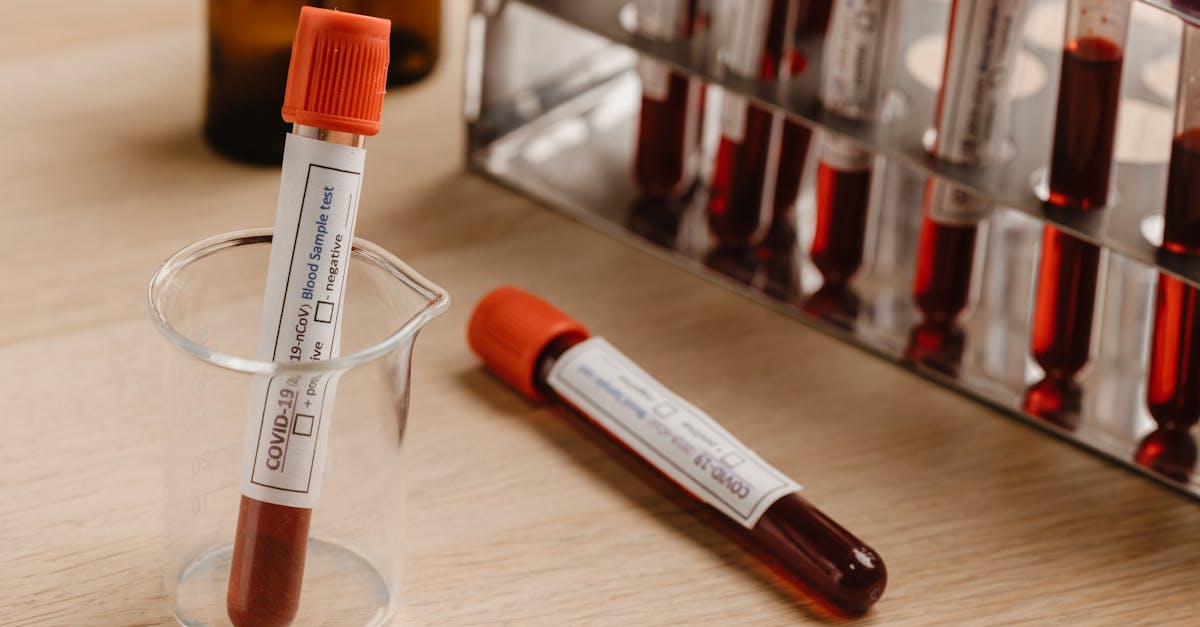
Vitamin D3 Overdose: A Clinical Guide to Dosage, Mechanism, and Outcomes
Vitamin D3 supplementation has become one of the most common self-prescribed interventions in the United States, with market data suggesting that over 40% of American adults take some form of vitamin D. Public health messaging has rightly focused on widespread deficiency — a 25-hydroxyvitamin D 25(OH)D] level below 20 ng/mL affects roughly 29% of U.S. adults (Forrest & Stuhldreher, Nutrition Research 2011; [PMID: 21310306). But the surge in supplement use has also produced a quieter crisis: vitamin D3 overdose is increasingly cited in poison control reports, and the line between therapeutic and toxic dosing is thinner than most people assume.
This guide breaks down the clinical pharmacology of D3 toxicity, what the research says about safe upper limits, how co-factors like vitamin K2 MK-7 shift the risk profile, and what a personalized, data-driven approach to supplementation actually looks like.
---
What Happens Biologically During a Vitamin D3 Overdose
Vitamin D3 (cholecalciferol) is fat-soluble, which means it accumulates in adipose and hepatic tissue rather than being excreted through urine the way water-soluble vitamins are. After ingestion, D3 is hydroxylated in the liver to 25(OH)D, then converted in the kidneys to the active hormone 1,25-dihydroxyvitamin D (calcitriol). It is calcitriol that binds to the vitamin D receptor (VDR) and drives downstream effects — most critically, increased intestinal absorption of calcium and phosphorus.
When supplemental D3 is taken in excess, 25(OH)D levels rise disproportionately. Although calcitriol is tightly regulated by parathyroid hormone, extremely elevated 25(OH)D saturates binding proteins and allows free calcitriol to act unopposed. The result is hypercalcemia: serum calcium rises above 10.5 mg/dL, triggering a cascade of symptoms that can range from nausea and polyuria to kidney stone formation, cardiac arrhythmia, and in severe cases, renal failure (Marcinowska-Suchowierska et al., Frontiers in Endocrinology 2018; PMID: 30283735).
The critical clinical point: 25(OH)D toxicity almost never occurs from sun exposure alone because cutaneous synthesis is self-limiting. Virtually all documented cases of vitamin D3 overdose involve oral supplementation — and frequently, doses well above 4,000 IU/day sustained over weeks to months.
---
Clinical Dosage Thresholds: What the Evidence Says
Understanding toxicity requires understanding the dose-response curve:
| 25(OH)D Level (ng/mL) | Status | Typical Corresponding Dose Range |
|---|---|---|
| < 12 | Deficient | < 400 IU/day or no supplementation |
| 12–19 | Insufficient | Standard diet, minimal sun |
| 20–50 | Sufficient (general population) | 600–2,000 IU/day |
| 50–80 | Optimal (many functional medicine targets) | 2,000–5,000 IU/day |
| > 100 | Potential toxicity zone | Variable; often > 10,000 IU/day |
| > 150 | Toxicity confirmed (hypercalcemia risk) | Typically > 10,000 IU/day sustained |
The Endocrine Society's Tolerable Upper Intake Level (UL) for adults is set at 4,000 IU/day for chronic use without medical supervision, though the National Academy of Medicine notes that toxicity is unlikely below 10,000 IU/day in most healthy adults (Institute of Medicine, 2011). The nuance is important: individual variation in VDR sensitivity, body fat percentage, kidney function, and concurrent calcium intake all influence where exactly a person's toxicity threshold falls.
A 2019 systematic review in Nutrients examining randomized controlled trials found that supplementation at 2,000–4,000 IU/day consistently raised serum 25(OH)D into the sufficient range (40–60 ng/mL) without adverse effects in most populations (Pilz et al., Nutrients 2019; PMID: 30935142). This remains the best-supported general therapeutic range.
Key dosing guidance:
- Get your baseline 25(OH)D tested before supplementing.
- Retest 8–12 weeks after starting or changing dose.
- Aim for 40–60 ng/mL unless under direct medical supervision targeting higher levels.
- Do not exceed 4,000 IU/day long-term without lab monitoring.
- Always pair D3 with vitamin K2 — more on why below.
---
The Vitamin K2 MK-7 Supplement Connection: Why This Co-Factor Matters
No discussion of vitamin D3 overdose risk is complete without examining the role of vitamin K2, specifically the MK-7 form (menaquinone-7). This is not a marketing talking point — it reflects a well-characterized physiological relationship.
Calcitriol (active D3) upregulates calcium-binding proteins, including osteocalcin and matrix Gla protein (MGP). Both of these proteins require carboxylation by vitamin K2 to become functional. Without adequate K2, osteocalcin cannot direct calcium into bone, and MGP cannot inhibit calcium deposition in arterial walls. The practical risk: high-dose D3 supplementation without K2 may accelerate vascular and soft-tissue calcification even at doses that don't trigger frank hypercalcemia (Schurgers et al., Journal of Nutrition 2007; PMID: 17237356).
The MK-7 form is preferred over MK-4 for supplementation because its longer half-life (approximately 72 hours versus 1–2 hours for MK-4) produces more stable serum levels and superior carboxylation of MGP, as demonstrated in a 2012 trial in Osteoporosis International (Theuwissen et al., Osteoporosis International 2012; PMID: 21904945).
A typical clinically relevant dose is 90–200 mcg/day of MK-7. For anyone taking D3 in the 2,000–5,000 IU range, ensuring K2 MK-7 is part of the formula is a foundational safety measure — and it meaningfully reduces the cardiovascular risk associated with elevated calcium mobilization.
You can explore the vitamin D3 and K2 synergy in detail to understand how these two nutrients interact at the receptor level.
---
Symptoms of Vitamin D3 Toxicity: Early to Severe
Recognizing toxicity early is critical because the fat-soluble half-life of D3 means symptoms can persist for weeks after stopping supplementation.
Early-stage symptoms (mild hypercalcemia, calcium 10.5–12 mg/dL):
- Fatigue and weakness
- Nausea, vomiting, constipation
- Excessive thirst and frequent urination (polyuria)
- Metallic or dry taste in the mouth
- Headache and difficulty concentrating
Progressive symptoms (moderate hypercalcemia, calcium 12–14 mg/dL):
- Muscle cramps or spasms
- Bone pain
- Kidney stones (nephrolithiasis)
- Elevated serum creatinine (early renal dysfunction)
- Hypertension
Severe symptoms (calcium > 14 mg/dL — medical emergency):
- Cardiac arrhythmias
- Acute kidney injury
- Altered mental status, confusion
- Coma (rare but documented in case reports)
A 2018 review in Frontiers in Endocrinology cataloged multiple cases where patients presented with serum 25(OH)D above 200 ng/mL following self-prescribed megadosing at 50,000–100,000 IU/day (Marcinowska-Suchowierska et al., Frontiers in Endocrinology 2018; PMID: 30283735). Treatment typically requires IV fluids, corticosteroids to suppress calcitriol production, and in severe cases, bisphosphonates.
---
Special Populations at Elevated Risk
Certain groups have a lower threshold for D3 toxicity and require more conservative dosing:
- Chronic kidney disease (CKD): Impaired ability to excrete calcium and regulate calcitriol synthesis. Even moderate doses (2,000 IU/day) can cause toxicity in stage 3–5 CKD.
- Primary hyperparathyroidism: PTH already drives elevated calcium; D3 compounds the effect.
- Sarcoidosis and granulomatous diseases: Macrophages within granulomas convert 25(OH)D to calcitriol autonomously, bypassing normal renal regulation.
- Infants and children: Lower body mass and immature renal function increase vulnerability.
- Those taking thiazide diuretics: These medications reduce urinary calcium excretion, raising hypercalcemia risk when combined with D3 supplementation.
For individuals in any of these categories, D3 dosing should be directed by a healthcare provider and monitored with regular labs.
---
What About Vitamin C and Other Fat-Soluble Nutrient Interactions?
A common question is whether other supplements interact with vitamin D3 metabolism or affect toxicity risk. Vitamin C, for instance, is water-soluble and does not share D3's accumulation risk — you can read more about vitamin C for immune support and optimal timing. Vitamin C does not directly modulate D3 metabolism, though systemic oxidative stress reduction may support overall endocrine function.
Magnesium deserves particular attention in the context of D3 dosing. Magnesium is a cofactor for the enzymes that hydroxylate vitamin D3 in both the liver and kidneys. Several analyses suggest that magnesium insufficiency blunts D3's conversion to active calcitriol and may produce a functional D3 resistance (Deng et al., Nutrients 2013; PMID: 24297015). This means that low magnesium status not only diminishes D3 efficacy but also creates unpredictable dose-response curves — another reason why isolated D3 supplementation without attention to co-factors is an incomplete strategy.
---
How Ones Addresses Vitamin D3 Dosage and Toxicity Risk
Platforms that dispense one-size-fits-all vitamin D recommendations — a flat 2,000 IU capsule for everyone — ignore the individual variables that determine whether that dose is insufficient, optimal, or heading toward toxicity. This is where a data-driven approach changes the equation.
Ones analyzes your blood work, including serum 25(OH)D, calcium, and kidney function markers, along with wearable data and health history, to determine whether you need D3 at all, and if so, at what dose. Rather than defaulting to population averages, the AI health practitioner behind Ones calibrates your formula to your actual labs.
Specific ingredients relevant to this clinical picture include:
- Vitamin D3 + K2 (MK-7): Ones includes D3 paired with vitamin K2 in the MK-7 form at doses calibrated to your 25(OH)D baseline — not a flat generic dose. The K2 component uses MK-7 at doses in the 90–200 mcg range shown to maintain MGP carboxylation and reduce soft-tissue calcification risk.
- Magnesium Complex (proprietary System Blend): Ones' Magnesium Complex addresses the cofactor gap that blunts D3 conversion, ensuring the metabolic pathway from cholecalciferol to active calcitriol functions efficiently at whatever D3 dose your formula includes.
- Omega-3 (EPA/DHA): Anti-inflammatory support is relevant here because chronic low-grade inflammation is both a driver of functional D3 resistance and a downstream consequence of severe hypercalcemia. If you're interested in how dosing ratios affect outcomes, the omega-3 EPA DHA ratio guide provides useful context.
The result is a formula that avoids both the underdosing that leaves deficiency unaddressed and the overdosing that creates the toxicity scenarios described in this article.
---
Key Takeaways
- Vitamin D3 toxicity is a real clinical risk — almost exclusively from supplementation, not sun exposure. Sustained doses above 10,000 IU/day are the most common culprit, though sensitive individuals can experience adverse effects at lower levels.
- Hypercalcemia is the central mechanism of D3 toxicity, with symptoms ranging from fatigue and polyuria to cardiac arrhythmia and kidney failure in severe cases.
- The therapeutic window for most adults is 2,000–4,000 IU/day, targeting a 25(OH)D level of 40–60 ng/mL — but individual variation is substantial and lab monitoring is essential.
- Vitamin K2 MK-7 is not optional when supplementing D3 at meaningful doses; it ensures calcium is directed to bone rather than arterial walls, addressing a key safety gap that high-dose D3 alone creates.
- Magnesium and omega-3s are meaningful co-factors that influence D3 conversion efficiency and reduce the risk of functional D3 resistance or inflammatory complications.
- Personalized dosing based on blood work is the only way to know whether you need more D3, less, or a different co-factor combination — and it's the standard that Ones is built around.