Vitamins
What Causes High B12 Levels?
Most people worry about low B12, but an unexpectedly high result on a standard blood panel can be just as important to investigate. Elevated B12 sometimes reflects a supplement you're taking — but it can also be an early signal of liver stress, a myeloproliferative disorder, or impaired cellular uptake that leaves tissue-level deficiency hiding behind a normal-looking number.
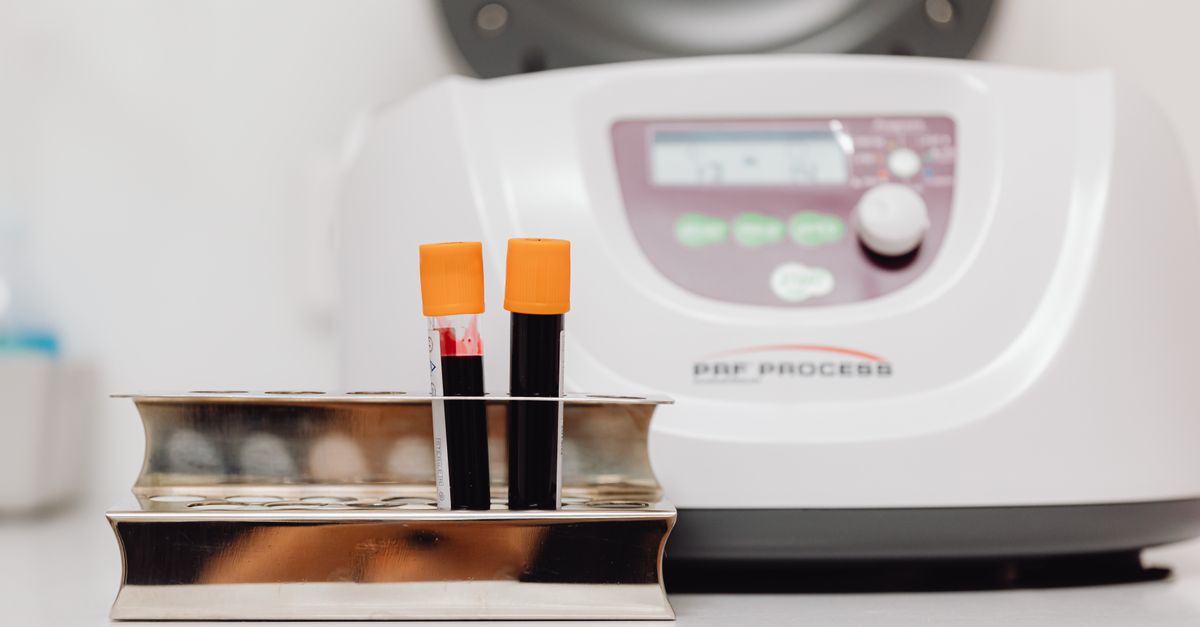
What Causes High B12 Levels?
For most people who supplement regularly, a high B12 reading is benign — it simply reflects recent intake. However, when B12 is elevated without supplementation, it deserves a closer look. Liver disease, myeloproliferative conditions, and metabolic dysfunction can all push serum B12 above 900 pg/mL, and in those cases the number is a warning, not a badge of health.
---
Understanding B12 Reference Ranges
Standard laboratory reference ranges for serum cobalamin (vitamin B12) typically fall between 200 and 900 pg/mL (148–664 pmol/L), though this varies slightly by lab. Many integrative practitioners aim for a functional optimal range of 400–800 pg/mL, arguing that anything below 400 pg/mL can produce neurological symptoms in sensitive individuals even when technically "in range."
An elevated result — generally defined as above 900–1,000 pg/mL — lands in one of two buckets:
- Exogenous elevation: Supplementation, high-dose injections, or a diet exceptionally rich in animal protein.
- Endogenous elevation: The body is producing or releasing excess B12 from storage due to liver cell damage, hematological disease, or altered transcobalamin binding.
Distinguishing between these two is the first clinical priority, because only exogenous elevation is essentially harmless.
---
Common Causes of High Serum B12
1. Supplementation and Injection
The most frequent explanation. Standard B12 supplements often provide 500–2,500 mcg per dose — hundreds of times the 2.4 mcg daily requirement. Because B12 is water-soluble, the kidneys excrete excess amounts, but serum levels can stay elevated for weeks after stopping a high-dose regimen. Intramuscular injections used for pernicious anemia or deficiency recovery reliably produce readings above 1,000–2,000 pg/mL.
2. Liver Disease and Hepatocellular Damage
The liver stores roughly 50–80% of the body's total B12. When hepatocytes are damaged — by alcoholic liver disease, non-alcoholic fatty liver disease (NAFLD), cirrhosis, or hepatitis — they release stored cobalamin into circulation. A landmark French cohort study of 995 patients found that liver disease was the most common pathological cause of elevated serum B12 in non-supplementing adults, accounting for approximately 40% of cases (Ermens et al., Clin Biochem 2003; PMID: 14636871).
If you have high B12 alongside elevated ALT, AST, or GGT, liver function should be investigated further.
3. Myeloproliferative Disorders
Polycythemia vera, chronic myelogenous leukemia (CML), and other myeloproliferative neoplasms produce excess haptocorrin (transcobalamin I), a B12-binding protein released by granulocytes. When granulocyte count rises, haptocorrin rises with it, binding and retaining more B12 in the bloodstream. Studies have documented serum B12 values exceeding 2,000–10,000 pg/mL in active CML (Carmel R, Am J Clin Nutr 1997; PMID: 9250127). Markedly elevated B12 without an obvious dietary or supplement explanation should always prompt a CBC with differential.
4. Solid Tumors
Several solid tumor types — hepatocellular carcinoma, breast cancer, colon cancer, and certain neuroendocrine tumors — produce haptocorrin or trigger its release. A systematic review noted that unexplained, markedly elevated B12 (often >1,000 pg/mL) in the absence of liver or hematological disease should prompt oncological screening, particularly in older adults (Arendt JF et al., J Natl Cancer Inst 2013; PMID: 23264680).
5. Renal Disease
Impaired kidney filtration reduces the urinary excretion of B12, allowing it to accumulate. Chronic kidney disease at stage 3 or higher is a recognized cause of modestly elevated serum cobalamin.
6. The Paradox of Functional B12 Deficiency
One of the more counterintuitive scenarios: serum B12 can appear elevated while tissue-level B12 is actually insufficient. This occurs when B12 is bound tightly to haptocorrin rather than to transcobalamin II (the physiologically active carrier). Only B12 attached to transcobalamin II enters cells. In this situation, elevated serum B12 and elevated homocysteine or methylmalonic acid (MMA) coexist — a functional deficiency masked by a high-looking lab value. If high homocysteine or MMA is suspected, looking beyond the raw B12 number matters.
---
Foods High in Methylcobalamin
Methylcobalamin is the bioactive, neurologically preferred form of B12 — the form your cells actually use without requiring conversion steps. Foods don't naturally distinguish between cobalamin forms, but animal-sourced foods are richest in total cobalamin:
| Food | B12 per serving (approx.) |
|---|---|
| Beef liver (3 oz) | 70–80 mcg |
| Clams (3 oz, cooked) | 84 mcg |
| Nutritional yeast (1 tbsp, fortified) | 2.4–8 mcg |
| Sockeye salmon (3 oz) | 4.9 mcg |
| Eggs (2 large) | 1.6 mcg |
| Dairy milk (1 cup) | 1.2 mcg |
Whole food sources are unlikely to cause pathologically elevated levels even with daily consumption. High serum values from diet alone are rare; most dietary-related elevations stay within the reference range.
In supplement form, methylcobalamin (rather than cyanocobalamin) has shown better retention in the nervous system and is preferred for neurological support (Kuwabara S et al., Muscle Nerve 1999; PMID: 10487900).
---
Foods High in P5P (Pyridoxal-5-Phosphate)
P5P is the active cofactor form of vitamin B6, and it's directly relevant to B12 metabolism because both nutrients operate within the same one-carbon and transsulfuration pathways. P5P is the enzyme cofactor required to convert homocysteine to cysteine. If P5P is low while B12 is elevated, homocysteine can still accumulate despite adequate cobalamin — which helps explain why a full B-vitamin panel matters, not just a single marker.
Foods rich in B6 that convert well to P5P:
- Beef liver and organ meats — among the highest dietary sources
- Tuna and salmon — provide B6 alongside EPA/DHA
- Chickpeas — one of the richest plant-based B6 sources (~1.1 mg per cup)
- Poultry (turkey, chicken breast) — 0.9–1.0 mg per 3 oz serving
- Bananas — approximately 0.4 mg per medium fruit
- Sunflower seeds — 1.1 mg per oz
Note that the pyridoxine form found in most supplements must be phosphorylated in the liver to become P5P. For individuals with liver stress — itself a cause of elevated B12 — this conversion step may be impaired, making direct P5P supplementation preferable.
---
Foods High in Methylfolate
Methylfolate (5-MTHF) is the active form of folate and the direct methyl donor in the folate cycle. It is closely linked to B12 because methylcobalamin is required to accept the methyl group from methylfolate during the conversion of homocysteine to methionine. When this partnership breaks down — due to MTHFR gene variants, B12 insufficiency, or other factors — both folate and B12 metabolism are disrupted.
Foods naturally high in folate that the body can convert to 5-MTHF:
| Food | Folate per serving |
|---|---|
| Beef liver (3 oz) | ~215 mcg DFE |
| Edamame (1/2 cup) | ~240 mcg DFE |
| Lentils (1/2 cup, cooked) | ~179 mcg DFE |
| Spinach (1/2 cup, cooked) | ~131 mcg DFE |
| Asparagus (4 spears) | ~89 mcg DFE |
| Avocado (1/2 medium) | ~59 mcg DFE |
For those with MTHFR C677T variants, dietary folate conversion efficiency is reduced, making supplemental 5-MTHF a clinical consideration (Frosst P et al., Nat Genet 1995; PMID: 7647779). If you've seen a high folate level on blood work, it may actually reflect impaired methylation rather than excess intake.
---
Foods High in Biotin
Biotin (vitamin B7) is less directly tied to B12 metabolism, but it's worth addressing in a B-vitamin context because high-dose biotin supplementation is a well-documented cause of laboratory interference. Biotin is used in immunoassay testing platforms, and megadoses (5,000–10,000 mcg/day, often taken for hair and nail growth) can falsely alter results for thyroid markers, troponin, and potentially B12-related assays depending on the analyzer.
If you're taking high-dose biotin and your B12 or other lab results look unexpectedly abnormal, ask your lab which platform they use and consider pausing biotin supplementation for 48–72 hours before blood draws.
Foods naturally high in biotin:
- Beef liver (3 oz): ~31 mcg
- Egg yolks (1 large): ~10 mcg
- Salmon (3 oz): ~5 mcg
- Sunflower seeds (1/4 cup): ~2.6 mcg
- Sweet potato (1/2 cup, cooked): ~2.4 mcg
Dietary biotin alone does not reach the threshold for lab interference. Only supplemental megadosing is clinically relevant here.
---
When Is Elevated B12 a Reason to Worry?
Use this clinical decision tree:
- Are you supplementing B12 regularly? If yes, the elevation is likely benign. Retest 4–6 weeks after stopping supplementation.
- Is the elevation mild (900–1,200 pg/mL) or marked (>1,500–2,000 pg/mL)? Marked elevations in non-supplementing individuals warrant further investigation.
- Are liver enzymes (ALT, AST, GGT) elevated? Request a hepatic function panel and abdominal imaging if needed.
- Is a CBC with differential normal? Abnormal white cell counts alongside high B12 raise myeloproliferative concerns.
- Are homocysteine and MMA normal? If homocysteine is elevated despite high B12, suspect functional deficiency or B6/folate insufficiency. High hs-CRP alongside elevated homocysteine is worth evaluating — elevated inflammatory markers like hs-CRP can compound cardiovascular risk independently.
- Any other unexplained symptoms — fatigue, night sweats, unintentional weight loss? These alongside markedly high B12 warrant oncological screening.
---
B12 and Cardiometabolic Context
B12 doesn't operate in isolation. Its downstream effects on homocysteine directly touch cardiometabolic risk. Elevated homocysteine is an independent risk factor for cardiovascular disease and has been linked to endothelial dysfunction. Women with high fasting insulin or high fasting glucose may also have impaired B12 utilization due to altered renal handling and metabolic stress — if that context applies, the articles on what causes high fasting insulin in women and what causes high fasting glucose in women offer additional perspective on the metabolic picture.
---
What This Means for Your Formula
Personalized supplementation requires knowing why B12 is elevated — not just that it is. At Ones, the AI practitioner reviews your full blood panel before recommending any B-vitamin regimen. If your B12 is already high from supplementation, the formula won't pile on more cobalamin. Instead, it evaluates the broader methylation picture:
- Methylfolate (5-MTHF): For individuals with MTHFR variants or functional methylation gaps, Ones can include active-form folate at clinically relevant doses rather than synthetic folic acid, which requires intact enzyme activity to convert.
- P5P (Pyridoxal-5-Phosphate): Where homocysteine elevation or B6 insufficiency is detected, Ones includes P5P — the already-active form that bypasses liver conversion — supporting the transsulfuration pathway directly.
- Liver Support System Blend: When liver enzyme patterns suggest hepatic stress (which itself can drive high serum B12), the proprietary Liver Support blend addresses upstream hepatic function rather than chasing the B12 number in isolation.
This is the core difference between a data-driven custom formula and a standard multivitamin: a multi adds B12 regardless of your status; a Ones formula responds to what your labs actually show.
---
Key Takeaways
- High B12 from supplementation is usually benign — serum levels normalize within weeks of stopping high-dose cobalamin.
- Unexplained elevations (>1,000 pg/mL) without supplementation should prompt investigation for liver disease, myeloproliferative disorders, or solid tumors.
- Functional B12 deficiency can coexist with high serum B12 — check homocysteine and MMA to assess true cellular sufficiency.
- P5P, methylfolate, and methylcobalamin are cofactors, not independent actors — B12 metabolism works as a team, and isolated supplementation without understanding the full picture can miss the real bottleneck.
- High-dose biotin supplementation can interfere with lab assays — pause megadose biotin before blood draws to ensure accurate results.
- Personalized lab interpretation matters — a number outside range is a prompt for investigation, not a diagnosis; work with a qualified practitioner to contextualize any unexpected B12 result.
---
This article is for informational purposes only and does not constitute medical advice. Consult a qualified healthcare provider before making changes to your supplement regimen based on lab results.