Lab Results
What Is an Optimal ESR Level?: Optimal Ranges, Warning Signs, and Targeted Support
An ESR result sitting inside the 'normal' reference range doesn't always mean you're in the clear — research consistently shows that even modestly elevated erythrocyte sedimentation rates are associated with increased cardiovascular and autoimmune risk. Understanding what an optimal ESR level actually looks like, and what it may signal about deeper systemic inflammation, can be the difference between catching a problem early and missing it entirely.
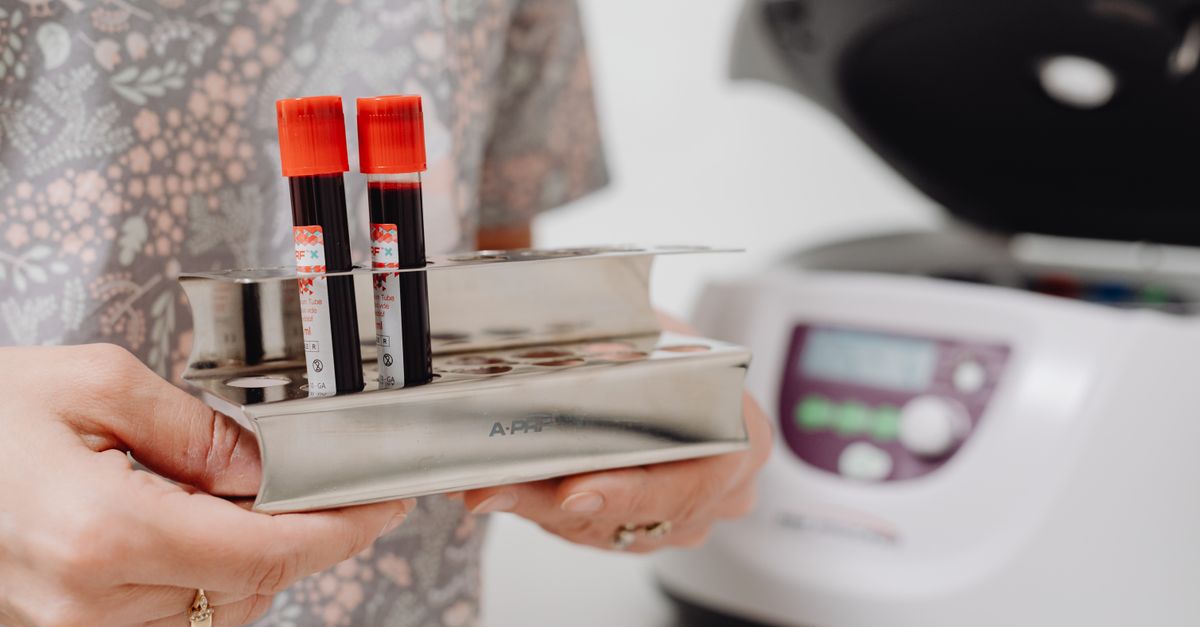
What Is an Optimal ESR Level? Ranges, Warning Signs, and Targeted Support
The erythrocyte sedimentation rate — better known as ESR — is one of the oldest and most frequently ordered inflammatory markers in clinical medicine. First described in the early twentieth century, it measures how quickly red blood cells settle to the bottom of a test tube over one hour. The faster they fall, the more inflammatory proteins are present in the blood, and the higher your ESR climbs.
Despite being decades old, ESR remains a front-line screening tool for systemic inflammation, autoimmune disease, and chronic infection — and it often appears on routine blood panels alongside C-reactive protein (CRP), complete blood count, and thyroid markers. Yet many people receive their ESR number with little context beyond whether it falls inside a wide laboratory reference range. That range, in most labs, runs from 0–20 mm/hr for men under 50 and 0–30 mm/hr for women under 50, widening further with age — boundaries calibrated for disease detection, not optimization.
So what is an optimal ESR level, and how does it differ from simply being 'normal'? This article breaks down the science, explains the warning signs of a trending ESR, and outlines the nutritional and lifestyle strategies most supported by clinical evidence.
---
Understanding the ESR Test: How It Works and Why It Matters
When inflammation is present in the body, the liver releases acute-phase proteins — most notably fibrinogen and immunoglobulins. These proteins coat red blood cells and cause them to clump together (a process called rouleaux formation), increasing their mass and causing them to sink faster. The result: a higher ESR reading.
ESR is considered a nonspecific marker, meaning a high reading tells you that inflammation exists somewhere — not necessarily where or why. It can be elevated by:
- Autoimmune conditions (rheumatoid arthritis, lupus, inflammatory bowel disease)
- Chronic infections (tuberculosis, endocarditis, osteomyelitis)
- Malignancies (multiple myeloma, lymphoma)
- Thyroid disorders, including Hashimoto's thyroiditis
- Anemia and kidney disease
- Physiological states like pregnancy
Because of this breadth, ESR is most useful when interpreted alongside other markers — CRP (which rises and falls faster and is more sensitive to acute changes), ferritin, complete metabolic panel, and, critically, thyroid markers such as TSH, free T3, free T4, and thyroid antibodies.
---
Optimal vs. Reference Range: What the Numbers Really Mean
Standard laboratory reference ranges are designed to capture 95% of a 'healthy' population. But population-level averages include sedentary adults, people with subclinical inflammation, and individuals with undiagnosed metabolic dysfunction. An ESR of 28 mm/hr in a 45-year-old woman is technically within range — but functional medicine practitioners and researchers increasingly treat anything above 10–15 mm/hr as worth monitoring.
| Population | Standard Lab Range | Functional Optimal Range |
|---|---|---|
| Men < 50 | 0–15 mm/hr | < 10 mm/hr |
| Men ≥ 50 | 0–20 mm/hr | < 15 mm/hr |
| Women < 50 | 0–20 mm/hr | < 12 mm/hr |
| Women ≥ 50 | 0–30 mm/hr | < 20 mm/hr |
A landmark population study published in Annals of Internal Medicine (Zacho et al., 2008; PMID: 18711154) demonstrated that even modestly elevated CRP — a close proxy of the inflammatory milieu ESR reflects — was independently associated with ischemic heart disease risk in the general population, underscoring why 'within range' and 'optimal' are not synonymous.
A persistently elevated ESR — particularly trending upward across multiple measurements — warrants investigation even when it hasn't crossed the formal upper limit of normal.
---
Warning Signs: When a High ESR Demands Attention
A single mildly elevated ESR, isolated from other findings, may simply reflect a recent infection, transient stress, or a short-lived inflammatory trigger. The following patterns, however, indicate a need for deeper investigation:
- ESR > 40 mm/hr persistently — strongly suggests active systemic disease or significant autoimmune activity
- ESR > 100 mm/hr — considered dramatically elevated; associated with serious infection, malignancy, or severe autoimmune flare
- ESR trending upward across quarterly panels — even within 'normal' range, a consistent rise is a signal worth acting on
- Elevated ESR alongside elevated thyroid antibodies — suggests autoimmune thyroid involvement (see below)
- Elevated ESR with abnormal TSH or free thyroid hormones — may indicate thyroiditis-driven systemic inflammation
Symptoms that commonly accompany a high ESR include unexplained fatigue, joint stiffness, low-grade fever, unintentional weight loss, and brain fog — all signs that chronic inflammation is exerting a systemic burden.
---
What Is an Optimal TSH Level? The ESR–Thyroid Connection
Thyroid dysfunction and elevated ESR frequently co-occur, making thyroid markers essential context when interpreting inflammatory labs. TSH (thyroid-stimulating hormone) is the pituitary's signal to the thyroid gland; when thyroid output is low, TSH rises, and vice versa.
Conventional lab ranges place TSH between 0.5–4.5 mIU/L, but functional practitioners and growing clinical evidence suggest a narrower optimal window of 1.0–2.5 mIU/L for adults without thyroid disease. A large analysis published in The Journal of Clinical Endocrinology & Metabolism (Gharib et al., 2010; PMID: 20525916) found that TSH values above 2.5 mIU/L were associated with increased lipid abnormalities and cardiovascular risk factors — even when technically 'normal'.
More importantly for ESR, Hashimoto's thyroiditis — an autoimmune condition causing chronic thyroid inflammation — is a well-documented driver of persistently elevated sedimentation rates. The immune attack on thyroid tissue generates an acute-phase response that directly raises ESR. This is why no ESR workup is complete without thyroid antibody testing.
---
What Is an Optimal Thyroid Antibodies Level?
Thyroid antibodies — specifically anti-thyroid peroxidase (anti-TPO) and anti-thyroglobulin (anti-TG) antibodies — are the primary markers of autoimmune thyroid disease. Standard labs flag anti-TPO above 35 IU/mL as positive, though many integrative practitioners consider any detectable level worth monitoring in the context of symptoms.
Optimal thyroid antibody levels are effectively as low as possible — ideally undetectable or below 10 IU/mL. Even borderline elevations in anti-TPO have been associated with a 3–5× increased risk of developing overt hypothyroidism over a 10-year period (Vanderpump et al., Clinical Endocrinology 1995; PMID: 7554356).
When thyroid antibodies are elevated alongside a high ESR, the clinical picture strongly suggests active autoimmune thyroiditis. Selenium is the most studied nutritional intervention for reducing thyroid antibody burden: a randomized trial (Toulis et al., Thyroid 2010; PMID: 20883174) of 200 patients found that 200 mcg/day of selenomethionine significantly reduced anti-TPO antibody levels and improved quality of life in Hashimoto's patients over 12 months.
---
What Is an Optimal Free T4 Level?
Free T4 (thyroxine) is the thyroid gland's primary hormonal output — a largely inactive prohormone that peripheral tissues convert into the active form, free T3. Conventional reference ranges for free T4 run from approximately 0.8–1.8 ng/dL, but optimal function is typically associated with the upper half of that range: 1.1–1.5 ng/dL.
Low free T4 — even within normal range — is associated with increased fatigue, cold intolerance, slower metabolism, and importantly, a more pronounced inflammatory state. Research published in European Journal of Endocrinology (Rodondi et al., 2010; PMID: 20164202) demonstrated that subclinical hypothyroidism — characterized by elevated TSH with low-normal free T4 — was independently associated with increased cardiovascular events and all-cause mortality in older adults.
From an ESR perspective, a thyroid gland that is underperforming metabolically may contribute to sluggish immune regulation, allowing inflammatory markers to trend upward. Interpreting free T4 alongside ESR gives a clearer picture of whether systemic inflammation has a thyroid driver.
---
What Is an Optimal Free T3 Level?
Free T3 (triiodothyronine) is the biologically active thyroid hormone — the form that actually binds to cellular receptors and drives metabolic rate, energy production, and immune modulation. Standard reference ranges place free T3 between 2.3–4.2 pg/mL, with optimal levels often cited in the upper third: 3.2–4.2 pg/mL.
Low free T3 is particularly common in people with chronic systemic inflammation — a phenomenon known as 'low T3 syndrome' or 'euthyroid sick syndrome.' The mechanism is bidirectional: inflammation suppresses the conversion of T4 to active T3 (by downregulating the enzyme deiodinase), while low T3 itself impairs immune regulation and worsens the inflammatory cycle (Fliers et al., European Journal of Endocrinology 2015; PMID: 25972358).
This bidirectional relationship is clinically critical: a person with a normal TSH and T4 but persistently low free T3 may still be experiencing the full metabolic consequences of hypothyroid physiology — and may also be showing elevated ESR as a downstream consequence. Tracking free T3 alongside ESR offers far more actionable insight than either marker alone.
---
Lifestyle and Nutritional Strategies to Support Optimal ESR
Before turning to supplementation, it's worth noting that lifestyle factors have some of the strongest evidence for modulating chronic inflammatory markers:
- Anti-inflammatory diet (Mediterranean pattern): A systematic review of 17 randomized trials found significant reductions in CRP and ESR with Mediterranean dietary adherence (Schwingshackl & Hoffmann, Annals of Nutrition & Metabolism 2014; PMID: 25230116).
- Regular aerobic exercise: Moderate-intensity exercise 3–5 days per week consistently reduces systemic inflammatory burden.
- Sleep optimization: Poor sleep duration and quality independently elevate inflammatory markers.
- Stress reduction: Chronic cortisol elevation via HPA axis dysregulation sustains a low-grade inflammatory state.
- Weight management: Adipose tissue is metabolically active — visceral fat releases pro-inflammatory cytokines (adipokines) that directly elevate ESR.
---
What This Means for Your Formula
When Ones analyzes a blood panel that includes elevated ESR — particularly alongside thyroid markers that fall outside optimal ranges — the AI health practitioner identifies the most likely inflammatory drivers and selects ingredients calibrated to address them.
For cases involving elevated thyroid antibodies and ESR, the formulation may include:
- Omega-3 (EPA/DHA): At clinical doses of 2–4 grams per day, omega-3 fatty acids have demonstrated consistent reductions in pro-inflammatory eicosanoids and CRP. A meta-analysis of 68 trials confirmed significant reductions in inflammatory markers with omega-3 supplementation (Calder, Nutrition Reviews 2012).
- Thyroid Support System Blend: Ones' proprietary Thyroid Support formulation is designed for individuals whose panels reflect early or subclinical thyroid dysfunction alongside elevated inflammatory markers. It combines nutrients that support thyroid hormone synthesis and conversion, including selenomethionine at the clinically validated 200 mcg dose used in the Toulis 2010 Hashimoto's trial.
- Vitamin D3 + K2 (MK-7): Vitamin D deficiency is strongly correlated with elevated inflammatory markers and autoimmune thyroid disease. Ones includes D3 paired with MK-7 at doses calibrated to your serum 25-OH-D result — not a one-size-fits-all 2,000 IU. Research from the Vitamin D Council and multiple RCTs supports the role of optimized D status in reducing anti-TPO antibody levels over time.
If your panel shows elevated ESR without clear thyroid involvement, Ones may instead prioritize its Adrenal Support blend for stress-driven inflammation or target gut-driven systemic inflammation through ingredients matched to your specific findings. You can learn more about how inflammatory lab markers connect to supplement protocols and how thyroid lab results inform personalized formulas.
---
Key Takeaways
- Optimal ESR is lower than 'normal': Functional targets of < 10–12 mm/hr for adults under 50 are more meaningful for long-term health than standard lab upper limits.
- ESR is a nonspecific signal — always interpret it alongside CRP, thyroid markers (TSH, free T3, free T4, antibodies), ferritin, and metabolic labs.
- Thyroid dysfunction and ESR are tightly linked: Hashimoto's thyroiditis is a common but overlooked driver of elevated ESR, and thyroid antibody testing is essential context.
- Selenium at 200 mcg/day has the strongest clinical evidence for reducing thyroid antibody burden and may indirectly support ESR normalization in autoimmune thyroid disease.
- Free T3 and ESR share a bidirectional relationship — chronic inflammation suppresses T4-to-T3 conversion, worsening both thyroid and inflammatory status simultaneously.
- Personalized supplementation matters: A formula built from your actual lab data — as Ones constructs — addresses root inflammatory drivers rather than applying a generic anti-inflammatory protocol.
This article is for educational purposes only. Always consult a licensed healthcare provider before making changes to your supplement regimen or interpreting lab results for medical decisions.