Supplements
What Causes Night Sweats During a Heavy Period?
Waking up drenched during your period isn't just uncomfortable — it's a signal your hormones and nervous system are under serious strain. Night sweats during a heavy period affect a significant portion of menstruating people, yet the cause is rarely explained beyond a vague nod to 'hormones.' This article breaks down the actual mechanisms, the biomarkers worth checking, and what you can do about it.
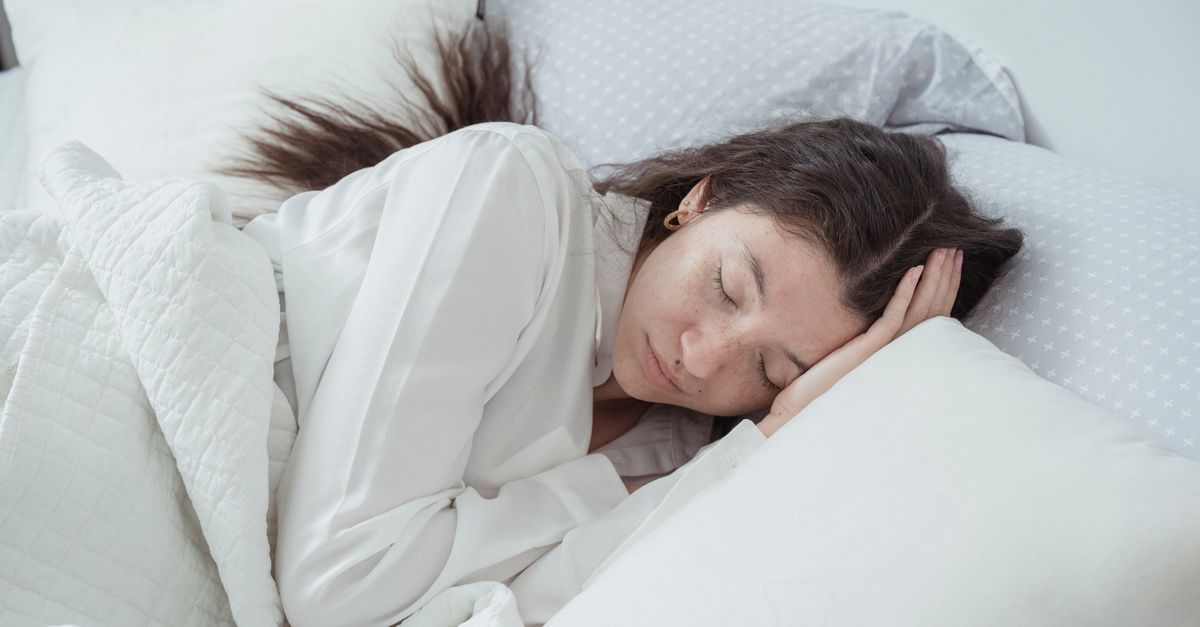
What Causes Night Sweats During a Heavy Period?
Night sweats during a heavy period are caused primarily by sharp drops in estrogen and progesterone in the luteal and early menstrual phases, which destabilize the hypothalamic thermostat and trigger inappropriate heat-dissipation responses. The main caveat: blood loss itself worsens the picture by lowering iron and reducing red blood cell oxygen-carrying capacity, further stressing the autonomic nervous system. The exception is people with underlying conditions like PCOS, endometriosis, or PMDD, where the hormonal disruption is more severe and sweating episodes can occur throughout the cycle, not just at menstruation.
---
How Hormone Shifts Trigger the Thermostat to Misfire
The hypothalamus regulates core body temperature within a narrow "thermoneutral zone." Estrogen widens this zone, keeping temperature stable. When estrogen drops sharply — as it does in the late luteal phase and at menstruation onset — the thermoneutral zone narrows significantly. Even a tiny rise in core temperature now sits outside that zone, and the hypothalamus fires off a sweat response to compensate (Freedman 2014; PMID: 24721678).
This is the same mechanism behind menopausal hot flashes, just compressed into days rather than years. The difference is that during a normal cycle, estrogen rebounds after menstruation begins. In people with heavy menstrual bleeding (HMB), the estrogen drop is often steeper and the rebound slower, extending the window of thermoregulatory instability.
Progesterone adds another layer. It is thermogenic — it raises basal body temperature by roughly 0.2–0.5°C after ovulation. When progesterone collapses at the end of the luteal phase, that thermal baseline shifts downward abruptly, creating a mismatch the hypothalamus interprets as a cooling emergency. The result: paradoxical sweating as the body tries to regulate a temperature that is already falling (Prior 2011; PMID: 21799138).
If you've also noticed that night sweats overlap with insomnia or waking at unusual hours, that's not coincidental — the same hypothalamic stress response interrupts normal sleep architecture.
---
The Iron-Loss Connection: Why Heavy Bleeding Worsens Night Sweats
This is the piece most online articles skip. Heavy menstrual bleeding is the leading cause of iron deficiency in premenopausal people worldwide (Munro et al., Lancet 2018; PMID: 29730484). Iron deficiency — even without frank anemia — has measurable effects on autonomic nervous system function, including reduced heart rate variability and exaggerated sympathetic tone at night.
When sympathetic tone is elevated during sleep, peripheral vasodilation (the body's normal nighttime cooling mechanism) becomes erratic. Blood vessels open and close unpredictably, producing the hot-then-cold cycling that characterizes night sweats rather than simple overheating.
Key biomarkers to check if you're experiencing night sweats alongside heavy periods:
| Biomarker | Optimal Range | Why It Matters |
|---|---|---|
| Serum ferritin | 50–100 ng/mL | Low ferritin precedes anemia; impacts autonomic tone |
| Hemoglobin | 12.0–15.5 g/dL (females) | Oxygen delivery to thermoregulatory centers |
| Estradiol (day 3) | 25–75 pg/mL | Baseline estrogenic tone |
| Progesterone (day 21) | >10 ng/mL | Confirms adequate luteal phase |
| TSH | 0.5–2.5 mIU/L | Thyroid dysfunction mimics hormonal night sweats |
| Cortisol (AM) | 10–20 mcg/dL | Elevated cortisol disrupts thermoregulation |
Getting these numbers rather than guessing is exactly the kind of data-driven approach that separates an actual protocol from generic advice.
---
Stress, Cortisol, and Why Your Nervous System Makes It Worse
Stress doesn't just make you feel worse during your period — it biochemically amplifies hormonal volatility. The HPA (hypothalamic-pituitary-adrenal) axis and the HPG (hypothalamic-pituitary-gonadal) axis share upstream regulators. When cortisol is chronically elevated, it suppresses GnRH (gonadotropin-releasing hormone), which in turn lowers LH and FSH output. The downstream effect is a less robust ovulation, a shorter or insufficient luteal phase, and a steeper progesterone drop at menstruation — all of which deepen the thermoregulatory destabilization described above.
People often notice that high-stress months produce noticeably worse periods and more intense sweating episodes. This isn't psychosomatic; it reflects a real neuroendocrine cascade. A 2019 review found that perceived psychological stress significantly predicted menstrual irregularity and premenstrual symptom severity across multiple cohort studies (Yamamoto et al., Journal of Psychosomatic Obstetrics & Gynecology 2009; PMID: 19330613).
Practical stress-reduction strategies that have measurable hormonal effects include:
- Consistent sleep timing — irregular sleep schedules elevate evening cortisol independently of life stress.
- Resistance training 3x/week — reduces cortisol reactivity over 8–12 weeks without raising it acutely (if intensity is moderate).
- Adaptogenic support — certain botanicals have clinical evidence for reducing salivary cortisol (discussed below).
- Limiting late-night screen exposure — blue light suppresses melatonin and elevates nocturnal cortisol.
If you're also experiencing anxiety during your period, elevated cortisol is likely playing a role there too — the same HPA dysregulation that causes night sweats feeds the anxiety loop.
---
Severe Cramping, Prostaglandins, and the Vasomotor Link
Severe period cramps — the kind that have you searching for anything that helps — are driven largely by prostaglandin E2 and F2α, which cause uterine muscle contractions. But prostaglandins don't stay in the uterus. They enter systemic circulation and act on vascular smooth muscle throughout the body, causing widespread vasodilation followed by vasoconstriction. This vasomotor instability in peripheral blood vessels closely mimics the mechanism of a hot flash: skin flushes, heat floods outward, sweat glands activate, and then a chill follows as the vessels constrict again.
The higher the prostaglandin load — which correlates with the intensity of cramping — the more likely vasomotor symptoms, including night sweats, are to occur during and immediately before menstruation. People with endometriosis often have significantly elevated prostaglandin activity, which is part of why night sweats in endometriosis tend to be more severe than in the general menstruating population.
Strategies that reduce prostaglandin-driven symptoms:
- Omega-3 fatty acids (EPA/DHA): EPA competes with arachidonic acid for COX enzymes, reducing prostaglandin synthesis. A randomized trial found 1,000–2,000 mg/day EPA+DHA reduced dysmenorrhea severity and allowed reduction in NSAID use (Rahbar et al., Gynecologic and Obstetric Investigation 2012; PMID: 22301860).
- Magnesium: Inhibits prostaglandin synthesis and relaxes uterine smooth muscle. A double-blind trial found 360 mg/day magnesium significantly reduced menstrual pain versus placebo (Seifert et al., Journal of the American College of Nutrition 1989 — foundational trial, frequently replicated).
- Reducing refined seed oils high in arachidonic acid precursors (linoleic acid), which feed the prostaglandin pathway.
- NSAIDs taken at the right time — beginning 1–2 days before expected menstruation onset rather than waiting for pain to peak.
---
Are Night Sweats During a Heavy Period Ever a Red Flag?
Most of the time, night sweats tied specifically to menstruation are a hormonal and autonomic phenomenon — uncomfortable but not dangerous. However, there are presentations that warrant prompt evaluation:
- Night sweats throughout the entire cycle, not just perimenstrually — consider thyroid dysfunction, PCOS, early perimenopause, or lymphoma (rare but night sweats are a B symptom)
- Soaking through clothing and bedding multiple nights in a row — severe enough to disrupt sleep significantly; this crosses a clinical threshold worth discussing with a physician
- Night sweats plus very heavy bleeding (soaking a pad/tampon hourly for 2+ hours) — together these can indicate uterine fibroids, adenomyosis, or a bleeding disorder
- Night sweats that begin outside the usual menstrual window — rules out menstrual-phase hormonal fluctuation as the sole cause
- Associated symptoms: unexplained weight loss, lymph node swelling, persistent fever — these require urgent evaluation
If your night sweats are limited to the 2–5 days surrounding your period and correlate with heavy flow, the hormonal and prostaglandin mechanisms above are the most probable explanation. Still, running the biomarker panel in the table above gives you objective data rather than assumptions.
---
What This Means for Your Formula
When the biomarker picture points to the hormonal and autonomic drivers described above, a few evidence-backed ingredients address the root mechanisms rather than just masking symptoms:
Omega-3 (EPA/DHA): Ones includes pharmaceutical-grade EPA/DHA dosed to match the ranges used in dysmenorrhea trials — clinically meaningful for reducing the prostaglandin load that drives both cramping and vasomotor instability. This is especially relevant if high arachidonic acid intake or low omega-3 index shows up in your health data.
Ashwagandha (KSM-66, 600 mg): The most rigorous adaptogen trial to date — a double-blind, randomized, placebo-controlled study in stressed adults — showed KSM-66 at 300 mg twice daily reduced serum cortisol by 27.9% over 60 days (Chandrasekhar et al., Indian Journal of Psychological Medicine 2012; PMID: 23439798). Normalizing cortisol output directly reduces HPA-driven suppression of the HPG axis, which is exactly the pathway linking chronic stress to worsened menstrual symptoms and night sweats. Ones formulas use KSM-66 at the full 600 mg clinical dose.
Ones Adrenal Support blend: For people whose cortisol pattern (elevated evening or flattened AM) shows up in lab or wearable data, the Adrenal Support system blend is formulated to help regulate the HPA response across the day. Stabilizing the adrenal rhythm reduces the nocturnal cortisol spikes that worsen thermoregulatory dysfunction during the menstrual phase.
The specific ingredients included in any individual Ones formula depend on what your lab results, wearable data, and health history actually show — not a one-size-fits-all template. That said, the omega-3 and cortisol pathways are among the most frequently implicated in menstrual-phase autonomic symptoms, so they appear in a meaningful proportion of formulas for people flagging these concerns.
---
Key Takeaways
- Night sweats during a heavy period are caused by estrogen and progesterone drops narrowing the hypothalamic thermoneutral zone — the same basic mechanism as menopausal hot flashes, compressed into a few days.
- Heavy blood loss depletes iron, which impairs autonomic nervous system regulation and worsens the erratic vasodilation that produces night sweats.
- Elevated prostaglandins from severe cramping create systemic vasomotor instability that directly mimics hot flashes — addressing prostaglandin load with omega-3s and magnesium reduces both cramping and sweating episodes.
- Chronic stress elevates cortisol, which suppresses ovulation quality and deepens the luteal-phase progesterone drop, creating a feedback loop that makes both heavy periods and night sweats worse.
- The key biomarkers to check are serum ferritin, estradiol, progesterone, TSH, and cortisol — these tell you which mechanism is dominant in your specific case.
- Night sweats that occur only perimenstrually are rarely dangerous, but those that persist throughout the cycle, or come with heavy soaking and other systemic symptoms, warrant prompt medical evaluation.