Supplements
What Does FSH Tell You About Your Hormones?
FSH — follicle-stimulating hormone — is one of the most information-dense numbers on a hormone panel. A single out-of-range value can signal anything from early menopause to pituitary dysfunction to declining testosterone production, yet most people never learn what their FSH result actually means until something goes wrong.
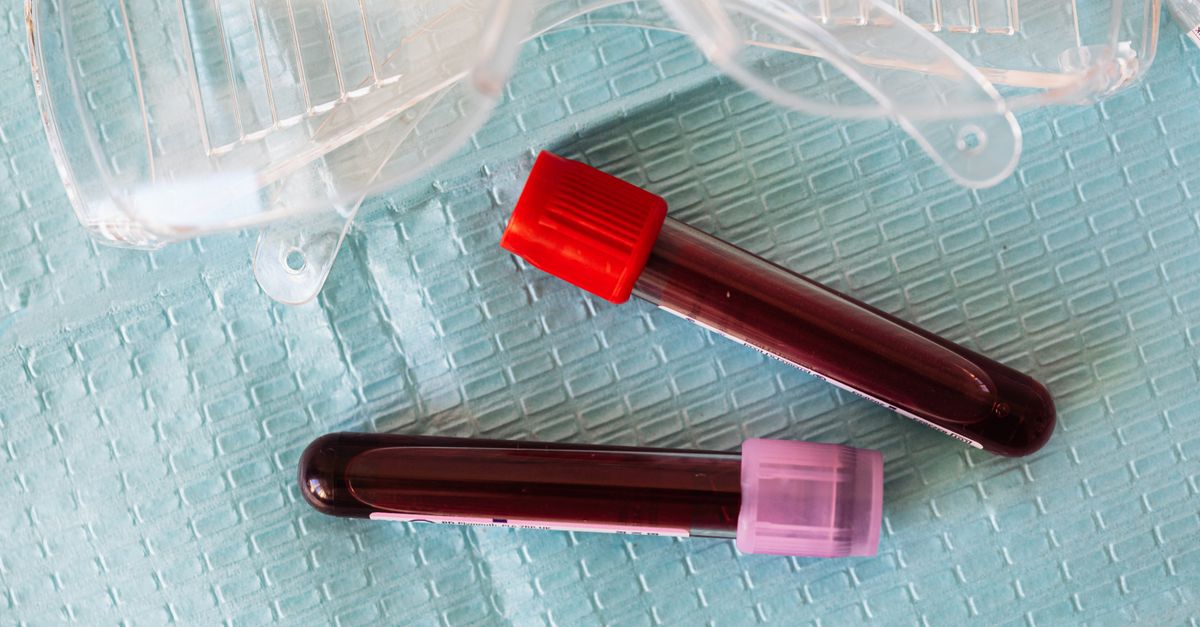
What Does FSH Tell You About Your Hormones?
FSH (follicle-stimulating hormone) tells you how hard your pituitary gland is working to drive your reproductive system. High FSH usually signals that the gonads are underperforming — ovaries or testes are not responding normally — while low FSH points to pituitary or hypothalamic suppression. The exception: FSH is unreliable in isolation; it must always be read alongside LH, estradiol, and testosterone for clinical meaning.
---
What FSH Actually Does in Your Body
FSH is a glycoprotein hormone released by the anterior pituitary gland in response to gonadotropin-releasing hormone (GnRH) from the hypothalamus. Its job differs by sex:
- In people with ovaries: FSH stimulates the growth and maturation of ovarian follicles each cycle. Rising FSH recruits follicles; a surge triggers final maturation alongside LH.
- In people with testes: FSH acts on Sertoli cells to support sperm production (spermatogenesis). It does not directly drive testosterone synthesis — that is LH's role — but it is essential for sperm quality and count.
FSH operates within a classic negative-feedback loop. When estradiol or inhibin B rise (signals that follicles or Sertoli cells are functioning well), FSH drops. When those signals weaken — as ovarian reserve declines or testicular function falls — FSH climbs. This feedback relationship makes FSH one of the most sensitive early-warning markers in endocrine health.
Understanding what estradiol tells you about your hormones is essential context here, because estradiol is the primary suppressor of FSH in the follicular phase.
---
FSH Reference Ranges: What the Numbers Mean
| Life Stage / Sex | Typical FSH Range (mIU/mL) | Clinical Interpretation |
|---|---|---|
| Reproductive-age (follicular phase) | 3–10 | Normal ovarian signaling |
| Ovulatory peak | 6–17 | LH surge context needed |
| Luteal phase | 1–7 | Progesterone dominant phase |
| Perimenopause | 10–20+ | Declining ovarian reserve |
| Post-menopause | 25–135 | Ovaries no longer responding |
| Adult males | 1.5–12.4 | Supports spermatogenesis |
| Male hypogonadism (primary) | >12 (often >18) | Testicular failure |
| Male hypogonadism (secondary) | <1.5 | Pituitary/hypothalamic issue |
These ranges vary by laboratory and assay. Always interpret your result against your lab's specific reference interval and in the context of your full panel.
It is also worth looking at what LDL tells you about your hormones, since the cholesterol-steroidogenesis connection means FSH and sex hormone patterns rarely exist in metabolic isolation.
---
High FSH: What It Usually Means
Elevated FSH is the pituitary's way of shouting louder because the gonads are not answering. The most common causes include:
- Diminished ovarian reserve (DOR): Fewer remaining follicles means less inhibin B feedback, so FSH rises. An FSH above 10–12 mIU/mL on cycle day 3 is a clinical flag for reduced fertility potential (Broekmans et al., Human Reproduction Update 2009; PMID: 19028774).
- Primary ovarian insufficiency (POI): FSH persistently above 25 mIU/mL before age 40 on two occasions 4+ weeks apart meets diagnostic criteria for POI (Nelson, New England Journal of Medicine 2009; PMID: 19516030).
- Natural menopause: FSH climbs sharply as estradiol falls. Post-menopausal FSH above 25–40 mIU/mL is expected and not a pathological finding in that life stage.
- Primary male hypogonadism (Klinefelter syndrome, testicular damage, mumps orchitis): Testes fail to produce adequate testosterone and inhibin B, causing FSH and LH to rise in compensation.
- Post-chemotherapy or radiation: Gonadotoxic treatments frequently damage Sertoli and granulosa cells, raising FSH even in otherwise healthy young adults.
---
Low FSH: When the Signal Is Missing
Low FSH means the pituitary is not sending the signal — or cannot. This is termed central hypogonadism or hypogonadotropic hypogonadism, and the causes include:
- Hypothalamic amenorrhea (energy deficit, excessive exercise, psychological stress)
- Hyperprolactinemia (elevated prolactin suppresses GnRH)
- Pituitary adenoma or Sheehan's syndrome
- Chronic opioid or anabolic steroid use (exogenous androgens shut down the HPG axis)
- Kallmann syndrome (genetic GnRH deficiency)
In men, low FSH alongside low testosterone is the hormonal fingerprint of secondary hypogonadism — the problem is upstream, not in the testes themselves.
Elevated cortisol levels are also a common driver of suppressed FSH, since chronic HPA axis activation inhibits GnRH pulsatility at the hypothalamic level.
---
FSH, AMH, and Ovarian Reserve: The Complete Picture
FSH alone is an incomplete marker of ovarian reserve. Anti-Müllerian hormone (AMH) is now considered a more stable and sensitive indicator because it does not fluctuate across the menstrual cycle the way FSH does. However, the two markers provide complementary information:
- High FSH + Low AMH: Strong signal of reduced ovarian reserve — these findings together carry more clinical weight than either alone.
- Normal FSH + Low AMH: Early-stage reserve decline; FSH has not yet risen because remaining follicles are still producing enough inhibin B to suppress it.
- High FSH + Normal AMH: Rare; may suggest a transient FSH spike (illness, stress) rather than true reserve reduction — worth repeating the test.
For a deeper dive into AMH as a standalone marker, what Anti-Müllerian Hormone tells you about your hormones covers its clinical utility in both fertility assessment and ovarian aging.
---
FSH in Male Health: Spermatogenesis and Beyond
In male physiology, FSH is frequently overlooked in favor of testosterone — but this is a clinical error. FSH drives the Sertoli cells that physically support and nourish developing sperm. A man can have normal testosterone but severely impaired FSH signaling that results in azoospermia or oligospermia.
Key FSH patterns in male hormone panels:
| Pattern | Likely Diagnosis | Action |
|---|---|---|
| High FSH + Low testosterone | Primary hypogonadism | Refer to endocrinology |
| Low FSH + Low testosterone | Secondary hypogonadism | Evaluate pituitary, check prolactin |
| High FSH + Normal testosterone | Isolated Sertoli cell dysfunction | Semen analysis essential |
| Normal FSH + Low testosterone | LH deficiency more likely | Check LH, SHBG, free testosterone |
SHBG directly modulates how much testosterone is bioavailable and therefore how the HPG axis calibrates FSH output — what SHBG tells you about your hormones is worth reading alongside any FSH result in a male panel.
---
Lifestyle, Diet, and Nutritional Factors That Affect FSH
FSH is sensitive to metabolic and nutritional status. The following factors are supported by clinical evidence:
Body composition: Adipose tissue aromatizes androgens to estrogens, chronically elevating estradiol and suppressing FSH. Obesity is associated with lower FSH in reproductive-age individuals, contributing to anovulation and subfertility (Pasquali et al., Human Reproduction 2003; PMID: 12721163).
Zinc: Zinc is essential for GnRH pulsatility. Zinc deficiency in males reduces FSH secretion and impairs spermatogenesis. Supplementation studies show that correcting deficiency restores FSH toward normal ranges (Prasad et al., Nutrition 1996; PMID: 8862535). The article on what zinc tells you about your hormones covers the full zinc-testosterone-FSH axis in detail.
Chronic stress and cortisol: As noted above, elevated cortisol suppresses GnRH pulsatility, secondarily lowering FSH. This is the hormonal pathway through which chronic psychological or physiological stress disrupts menstrual cycles and reduces male fertility.
Omega-3 fatty acids: A 2012 randomized trial in subfertile men found that omega-3 supplementation (specifically EPA and DHA) significantly improved sperm motility and FSH-to-LH ratios, with favorable effects on overall gonadotropin balance (Safarinejad, Journal of Dietary Supplements 2011; PMID: 22432773).
Vitamin D: Vitamin D receptors are expressed on granulosa cells and Sertoli cells. Deficiency is associated with lower AMH, disrupted FSH responsiveness, and reduced fertility in both sexes (Lerchbaum and Obermayer-Pietsch, European Journal of Endocrinology 2012; PMID: 22275473).
---
What This Means for Your Formula
FSH is a downstream marker — it reflects how well your HPG axis is functioning, and that function depends heavily on micronutrient status, inflammation, stress hormones, and metabolic health. Rather than targeting FSH directly (which no supplement can safely do), the evidence-based approach is to optimize the upstream drivers.
Here is how Ones addresses the nutritional factors most clinically relevant to FSH and HPG axis health:
Zinc (30mg elemental, as zinc bisglycinate): Ones includes zinc dosed at the clinical range used in deficiency-correction studies. In men with low zinc status, supplementation has been shown to restore FSH pulsatility and improve sperm parameters. Ones AI flags zinc status from blood panel data before including it in a formula — avoiding unnecessary supplementation in those already replete.
Vitamin D3 + K2 (MK-7): Ones pairs D3 with MK-7 for absorption and cardiovascular safety. Given the strong correlation between vitamin D deficiency and impaired FSH responsiveness documented in the Lerchbaum 2012 European Journal of Endocrinology review, correcting D deficiency is a priority step for anyone with FSH abnormalities and low 25-OH-D.
Omega-3 (EPA + DHA from triglyceride-form fish oil): The gonadotropin-balancing data from Safarinejad's 2011 randomized trial is one reason Ones includes EPA/DHA in formulas where the AI identifies metabolic or inflammatory contributors to suboptimal reproductive hormone patterns.
For stress-driven FSH suppression — particularly hypothalamic amenorrhea patterns or cortisol-mediated HPG axis inhibition — the Ones Adrenal Support blend and KSM-66 Ashwagandha (600mg) may be included based on the user's cortisol data and health history. The formula is built from your lab results, not a generic template.
---
Key Takeaways
- FSH is a pituitary signal, not a gonadal one. High FSH means your gonads are underresponding; low FSH means the upstream signal is suppressed.
- Day-3 FSH above 10–12 mIU/mL is a clinical flag for diminished ovarian reserve, but it must be interpreted alongside AMH, estradiol, and antral follicle count.
- In men, FSH reflects Sertoli cell function and spermatogenesis, not testosterone production — a normal testosterone does not rule out FSH-driven infertility.
- Zinc, vitamin D, and omega-3 status are the three most evidence-backed nutritional variables influencing FSH pathway health in both sexes.
- Chronic cortisol elevation suppresses FSH via GnRH inhibition — managing stress physiology is a legitimate and often underestimated lever for HPG axis recovery.
- FSH should never be read in isolation. Pair it with LH, estradiol, AMH (ovarian panels), or testosterone and SHBG (male panels) for meaningful clinical interpretation.
---
This article is for educational purposes only and does not constitute medical advice. Consult a qualified healthcare provider before making changes to your supplement regimen or interpreting hormone lab results.