Supplements
What Does Estradiol Tell You About Your Hormones?
Estradiol is far more than a reproductive hormone — it's a master regulator of bone density, cardiovascular function, mood, and metabolism. A single number on a lab panel can reveal dysfunction across multiple body systems. Here's what your estradiol level is actually telling you, and what to do about it.
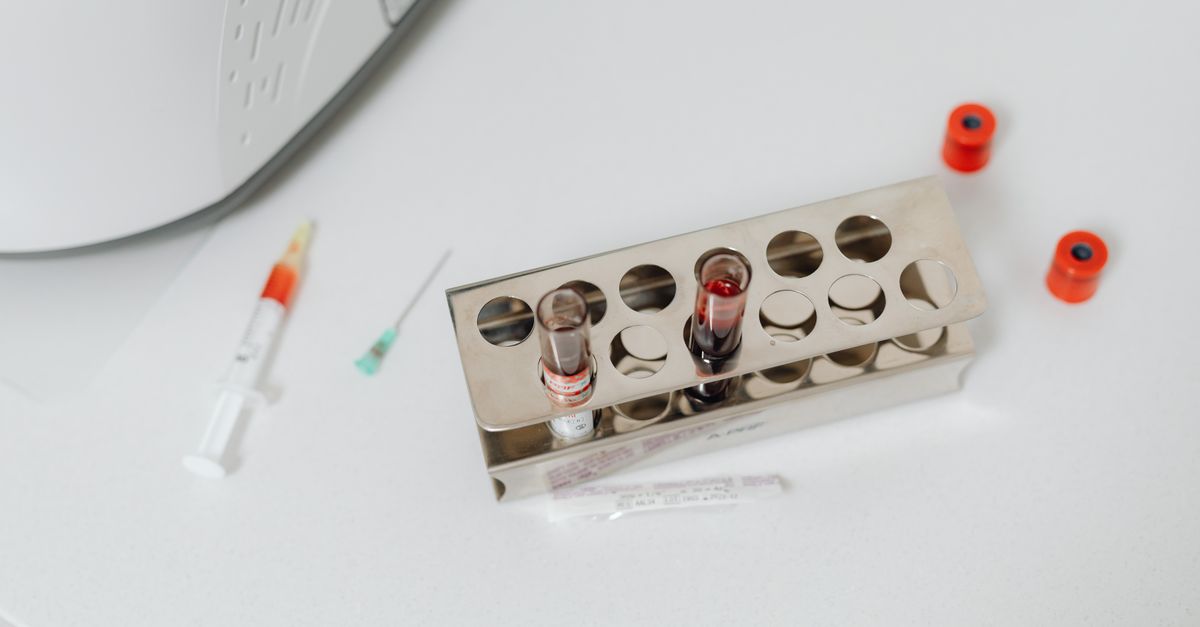
What Does Estradiol Tell You About Your Hormones?
Estradiol (E2) is the most potent naturally occurring estrogen and the dominant form during reproductive years. Elevated or suppressed levels signal dysfunction in the ovarian-pituitary-hypothalamic axis, adrenal output, liver clearance, or adipose tissue metabolism. The exception is pregnancy and perimenopause, where dramatic swings are physiologically normal — context is everything when interpreting E2.
---
What Is Estradiol and Why Does It Matter?
Estradiol belongs to the estrogen family alongside estrone (E1) and estriol (E3), but it binds estrogen receptors with roughly 10× the affinity of estrone. Receptors for E2 are expressed in the uterus, breast, brain, bone, heart, liver, skin, and gut — which explains why one hormone can produce such wide-ranging effects when it falls out of range.
In premenopausal people, E2 is produced primarily by the granulosa cells of the ovarian follicle. Levels fluctuate across the menstrual cycle: roughly 20–150 pg/mL in the follicular phase, peaking at 100–400 pg/mL just before ovulation, then declining to 20–150 pg/mL in the luteal phase (Endocrine Society Clinical Practice Guideline; NIH MedlinePlus). After menopause, production shifts to peripheral aromatization of androgens in fat tissue, and levels drop below 30 pg/mL.
Because E2 interacts with sex hormone-binding globulin (SHBG), total estradiol levels don't always reflect how much E2 is biologically active. Understanding your SHBG level is often essential for interpreting E2 accurately.
---
What High Estradiol Levels Can Reveal
High E2 — sometimes called estrogen dominance, though the clinical picture is more nuanced — can have several root causes.
Ovarian overproduction is the most direct driver. Conditions like polycystic ovarian syndrome (PCOS) can produce irregular but sometimes elevated E2 peaks, though PCOS more classically suppresses ovulation and alters the LH/FSH ratio.
Adipose aromatization is increasingly relevant. Fat tissue contains the aromatase enzyme, which converts testosterone and DHEA into estradiol. Higher adipose mass increases aromatase activity, raising E2 even when the ovaries are functioning normally (Couse & Korach, Endocrine Reviews 1999; PMID: 10605625).
Impaired hepatic clearance is a critical and often overlooked mechanism. The liver processes estradiol through Phase I (CYP1A2, CYP3A4) and Phase II (glucuronidation, sulfation) detoxification pathways. If the liver is congested — due to metabolic dysfunction, alcohol, or certain medications — E2 recirculates rather than being excreted. This is why liver markers and estradiol frequently trend together on comprehensive panels.
Gut dysbiosis can also raise effective E2. A subgroup of gut bacteria produce β-glucuronidase, an enzyme that deconjugates estradiol in the colon, allowing it to be reabsorbed rather than excreted. This collection of organisms is sometimes called the "estrobolome" (Kwa et al., Journal of the National Cancer Institute 2016; PMID: 27377034).
Signs that may accompany elevated E2 include breast tenderness, bloating, heavy or irregular periods, mood swings, difficulty losing weight, and in some cases fibroid growth. These symptoms overlap with many other conditions, so lab confirmation matters.
---
What Low Estradiol Levels Can Reveal
Low E2 outside of menopause is a meaningful clinical signal. Common causes include:
- Hypothalamic amenorrhea — driven by undereating, excessive exercise, or chronic psychological stress suppressing GnRH pulsatility
- Primary ovarian insufficiency (POI) — autoimmune or idiopathic loss of follicular reserve before age 40
- Hyperprolactinemia — elevated prolactin suppresses GnRH and therefore E2
- Low body weight — insufficient adipose substrate for peripheral aromatization
The downstream effects of low E2 extend well beyond the reproductive system. Estradiol maintains bone mineral density by inhibiting osteoclast activity; low E2 is a primary driver of accelerated bone loss even in younger women. A landmark study found that each standard deviation decrease in estradiol was associated with a 15% increase in fracture risk in postmenopausal women (Ettinger et al., Annals of Internal Medicine 1998; PMID: 9453410).
Low E2 also affects the cardiovascular system. Estradiol promotes endothelial nitric oxide synthase activity, helping maintain vascular tone and reduce arterial stiffness. Cholesterol levels often shift when estradiol drops, with LDL typically rising and HDL declining — a pattern frequently seen in the menopausal transition.
Cognitive function is another casualty of E2 deficiency. Estrogen receptors are highly expressed in the hippocampus, and low E2 is associated with reduced verbal memory and increased depressive symptoms (Sherwin, Hormones and Behavior 2005; PMID: 15936735).
---
How Estradiol Interacts With Other Hormone Markers
Estradiol never operates in isolation. Interpreting it in context with other biomarkers dramatically improves clinical insight.
| Marker | How It Interacts With E2 |
|---|---|
| SHBG | High SHBG reduces free E2 bioavailability |
| Progesterone | Low progesterone relative to E2 = estrogen dominance pattern |
| FSH | High FSH + low E2 = ovarian insufficiency or menopause |
| LH | LH surge triggers ovulation; disrupted if E2 is chronically low |
| Testosterone | Aromatase converts testosterone → estradiol; high T can raise E2 |
| Cortisol | Chronic cortisol elevation suppresses E2 through HPA-HPG axis crosstalk |
| HDL | E2 upregulates hepatic apoA-I; low E2 = lower HDL |
Cortisol's relationship with estradiol is especially worth understanding. The HPA and HPG axes share upstream regulators; sustained high cortisol effectively downregulates reproductive hormone output. This is one reason chronic stress frequently disrupts the menstrual cycle — it's not psychological, it's hormonal architecture.
HDL levels are also directly influenced by E2. Low HDL can be a downstream signal of estrogen decline, and the two should be read together rather than in separate clinical silos.
---
Estradiol and Confirmed Gynecological Conditions
One area where estradiol lab data carries particular weight is in conditions like endometriosis. Endometriosis lesions express aromatase locally, producing their own E2 supply even when circulating levels appear normal. This local overproduction drives inflammation and lesion growth independent of what a standard blood panel shows.
For those who have gone through the diagnostic journey — biopsies, laparoscopies, years of dismissed symptoms — this biology explains why standard E2 measurements can be misleadingly "normal" even when disease burden is significant (Bulun et al., Endocrine Reviews 2012; PMID: 22383147). Tissue-level estradiol and the inflammatory cascade it drives, not just serum E2, determine symptom severity.
This also explains why treatment strategies that reduce systemic estrogen (GnRH agonists, aromatase inhibitors) can be effective for endometriosis even when serum E2 looks normal — the target is local, not systemic.
If you feel certain something is wrong despite labs returning in range, there are biological reasons your results may not capture the full picture. Validated symptoms and imaging can sometimes tell a more complete story than serum biomarkers alone.
---
Nutritional and Lifestyle Levers That Influence Estradiol
Pharmacological HRT is outside the scope of a supplement article, but several nutritional and lifestyle factors have meaningful, evidence-backed effects on E2 metabolism.
Dietary Fiber and Estrogen Excretion
Fiber binds to deconjugated estrogens in the gut, limiting reabsorption. A high-fiber diet is associated with lower circulating estradiol. Meta-analyses have shown that each 10g/day increase in fiber is associated with a measurable reduction in estrogen bioavailability, particularly in postmenopausal women (Aubertin-Leheudre & Adlercreutz, Journal of Nutrition 2009; PMID: 19190247).
DIM and Cruciferous Compounds
Diindolylmethane (DIM), a compound derived from cruciferous vegetables, shifts estradiol metabolism toward the less proliferative 2-hydroxyestrone pathway and away from the more estrogenic 16α-hydroxyestrone pathway. Clinical trials have documented this metabolic shift at doses of 100–200mg daily.
Omega-3 Fatty Acids
Omega-3s (EPA and DHA) modulate aromatase activity and reduce systemic inflammation, which itself upregulates aromatase. EPA and DHA supplementation has been associated with improved E2 metabolite profiles in several observational and clinical studies.
Magnesium
Magnesium supports Phase II liver detoxification and helps regulate cortisol, the hormone most likely to suppress E2 when chronically elevated. Magnesium glycinate is particularly well-absorbed and avoids the GI side effects of cheaper forms.
Zinc
Zinc is a direct inhibitor of aromatase. In cases where high E2 is driven by excessive aromatization — particularly with elevated body fat — zinc supplementation can meaningfully reduce conversion. Zinc's role in hormone metabolism extends to testosterone, progesterone, and the overall HPG axis.
---
What This Means for Your Formula
Because estradiol interacts with so many body systems — liver clearance, cortisol output, lipid metabolism, bone density — a targeted supplement approach addresses the upstream drivers rather than E2 directly.
At Ones, the AI practitioner analyzes biomarkers including E2, SHBG, cortisol, and lipid panels together, then builds a formula calibrated to your specific pattern of imbalance. Three ingredients that commonly appear in formulas where E2 metabolism is a factor:
Omega-3 (EPA/DHA): Ones uses a clinical-grade fish oil providing meaningful EPA and DHA per dose, targeting the aromatase-inflammation pathway. EPA/DHA at therapeutic doses are associated with favorable shifts in estrogen metabolite ratios.
Magnesium Glycinate: Magnesium supports hepatic Phase II detoxification and helps modulate cortisol output — both directly relevant to E2 clearance and the HPA-HPG axis crosstalk described above. Ones uses the glycinate form for absorption and tolerability.
Liver Support (System Blend): Ones' proprietary Liver Support blend is formulated to support hepatic detoxification pathways — including the Phase I and Phase II processing through which E2 is metabolized and cleared. For individuals showing patterns consistent with impaired estrogen clearance, this blend is often included in the custom formula.
Formulas come in 6 or 9-capsule daily plans, selected by the AI based on your biomarker findings — not by you from a menu.
---
Key Takeaways
- Estradiol is a master regulator of bone density, cardiovascular health, mood, cognition, and reproductive function — not just a "female" or "fertility" hormone.
- High E2 can reflect adipose aromatization, impaired liver clearance, or gut dysbiosis reabsorbing excreted estrogen — not just ovarian overproduction.
- Low E2 raises fracture risk, shifts cholesterol unfavorably, and impairs memory — even in younger individuals with hypothalamic amenorrhea or POI.
- Serum E2 can appear normal even in confirmed disease states like endometriosis, because local tissue aromatase generates its own supply independently of circulation.
- Fiber, Omega-3s, DIM, magnesium, and zinc all have evidence-backed mechanisms for supporting healthy E2 metabolism.
- Estradiol should always be interpreted alongside SHBG, cortisol, progesterone, FSH, and LH — no single number tells the whole story.
---
This article is for informational purposes only and does not constitute medical advice. Consult a qualified healthcare provider before making changes to your supplement regimen or interpreting laboratory results.