Supplements
What Does Hemoglobin Tell You About Your Hormones?
Hemoglobin is far more than an oxygen-delivery protein — its levels are tightly intertwined with estrogen, testosterone, thyroid hormones, and iron metabolism. When hemoglobin falls outside the optimal range, the downstream hormonal effects can cause fatigue, cycle disruption, and metabolic slowdown that standard 'normal' lab ranges often miss.
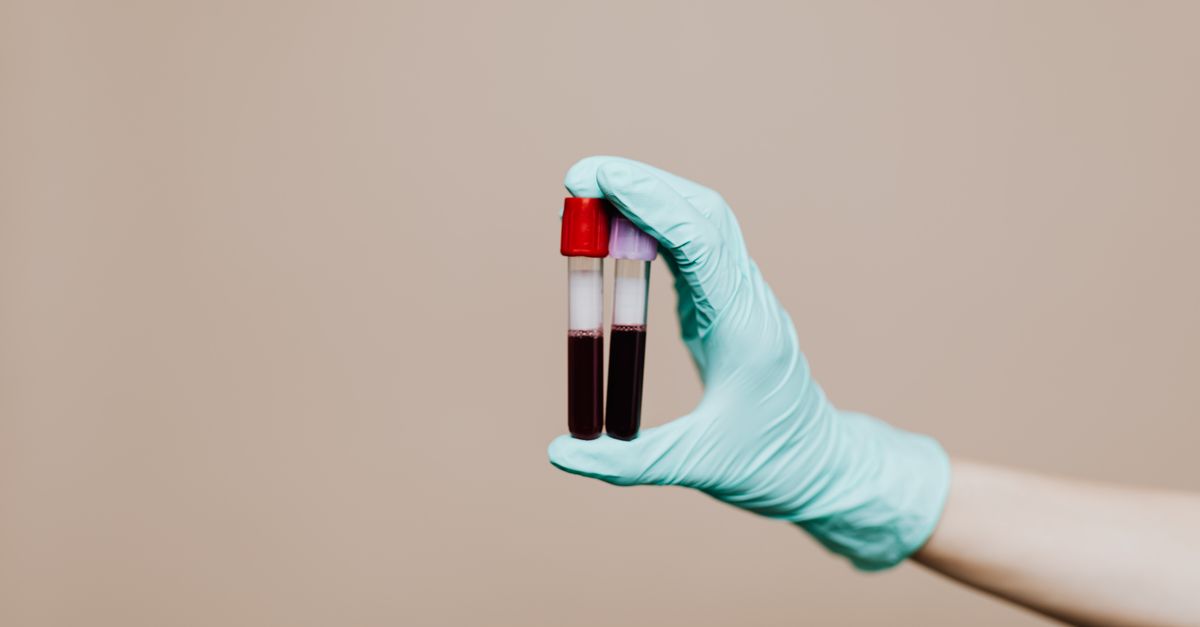
What Does Hemoglobin Tell You About Your Hormones?
Yes, hemoglobin levels are a meaningful hormonal signal. Low hemoglobin often reflects iron deficiency that suppresses thyroid function and disrupts estrogen signaling, while high hemoglobin can indicate excess testosterone or erythropoietin activity. The main caveat: lab 'normal' ranges are wide — hormonal disruption frequently appears before hemoglobin technically falls below the threshold.
---
Why Hemoglobin and Hormones Are Inseparable
Hemoglobin is the iron-containing protein inside red blood cells that carries oxygen from your lungs to every tissue in your body. But treating it purely as an oxygen metric misses its central role in the endocrine system. Hormone production, transport, and signaling all require adequate tissue oxygenation and iron availability — two things hemoglobin directly governs.
Iron — which sits at the center of the hemoglobin molecule — is a required cofactor for the synthesis of several key hormones. The enzyme thyroid peroxidase (TPO), which converts iodide into thyroid hormones T3 and T4, is an iron-dependent hemoprotein. When iron stores fall and hemoglobin drops, TPO activity declines, suppressing thyroid output even when TSH looks superficially normal (Zimmermann & Köhrle, Journal of Nutrition 2002; PMID: 12421870).
Similarly, the cytochrome P450 enzyme family — which handles steroidogenesis, including the conversion of cholesterol into sex hormones like estrogen, progesterone, and testosterone — is iron-dependent. Chronically low hemoglobin is not just a symptom of poor nutrition; it can actively blunt sex hormone production at the enzymatic level.
Understanding what iron tells you about your hormones is a logical companion to reading your hemoglobin, since the two markers move together and tell a more complete story when interpreted side by side.
---
How Hemoglobin Reflects Estrogen and Cycle Health
Estrogen and hemoglobin have a bidirectional relationship that is particularly relevant for anyone who menstruates. Estrogen stimulates erythropoiesis — red blood cell production — by upregulating the hormone erythropoietin (EPO) in the kidneys. This is one reason pre-menopausal women, on average, have hemoglobin levels slightly lower than men but still maintain robust red blood cell turnover when estrogen is healthy.
When estrogen drops — during perimenopause, hypothalamic amenorrhea, or postpartum recovery — erythropoietic drive falls with it. Hemoglobin can slide to the lower end of the reference range, contributing to fatigue and brain fog that practitioners sometimes attribute entirely to the hormonal shift itself, without investigating the hemoglobin connection.
The reverse matters too. Heavy menstrual bleeding driven by estrogen dominance or conditions like endometriosis causes chronic blood loss that progressively erodes hemoglobin and ferritin. Studies in women with confirmed endometriosis show significantly higher rates of iron deficiency anemia compared to the general population, with hemoglobin levels correlating inversely with lesion burden (Halpern et al., Fertility and Sterility 2021; PMID: 33610327).
This cyclical iron loss — and its hemoglobin consequences — can make hormonal symptoms dramatically worse. Low hemoglobin means less oxygen to the hypothalamus and pituitary, the command centers for the entire hypothalamic-pituitary-ovarian (HPO) axis, which is the precise circuitry that regulates cycle timing, ovulation, and reproductive hormone balance.
If your labs show normal hormone values but you still feel off, it's worth exploring why all labs can be normal and you still feel different — often, functional deficiencies in markers like hemoglobin sit just inside the 'normal' band while still causing real symptoms.
---
Testosterone, Erythropoiesis, and High Hemoglobin
While low hemoglobin points toward estrogen and thyroid disruption, elevated hemoglobin is often a testosterone signal. Testosterone — in both men and women — directly stimulates EPO production and promotes red blood cell synthesis in bone marrow. This is why men typically have hemoglobin values 1–2 g/dL higher than pre-menopausal women, and why exogenous testosterone therapy (including testosterone replacement therapy, or TRT) reliably raises hematocrit and hemoglobin within weeks of initiation.
Clinically elevated hemoglobin (polycythemia) can occur with:
- Exogenous androgen use (prescribed or non-prescribed)
- Endogenous testosterone excess, as in polycystic ovary syndrome (PCOS)
- Sleep apnea driving secondary erythrocytosis via hypoxia-stimulated EPO
- Dehydration masking as true polycythemia
In PCOS specifically, hyperandrogenism has been associated with higher hemoglobin and hematocrit compared to age-matched controls, independent of body composition (Vrontakis et al., European Journal of Endocrinology 2003). This can be a subtle clue on a standard blood panel that androgen excess is present even when testosterone is borderline.
Understanding what SHBG tells you about your hormones adds crucial context here — low SHBG increases free testosterone bioavailability, and when hemoglobin is simultaneously elevated, the two markers together can flag androgen-driven erythrocytosis before hematocrit becomes overtly concerning.
---
Hemoglobin, Thyroid Hormones, and the Iron-TPO Link
The thyroid connection deserves its own section because it is both clinically significant and frequently missed on standard panels. Thyroid peroxidase requires iron to function. When iron stores fall — tracked first by ferritin, then reflected in hemoglobin as depletion worsens — TPO activity slows. The result: less T4 synthesis, slower T3 conversion, and a hypothyroid-like pattern that may not register as overt hypothyroidism on TSH alone.
A landmark study of iron-deficient anemic women in Ivory Coast found that correcting iron deficiency anemia significantly improved the response to iodine supplementation and thyroid hormone synthesis, demonstrating that hemoglobin normalization is a prerequisite for optimal thyroid function — not just a parallel outcome (Zimmermann et al., American Journal of Clinical Nutrition 2000; PMID: 10799388).
The practical implication: if your TSH is borderline elevated, your T3 is low-normal, and your hemoglobin is in the lower quartile of the reference range, iron repletion may partially restore thyroid function without requiring thyroid medication. This is not a blanket claim — thyroid conditions require medical supervision — but the mechanistic link is real and clinically actionable.
For a deeper look at how cortisol interacts with your hormonal status, note that chronic psychological and physiological stress can suppress both thyroid output and erythropoiesis simultaneously, making hemoglobin a stress-sensitive marker as well.
---
What Hemoglobin Levels Actually Mean in Context
Standard reference ranges for hemoglobin are broad by design — they capture the statistical majority of a heterogeneous population. They are not optimized for hormonal health. Here is a practical framework:
| Hemoglobin (g/dL) | Population | Likely Hormonal Signal |
|---|---|---|
| < 11.0 | All adults | Significant iron deficiency; thyroid, estrogen, and pituitary function all at risk |
| 11.0–12.0 | Women | Lower quartile; subclinical iron deficiency likely; monitor ferritin + thyroid |
| 12.0–14.0 | Women | Functional range; still screen ferritin + TIBC if symptomatic |
| 14.0–16.0 | Women / Men | Optimal for most; estrogen and testosterone likely adequate |
| > 17.5 | Men / > 16.0 Women | Elevated; investigate androgen excess, sleep apnea, or dehydration |
Important caveats: altitude, smoking, and chronic inflammation (via hepcidin upregulation) all shift hemoglobin independently of hormone levels. Always interpret alongside ferritin, TIBC, CRP, and a hormone panel.
What cholesterol tells you about your hormones is another marker that pairs well with hemoglobin when you are trying to understand whether hormonal disruption is upstream (steroidogenesis substrate) or downstream (transport and tissue delivery).
---
Nutrients That Drive Hemoglobin and Support Hormonal Balance
Hemoglobin is not a standalone marker — it responds to specific nutritional inputs. The primary drivers:
Iron is the non-negotiable substrate. Heme iron (from animal sources) has approximately 25–30% absorption efficiency; non-heme iron from plants is 2–10% but rises significantly when paired with vitamin C. Iron supplementation must be targeted — overloading iron in someone who is not deficient is harmful, promoting oxidative stress.
B12 and folate support red blood cell maturation independently of iron. Megaloblastic anemia from B12 or folate deficiency produces large, dysfunctional red cells and low effective hemoglobin even when iron stores are replete. What B12 tells you about your hormones covers this mechanism in detail, including how B12 deficiency alone can produce a hormonal symptom profile nearly identical to low iron.
Zinc supports erythropoiesis and is required for the metalloenzymes involved in hemoglobin synthesis. Zinc deficiency reduces red blood cell lifespan and impairs iron transport proteins.
Copper is required for ceruloplasmin, which oxidizes iron from its ferrous to ferric form — the form that can be loaded onto transferrin and transported to bone marrow. Low copper quietly blocks iron utilization even when serum iron appears adequate.
Vitamin D has emerged as a regulator of erythropoiesis through its effects on EPO sensitivity and bone marrow progenitor cells. A 2013 analysis found that vitamin D deficiency independently predicted lower hemoglobin in a large cross-sectional cohort (Sim et al., British Journal of Nutrition 2010; PMID: 20691131).
---
What This Means for Your Formula
If your hemoglobin is trending low — or if your iron, B12, or vitamin D labs suggest the early stages of depletion — a personalized supplement plan addresses the upstream drivers rather than guessing at dosages.
Ones builds custom daily capsule formulas by analyzing blood work, wearable data, and health history together. For hemoglobin-related hormonal disruption, a few specific ingredients are particularly relevant:
- Zinc (as zinc bisglycinate): Ones includes zinc dosed in the clinically researched 15–30mg range, supporting both erythropoiesis and testosterone metabolism. Zinc is often deficient in women with heavy periods and men with high training loads — two groups most likely to show hemoglobin-hormone disconnects.
- Vitamin D3 + K2 (MK-7): Ones combines these two in a single targeted dose. Beyond its bone and immune roles, D3 supports EPO sensitivity and the D3/K2 synergy ensures calcium is directed appropriately so that D3 dosing doesn't create vascular risk. For anyone whose hemoglobin is suppressed in the context of low D3, this combination addresses both the erythropoietic and the hormonal angle.
- Thyroid Support (System Blend): For users whose lab data suggests the iron-TPO pattern — borderline TSH, low-normal T3, and hemoglobin in the lower quartile — Ones' proprietary Thyroid Support blend provides cofactors that support healthy thyroid peroxidase activity and iodothyronine metabolism.
Because Ones uses AI to cross-reference multiple labs simultaneously, it can identify the hemoglobin-iron-thyroid triad that a single-marker approach would miss, and adjust capsule allocation accordingly within a 6 or 9-capsule daily plan.
---
Key Takeaways
- Hemoglobin is a hormonal mirror: Low hemoglobin suppresses thyroid peroxidase activity and blunts HPO axis function; high hemoglobin often signals androgen excess or hypoxic EPO stimulation.
- The thyroid-iron link is mechanistic, not coincidental: Iron is a required cofactor for TPO; optimizing hemoglobin can meaningfully improve thyroid hormone synthesis in iron-depleted individuals.
- Estrogen drives erythropoiesis: Declining estrogen in perimenopause or amenorrhea reduces red blood cell production, making hemoglobin a useful indirect marker of estrogen status.
- Standard 'normal' ranges are too wide for hormonal precision: Functional disruption often appears when hemoglobin is in the lower quartile of normal — always pair with ferritin, TIBC, and a hormone panel.
- Nutrition is the primary lever: Iron, B12, zinc, copper, and vitamin D all drive hemoglobin production through distinct mechanisms; targeted repletion outperforms generic multivitamin dosing.
- Personalized interpretation matters: Because hemoglobin interacts with multiple hormone axes simultaneously, a formula calibrated to your specific lab pattern — not a one-size-fits-all stack — produces the most clinically meaningful outcome.
Always consult a licensed healthcare provider before beginning supplementation, especially if you suspect anemia, thyroid dysfunction, or hormonal imbalance. Supplement formulas are not a substitute for medical evaluation.