Lifestyle
What Happens to Fasting Glucose in Postmenopause?
Fasting glucose tends to rise after menopause — sometimes enough to push previously normal women into the prediabetes range without any change in diet or weight. Understanding why this happens, and which interventions actually move the needle, can help you stay ahead of a risk that most routine checkups miss until it's already a problem.
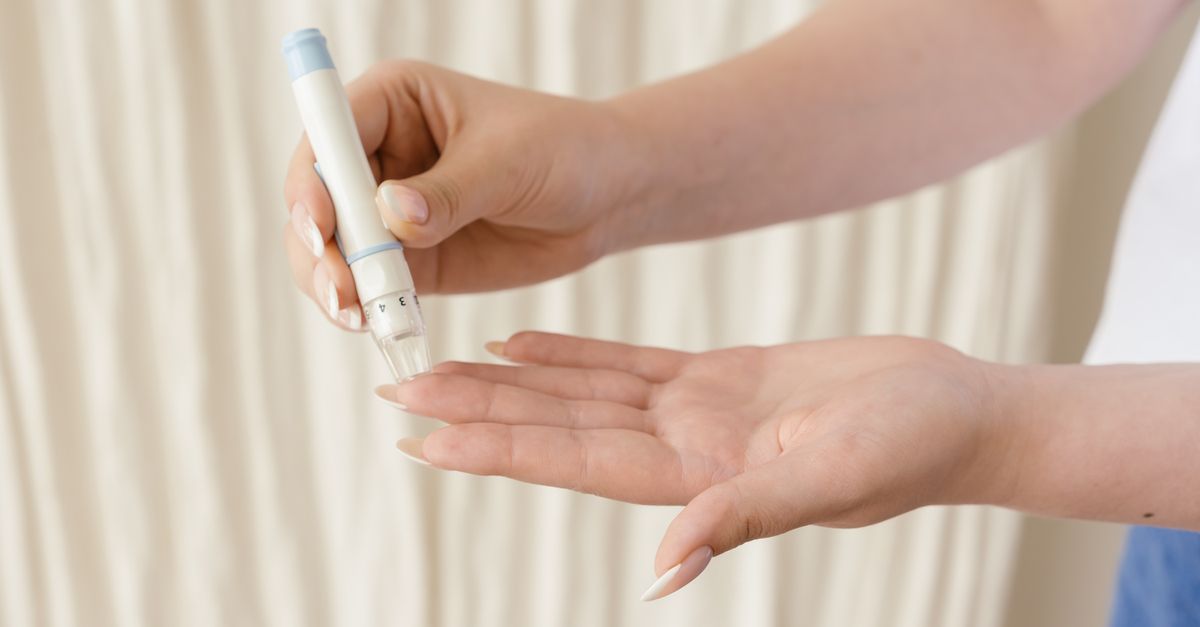
What Happens to Fasting Glucose in Postmenopause?
Yes, fasting glucose typically increases after menopause. Studies show postmenopausal women have meaningfully higher fasting glucose and greater insulin resistance than premenopausal peers of similar weight — driven largely by the loss of estrogen's protective effect on pancreatic beta cells and peripheral insulin sensitivity. The exception is women who maintain high levels of aerobic fitness into the postmenopausal years, where the glucose rise is significantly attenuated.
---
Why Estrogen Loss Disrupts Blood Sugar Regulation
Estrogen is not simply a reproductive hormone. It acts on estrogen receptor-alpha (ERα) in skeletal muscle, liver, and adipose tissue to facilitate glucose uptake, suppress hepatic glucose production, and preserve beta-cell mass in the pancreas. When circulating estradiol drops sharply at menopause — typically from 100–400 pg/mL down to below 20 pg/mL — these protective pathways weaken simultaneously.
A landmark analysis published in Diabetes Care followed 1,735 women through the menopausal transition and found that fasting glucose increased by an average of 4.6 mg/dL in the two years surrounding the final menstrual period, even after adjusting for age, BMI, and physical activity (Sutton-Tyrrell et al., Diabetes Care 2010; PMID: 20200306). That may sound modest, but for a woman sitting at 92 mg/dL premenopausally, a 4–5 mg/dL rise lands her in the impaired fasting glucose range (100–125 mg/dL) where cardiovascular risk starts climbing.
The mechanism goes deeper than estrogen alone. Progesterone — which also falls sharply — has modest insulin-sensitizing properties. And the cortisol-to-estrogen ratio effectively rises in postmenopause, promoting visceral fat deposition, which is itself a driver of insulin resistance independent of total body weight.
---
How Much Does Fasting Glucose Change, and What Numbers Are Concerning?
Research consistently shows that fasting glucose in healthy postmenopausal women averages 5–8 mg/dL higher than in premenopausal women of comparable age and BMI. The Women's Health Initiative Observational Study found that postmenopausal status was independently associated with a significantly elevated risk of developing type 2 diabetes, even among non-obese participants (Margolis et al., Diabetologia 2004; PMID: 15170495).
To put this in clinical context:
| Fasting Glucose Range | Classification | Postmenopause Risk Note |
|---|---|---|
| < 100 mg/dL | Normal | Still monitor annually — the transition can move you |
| 100–125 mg/dL | Impaired Fasting Glucose (Prediabetes) | Risk doubles in postmenopause vs. premenopause |
| ≥ 126 mg/dL (confirmed) | Type 2 Diabetes | Requires clinical management |
If you've been tracking your labs over time, it's worth reading what does high fasting glucose mean to understand where on that spectrum a single elevated reading should trigger action — and when it's normal variation.
For context on what your baseline should look like before and during this transition, the guide on how to test your fasting glucose covers optimal testing conditions, timing, and what factors (poor sleep, acute stress, early-morning cortisol spikes) can artificially inflate a single reading.
---
Insulin Resistance in Postmenopause: The Underlying Driver
Fasting glucose is a lagging indicator. The more sensitive signal is fasting insulin — and postmenopause consistently worsens insulin resistance before fasting glucose climbs into the abnormal range. Hyperinsulinemic-euglycemic clamp studies show that whole-body insulin-mediated glucose disposal decreases by roughly 20–30% in the postmenopausal transition compared to age-matched premenopausal women (Poehlman et al., Journal of Clinical Endocrinology & Metabolism 1995; PMID: 7714080).
What this means practically: your pancreas is working harder to hold your fasting glucose normal for years before that glucose number actually rises. By the time fasting glucose crosses 100 mg/dL, insulin resistance is usually already substantial. This is why looking at fasting glucose in isolation misses a significant portion of the metabolic picture in postmenopausal women.
Related: if you're also managing hormonal conditions that complicate glucose interpretation, what happens to fasting glucose in PCOS covers how insulin resistance in that context compares mechanistically to postmenopausal patterns — the pathways overlap more than many clinicians acknowledge.
---
Does Hormone Therapy Affect Fasting Glucose in Postmenopause?
This is one of the more nuanced questions in postmenopausal metabolic health. Hormone therapy (HT) — specifically low-dose estrogen, with or without progesterone — does appear to attenuate postmenopausal insulin resistance and reduce the incidence of new-onset type 2 diabetes.
The Women's Health Initiative randomized trial found that combined estrogen-progestin therapy was associated with a 21% lower risk of treated diabetes versus placebo over a mean follow-up of 5.6 years (Margolis et al., Diabetologia 2004; PMID: 15170495). Estrogen-only therapy showed an even stronger protective effect in hysterectomized women.
However, the relationship between HT and cardiovascular outcomes is complex, timing-dependent (the "timing hypothesis" suggests benefit is greatest when started within 10 years of menopause), and not appropriate for all women. This is an area where the conversation must happen with your physician, not a supplement or article.
The takeaway for glucose specifically: HT may genuinely blunt the postmenopausal glucose rise, but it is not a first-line metabolic intervention and carries tradeoffs that require individualized risk assessment.
---
Lifestyle Factors That Meaningfully Move Fasting Glucose in Postmenopause
Beyond hormone therapy, the evidence base for lifestyle interventions in postmenopausal glucose management is robust:
Resistance Training
Skeletal muscle is the primary site of insulin-mediated glucose disposal, and postmenopausal women lose muscle mass at an accelerated rate without resistance training. A 2019 meta-analysis in Obesity Reviews found that resistance training significantly improved insulin sensitivity in postmenopausal women independent of changes in body weight, with HOMA-IR improving by an average of 0.47 units across trials (Lopez et al., Obesity Reviews 2019; PMID: 31228347).
Sleep Quality
Sleep disruption is extremely common in perimenopause and postmenopause (hot flashes, elevated cortisol at night, altered circadian rhythm). Even partial sleep restriction — 6 hours versus 8 hours — acutely increases fasting glucose and suppresses insulin sensitivity in controlled trials. This creates a vicious cycle: poor sleep raises glucose, elevated glucose disrupts sleep architecture, and postmenopausal hormonal changes worsen both simultaneously.
Dietary Pattern
Low-glycemic and Mediterranean-pattern diets reduce fasting glucose in postmenopausal women independent of weight loss. The specific mechanism relevant here is blunting of postprandial glucose spikes, which reduces the cumulative hyperinsulinemia that accelerates beta-cell exhaustion over time. Time-restricted eating (eating within a 10-hour window) shows early promise in postmenopausal cohorts, though long-term trial data specific to this demographic remain limited.
Visceral Fat Reduction
Postmenopause drives fat redistribution from subcutaneous to visceral depots even without total weight gain. Visceral adiposity secretes inflammatory cytokines (IL-6, TNF-α) that directly impair insulin receptor signaling. Even modest reductions in waist circumference — 2–4 cm — are associated with measurable improvements in fasting glucose in postmenopausal intervention trials.
---
How CRP and Inflammation Connect to Postmenopausal Glucose Changes
One underappreciated driver of postmenopausal glucose dysregulation is low-grade systemic inflammation. CRP levels rise after menopause — partly because estrogen had been suppressing hepatic CRP production — and elevated CRP is independently associated with insulin resistance and progression to type 2 diabetes. For more on that inflammatory shift, what happens to CRP levels in postmenopause covers the mechanism and clinical thresholds in detail.
This inflammation-insulin resistance axis is clinically important because it means that anti-inflammatory strategies — including omega-3 fatty acids, targeted antioxidants, and sleep optimization — can influence fasting glucose indirectly through the inflammatory pathway, not just through direct glucose metabolism effects.
---
What This Means for Your Formula
Ones builds personalized supplement formulas using blood work and health data — and in postmenopausal women, the glucose and metabolic picture often calls for a specific set of ingredients that go beyond a standard multivitamin.
Berberine and Chromium Picolinate are two of the most evidence-backed actives for insulin sensitivity. Berberine activates AMPK (the same pathway activated by metformin) and has been shown to reduce fasting glucose by 20–30 mg/dL in multiple randomized trials in insulin-resistant individuals. Chromium picolinate improves insulin receptor sensitivity and is particularly relevant when blood sugar dysregulation is present without full diabetes.
Omega-3 (EPA/DHA) — available in Ones formulas at clinically meaningful doses — reduces triglycerides, lowers CRP, and has demonstrated modest but consistent improvements in insulin sensitivity in postmenopausal cohorts. The anti-inflammatory mechanism is especially relevant given the estrogen-loss-driven inflammation discussed above.
Magnesium Glycinate is included in Ones' Magnesium Complex formulation and is directly relevant here: magnesium is a cofactor for insulin receptor tyrosine kinase activity, and low magnesium is both a consequence of insulin resistance and a driver of it. Postmenopausal women are frequently low in magnesium, and clinical trials show that magnesium supplementation reduces fasting glucose and HOMA-IR in individuals with impaired glucose metabolism (Guerrero-Romero et al., Diabetes & Metabolism 2004).
When you share your blood work with Ones, the AI health practitioner identifies which of these mechanisms is most relevant to your specific pattern — high glucose with low magnesium looks different from high glucose with elevated CRP — and builds a targeted capsule plan accordingly.
---
Key Takeaways
- Fasting glucose rises by an average of 4–8 mg/dL during the postmenopausal transition, driven primarily by estrogen loss and reduced insulin sensitivity in skeletal muscle and liver.
- Insulin resistance precedes the glucose rise by years — fasting glucose is a lagging marker, so a