Lab Results
How to Test Your Fasting Glucose (and What the Numbers Mean)
Fasting glucose is one of the most actionable markers in a standard blood panel — yet most people collect it wrong, interpret the reference range too loosely, or never see it tested at all. A single number taken after the right fast can reveal years of silent metabolic drift before any symptoms appear.
How to Test Your Fasting Glucose (and What the Numbers Mean)
Fasting glucose is tested with a simple blood draw after 8–12 hours without food, and most standard panels include it automatically. For most adults a result below 100 mg/dL is considered normal — but research consistently shows that metabolic risk begins climbing well before that threshold, particularly above 90 mg/dL in people with other risk factors. The main exception: certain populations, including pregnant women and people with PCOS, use different reference ranges entirely.
---
Why Fasting Glucose Testing Matters More Than Most People Realize
The CDC estimates that 38% of U.S. adults have prediabetes, and the majority are undiagnosed (CDC National Diabetes Statistics Report, 2022). Most of those people have a fasting glucose between 100–125 mg/dL — a range that rarely triggers alarm in a routine checkup but represents years of silent insulin resistance already underway.
Fasting glucose is not just a diabetes screening tool. It reflects how efficiently your cells take up glucose overnight, how well your liver suppresses glucose output (hepatic glucose production), and how responsive your peripheral tissues remain to insulin. When any of these mechanisms drift, fasting glucose climbs — often years before an HbA1c test would flag anything abnormal. To understand how these two markers compare and complement each other, see this complete guide to blood sugar markers including HbA1c and fasting glucose.
The clinical consequence: a fasting glucose test done correctly is cheap, fast, and rich with information. Done incorrectly — after a short fast, after unusual stress, or without context — it can mislead in both directions.
---
The Step-by-Step Protocol: How to Test Fasting Glucose Accurately
Accuracy depends almost entirely on what happens before the draw, not during it.
1. Fast for 8–12 Hours — No Shortcuts
Water, plain black coffee (without sugar or cream), and plain medications are generally acceptable during the fast, but this should be confirmed with your ordering provider. Even a small carbohydrate load — a piece of fruit, a glucose tablet, a sweetened beverage — is enough to elevate your reading by 10–30 mg/dL and invalidate the result for diagnostic purposes (American Diabetes Association Standards of Medical Care, 2023).
Fasting 14 or more hours can also distort results upward through counter-regulatory hormone release (glucagon, cortisol, epinephrine), so longer is not better. The 8–12 hour window is deliberate.
2. Schedule the Draw in the Morning
Cortisol peaks in the first hour after waking — part of the cortisol awakening response — and drives a physiological rise in blood glucose sometimes called the "dawn phenomenon." Morning draws between 7–10 a.m. standardize this variable. Afternoon or evening fasting glucose tests introduce hormonal noise that makes results harder to interpret longitudinally.
3. Avoid Intense Exercise the Night Before
High-intensity exercise increases glucose uptake for 12–24 hours through insulin-independent GLUT4 translocation (Richter & Hargreaves, Physiological Reviews 2013; PMID: 23899560). A hard workout the evening before your draw can artificially lower fasting glucose by 5–15 mg/dL, masking a pattern that would otherwise be visible.
4. Reduce Acute Stressors Before the Draw
Psychological stress acutely raises cortisol and catecholamines, both of which stimulate hepatic glucose output. If you had a poor night of sleep, a stressful commute, or significant anxiety before arriving at the lab, note this — it is worth repeating the test under calmer conditions if your result seems inconsistently high. For a deeper dive into how poor sleep affects metabolic recovery, the article on whether deep sleep can recover after chronic stress is relevant context.
5. Use a Venous Draw, Not a Fingerstick, for Diagnosis
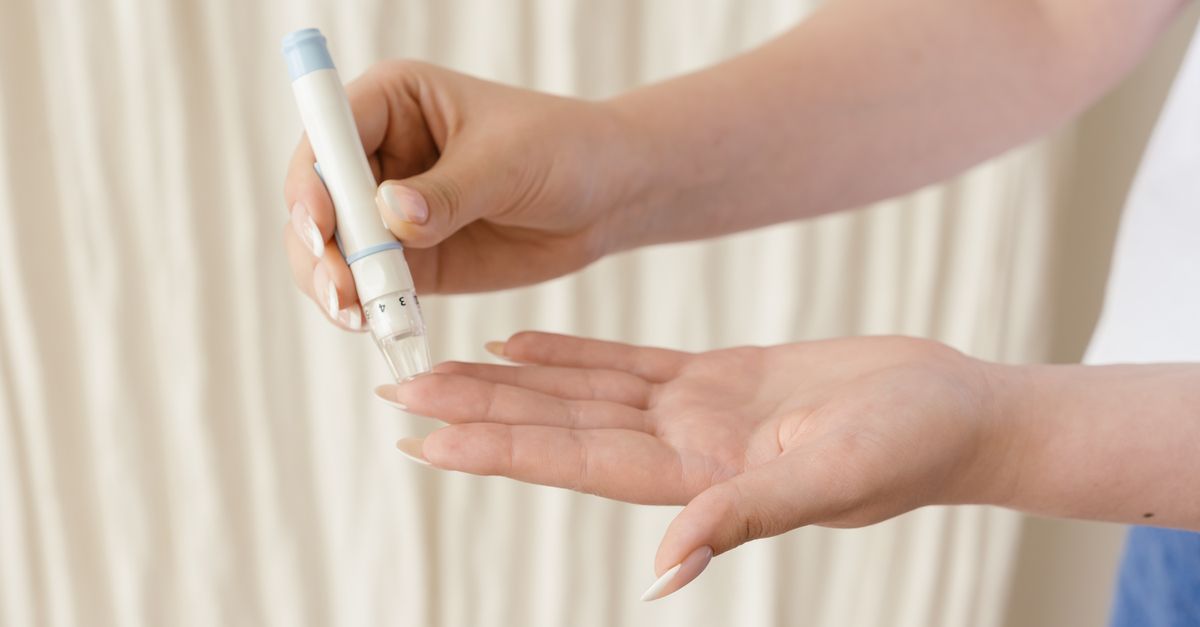
At-home fingerstick glucometers (point-of-care devices) are useful for tracking trends, but they carry a ±15–20% coefficient of variation compared to laboratory venous plasma glucose (ISO 15197:2013 standard). A reading of 100 mg/dL on a consumer glucometer could plausibly represent anything from 80 to 120 mg/dL in a venous plasma assay. For clinical decisions — including diagnosing prediabetes or adjusting a supplement protocol — a certified laboratory draw is the standard of care.
6. Understand What You Are Actually Measuring
Laboratory fasting glucose is reported as plasma glucose in mg/dL (U.S.) or mmol/L (international). The conversion: 1 mmol/L = 18 mg/dL. Reference ranges on lab reports typically use mg/dL, and the standard diagnostic thresholds (below) are defined in those units.
---
What the Numbers Mean: Reference Ranges and Optimal Targets
| Category | Fasting Plasma Glucose | Clinical Implication |
|---|---|---|
| Optimal (functional) | 72–90 mg/dL | Strong insulin sensitivity; lowest cardiovascular risk |
| Normal (ADA standard) | 70–99 mg/dL | Within reference range; monitor trend |
| Impaired / Prediabetes | 100–125 mg/dL | Elevated risk; lifestyle intervention indicated |
| Diabetes (provisional) | ≥ 126 mg/dL | Requires confirmation with repeat test or HbA1c |
| Hypoglycemia concern | < 70 mg/dL | Investigate cause; symptoms may be absent |
The ADA's formal normal cutoff is 100 mg/dL, but a landmark analysis of the ARIC cohort (n = 11,092) found that cardiovascular mortality risk began increasing continuously above 85 mg/dL, even within the "normal" range — a finding that has shaped functional medicine practice over the past decade (Bjørnholt et al., BMJ 1999; PMID: 9892253 for the original Norwegian cohort work; corroborated by Levitan et al., Archives of Internal Medicine 2004; PMID: 14769621).
For women specifically, context matters enormously. Fasting glucose ranges shift during pregnancy, shift again postpartum, and behave differently in the presence of hormonal conditions like PCOS. If any of these apply to you, see the dedicated articles on what happens to fasting glucose in PCOS and fasting glucose during pregnancy for population-specific ranges and clinical context.
---
How Often Should You Test?
For most healthy adults without metabolic concerns, annual fasting glucose as part of a comprehensive metabolic panel (CMP) or basic metabolic panel (BMP) is standard. The U.S. Preventive Services Task Force (USPSTF) recommends screening for abnormal blood glucose in adults aged 35–70 who are overweight or obese (Grade B recommendation, 2021).
If you have risk factors — family history of type 2 diabetes, PCOS, prior gestational diabetes, elevated triglycerides, or a BMI above 25 — more frequent testing (every 6 months, or with each lab panel) provides a clearer trend. A single data point is less informative than a trajectory.
For continuous monitoring between annual labs, continuous glucose monitors (CGMs) have moved into the consumer space. CGMs measure interstitial glucose (not plasma glucose), introducing a 5–15 minute lag and a modest calibration offset, but they reveal post-meal spikes and overnight patterns that a single fasting draw cannot. Used alongside a laboratory fasting glucose, they provide a fuller metabolic picture.
---
What Fasting Glucose Tells You About Your Hormones
Fasting glucose is not purely a carbohydrate story. It sits at the intersection of insulin signaling, cortisol output, thyroid function, sex hormone balance, and even gut microbiome composition. Persistently elevated fasting glucose in a lean, active person with a "clean" diet often reflects excess cortisol from chronic stress, subclinical hypothyroidism, or insulin receptor downregulation driven by inflammatory cytokines — not simply excess carbohydrate intake.
The interplay between metabolic markers and hormonal health is explored in detail in the article on what fasting glucose tells you about your hormones. This hormonal lens matters when choosing which follow-up tests to order alongside fasting glucose.
---
Companion Tests That Add Context
Fasting glucose alone answers one question. To understand why your number is where it is, these companion tests add essential context:
| Test | What It Adds |
|---|---|
| HbA1c | 90-day average glucose; catches people with normal fasting but high post-meal spikes |
| Fasting insulin | Combined with glucose, calculates HOMA-IR (insulin resistance index) |
| HOMA-IR | (Glucose mg/dL × Insulin µIU/mL) ÷ 405; >2.0 suggests insulin resistance |
| Triglycerides | Elevated TG with normal glucose is an early insulin resistance signal |
| hsCRP | Inflammation amplifies insulin resistance independent of diet |
| Thyroid panel (TSH, free T3) | Hypothyroidism raises fasting glucose; hyperthyroidism can lower it |
Two tests that are sometimes discussed in this context but measure different things entirely: a C-peptide blood test measures endogenous insulin secretion (it is co-released with insulin by pancreatic beta cells) and is used to distinguish type 1 from type 2 diabetes, or to assess residual beta cell function — it does not substitute for fasting glucose but can explain why glucose remains elevated despite treatment. An Lp(a) blood test measures lipoprotein(a), a cardiovascular risk marker that is genetically determined and unaffected by fasting glucose directly — however, individuals with insulin resistance frequently have concurrent lipid dysregulation, making Lp(a) worth knowing alongside metabolic markers. Similarly, a total cholesterol blood test is a standard companion to fasting glucose in metabolic panels, though neither Lp(a) nor total cholesterol should be conflated with glucose metabolism itself.
---
What to Do If Your Fasting Glucose Is Elevated
A single elevated result is a signal to investigate, not a diagnosis. The ADA requires confirmation with a second test on a different day, or corroboration from HbA1c or an oral glucose tolerance test (OGTT), before prediabetes or diabetes is formally diagnosed.
If confirmed, the evidence base for lifestyle intervention is strong. The Diabetes Prevention Program (DPP) randomized controlled trial (n = 3,234) demonstrated that intensive lifestyle intervention (7% weight loss + 150 min/week moderate activity) reduced progression from prediabetes to diabetes by 58% over 3 years — outperforming metformin (31% reduction) in most subgroups (Knowler et al., NEJM 2002; PMID: 11832527).
For individuals whose fasting glucose is borderline (90–99 mg/dL) but trending upward, dietary changes — reducing refined carbohydrate load, increasing fiber and protein at breakfast, shortening the eating window — often stabilize the number within 8–12 weeks without medication.
Several nutrients have demonstrated clinically meaningful effects on fasting glucose in randomized trials. Magnesium is among the best characterized: a meta-analysis of 25 randomized controlled trials (n = 1,360) found magnesium supplementation reduced fasting glucose by 4.9 mg/dL in individuals with diabetes or at high risk of it, with stronger effects in those with lower baseline magnesium status (Veronese et al., European Journal of Clinical Nutrition 2016; PMID: 27530471). Berberine — a plant alkaloid — has shown reductions in fasting glucose of 16–25 mg/dL in multiple trials of type 2 diabetic patients, comparable in some studies to metformin 500mg twice daily (Yin et al., Metabolism 2008; PMID: 18442638).
---
What This Means for Your Formula
If your fasting glucose is trending above 90 mg/dL, or if your HOMA-IR calculation suggests early insulin resistance, targeted supplementation can complement dietary and lifestyle changes — but the choice of ingredient matters as much as the category.
Magnesium Glycinate (Ones formulas, dosed to 300–400 mg elemental): Magnesium is a cofactor for insulin receptor tyrosine kinase — the enzyme that initiates insulin signaling at the cell surface. Deficiency impairs this step directly, raising fasting glucose independent of diet. Ones uses magnesium glycinate specifically for superior bioavailability and GI tolerance compared to oxide or citrate forms, at doses consistent with the Veronese 2016 meta-analysis.
Ones Endocrine Support blend: When elevated fasting glucose is driven by HPA-axis dysregulation — chronic cortisol excess suppressing insulin sensitivity — supporting adrenal and endocrine function is as relevant as targeting glucose directly. Ones' AI practitioner analyzes wearable stress data alongside lab results to identify whether cortisol patterns are a contributing driver, and may include Endocrine Support in the formula accordingly.
Chromium Picolinate (individual active in the Ones catalog): Chromium potentiates insulin action by enhancing insulin receptor signaling. A 2006 meta-analysis of 15 randomized trials found chromium supplementation reduced fasting glucose by 1.1 mmol/L (approximately 20 mg/dL) in type 2 diabetics, with smaller but consistent effects in non-diabetic subjects (Althuis et al., American Journal of Clinical Nutrition 2002; PMID: 12036808). Ones doses this at clinically relevant levels rather than the trace amounts found in generic multivitamins.
Because the drivers of elevated fasting glucose are individual — diet, cortisol, thyroid, genetics, sleep, activity — the Ones AI builds a formula calibrated to your specific lab results and health history rather than applying a generic blood sugar stack. No two fasting glucose stories are the same.
---
Key Takeaways
- Fast for exactly 8–12 hours before your draw — too short inflates the result, too long can also raise it through counter-regulatory hormones.
- Morning venous draws are the gold standard; at-home glucometers carry ±15–20% variance and should not be used for clinical diagnosis.
- Optimal fasting glucose is 72–90 mg/dL — metabolic risk increases continuously above 85 mg/dL even within the "normal" reference range.
- A single number is not a diagnosis: prediabetes and diabetes require confirmation on a separate day or with a second test modality (HbA1c, OGTT).
- Companion tests matter: fasting insulin (for HOMA-IR), HbA1c, and a thyroid panel reveal why your number is where it is, not just what it is.
- Lifestyle intervention is powerfully effective at the prediabetes stage: the DPP trial showed a 58% risk reduction with moderate weight loss and exercise — supplementation with magnesium, chromium, or berberine can support but not replace these fundamentals.