Women's Health
What Happens to HbA1c in Perimenopause?
Most women expect hot flashes and sleep disruption in perimenopause — not a worsening blood sugar picture. Yet HbA1c frequently creeps upward during this transition, driven by hormonal changes that alter insulin sensitivity and glucose metabolism in ways that have nothing to do with what you ate last month.
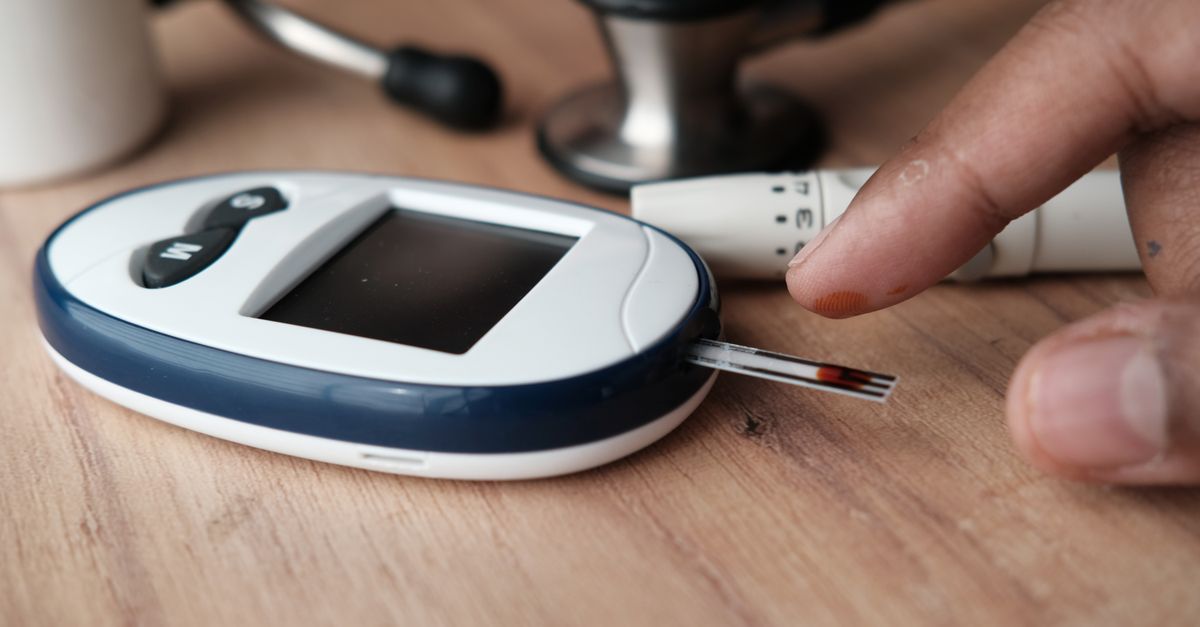
What Happens to HbA1c in Perimenopause?
HbA1c typically rises modestly during perimenopause — often by 0.2–0.5 percentage points — even without significant dietary changes. The main driver is declining estrogen, which directly impairs insulin sensitivity at the cellular level. The exception is women who are already metabolically healthy, exercising regularly, and sleeping well: they tend to see smaller shifts. Women with underlying insulin resistance or PCOS, however, may see more pronounced changes.
---
What the HbA1c Blood Test Actually Measures — and Its Limits in Midlife
HbA1c (glycated hemoglobin) reflects the percentage of hemoglobin molecules coated in glucose over the prior 8–12 weeks. Because red blood cells live roughly 90–120 days, HbA1c gives a rolling average of blood sugar control — not a single snapshot.
Clinical reference ranges look like this:
| HbA1c Level | Interpretation |
|---|---|
| Below 5.7% | Normal |
| 5.7–6.4% | Prediabetes |
| 6.5% and above | Diabetes (requires confirmation) |
| 5.0–5.4% | Optimal metabolic range (functional medicine) |
The problem is that HbA1c has a known confounder in midlife women: red blood cell turnover can change during hormonal transitions. Iron-deficiency anemia — which is common in perimenopause, particularly during the years of heavy, irregular periods — artificially elevates HbA1c because older red cells accumulate more glucose coating. Conversely, if you take iron supplements and correct anemia rapidly, HbA1c can drop without any actual improvement in blood sugar. This is why pairing HbA1c with a fasting insulin test and fasting glucose gives a far more complete picture (Virtue et al., Diabetes Care 2014; PMID: 24135386).
If you're tracking ferritin alongside HbA1c — which many functional practitioners recommend — you may already know that ferritin levels shift significantly in perimenopause, and this matters when interpreting your glycemic markers.
---
How Estrogen Decline Disrupts Blood Sugar Regulation
Estrogen is not simply a reproductive hormone. Estrogen receptors (ERα and ERβ) are expressed in skeletal muscle, adipose tissue, pancreatic beta cells, and the liver — all of which are central to glucose metabolism.
Here is what happens as estrogen declines through perimenopause:
- Reduced GLUT4 translocation in muscle: Estrogen promotes the movement of glucose transporter-4 (GLUT4) to the surface of muscle cells in response to insulin. Less estrogen means less efficient glucose uptake per unit of insulin. This is a form of peripheral insulin resistance that does not necessarily show up on a fasting glucose test early on — it shows up first as a rising HbA1c (Mauvais-Jarvis et al., Endocrine Reviews 2013; PMID: 23460719).
- Increased visceral adiposity: As estrogen falls, fat preferentially redistributes from subcutaneous depots (hips and thighs) to visceral depots (abdomen). Visceral fat is metabolically active and secretes inflammatory cytokines that worsen insulin resistance. This shift can happen even without weight gain on the scale, which is one reason women are often confused when their HbA1c rises despite no apparent lifestyle change.
- Impaired pancreatic beta-cell function: Estrogen appears to protect pancreatic beta cells from oxidative stress and support first-phase insulin secretion. As estrogen wanes, the pancreas may become slightly less efficient at releasing the early burst of insulin that normally dampens a post-meal glucose spike (Yki-Järvinen, New England Journal of Medicine 1984; PMID: 6748526 — foundational; Mauvais-Jarvis 2013 remains the authoritative modern review).
- Sleep disruption and cortisol elevation: Poor sleep — which is nearly universal in perimenopause — drives cortisol elevation overnight and into the morning. Cortisol is a glucocorticoid: it raises blood glucose by stimulating hepatic gluconeogenesis, directly lifting fasting glucose and over time, HbA1c. This creates a vicious cycle — worse sleep, higher cortisol, higher blood sugar, more inflammation, worse sleep.
---
What This Means for Your Lab Results: Reading the Numbers in Context
A single HbA1c reading in perimenopause needs context. Here is a practical framework:
If your HbA1c rose from 5.1% to 5.5% between your last two annual labs:
This is statistically meaningful and worth investigating, but it does not mean you are progressing toward diabetes. First, check whether your iron status or anemia changed in the same period. Second, look at whether fasting glucose or fasting insulin shifted — if fasting insulin is creeping above 7–8 µIU/mL, that is an earlier and more sensitive signal of insulin resistance than HbA1c alone. You can learn more about interpreting those numbers in this guide to what causes fasting insulin to be out of range.
If your HbA1c jumped to 5.7% or above:
This puts you in the prediabetes range and warrants action — not alarm, but action. Studies have shown that lifestyle interventions at this stage can normalize HbA1c in a significant proportion of women (Knowler et al., NEJM 2002; PMID: 11832527). Perimenopause is not a reason to accept this as inevitable.
If your HbA1c is in the 5.0–5.4% range:
This is the functional medicine optimal zone. If you are here and symptomatic for insulin resistance (fatigue after meals, afternoon energy crashes, abdominal weight gain, brain fog), the problem may be postprandial glucose spikes that the 90-day average of HbA1c simply cannot capture. A continuous glucose monitor (CGM) worn for 2–4 weeks provides much richer data at this stage.
For a related lens on blood sugar and hormonal transitions, what happens to HbA1c in the postpartum period offers useful comparison data on how estrogen-related metabolic shifts resolve — or don't — after hormonal change.
---
HbA1c and Longevity: Why This Marker Matters Beyond Diabetes Risk
One of the clearest findings in longevity research is that HbA1c is not just a diabetes marker — it is an aging marker. Data from large prospective cohorts consistently show that HbA1c in the 5.0–5.5% range is associated with the lowest all-cause mortality, and that both high and very low values (below 4.8%) correlate with shorter lifespan (Khaw et al., Annals of Internal Medicine 2004; PMID: 15289221).
The mechanisms are not mysterious: chronically elevated blood glucose accelerates:
- Advanced glycation end-products (AGEs): Glucose binds to proteins and lipids, stiffening arterial walls, clouding the lens of the eye, and degrading collagen. This is visibly accelerated aging at the tissue level.
- Oxidative stress: Elevated glucose increases superoxide radical production in mitochondria, driving cellular damage.
- Chronic inflammation: High-glucose environments prime macrophages toward a pro-inflammatory M1 phenotype, elevating IL-6 and TNF-α.
- Cardiovascular risk: Even sub-diabetic HbA1c elevations (5.7–6.4%) roughly double the relative risk of cardiovascular events in women (Emerging Risk Factors Collaboration, Lancet 2010; PMID: 20609967).
This means that a perimenopausal woman whose HbA1c drifts from 5.2% to 5.8% has not just crossed a diagnostic threshold — she has entered a higher-risk zone for the diseases most likely to affect her quality of life in her 60s and 70s.
---
Stress, Cortisol, and Blood Sugar: A Feedback Loop That's Hard to Break
Many women notice that their blood sugar tracking worsens during periods of intense stress — and this is not imagined. Psychological stress activates the hypothalamic-pituitary-adrenal (HPA) axis, releasing cortisol and adrenaline. Both hormones raise blood glucose through distinct mechanisms: cortisol via gluconeogenesis in the liver, adrenaline by stimulating glycogen breakdown in muscle.
In perimenopause, this dynamic is compounded. Fluctuating estrogen already stresses the HPA axis, and poor sleep — itself a physiological stressor — further elevates baseline cortisol. Women with perimenopausal anxiety or brain fog are often caught in a cortisol-driven cycle where the stress of the symptoms itself worsens the underlying metabolic picture.
Practical strategies with evidence for cortisol modulation in this context include:
- Prioritize sleep architecture over sleep duration alone. Deep (slow-wave) sleep is when cortisol is most suppressed and growth hormone — which improves insulin sensitivity — is highest. Strategies to increase deep sleep include keeping a consistent sleep and wake time, reducing alcohol after 2pm, and avoiding blue light exposure in the two hours before bed.
- Time-restricted eating: A 12–16 hour overnight fast lowers fasting insulin and gives the liver a daily window of low-glucose signaling. Observational and trial data support improved HbA1c with consistent time-restricted eating in at-risk populations (Sutton et al., Cell Metabolism 2018; PMID: 29754952).
- Resistance training: Skeletal muscle is the primary site of glucose disposal. Building and maintaining muscle mass is the single most potent non-pharmacological intervention for insulin sensitivity in midlife women. Even two sessions per week improves GLUT4 density and reduces HbA1c in prediabetic cohorts.
- Adaptogens for HPA axis support: Herbs classified as adaptogens — particularly ashwagandha root extract — have shown statistically significant reductions in cortisol in randomized controlled trials. In a 60-day RCT of adults under chronic stress, KSM-66 ashwagandha at 600mg/day reduced serum cortisol by 27.9% versus placebo (Chandrasekhar et al., Indian Journal of Psychological Medicine 2012; PMID: 23439798). Lowering cortisol does not directly lower HbA1c overnight, but it removes one of the key drivers of elevated fasting glucose over time.
---
What This Means for Your Formula
When Ones reviews a perimenopausal woman's blood work and wearable data together, HbA1c rarely sits in isolation. It is interpreted alongside fasting insulin, fasting glucose, ferritin, CRP, cortisol rhythm data from wearables, and sleep quality metrics. That integrated picture shapes which ingredients are prioritized.
For women whose pattern suggests stress-driven glucose dysregulation, KSM-66 ashwagandha at 600mg is one of the most evidence-backed tools in the catalog — targeting the cortisol arm of the blood sugar problem rather than just glucose itself.
For women showing signs of peripheral insulin resistance with cardiovascular risk markers elevated, Omega-3 EPA/DHA at clinical doses is included where indicated. EPA and DHA reduce triglycerides, lower vascular inflammation (a key companion to glucose dysregulation), and have a modest but consistent effect on insulin sensitivity in meta-analyses of overweight adults (Akinkuolie et al., Journal of Clinical Lipidology 2011; PMID: 21392721).
For women whose HbA1c elevation appears partly driven by oxidative stress and mitochondrial inefficiency, CoQ10 as ubiquinol at 200mg targets the mitochondrial electron transport chain directly — relevant because mitochondrial dysfunction in skeletal muscle is one of the upstream causes of insulin resistance in aging women.
Ones does not apply a generic formula to every perimenopausal woman — the ingredient selection, system blends activated, and dose levels are calibrated by the AI practitioner to what the data actually shows, not to a standard midlife protocol.
---
Key Takeaways
- HbA1c typically rises in perimenopause — often 0.2–0.5 percentage points — primarily because declining estrogen impairs insulin sensitivity at the muscle cell level, redistributes fat to visceral depots, and disrupts sleep-cortisol rhythms.
- The HbA1c blood test has real limits in midlife: iron-deficiency anemia (common in perimenopause) artificially elevates HbA1c, so always pair it with fasting insulin and ferritin data for an accurate picture.
- Even sub-diabetic HbA1c elevations matter: values in the 5.7–6.4% prediabetes range double cardiovascular event risk in women and accelerate AGE accumulation — this is a longevity issue, not just a diabetes-prevention issue.
- Cortisol is an underappreciated driver: chronic stress and poor sleep directly raise fasting glucose via hepatic gluconeogenesis, and perimenopausal HPA dysregulation compounds this cycle. Addressing the cortisol arm is as important as dietary changes.
- Resistance training is the most potent non-pharmacological lever for improving insulin sensitivity in midlife women — it increases GLUT4 density and muscle glucose disposal capacity independently of weight loss.
- Targeted supplementation can support the mechanisms involved — adaptogens like KSM-66 ashwagandha, omega-3 fatty acids, and mitochondrial support nutrients like CoQ10 each address a distinct physiological driver of perimenopausal HbA1c elevation, and are most effective when dosed and selected based on individual lab data rather than guesswork.
---
This article is for informational purposes only and does not constitute medical advice. Consult a qualified healthcare provider before making changes to your supplement regimen or interpreting your lab results.