Women's Health
What Happens to Ferritin Levels in Perimenopause?
Ferritin doesn't just decline quietly in perimenopause — it can spike, crash, and mislead standard lab interpretation all within the same year. Irregular, heavier periods cause blood-iron losses that outpace absorption, while inflammation from hormonal shifts pushes ferritin artificially upward. Understanding which direction your ferritin is moving — and why — is the key to doing something useful about it.
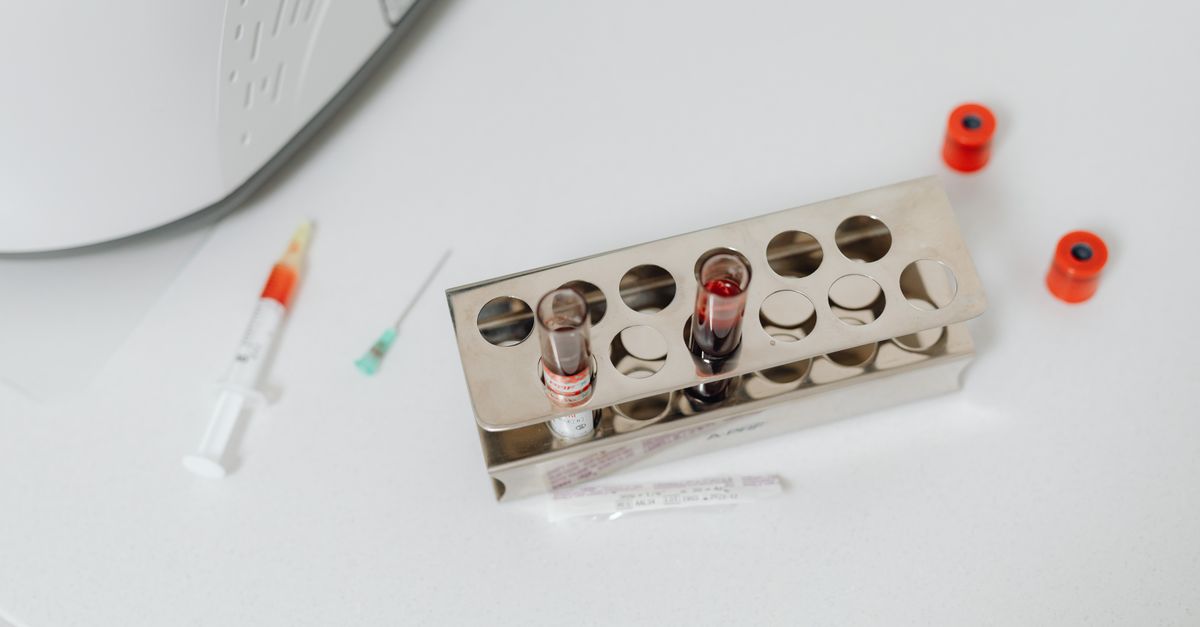
What Happens to Ferritin Levels in Perimenopause?
For most women, ferritin falls during perimenopause — but the path there is rarely straightforward. Irregular, often heavier menstrual cycles accelerate iron loss faster than absorption can keep pace, while low-grade inflammation triggered by estrogen fluctuations can mask the decline by pushing ferritin artificially high. The exception: women whose cycles shorten and lighten early in the transition may actually see ferritin rise. A single ferritin number without context — cycle timing, CRP, and symptom picture — is easy to misread.
---
Why Ferritin Is Not Just an Iron Marker
Ferritin is the body's primary iron-storage protein, but it doubles as an acute-phase reactant. When systemic inflammation rises — as it does during the hormonal turbulence of perimenopause — the liver upregulates ferritin synthesis independently of actual iron stores. This means a ferritin of 45 ng/mL in a woman with a CRP of 4 mg/L tells a very different story than the same value in a woman with a CRP under 1 mg/L.
Conventional lab reference ranges declare ferritin "normal" anywhere from 12 to 150 ng/mL in women, a band so wide that functional iron deficiency — the state where stores are too low to sustain optimal cellular processes — is routinely missed. Most integrative practitioners and sports-medicine physicians use a tighter optimal window of 50–100 ng/mL for reproductive-age and perimenopausal women reporting fatigue, hair shedding, or cognitive symptoms (Bruner et al., Journal of Adolescent Health 1996; PMID: 8760081).
For a broader look at what optimal ferritin looks like once the menstrual cycle stops entirely, see what is a normal ferritin level in perimenopause.
---
How Perimenopause Disrupts Iron Balance: The Physiology
Perimenopausal iron status is pulled in multiple directions simultaneously:
1. Heavier, longer, and unpredictable cycles
Anovulatory cycles — common in the early perimenopausal years — are frequently accompanied by heavy uterine bleeding because progesterone, which normally limits endometrial proliferation, is absent or insufficient. Blood loss of more than 80 mL per cycle (clinically defined as menorrhagia) can deplete ferritin by 10–20 ng/mL within two to three cycles if dietary iron is not dramatically increased (Hallberg et al., Acta Obstetricia et Gynecologica Scandinavica 1966; PMID: 5957918).
2. Declining estrogen and hepcidin signaling
Estrogen suppresses hepcidin, the master hormone that controls iron absorption and release. As estrogen levels drop and fluctuate, hepcidin dysregulation can occur, restricting the amount of dietary iron that crosses the gut wall — even when intake appears adequate. A 2015 study in Blood demonstrated that estrogen downregulates hepcidin via a BMP/SMAD signaling pathway, directly linking sex-hormone status to iron bioavailability (Sangkhae & Nemeth, Blood 2019; PMID: 30842674).
3. Subclinical inflammation elevating ferritin artifactually
The perimenopausal transition is associated with rising inflammatory cytokines, including IL-6 and TNF-α. IL-6 is one of the strongest inducers of ferritin synthesis. A woman with genuinely depleted iron stores may register a ferritin of 35–50 ng/mL — technically "normal" on a standard panel — while her true functional iron status is deficient. This is why checking ferritin alongside CRP and, ideally, transferrin saturation gives a more accurate picture.
4. Gut absorption shifts
Decreased stomach acid production — which rises in prevalence after age 40 — impairs the conversion of ferric iron (Fe³⁺) to ferrous iron (Fe²⁺), the absorbable form. Women already borderline on iron intake who develop hypochlorhydria can slide into deficiency without changing their diet at all.
---
Perimenopause Root Causes of Low Ferritin
Ferritin decline in perimenopause is rarely caused by a single variable. The most common contributing factors include:
- Menorrhagia — the leading cause of iron deficiency in reproductive-age women globally (WHO data)
- Inadequate dietary iron — particularly in women following plant-based diets where non-heme iron bioavailability averages only 2–20% versus 15–35% for heme iron
- Calcium and polyphenol competition — high-dose calcium supplements and coffee or tea consumed with meals measurably reduce iron absorption in the same digestive window
- Thyroid dysfunction — hypothyroidism slows gut motility and reduces the efficiency of iron absorption; the two conditions co-occur frequently in perimenopausal women
- PCOS comorbidity — women with PCOS entering perimenopause face a particularly complex ferritin picture; ferritin levels in PCOS deserve separate interpretation
- Elevated hepcidin from chronic low-grade infection or metabolic syndrome
| Root Cause | Effect on Ferritin | Key Companion Marker |
|---|---|---|
| Menorrhagia / anovulatory cycles | Rapid depletion | CBC, MCV, TIBC |
| Gut hypochlorhydria | Slower repletion | Serum B12, gastrin |
| Chronic inflammation | Artifactually elevated | CRP, IL-6 |
| Hypothyroidism | Impaired absorption | TSH, Free T4 |
| PCOS / insulin resistance | Variable, often low | Fasting insulin, hepcidin |
| Low dietary iron | Gradual depletion | Transferrin saturation |
---
Symptoms Low Ferritin Produces in Perimenopause
The symptoms of low ferritin in perimenopause overlap frustratingly with the symptoms of perimenopause itself — fatigue, brain fog, poor sleep, hair thinning, and mood changes. This overlap leads to underdiagnosis; clinicians attribute the symptoms to "normal menopause" without checking iron stores.
Key symptoms that track more specifically with iron insufficiency include:
- Restless legs syndrome — ferritin below 50 ng/mL is an independent risk factor; supplementation to levels above 75 ng/mL reduces symptom severity in controlled trials (Allen & Earley, Sleep Medicine Reviews 2001; PMID: 12531150)
- Exertional dyspnea disproportionate to cardiovascular fitness
- Pica (cravings for ice, dirt, or starch) — a late but specific sign of iron depletion
- Diffuse non-scarring alopecia — hair follicles are among the first tissues to lose iron when stores decline
- Cognitive slowing and word-finding difficulties — which can worsen the brain fog already associated with perimenopause
A useful clinical rule: if fatigue and hair loss persist despite "normal" ferritin, request a full iron panel (serum iron, TIBC, transferrin saturation) and a CRP. Functional deficiency can hide behind inflammation.
---
Natural Remedies for Perimenopause Iron Depletion
Correcting ferritin in perimenopause requires working both sides of the equation — increasing iron intake and absorption while reducing unnecessary losses.
Dietary strategies (ordered by evidence strength):
- Pair non-heme iron sources with vitamin C — 75–100 mg of ascorbic acid consumed with a meal can increase non-heme iron absorption by 2–4x by reducing ferric to ferrous iron in the gut lumen
- Eat heme iron sources 3–4× per week — liver, red meat, and dark poultry meat remain the most bioavailable iron sources
- Separate calcium supplements and iron-rich meals by at least two hours — calcium at doses above 300 mg measurably inhibits iron absorption in the same meal
- Switch morning coffee or black tea to between meals, not with them
- Address constipation proactively — iron supplementation commonly worsens constipation, which reduces adherence; adequate fiber, hydration, and magnesium help maintain motility
Supplementation considerations:
Iron supplementation should be guided by confirmed deficiency and ideally monitored with repeat ferritin at 8–12 weeks. Ferrous bisglycinate chelate is better tolerated than ferrous sulfate and produces equivalent or superior rises in ferritin with fewer gastrointestinal side effects in head-to-head trials (Milman et al., Acta Obstetricia et Gynecologica Scandinavica 2014; PMID: 24118858).
Vitamin C co-supplementation, B vitamin status (especially B12 and folate, which support red cell synthesis), and copper adequacy all influence how effectively supplemental iron translates to improved ferritin.
---
Stress, Inflammation, and Ferritin: A Two-Way Relationship
Chronic psychological stress does influence ferritin — not directly, but through its downstream effects. Cortisol elevation driven by unmanaged stress promotes IL-6 secretion, which in turn stimulates hepatic ferritin synthesis. This is one mechanism by which a woman under significant work, caregiving, or relationship stress may register a ferritin in the "normal" range while remaining functionally iron-depleted at the tissue level.
Stress also worsens perimenopausal symptoms through the HPA-HPG axis interaction: high cortisol accelerates the decline of progesterone (since both are synthesized from pregnenolone), amplifying anovulatory cycles and the heavy bleeding that accelerates iron loss. Managing the stress-inflammation axis is therefore not peripheral to iron management — it is central to it.
Adaptogenic herbs with robust evidence in this area include ashwagandha (KSM-66 extract), which demonstrated a 27.9% reduction in serum cortisol versus placebo in a randomized double-blind trial of chronically stressed adults (Chandrasekhar et al., Indian Journal of Psychological Medicine 2012; PMID: 23439798).
Women experiencing more pronounced perimenopausal mood and cognitive symptoms alongside their fatigue may also want to explore what causes brain fog in perimenopause, since iron and cortisol both converge on prefrontal function.
---
What This Means for Your Formula
Ones does not stock iron as a standalone supplement — because iron is one of the few nutrients where unsupervised supplementation carries real risk of overload, and responsible personalization requires a confirmed deficiency from lab data before any iron-containing recommendation is appropriate. What Ones does address is the surrounding ecosystem that determines whether iron is absorbed, stored, and used efficiently.
Vitamin C (Immune-C or C Boost blends): Ones includes high-potency vitamin C formulations that support dietary non-heme iron absorption and provide antioxidant protection for red cell membranes. The clinical case for ascorbate co-administration with iron-rich meals is well established.
Ashwagandha KSM-66 at 600 mg: By reducing cortisol and the downstream IL-6 inflammatory signaling that artificially inflates ferritin readings, Ones' inclusion of the clinically validated KSM-66 extract addresses one of the most underappreciated confounders in perimenopausal iron interpretation.
Magnesium Complex: Perimenopausal women frequently have low magnesium, which compounds fatigue and worsens constipation — the latter being a barrier to iron supplementation adherence. Ones' Magnesium Complex is formulated to support gut motility and neuromuscular function without the laxative excess of oxide-form magnesium.
When a user's blood work, wearable data, and symptom profile are analyzed together, the Ones AI identifies patterns — elevated CRP alongside borderline ferritin, for example — and builds a formula around the root cause rather than just the flagged number. That precision matters most in a transition like perimenopause, where a single marker almost never tells the whole story.
---
Key Takeaways
- Ferritin commonly falls during perimenopause due to heavier, irregular cycles, hepcidin dysregulation, and reduced gut iron absorption — but inflammation can mask the decline with artificially elevated numbers.
- The functional optimal range for perimenopausal women is generally 50–100 ng/mL, not the broad 12–150 ng/mL reference range on standard labs.
- Always pair ferritin with CRP and transferrin saturation for an accurate picture; inflammation invalidates ferritin as a standalone iron marker.
- Symptoms like restless legs, diffuse hair loss, and disproportionate fatigue can signal functional iron insufficiency even when ferritin reads "normal."
- Dietary strategies — vitamin C with meals, separating calcium and iron, optimizing meal timing for coffee and tea — are first-line before adding supplemental iron.
- Chronic stress drives IL-6 and cortisol, which both worsen the perimenopausal ferritin picture; addressing the HPA axis is part of supporting iron status.