Vitamins
What Is a Normal B12 Level in PCOS?
Women with PCOS are disproportionately affected by low B12 — partly due to metformin use, partly due to underlying metabolic and dietary patterns. Yet standard lab ranges flag deficiency only at the extreme low end, leaving many people in a 'low-normal' zone that still impairs energy, cognition, and nerve function. Understanding where your B12 should actually sit changes how you interpret your results.
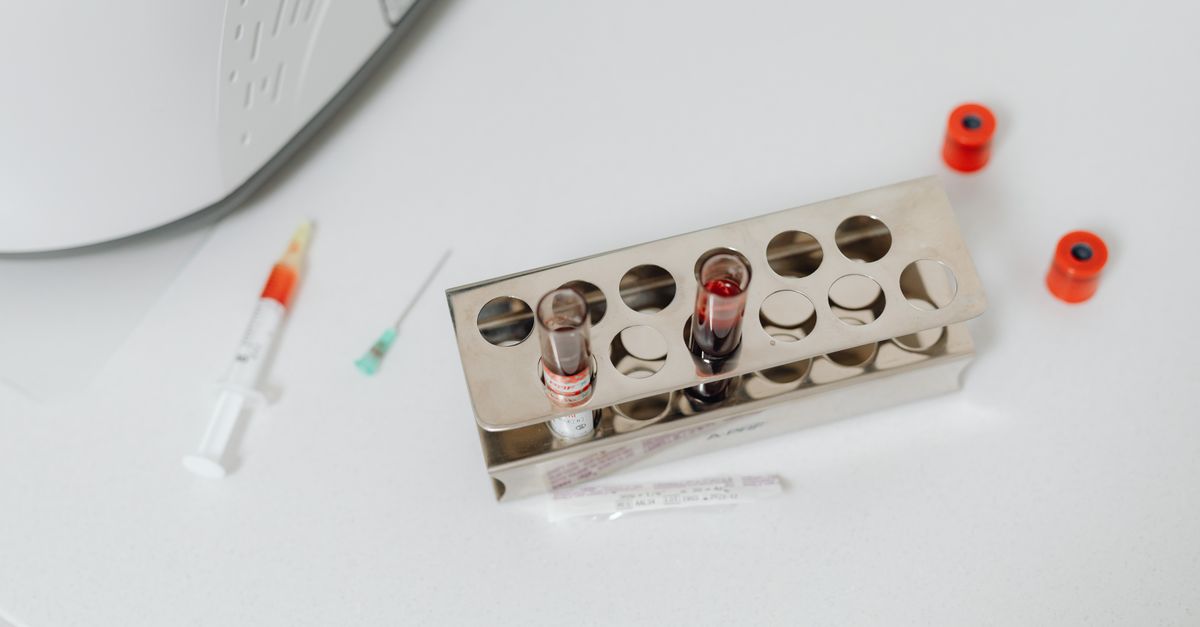
What Is a Normal B12 Level in PCOS?
For most people with PCOS, a B12 level above 300 pg/mL is considered within the standard reference range — but functional deficiency can occur anywhere below 400–500 pg/mL, especially if you're on metformin, follow a plant-based diet, or have elevated homocysteine. The main caveat: "normal" on a lab report and "optimal" are not the same thing. The exception is people with active neurological symptoms or confirmed pernicious anemia, who should be evaluated and treated regardless of where their number lands.
---
Why B12 and PCOS Are More Connected Than Most Labs Suggest
Polycystic ovary syndrome affects an estimated 8–13% of reproductive-age women worldwide (WHO, 2023) and is strongly associated with insulin resistance, elevated androgens, and chronic low-grade inflammation. None of those features directly deplete B12 — but the clinical management of PCOS almost universally does.
Metformin, the most commonly prescribed drug for PCOS-related insulin resistance, inhibits the calcium-dependent membrane action required for B12 absorption in the terminal ileum. A large, well-controlled trial by de Jager et al. (2010; PMID: 20488910) followed 390 type 2 diabetic patients for 4.3 years and found that metformin use was associated with a significant reduction in serum B12 (−57 pmol/L in the metformin group vs. no change in placebo), and a measurable rise in homocysteine. The same mechanism operates in PCOS patients on metformin — and yet routine B12 monitoring is not standard practice in most PCOS protocols.
Beyond metformin, PCOS is associated with dietary patterns that reduce B12 intake. Women managing insulin resistance through plant-forward or low-glycemic diets often reduce animal protein, the primary dietary source of B12. Combined with the high prevalence of subclinical gut permeability issues in PCOS, absorption can be compromised even when intake looks adequate on paper.
---
B12 Level Normal Range by Age
Most clinical laboratories report B12 reference ranges somewhere between 200–900 pg/mL (148–664 pmol/L), though the exact cutoffs vary by assay and lab. "Deficiency" is typically flagged below 200 pg/mL, and "borderline deficient" between 200–300 pg/mL. But these thresholds were set to prevent frank megaloblastic anemia — not to optimize neurological function, fertility, or metabolic health.
Age matters more than most patients are told:
| Age Group | Standard Lower Reference | Functional Optimal Target |
|---|---|---|
| 18–30 | 200 pg/mL | 500–900 pg/mL |
| 31–50 | 200 pg/mL | 500–900 pg/mL |
| 51–65 | 200 pg/mL | 600–900 pg/mL |
| 65+ | 200 pg/mL | 700–1000 pg/mL |
Absorption of B12 from food declines with age as gastric acid production falls, intrinsic factor secretion becomes less reliable, and proton pump inhibitor use increases. A cross-sectional analysis of NHANES data found that B12 status tended to decline across age groups even in the absence of frank deficiency, with older adults at significantly higher risk of metabolic deficiency (measured by elevated methylmalonic acid) at levels labs would still call "normal" (Pfeiffer et al., American Journal of Clinical Nutrition 2007; PMID: 17344484).
For PCOS specifically, the relevant age window is 18–45 — the reproductive years when both hormonal dysfunction and metformin use are most common. During this window, keeping B12 above 500 pg/mL is a practical target for supporting homocysteine regulation, which is directly tied to cardiovascular risk, a concern elevated in PCOS.
---
Optimal B12 Level Range: What the Evidence Actually Supports
The concept of an "optimal" B12 range is distinct from a "normal" range. Normal means you won't develop anemia. Optimal means B12-dependent enzymatic pathways — including methionine synthesis and the methylation cycle — are running efficiently.
The methylation cycle converts homocysteine back to methionine using B12 (as methylcobalamin) and folate (as methyltetrahydrofolate) as cofactors. When B12 is low-normal, this cycle slows and homocysteine accumulates. Elevated homocysteine is not a benign lab finding: a meta-analysis of prospective studies found that each 5 μmol/L rise in homocysteine was associated with a 20% increase in coronary heart disease risk and a 59% increase in stroke risk (Wald et al., BMJ 2002; PMID: 11934777). Women with PCOS already carry elevated baseline cardiovascular risk, making homocysteine management particularly relevant.
Most integrative practitioners and functional medicine guidelines now recommend a target B12 of 500–900 pg/mL for general optimization, with the higher end of that range appropriate for:
- Anyone actively supplementing to correct a depletion
- Individuals on metformin (due to ongoing absorption interference)
- Those with neurological symptoms (fatigue, paresthesias, brain fog)
- Vegans or vegetarians
- Anyone planning pregnancy
B12 above 1,000 pg/mL is rarely harmful from supplementation (B12 is water-soluble and excess is renally excreted), but very high levels without supplementation can occasionally signal liver disease or myeloproliferative disorders and warrant investigation.
If you've ever wondered how blood sugar regulation and micronutrient status interact in PCOS, it's worth reviewing what an optimal fasting insulin level looks like alongside your B12 results — the two markers often move together in insulin-resistant presentations.
---
B12 Level Blood Test: What to Ask For and How to Interpret It
A standard serum B12 test is widely available and inexpensive, but it has a known limitation: it measures total B12 in circulation, including inactive analogs that don't reflect intracellular availability. A person can have a serum B12 of 350 pg/mL that looks acceptable while their tissues are functionally depleted.
More sensitive markers include:
- Methylmalonic acid (MMA): Rises when B12-dependent enzyme methylmalonyl-CoA mutase is impaired. Elevated MMA is the most sensitive functional indicator of intracellular B12 deficiency — more reliable than serum B12 alone.
- Homocysteine: Rises when the B12/folate-dependent methylation cycle slows. Useful but non-specific (also elevated in folate deficiency, hypothyroidism, and renal impairment).
- Holotranscobalamin (Active B12): Measures only the metabolically active fraction of B12. Some labs offer this as a standalone test; it's a better predictor of cellular sufficiency than total serum B12.
For a practical PCOS workup, requesting serum B12 plus homocysteine is a reasonable starting point. If B12 is in the 200–400 pg/mL range and homocysteine is above 10 μmol/L, functional supplementation is typically warranted even if the lab technically flags both as "within range."
This same principle — the gap between "in range" and "optimal" — applies to other PCOS-relevant biomarkers. Understanding what an optimal C-reactive protein level looks like can help contextualize the inflammatory picture that often accompanies low B12 in PCOS.
---
The Metformin–B12 Depletion Loop: How Deep Does It Go?
It bears repeating how significant the metformin effect is. A systematic review and meta-analysis by Niafar et al. (2015; PMID: 25373171) examined 29 studies and confirmed that metformin significantly reduces serum B12 levels compared to placebo or non-metformin controls, with effects detectable as early as 3–6 months into treatment and worsening with duration and dose.
The mechanism: metformin competes with calcium for binding at the intestinal cubilin receptor complex, impairing intrinsic factor–B12 complex uptake. Calcium supplementation (500–1200 mg/day) has been shown in some studies to partially reverse this effect, though it doesn't eliminate it. The practical implication for anyone with PCOS on metformin: B12 should be monitored annually at minimum, and proactive supplementation — particularly with methylcobalamin or hydroxocobalamin forms that bypass some absorption issues — is often appropriate.
Vitamin D status is tightly interwoven with PCOS metabolic outcomes and is worth monitoring alongside B12. For context on what your vitamin D number should actually be, the optimal 25-OH vitamin D range is more debated than most people realize. Pairing both markers in a single blood draw gives a clearer metabolic picture.
---
The B12–Inflammation Link in PCOS
Emerging research suggests B12 may do more than regulate homocysteine. Low B12 is associated with elevated inflammatory markers — including C-reactive protein and interleukin-6 — in metabolic conditions. A cross-sectional study in patients with metabolic syndrome found that B12 status inversely correlated with CRP levels even after adjusting for BMI and dietary intake (Gupta et al., Journal of Postgraduate Medicine 2021). Since PCOS itself is characterized by chronic low-grade inflammation, this overlap suggests that correcting B12 depletion may contribute — modestly but meaningfully — to reducing the inflammatory burden alongside other targeted interventions.
Monitoring triglyceride levels, which are frequently elevated in insulin-resistant PCOS, gives another window into whether the metabolic environment is improving alongside micronutrient repletion.
---
What This Means for Your Formula
At Ones, every formula starts with biomarker data — blood work, wearable trends, and health history — fed into an AI health practitioner that identifies gaps between where your levels are and where they should be for optimal function, not just to avoid a lab flag.
For someone with PCOS presenting with low-normal B12, elevated homocysteine, or metformin use, a Ones formula might include:
- Methylcobalamin (B12): The active, neurologically-available form of B12, dosed to drive serum levels into the 500–900 pg/mL functional target range. Methylcobalamin bypasses the conversion step that adenosylcobalamin requires, making it the preferred form for anyone with potential methylation variants or absorption issues.
- Folate (as methylfolate/5-MTHF): B12 and folate operate as co-dependent cofactors in the homocysteine-to-methionine conversion. Without adequate active folate, B12 repletion alone corrects serum levels but doesn't fully normalize the methylation cycle. Ones uses methylfolate rather than folic acid to sidestep common MTHFR polymorphisms that impair folate conversion.
- Vitamin D3 + K2 (MK-7): Vitamin D deficiency is extremely prevalent in PCOS and compounds the metabolic and inflammatory picture. Ones pairs D3 with MK-7 (the bioactive menaquinone form of K2) to support calcium directionality alongside immune and endocrine function — a formulation approach backed by evidence on D3/K2 synergy detailed in how D3 and K2 work together.
The specific ingredients included — and their doses — are determined by the AI based on your individual lab results and capsule budget, not by a one-size-fits-all stack.
---
Key Takeaways
- Standard B12 reference ranges (200–900 pg/mL) are set to prevent anemia, not to optimize methylation, energy, or neurological function — the functional target for most adults is 500–900 pg/mL.
- PCOS increases B12 depletion risk through metformin use, dietary changes, and possible gut absorption issues; B12 should be monitored annually in anyone with PCOS.
- The metformin–B12 depletion effect is well-documented, measurable within 3–6 months of starting treatment, and worsens with dose and duration.
- Serum B12 alone is an imperfect marker — homocysteine and methylmalonic acid provide a more accurate picture of functional B12 status at the cellular level.
- Age influences both absorption efficiency and optimal target ranges; older adults need higher circulating levels to maintain the same functional output.
- Pairing B12 repletion with methylfolate, vitamin D3, and regular monitoring of inflammatory and metabolic markers (CRP, homocysteine, fasting insulin) gives the most complete picture for managing PCOS-related micronutrient depletion.
---
This article is for informational purposes only and does not constitute medical advice. Consult a licensed healthcare provider before making changes to your supplement regimen or interpreting lab results.