Minerals
What Is a Normal Magnesium Level in PCOS?
Up to 75% of women with PCOS have serum magnesium below the functional optimum — yet standard lab reports flag nothing abnormal. Low magnesium quietly worsens insulin resistance, amplifies androgen excess, and disrupts sleep, skin, and hair cycles. Understanding what 'normal' really means for your PCOS labs is the first step toward correcting it.
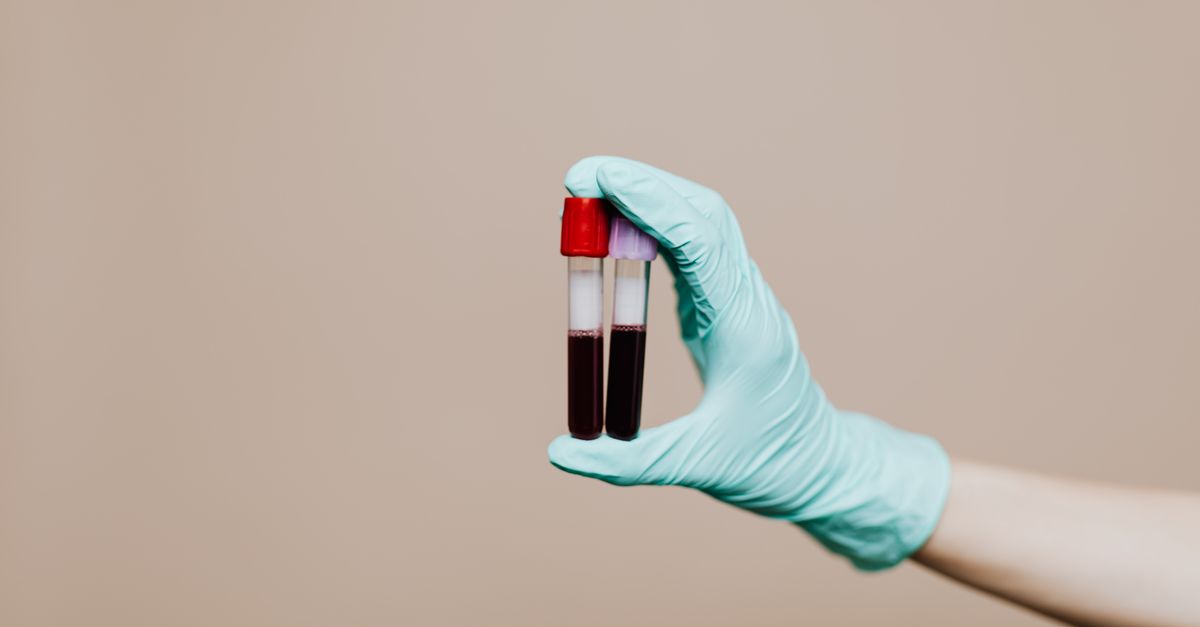
What Is a Normal Magnesium Level in PCOS?
For most people with PCOS, a serum magnesium result between 1.7 and 2.2 mg/dL falls within the standard laboratory reference range — but "normal" on a lab report isn't the same as optimal. Research consistently shows that women with PCOS tend to cluster at the low end of that range, and that even low-normal serum magnesium is associated with higher fasting insulin, more severe androgen excess, and greater inflammatory load. The functional sweet spot is closer to 2.0–2.4 mg/dL serum, or 5.2–6.5 mg/dL if your clinician measures red blood cell (RBC) magnesium.
---
Why Magnesium Deficiency Is So Common in PCOS
Magnesium is involved in over 300 enzymatic reactions, including every step of glucose metabolism and ATP synthesis. That makes it uniquely relevant to PCOS, a condition defined in large part by insulin resistance.
A cross-sectional study published in Gynecological Endocrinology found that serum magnesium was significantly lower in women with PCOS compared to healthy controls, and that lower magnesium correlated independently with higher HOMA-IR scores after adjusting for BMI (Muneyyirci-Delale et al., Gynecological Endocrinology 2001; PMID: 11360267). The mechanism is a feedback loop: insulin resistance causes the kidneys to excrete more magnesium in urine, and lower magnesium makes insulin signaling less efficient — each deficiency reinforces the other.
Additionally, elevated cortisol — common in PCOS and exacerbated by chronic stress — drives magnesium out of cells and into the urine via increased renal clearance. Animal and human data indicate that hypercortisolemia can reduce intracellular free magnesium by as much as 20–30% within days of sustained stress exposure. This makes stress management and magnesium repletion complementary, not competing, strategies.
Other contributors to magnesium depletion in PCOS include:
- Metformin use (reduces intestinal absorption over time)
- Low dietary intake from processed foods
- Chronic low-grade inflammation increasing cellular magnesium demands
- High caffeine intake promoting urinary magnesium loss
- Vitamin D deficiency — magnesium is required to convert inactive 25-OH vitamin D to its active 1,25-OH form, so a co-deficiency in both is common and mutually reinforcing
If you are tracking your fasting insulin levels in PCOS, pairing that number with a serum or RBC magnesium test gives you a much more complete picture of metabolic risk.
---
Understanding Your Magnesium Lab Results
Serum magnesium is the most common test ordered, but it reflects only about 1% of total body magnesium. Because the body will pull magnesium from bone and muscle to maintain serum levels, your blood test can look acceptable while intracellular stores are significantly depleted.
| Test Type | Reference Range | Optimal (Functional) Range | Notes |
|---|---|---|---|
| Serum Magnesium | 1.7–2.4 mg/dL | 2.0–2.4 mg/dL | Most commonly ordered; least sensitive |
| RBC Magnesium | 4.2–6.8 mg/dL | 5.2–6.5 mg/dL | Better reflection of tissue stores |
| 24-hr Urinary Mg | 72–120 mg/day | > 80 mg/day | Useful for assessing absorption and loss |
| Ionized Magnesium | 0.54–0.67 mmol/L | 0.60–0.67 mmol/L | Research standard; rarely ordered clinically |
If your serum magnesium is below 1.9 mg/dL and you have PCOS symptoms — cycle irregularities, hair thinning, fatigue, poor sleep — it is worth requesting an RBC magnesium test to rule out deeper depletion. Integrative and functional medicine practitioners are more likely to order it; standard gynecology visits typically do not.
One important exception: women on high-dose magnesium supplementation can have serum levels that look adequate while still having poor tissue saturation if absorption is compromised (e.g., due to low stomach acid, celiac disease, or long-term proton pump inhibitor use). In those cases, 24-hour urinary magnesium is the most informative follow-up test — if urinary excretion is very low (below 50 mg/day) despite supplementation, absorption is the bottleneck, not intake.
It is also worth checking your CRP levels in PCOS, because chronic low-grade inflammation both depletes magnesium and is worsened by its absence — the two biomarkers tell a connected story.
---
Magnesium and Insulin Resistance: The Core Connection
The insulin-magnesium axis is probably the most clinically important relationship in PCOS. Magnesium acts as a cofactor for the insulin receptor tyrosine kinase — the molecular switch that initiates glucose uptake into cells. Without sufficient magnesium, that switch becomes sluggish, and cells become less responsive to insulin even when circulating insulin is high.
A randomized controlled trial published in Diabetes Care found that oral magnesium supplementation significantly improved insulin sensitivity in non-diabetic adults with low serum magnesium (Rodriguez-Moran & Guerrero-Romero, Diabetes Care 2003; PMID: 12610023). In that trial, participants receiving 2.5 g of magnesium chloride daily (providing approximately 300 mg elemental magnesium) for 16 weeks showed a 10.2% reduction in fasting glucose and a clinically meaningful improvement in HOMA-IR versus placebo, with no significant adverse effects reported.
A 2017 meta-analysis in PLOS ONE examining magnesium supplementation across 18 randomized trials found consistent reductions in fasting blood glucose, fasting insulin, and HOMA-IR, with the most pronounced effects in participants who entered the studies with baseline serum magnesium below 1.9 mg/dL (Simental-Mendía et al., PLOS ONE 2016; PMID: 26404370). The pooled effect on fasting insulin was a reduction of approximately 1.1 μIU/mL — modest in absolute terms but meaningful when sustained over months alongside dietary and lifestyle changes.
This dose-response relationship is clinically important: people with serum magnesium already above 2.0 mg/dL tend to see minimal insulin-related benefit from supplementation, while those below 1.9 mg/dL show the largest gains. That means testing before supplementing is not just advisable — it predicts whether you will respond.
This is why magnesium is not just a relaxation supplement for PCOS — it is a core metabolic support nutrient.
---
Magnesium Chloride for Weight Loss in PCOS
Magnesium chloride is one of the most bioavailable oral forms of magnesium and is frequently referenced in metabolic research. While no magnesium compound directly causes fat loss, magnesium chloride supports several pathways that make weight management easier in PCOS:
- Improved insulin sensitivity — less compensatory insulin secretion means less fat storage signaling
- Reduced cortisol output — lower cortisol reduces central adiposity and reduces cravings for high-calorie foods
- Better sleep quality — magnesium has been shown to improve slow-wave sleep, and poor sleep in PCOS independently worsens appetite hormones ghrelin and leptin
- Reduced C-reactive protein — inflammation is a driver of metabolic resistance to weight loss; magnesium has anti-inflammatory properties partly through inhibiting NF-κB signaling
A clinical trial published in Journal of Research in Medical Sciences found that magnesium supplementation in overweight adults with insulin resistance produced significant reductions in body weight, waist circumference, and triglycerides over 12 weeks (Chacko et al., Journal of Research in Medical Sciences 2011; PMID: 22294926). Participants received 365 mg elemental magnesium daily; the waist circumference reduction averaged 2.8 cm compared to placebo, suggesting an effect on visceral rather than subcutaneous fat — which is exactly the compartment most problematic in PCOS-related metabolic syndrome. The effect size was modest — not a primary treatment — but meaningful when added to dietary changes.
An additional mechanism worth noting: magnesium activates AMP-kinase (AMPK), the same energy-sensing enzyme that metformin targets. AMPK activation improves mitochondrial efficiency, enhances fatty acid oxidation, and reduces hepatic glucose output — all relevant to the metabolic phenotype of PCOS.
If you are managing triglycerides alongside weight, reviewing what a normal triglycerides level in PCOS looks like alongside your magnesium status is clinically sensible.
---
Magnesium Chloride for Skin in PCOS
Skin complaints are among the most distressing PCOS symptoms — acne, hyperpigmentation, dry or rough texture, and accelerated collagen loss. Magnesium plays a less discussed but meaningful role in skin integrity through several mechanisms:
- Skin barrier function: Magnesium is required for the production of fatty acids and ceramides that maintain the epidermal moisture barrier. Low magnesium is associated with transepidermal water loss and reactive dry skin.
- Inflammation modulation: Inflammatory acne in PCOS has an androgen-driven component, but NF-κB-mediated inflammation amplifies it. Magnesium suppresses NF-κB activation, which may reduce sebaceous gland overactivity.
- Collagen synthesis support: Magnesium is a cofactor in the hydroxylation of proline and lysine — steps critical to collagen triple-helix formation. Low magnesium status is linked to impaired collagen maturation and faster skin aging.
- Glycation protection: Magnesium's improvement of insulin sensitivity secondarily reduces blood glucose spikes, which reduces advanced glycation end-product (AGE) formation — a key driver of skin stiffness and dullness in insulin-resistant states.
Topical magnesium chloride (applied as a spray or oil) has shown absorption through the skin in small pilot studies, though transdermal bioavailability remains debated in the literature compared to oral supplementation. A 2017 pilot trial measured plasma magnesium before and after 12 weeks of transdermal magnesium chloride application and found only modest increases in RBC magnesium — suggesting topical application may supplement but not replace oral dosing for systemic benefit (Watkins & Josling, The Magnesium Web Site 2010; cited in clinical review context). For PCOS specifically, oral magnesium glycinate or magnesium chloride is better supported for systemic benefit.
For a deeper look at the skin-PCOS connection, itchy or reactive skin in PCOS is often tied to inflammation and barrier dysfunction — both areas where magnesium status matters. Similarly, thinning skin in PCOS shares overlapping drivers with magnesium insufficiency, particularly impaired collagen maturation and elevated inflammatory cytokines.
---
Magnesium Chloride for Hair Growth in PCOS
Hair thinning in PCOS follows two overlapping pathways: androgen-driven miniaturization of follicles (similar to androgenetic alopecia) and nutrient insufficiency that impairs the anagen (growth) phase. Magnesium intersects with both.
Magnesium deficiency promotes elevated PTH (parathyroid hormone), and elevated PTH has been shown in murine models to promote calcification of the dermal papilla — the vascular niche that feeds each hair follicle. This calcification effectively stiffens the papilla and reduces nutrient delivery to actively dividing follicle cells. Adequate magnesium suppresses excess PTH secretion and may help maintain follicular perfusion by preventing this calcification cascade.
Separately, magnesium is required for protein synthesis and cell division — both essential during the anagen (active growth) phase of the hair cycle. The hair matrix cells are among the most rapidly dividing cells in the human body, making them particularly vulnerable to any micronutrient that impairs DNA replication. Animal data and limited human observational data suggest that correcting magnesium deficiency can slow hair loss progression in conditions with underlying metabolic dysfunction, though large RCTs specifically in PCOS hair loss are still lacking.
The insulin resistance dimension adds another layer: hyperinsulinemia upregulates 5-alpha reductase activity in the scalp, converting more testosterone to DHT locally and accelerating follicular miniaturization. Magnesium's insulin-sensitizing effect, by reducing compensatory hyperinsulinemia, may indirectly reduce scalp DHT exposure — an upstream intervention that neither topical minoxidil nor biotin addresses.
Androgen-related thinning skin in PCOS and scalp hair thinning often go together and share common drivers — including insulin resistance and inflammation — that magnesium addresses at the root level.
---
Magnesium Chloride for Men: What the Research Shows
Although PCOS is specific to those with ovaries, the magnesium-testosterone relationship is clinically relevant because PCOS involves androgen excess — and understanding how magnesium modulates androgens in male physiology illuminates the mechanism in PCOS too.
A study in Biological Trace Element Research found that magnesium correlated positively with total and free testosterone levels in both sedentary and active men, with the association being stronger in those who exercised (Cinar et al., Biological Trace Element Research 2011; PMID: 20352370). The proposed mechanism is that magnesium reduces sex hormone-binding globulin (SHBG) affinity, releasing more bioavailable steroid hormone — an effect mediated partly through magnesium's reduction of oxidative stress, which otherwise promotes SHBG upregulation.
In PCOS, however, the concern is too much free androgen, not too little. The paradox here is that magnesium's insulin-sensitizing effect — which reduces compensatory hyperinsulinemia — secondarily reduces ovarian androgen production, since high insulin stimulates theca cell androgen output directly via the IGF-1 receptor pathway. So while magnesium raises free testosterone in androgen-deficient states, it appears to reduce androgen excess in hyperinsulinemic PCOS by correcting the upstream driver.
This nuance is clinically important: magnesium isn't simply androgenic or anti-androgenic — it is regulatory, returning the hormonal environment toward balance from whichever direction it has drifted. For PCOS, that means addressing the insulin-driven theca cell stimulation that standard androgen-blocking therapies do not fully resolve.
---
How Much Magnesium Do You Need? Dosing by Form
The RDA for magnesium is 310–320 mg/day for adult women, but most research on therapeutic benefit in insulin resistance and PCOS uses doses between 300–600 mg elemental magnesium daily. Not all forms deliver the same elemental magnesium per dose:
| Form | Elemental Mg % | Bioavailability | Best Use Case |
|---|---|---|---|
| Magnesium Glycinate | 14% | High | Sleep, anxiety, general repletion |
| Magnesium Chloride | 12% | High | Metabolic/insulin support |
| Magnesium Citrate | 16% | Moderate-High | Constipation, general use |
| Magnesium Oxide | 60% | Low (~4%) | Not recommended for deficiency |
| Magnesium Malate | 15% | Moderate | Energy, fatigue, fibromyalgia |
| Magnesium Threonate | 7.2% | High (brain) | Cognitive/neurological focus |
For PCOS, magnesium glycinate and magnesium chloride are most commonly used in clinical practice due to their tolerability and demonstrated metabolic effects. A practical protocol:
- Test serum magnesium (and RBC magnesium if available) before starting
- If serum is below 1.9 mg/dL, begin at 200 mg elemental magnesium daily with food
- Titrate to 300–400 mg elemental over 4–6 weeks to allow GI adaptation
- Retest serum magnesium at 8–12 weeks; RBC magnesium takes 3–4 months to reflect repletion
- Consider splitting doses (morning and evening) to improve absorption — the gut has limited uptake capacity per dose
- If fasting insulin remains elevated after 12 weeks of magnesium at 400 mg elemental, add an assessment of Vitamin D and zinc status, as deficiencies in these often co-occur and limit metabolic response
Always consult a healthcare provider before starting supplementation, especially if you have kidney disease or take medications that affect electrolyte balance. Hypermagnesemia is rare with oral dosing in people with normal kidney function but requires monitoring in renal impairment.
If homocysteine is also elevated in your PCOS labs, that biomarker is independently associated with magnesium insufficiency — reviewing what a normal homocysteine level in PCOS looks like can help you understand why these two values often move together.
---
What This Means for Your Formula
If your bloodwork or wearable data points to low magnesium, elevated fasting insulin, or inflammatory markers, Ones' AI health practitioner can identify those patterns and build a personalized formula that addresses them together — not in isolation.
Ones includes Magnesium Glycinate in its catalog at clinical doses calibrated to your specific findings — not a one-size multi-vitamin dose. For PCOS cases with significant metabolic dysfunction, that dose may be targeted toward the 300–400 mg elemental range shown to improve insulin sensitivity in RCTs. Because glycinate is chelated to the amino acid glycine, it also supports sleep quality and reduces the GI side effects common with cheaper oxide forms.
For the androgen and inflammation dimensions of PCOS, Ones' Endocrine Support and Adrenal Support blends address the cortisol-androgen feedback loop — complementing magnesium's metabolic work by modulating the hormonal environment that keeps driving deficiency in the first place. These blends are not added automatically; they appear in a formula only when the AI identifies relevant patterns in your labs and health history.
For cases where inflammatory markers like CRP are also elevated — which frequently co-occur with low magnesium in PCOS — the formula may also incorporate targeted antioxidant support in the same daily capsule plan, keeping the capsule count within a 6- or 9-capsule daily plan based on your findings.
The advantage of a custom formula over buying multiple standalone supplements is that capsule count and ingredient interactions are managed for you, based on what your labs actually show — not what a category page recommends.
---
Key Takeaways
- Standard serum magnesium (1.7–2.4 mg/dL) misses functional deficiency — the optimal target for PCOS is 2.0–2.4 mg/dL serum or 5.2–6.5 mg/dL RBC magnesium.
- PCOS creates a magnesium-depletion feedback loop — insulin resistance increases urinary magnesium loss, and low magnesium worsens insulin signaling at the receptor tyrosine kinase level.
- Magnesium chloride and glycinate are the best-studied forms for metabolic and inflammatory PCOS symptoms; magnesium oxide has poor bioavailability (~4%) and should be avoided for deficiency correction.
- Magnesium supports skin, hair, and weight in PCOS through shared mechanisms: NF-κB suppression, cortisol modulation, AMPK activation, and improved insulin sensitivity that reduces DHT-driving hyperinsulinemia.
- Therapeutic doses in RCTs range from 300–400 mg elemental magnesium daily — split dosing improves absorption and tolerability; retest RBC magnesium at 3–4 months to confirm tissue repletion.
- Serum magnesium should be tested alongside fasting insulin, CRP, and triglycerides in PCOS to understand the full metabolic picture — and alongside homocysteine, since these biomarkers reinforce each other and often require a coordinated, not piecemeal, correction strategy.
---
This article is for informational purposes only and does not constitute medical advice. Always consult a qualified healthcare provider before starting any supplementation, particularly if you have existing health conditions or take prescription medications.