Women's Health
What Is a Normal RDW Level in PCOS?
RDW is a red blood cell marker most people ignore on their CBC — but in PCOS it often flags iron deficiency, chronic inflammation, or B-vitamin gaps before more obvious symptoms appear. Understanding your RDW can help explain fatigue, dizziness, and other symptoms that standard PCOS panels miss.
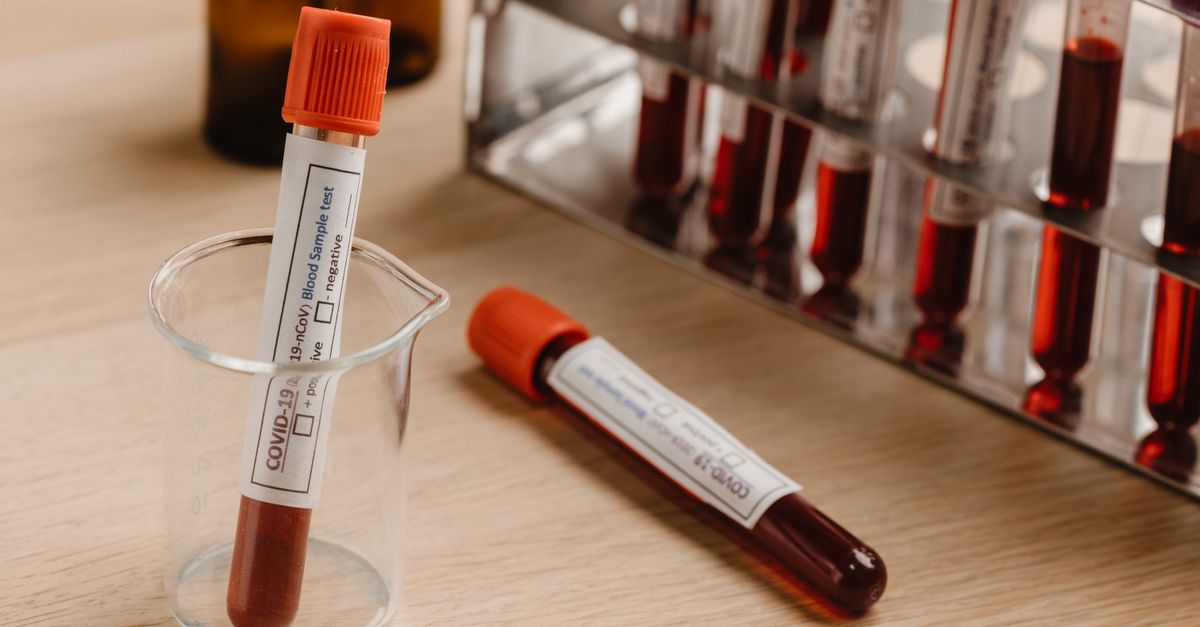
What Is a Normal RDW Level in PCOS?
For most women with PCOS, a normal RDW falls between 11.5% and 14.5% — the same reference range used in the general population. The critical caveat: PCOS-related iron deficiency, chronic low-grade inflammation, and folate or B12 insufficiency all push RDW upward, so a value above 14.5% in a PCOS context almost always warrants follow-up rather than reassurance. Women with well-controlled PCOS and no nutritional gaps typically land in the 12–13.5% range.
---
What RDW Actually Measures — and Why PCOS Changes It
Red cell distribution width (RDW) is reported on every complete blood count (CBC) but rarely explained. It quantifies the variability in size among your circulating red blood cells. A low number means your red cells are uniform; a high number means some cells are much larger or smaller than others — a pattern called anisocytosis.
Normal red cells are ~6–8 micrometers in diameter. When the bone marrow is pushed out of its normal rhythm — by iron deficiency, vitamin B12 or folate deficiency, chronic inflammation, or thyroid dysfunction — it releases red cells at inconsistent sizes, raising RDW.
PCOS creates several of these conditions simultaneously:
- Iron deficiency is common due to heavier or irregular menstrual bleeding.
- Chronic low-grade inflammation is a well-documented feature of PCOS; elevated CRP and IL-6 impair normal red cell maturation (Duleba & Dokras, American Journal of Obstetrics and Gynecology 2012; PMID: 22244469).
- Folate insufficiency is more prevalent in women with PCOS, partly because metformin — a first-line treatment — reduces folate and B12 absorption over time.
- Thyroid dysfunction co-occurs with PCOS at significantly higher rates than in the general population. Hypothyroidism independently elevates RDW. If you're tracking what is a normal free T4 level in PCOS, know that suboptimal thyroid function is one of the underappreciated drivers of a high RDW.
In short, RDW in PCOS is a composite stress signal — it reflects nutritional status, inflammatory load, and metabolic stability all at once.
---
RDW Reference Ranges: What the Numbers Mean
| RDW Value | Interpretation in PCOS Context |
|---|---|
| < 11.5% | Rare; may suggest microcytic anemia from iron overload or thalassemia trait |
| 11.5% – 13.0% | Optimal — uniform red cell production, low nutritional-gap signal |
| 13.1% – 14.5% | Upper-normal — investigate iron stores (ferritin), folate, B12 |
| 14.6% – 16.0% | Mildly elevated — likely iron deficiency or mixed nutritional deficiency |
| > 16.0% | Significantly elevated — warrants full workup: iron panel, B12, folate, thyroid, inflammatory markers |
Note that labs report RDW as either RDW-CV (coefficient of variation, most common in the US) or RDW-SD (standard deviation). The ranges above apply to RDW-CV. If your report says RDW-SD, the normal range is approximately 39–46 fL.
---
Why RDW Stays Elevated for Months — The Recovery Timeline
One of the most frustrating experiences reported by women managing PCOS is improving their diet, starting supplements, and still seeing their labs look off 6, 10, or even 15 months later. This is biologically expected.
Red blood cells have a lifespan of roughly 100–120 days. When you correct an iron or folate deficiency, the bone marrow begins producing properly sized cells — but the old, irregularly sized cells continue circulating until they naturally die off. A meaningful drop in RDW may not appear on labs for 3–4 months after the underlying deficiency is corrected. Full normalization can take 6–9 months if the deficiency was longstanding.
This explains why women tracking PCOS recovery over longer periods — often a year or more — still show elevated RDW even when their symptoms are improving and energy is returning. The number is lagging behind the biology. Clinicians sometimes refer to RDW as a "memory" biomarker: it reflects cumulative red cell production over the past several months, not just your status today.
If you have been managing PCOS actively for over a year and your RDW is trending downward — even if it hasn't normalized — that directional improvement is meaningful. Pair it with a current ferritin, serum folate, and B12 to understand which deficiency, if any, is still contributing.
---
PCOS, Nausea, Dizziness, and What RDW Can Explain
Nausea and dizziness are among the most commonly reported but least investigated symptoms in PCOS. Women frequently describe these symptoms without a clear explanation from their care team. Elevated RDW may be a missing piece of that puzzle.
Functional anemia — where hemoglobin is technically normal but iron stores (ferritin) are depleted and red cell production is inefficient — is a recognized cause of:
- Orthostatic dizziness (lightheadedness when standing)
- Persistent nausea, especially in the morning
- Exercise intolerance and rapid heart rate on exertion
- Brain fog and difficulty concentrating
In women with PCOS, this pattern is often missed because hemoglobin and hematocrit remain in the normal range while RDW and ferritin point to a problem. A study of women with iron deficiency without overt anemia found significant reductions in quality of life, fatigue, and cognitive performance compared to iron-replete controls — effects that resolved with iron repletion (Vaucher et al., PLOS ONE 2012; PMID: 22720023).
If you're experiencing unexplained nausea and dizziness alongside a high RDW, ask your provider for a full iron panel (not just a CBC) including serum ferritin, serum iron, TIBC, and transferrin saturation. A ferritin below 30 ng/mL in a symptomatic woman almost always warrants treatment, even if hemoglobin is normal.
---
The Psychological Weight of Watching Your Labs Slowly Normalize
Lab work in PCOS is rarely a short story. Women managing this condition often describe checking biomarkers month after month, watching numbers move glacially, and feeling an enormous psychological burden when progress is slow or invisible on paper.
RDW is particularly demoralizing because it can stay elevated long after you feel better — or stay elevated while you still feel terrible and are trying hard to understand why. The gap between subjective improvement and objective lab normalization is real, and it matters.
Chronic conditions with fluctuating, hard-to-normalize labs are associated with higher rates of health anxiety, frustration with the medical system, and decision fatigue around supplements and diet. This is not weakness; it is the predictable psychological consequence of managing a complex, multi-system condition with incomplete feedback loops.
A few things that are clinically supported:
- Track trends, not snapshots. A single RDW value is less meaningful than a series of values over 6–12 months.
- Address the modifiable drivers. If your RDW is elevated, identifying and correcting the specific deficiency (iron vs. folate vs. B12 vs. inflammation) gives you something actionable.
- Validate your experience. Slow lab normalization is not the same as no progress. Bone marrow biology has a built-in lag, and that lag is not your failure.
For women navigating the metabolic intersections of PCOS — where fasting insulin and fasting glucose are also in motion — the cumulative cognitive load of managing multiple biomarkers simultaneously is genuinely hard, and that deserves acknowledgment.
---
When a Tumor or Secondary Condition Is Driving the Picture
Occasionally, abnormal RDW in PCOS does not respond to straightforward nutritional correction — and when that happens, a secondary condition needs to be ruled out.
Several conditions can co-exist with PCOS and independently disrupt red cell production:
- Adrenal tumors (adrenal adenomas or, rarely, pheochromocytomas): These can elevate androgens, worsen insulin resistance, and through chronic inflammatory and hormonal stress, impair erythropoiesis. Elevated DHEA-S that doesn't fit the usual PCOS pattern is a flag — reviewing what is a normal DHEA-S level with PCOS can help contextualize whether your androgen picture points toward ovarian or adrenal origin.
- Celiac disease: Significantly more prevalent in women with PCOS than in the general population. Celiac causes malabsorption of iron, folate, and B12 — all three primary drivers of elevated RDW — and can produce a persistently high RDW that doesn't respond to oral supplementation because the gut isn't absorbing it.
- Hypothyroidism: As noted above, thyroid dysfunction directly impairs red cell maturation. An elevated RDW that co-occurs with fatigue, cold intolerance, constipation, and slow pulse warrants thyroid testing.
- Inflammatory bowel disease: The connection between PCOS and gut-related conditions is an emerging research area. Chronic intestinal inflammation impairs nutrient absorption and is itself a cause of elevated RDW through the inflammatory pathway.
If your RDW remains above 15% despite 3–4 months of targeted nutritional correction, a workup that goes beyond the CBC is warranted.
---
RDW, Constipation, and the Gut-PCOS Connection
Constipation is a poorly studied but commonly reported symptom in PCOS. It sits at the intersection of several PCOS-related mechanisms: elevated progesterone can slow intestinal motility; insulin resistance affects the gut nervous system; and the gut microbiome in PCOS is measurably altered compared to controls (Org et al., Cell Host & Microbe 2016; PMID: 27456067).
Why does this matter for RDW? Because a compromised gut directly impairs nutrient absorption. Women with PCOS who also have constipation, bloating, and irregular bowel habits may be absorbing significantly less iron, folate, magnesium, and B12 from food and supplements than they assume. This malabsorption pattern can drive RDW elevation despite seemingly adequate dietary intake.
Practically:
- Iron absorption is highly dependent on stomach acid and intestinal transit time. Constipation reduces the absorptive surface contact time for non-heme iron.
- Folate from food requires healthy small intestinal function to be absorbed efficiently.
- Magnesium deficiency — extremely common in PCOS — contributes to gut motility problems, creating a feedback loop where the deficiency worsens the symptoms that make it harder to correct.
If you're dealing with both an elevated RDW and persistent constipation, addressing gut health is not separate from addressing your labs — it is part of the same problem.
---
What This Means for Your Formula
For women with PCOS and elevated RDW, the supplementation picture depends entirely on which driver is dominant. A platform like Ones — which analyzes lab results including CBC, iron panels, and inflammatory markers — can identify whether the RDW elevation reflects iron deficiency, B-vitamin gaps, inflammation, or a combination, and calibrate a formula accordingly.
Three ingredients in the Ones catalog are particularly relevant here:
- Zinc (clinically dosed): Zinc is a cofactor in red cell membrane integrity and plays a role in regulating folate metabolism. Women with PCOS show higher rates of zinc insufficiency (Maktabi & Jamilian, Biological Trace Element Research 2017; PMID: 28210925), and correcting zinc status supports both hormonal and hematological markers. You can review what constitutes a low-normal zinc level in PCOS to understand where your labs may fall short.
- Folate (as methylfolate): For women on metformin or with MTHFR polymorphisms, active methylfolate bypasses the conversion step that can be rate-limiting with standard folic acid. Adequate folate directly corrects one of the primary causes of elevated RDW.
- Ones Adrenal Support blend: Chronic HPA axis activation — common in PCOS — sustains the inflammatory environment that impairs erythropoiesis. Supporting adrenal function can reduce the inflammatory signal that contributes to persistently elevated RDW over time.
Formulas are structured as 6 or 9-capsule daily plans, with the AI determining the appropriate capsule budget based on the totality of your lab findings and health history — not a plan you select from a menu.
---
Key Takeaways
- A normal RDW in PCOS is 11.5%–14.5% (RDW-CV); values above 14.5% warrant investigation into iron stores, folate, B12, thyroid function, and inflammatory markers.
- RDW is a lagging biomarker — it can remain elevated for 6–9 months after the underlying deficiency is corrected, because old irregularly-sized red cells must complete their natural lifespan before being cleared.
- In PCOS, the most common drivers of elevated RDW are iron deficiency from heavy bleeding, folate and B12 insufficiency (especially with metformin use), and chronic low-grade inflammation.
- Unexplained nausea and dizziness in PCOS may reflect functional iron deficiency even when hemoglobin is technically normal — RDW and ferritin together tell the fuller story.
- A persistently elevated RDW that doesn't respond to targeted nutrition correction should prompt evaluation for celiac disease, adrenal pathology, thyroid dysfunction, or inflammatory bowel conditions.
- Gut health and RDW are connected: constipation and microbiome disruption common in PCOS impair absorption of the very nutrients needed to normalize red cell production.
---
This article is for informational purposes only and does not constitute medical advice. Consult a qualified healthcare provider before making changes to your supplementation or treatment plan.