Supplements
What Is Fadogia Agrestis Good For?
Fadogia agrestis has generated enormous buzz as a natural testosterone booster, yet virtually every clinical claim rests on rat studies from a single Nigerian research group. Understanding what the science actually shows — and where it stops — is essential before adding it to your stack.
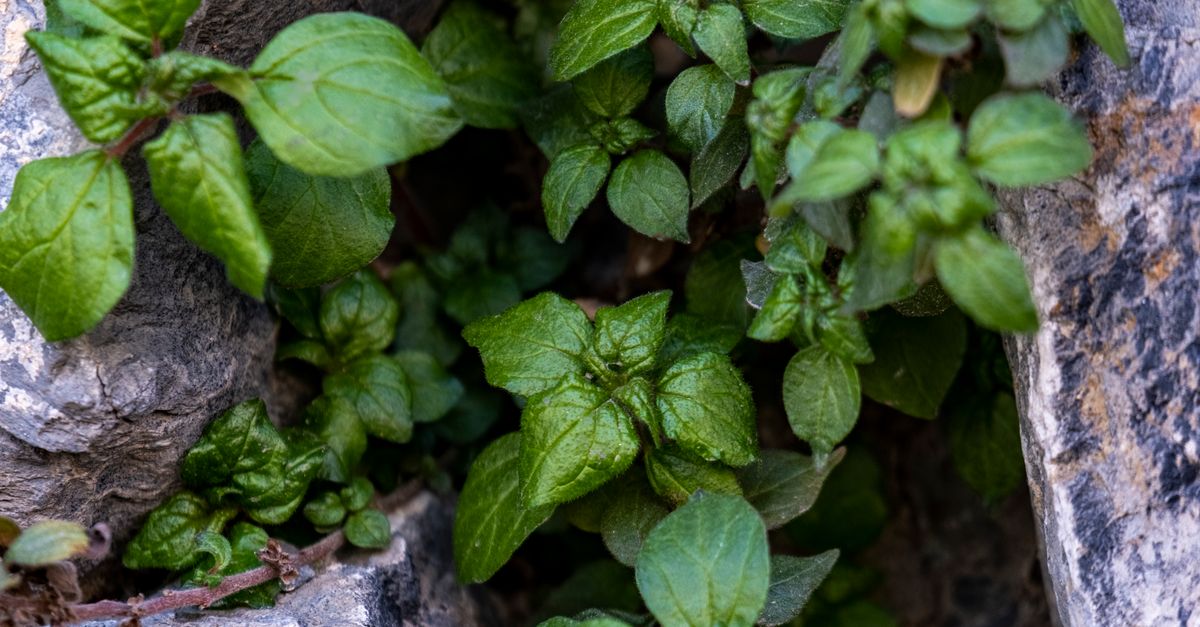
What Is Fadogia Agrestis Good For?
Fadogia agrestis is a West African shrub that appears to raise luteinizing hormone (LH) and, by extension, testosterone in animal models. The effect is real enough to take seriously, but human clinical trials are essentially absent — so the benefit is plausible, not proven. People with clinically low testosterone under medical supervision are the most defensible use case; healthy men hoping for a large, immediate boost are likely to be disappointed.
---
What Is Fadogia Agrestis and Where Does It Come From?
Fadogia agrestis is a shrubby plant native to Nigeria and other parts of sub-Saharan Africa. Traditional healers have long used the stem and root extracts for aphrodisiac effects, fever management, and general vitality. The plant belongs to the Rubiaceae family and contains alkaloids, saponins, anthraquinones, and flavonoids — a phytochemical mix that researchers believe drives its hormonal and pro-inflammatory effects.
Interest from the Western sports-nutrition world surged after high-profile podcast discussions in 2022, but the underlying animal research dates back to a pivotal 2005 study by Yakubu and colleagues at the University of Ilorin, Nigeria, which remains one of the most-cited preclinical sources on the compound. Ethnobotanical surveys document its use across several West African countries for conditions ranging from sickle-cell pain crises to malaria fever — a breadth of traditional application that suggests genuine biological activity, even if the specific mechanisms differ from what modern supplement marketing emphasizes.
The plant's saponin fraction is considered the primary bioactive driver for the hormonal effects. Saponins in other botanicals — notably Tribulus terrestris — have been investigated for similar LH-stimulating properties, though Tribulus's testosterone-boosting reputation in humans has largely failed to replicate in randomized controlled trials (Qureshi et al., Journal of Dietary Supplements 2014; PMID: 24559105). That cautionary tale is worth keeping in mind when evaluating Fadogia.
---
What Does the Research Say About Fadogia Agrestis Benefits?
The most compelling evidence comes from a series of rat studies conducted between 2005 and 2008.
Testosterone elevation: Yakubu et al. (2005) administered aqueous stem extract of Fadogia agrestis to male rats at 18, 50, and 100 mg/kg/day for five days and found dose-dependent increases in serum testosterone, mounting frequency, and ejaculation latency compared to controls (Yakubu et al., Journal of Ethnopharmacology 2005; PMID: 16182482). The 100 mg/kg dose roughly tripled testosterone values in rats — a striking finding, but extrapolating rat doses to humans is notoriously unreliable. Using the standard FDA body-surface-area conversion factor of 6.2, a 100 mg/kg rat dose translates to approximately 16 mg/kg in a 70 kg human — around 1,100 mg per day. Most commercial products dose between 400 and 600 mg, meaning they may sit well below the dose that produced the largest effects in the animal model.
LH-mediated mechanism: The proposed mechanism is stimulation of LH secretion from the pituitary, which then signals the Leydig cells in the testes to produce more testosterone. This is a physiologically coherent pathway — it mirrors the mechanism of pharmaceutical LH analogs used in fertility medicine such as clomiphene and human chorionic gonadotropin. However, no human pharmacokinetic data exist to confirm that oral Fadogia extract reaches sufficient plasma concentrations to stimulate pituitary LH in people. The absence of bioavailability data is a critical evidence gap that no supplement label addresses.
Aphrodisiac and libido signals: The same 2005 paper documented increases in mounting behavior that persisted for at least five days post-dosing, suggesting a sustained rather than acute effect. A follow-up study (Yakubu & Afolayan, Journal of Ethnopharmacology 2009; PMID: 19948225) confirmed elevated testosterone and testicular cholesterol depletion, which implies the testes were actively converting cholesterol to steroid hormones at an accelerated rate. Testicular weight also increased significantly in treated animals, a morphological signal consistent with Leydig-cell stimulation rather than simple acute hormone release.
Anti-inflammatory and analgesic properties: Separate ethnopharmacological research has noted that saponin-rich extracts from the plant inhibit certain inflammatory pathways in vitro, lending some support to its traditional use for fever and pain management. Ogbonnia et al. documented antinociceptive and anti-inflammatory effects in murine models using root bark extracts, though this line of research is even less developed than the hormonal work and has not translated into standardized clinical preparation.
Interaction with zinc status: One pharmacological nuance that commercial marketing consistently ignores is that testosterone biosynthesis is profoundly zinc-dependent. Leydig cells require zinc as a cofactor for several steroidogenic enzymes, and even moderate zinc deficiency suppresses LH pulsatility and testosterone output (Prasad et al., Nutrition 1996; PMID: 8875519). This means any potential LH-stimulating effect of Fadogia would be significantly blunted in a man who is zinc-insufficient — a state that affects a meaningful proportion of athletes due to sweat losses. If you are considering Fadogia, checking serum zinc and red blood cell zinc status first is a rational step. Our article on Fadogia side effects and nutrient gaps covers this interaction in depth.
The honest summary: preclinical signals are encouraging; human data are absent. Anyone claiming a proven testosterone-boosting effect in humans is overstating the science.
---
Fadogia Agrestis Before or After Workout: Does Timing Matter?
Supplement marketers frequently position Fadogia as a pre-workout testosterone primer, but the biology does not strongly support a timing-dependent effect the way caffeine or beta-alanine has timing rationale.
Testosterone operates on a slower physiological timescale than acute energy substrates. Even pharmaceutical testosterone injections take days to weeks to shift measurable tissue adaptations. If Fadogia does raise LH → testosterone in humans, the effect would accumulate over days of consistent dosing rather than spike within an hour of ingestion. There is no published pharmacokinetic data showing a sharp serum concentration peak that would make pre-workout timing mechanistically meaningful.
Resistance training itself produces a transient post-exercise testosterone spike lasting 15–30 minutes, but this acute spike does not appear to be the primary driver of long-term hypertrophy; rather, local androgen receptor sensitivity and mechanical tension drive most of the adaptation (West & Phillips, Journal of Physiology 2012; PMID: 22155934). Stacking Fadogia around that transient window is therefore unlikely to produce additive anabolic effects even if the herb does modestly raise LH.
Practical recommendation: Take Fadogia with food to minimize gastrointestinal irritation and improve tolerability. Morning dosing aligns with the body's natural cortisol and testosterone diurnal peak, but this is a preference argument rather than an evidence-based protocol. The timing question for other training supplements — including when and how to structure your micronutrient intake around exercise — is explored in depth in our guide on magnesium citrate before or after a workout.
For resistance training specifically, the more evidence-backed levers remain total caloric sufficiency, adequate protein (1.6–2.2 g/kg/day per meta-analysis), and managing cortisol through sleep and recovery — not the precise hour you take an herbal extract.
---
Fadogia Agrestis Long-Term Side Effects: What You Need to Know
This is the most important section for anyone considering regular use, and the news is not entirely reassuring.
Organ toxicity signals in animals: The same research group that identified Fadogia's testosterone benefits also documented concerning findings. Yakubu & Afolayan (2009; PMID: 19948225) noted testicular damage at higher doses, including disruption of seminiferous tubular architecture and elevated alkaline phosphatase — a marker associated with organ stress. These effects appeared dose-dependent and partially reversible in their models, but the therapeutic window between benefit and toxicity was uncomfortably narrow in the rat data.
Hepatic and renal markers: A 2008 study by the same group examined biochemical markers of liver and kidney function in rats treated with Fadogia aqueous extract. Elevated serum aspartate aminotransferase (AST) and alanine aminotransferase (ALT) were observed at higher doses, suggesting hepatocellular stress. Creatinine and urea levels also trended upward, pointing to early renal strain. These findings have not been replicated in humans, but they establish a plausible mechanism of concern that any responsible long-term user should monitor.
What monitoring looks like in practice: If you choose to use Fadogia beyond a short trial period, a baseline comprehensive metabolic panel (CMP) — which includes AST, ALT, creatinine, and BUN — plus total and free testosterone, LH, and FSH provides a reasonable safety net. Retesting at 8–12 weeks gives you comparative data. This is the same monitoring framework used in clinical testosterone replacement therapy, which is appropriate given that you are attempting to influence the same hormonal axis.
Interaction risk with testosterone replacement therapy (TRT): Men already on exogenous testosterone should be aware that adding an LH-stimulating agent is mechanistically redundant — exogenous testosterone suppresses endogenous LH production via negative feedback regardless of what a botanical does at the pituitary. If anything, the combination is more likely to create hormonal noise than synergy.
For a broader discussion of how nutrient status interacts with hormonal side-effect profiles from supplements, see Fadogia agrestis for women: who benefits and who should skip it, which also covers the limited data on female hormonal effects.
---
Natural Sources of Fadogia Agrestis
Unlike many botanicals that appear incidentally in common foods, Fadogia agrestis does not have a meaningful dietary food source outside of its native West African range. The plant is not a culinary herb; it is a wild-harvested medicinal shrub. Stem extracts used in research and commercial supplements are aqueous or ethanolic preparations from dried plant material, not food-grade concentrations.
---
Foods High in Fadogia Agrestis
There are no foods that contain meaningful concentrations of Fadogia agrestis. This is a shrub that grows in the Nigerian savanna and is harvested specifically for medicinal purposes. It does not appear in any conventional food supply, crop database, or food composition table. Anyone claiming a dietary source is either misidentifying a different plant or fabricating the claim.
What does exist in food are compounds that support the same hormonal axis Fadogia is thought to activate. Dietary zinc (found in oysters, beef, pumpkin seeds) directly supports testosterone synthesis. Adequate dietary fat — particularly saturated and monounsaturated fat — provides the cholesterol backbone for steroidogenesis. Vitamin D, obtained from fatty fish and fortified foods or sunlight, upregulates androgen receptor expression in Leydig cells. These dietary levers have far more human evidence than Fadogia itself and should be the foundation of any testosterone-support nutritional strategy. If you are also interested in how other micronutrients affect hormonal balance, our piece on how long hormones settle after stopping the pill provides useful context on the broader hormonal reset timeline.
---
What This Means for Your Formula
Ones does not currently include Fadogia agrestis in its ingredient catalog — a deliberate choice given the absence of human safety and efficacy data. The Ones approach prioritizes clinically validated ingredients dosed to ranges established in human trials.
For users whose AI health assessment identifies low testosterone or suboptimal LH patterns, Ones addresses the hormonal axis through evidence-supported actives:
- Zinc (as zinc bisglycinate, 25–40 mg): Directly supports Leydig-cell steroidogenesis. A controlled trial in zinc-deficient men showed testosterone normalization with zinc supplementation (Prasad et al., Nutrition 1996; PMID: 8875519). Ones doses zinc within the clinical range used in that literature rather than at nominal RDA levels.
- Ashwagandha KSM-66 (600 mg): An 8-week randomized controlled trial in healthy men found that KSM-66 at 600 mg/day significantly increased testosterone by 14.7% and LH by 15% compared to placebo (Wankhede et al., Journal of the International Society of Sports Nutrition 2015; PMID: 26609282). This is one of the few herbal testosterone studies with actual human RCT data — exactly the standard Fadogia has not yet met.
- Vitamin D3 + K2 (MK-7): Vitamin D deficiency correlates with reduced testosterone in population studies, and supplementation in deficient men raises both 25-OH vitamin D and total testosterone (Pilz et al., Hormone and Metabolic Research 2011; PMID: 21154195). Ones pairs D3 with MK-7 to direct calcium appropriately while supporting the androgenic signaling pathway.
The Ones AI identifies which of these gaps actually exist in your bloodwork before adding any of them to your formula — so you are not stacking ingredients against a deficiency you may not have.
---
Key Takeaways
- Fadogia agrestis has plausible LH-stimulating and testosterone-boosting mechanisms supported by animal studies, but zero published human RCTs confirm these effects in people.
- The most relevant preclinical work (Yakubu et al. 2005, 2009) used doses that translate to roughly 1,000+ mg/day in humans — higher than most commercial products deliver.
- Timing Fadogia around workouts is not supported by any pharmacokinetic rationale; consistent daily dosing with food is more logical than pre-workout use.
- Long-term use carries unresolved risks including potential hepatic and testicular stress signals observed in animal models; baseline and follow-up blood panels are prudent for anyone using it beyond 8 weeks.
- There are no dietary food sources of Fadogia agrestis; the compound is only available via supplemental extracts of a wild-harvested African shrub.
- Zinc adequacy, vitamin D status, and ashwagandha (KSM-66) all have stronger human evidence for supporting testosterone and LH — addressing these foundational gaps first is the higher-confidence strategy.