Supplements
What Supplements Affect ALT Levels?
ALT (alanine aminotransferase) is one of the most sensitive markers of liver stress, and the supplements you take can move it significantly in either direction. Some widely used ingredients — including high-dose niacin and green tea extract — are documented causes of drug-induced liver injury. Others, like milk thistle and phosphatidylcholine, consistently lower elevated ALT in clinical trials.
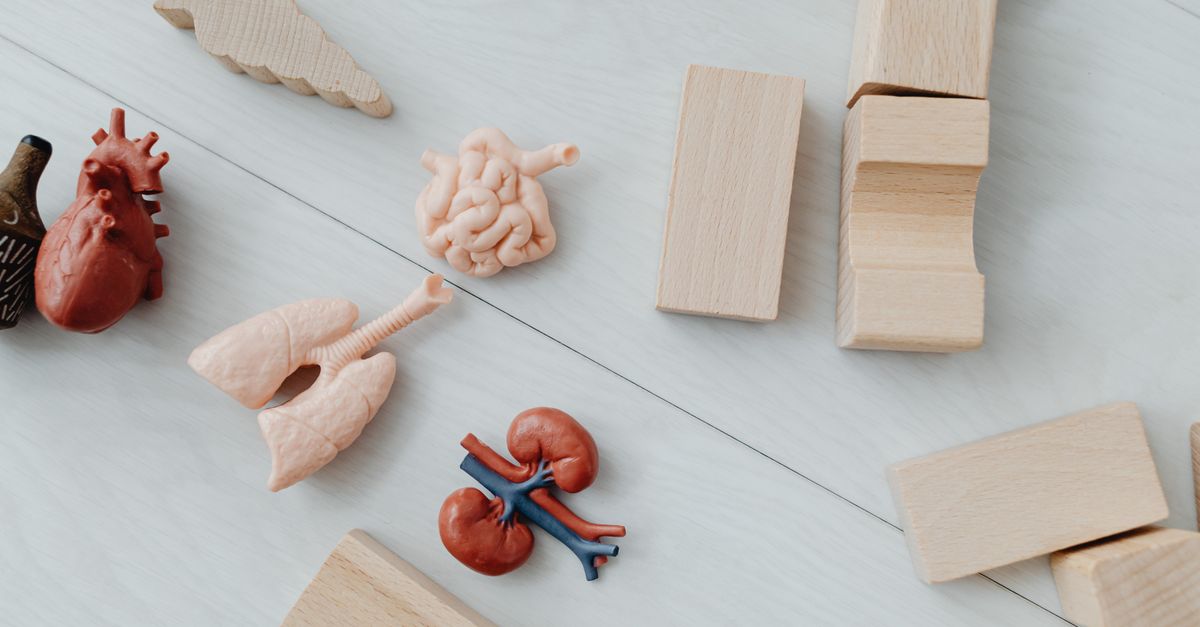
What Supplements Affect ALT Levels?
Yes, many common supplements measurably affect ALT — some raise it (occasionally to dangerous levels), and some lower it. The most important caveat is dose and form: the same ingredient can be hepatoprotective at one dose and hepatotoxic at another. People with already-elevated ALT, fatty liver disease, or poor metabolic health are the group most likely to see meaningful changes in either direction.
---
What ALT Actually Tells You About Liver Health
Alanine aminotransferase (ALT) is an enzyme produced primarily inside liver cells. When hepatocytes are damaged or inflamed, they release ALT into the bloodstream. Normal reference ranges typically sit below 35–40 U/L for women and below 45–56 U/L for men, though optimal functional ranges are often considered tighter (below 25 U/L in some integrative medicine frameworks).
ALT is considered more liver-specific than its counterpart AST (aspartate aminotransferase), making it the go-to biomarker for detecting hepatocellular injury — whether from alcohol, medications, metabolic dysfunction, or, increasingly, from supplements. A 2022 analysis estimated that herbal and dietary supplements now account for approximately 20% of drug-induced liver injury (DILI) cases in the United States, up from under 7% a decade earlier (Navarro et al., Hepatology 2014; PMID: 24798002).
For anyone tracking their metabolic health through regular bloodwork, understanding which supplements move ALT — and how — is not optional knowledge.
---
Supplements That Can Raise ALT
The following ingredients have credible evidence linking them to elevated ALT, particularly at high doses or in vulnerable individuals.
High-Dose Niacin (Vitamin B3)
Niacin at pharmacological doses (1,000–3,000 mg/day) used for lipid management is one of the most well-documented supplement-related causes of hepatotoxicity. Sustained-release (SR) niacin formulations carry higher risk than immediate-release forms. A landmark safety analysis found that SR niacin produced transaminase elevations in up to 52% of patients at doses above 2,000 mg/day (McKenney et al., American Journal of Medicine 1994; PMID: 8141055). Even at lower supplemental doses (500 mg/day), periodic ALT monitoring is warranted in individuals with pre-existing liver conditions.
Green Tea Extract (EGCG)
Concentrated green tea extract — particularly in fasted or pre-workout supplement form — has been implicated in multiple DILI cases. The active compound epigallocatechin-3-gallate (EGCG) generates reactive oxygen species in high concentrations. The NIH LiverTox database lists green tea extract as a "probable" cause of liver injury, with cases involving ALT elevations exceeding 10× the upper limit of normal. The European Food Safety Authority reviewed the evidence and concluded that doses above 800 mg EGCG/day pose hepatotoxicity risk (EFSA Panel on Food Additives, 2018).
Kava (Piper methysticum)
Kava extracts used for anxiety have been associated with severe hepatotoxicity in Europe and the United States, leading to market bans in several countries. Mechanisms include inhibition of cytochrome P450 enzymes and mitochondrial disruption. Case series and regulatory reviews document ALT elevations ranging from mild to fulminant liver failure (Teschke et al., Alimentary Pharmacology & Therapeutics 2011; PMID: 21039757).
High-Dose Vitamin A (Retinol)
Preformed vitamin A (retinol) at doses exceeding 10,000 IU/day over extended periods causes hepatic stellate cell activation and can lead to fibrosis. This is distinct from beta-carotene, which the body self-regulates. Chronic vitamin A toxicity is an underrecognized cause of persistently elevated ALT in supplement users.
Bodybuilding and Prohormone Supplements
Anabolic-androgenic compounds, including DHEA at high doses and many prohormone blends, reliably elevate ALT through direct hepatocellular stress. These are among the leading supplement causes of DILI reported to the FDA MedWatch program.
---
Supplements for ALT Reduction: What the Evidence Shows
Several ingredients have well-designed clinical trials demonstrating meaningful ALT reduction, particularly in the context of non-alcoholic fatty liver disease (NAFLD), metabolic syndrome, and hepatic inflammation.
Milk Thistle (Silymarin)
Silymarin — the standardized extract of milk thistle — is the most studied hepatoprotective botanical. Its mechanisms include antioxidant activity, inhibition of NF-κB inflammatory pathways, and promotion of hepatocyte protein synthesis. A meta-analysis of 17 randomized controlled trials in patients with chronic liver disease found that silymarin significantly reduced ALT compared to placebo (Zhong et al., PLOS ONE 2017; PMID: 28723965). Effect sizes were most pronounced in NAFLD and alcoholic liver disease cohorts. Typical effective doses range from 280–420 mg/day of standardized silymarin.
Omega-3 Fatty Acids (EPA + DHA)
Omega-3s reduce hepatic de novo lipogenesis and triglyceride synthesis, directly addressing one of the key drivers of elevated ALT in metabolic liver disease. A 2016 systematic review and meta-analysis of 10 RCTs found that omega-3 supplementation significantly reduced ALT in NAFLD patients, with a mean reduction of approximately 8.9 U/L (He et al., Nutrition, Metabolism & Cardiovascular Diseases 2016; PMID: 26506111). The anti-inflammatory effects of EPA in particular appear to reduce hepatic Kupffer cell activation, an upstream driver of transaminase elevation.
Berberine
Berberine, an alkaloid found in Berberis species, activates AMPK and improves insulin sensitivity, which secondarily reduces hepatic fat accumulation and ALT. Multiple RCTs in NAFLD and type 2 diabetes patients have documented significant ALT reductions. A meta-analysis of 12 trials reported berberine significantly lowered ALT relative to controls, with effects comparable in magnitude to metformin in some analyses (Dong et al., Phytomedicine 2013; PMID: 23265267).
N-Acetyl Cysteine (NAC)
NAC is the clinical antidote for acetaminophen overdose precisely because it restores hepatic glutathione stores. At supplemental doses (600–1,800 mg/day), NAC has demonstrated ALT-lowering effects in NAFLD trials and in individuals with elevated baseline liver enzymes. Its hepatoprotective role is mechanistically well-supported: it quenches reactive oxygen species and upregulates glutathione synthesis, two central drivers of hepatocyte damage.
Vitamin E (Alpha-Tocopherol)
The landmark PIVENS trial (Sanyal et al., NEJM 2010; PMID: 20427778) found that vitamin E at 800 IU/day significantly improved histological features of NAFLD, including a significant reduction in ALT compared to placebo. This remains one of the few supplement interventions with RCT evidence strong enough to appear in clinical NAFLD management guidelines. However, dose matters: doses above 400 IU/day long-term carry cardiovascular risk signals in some analyses, so personalized assessment is essential.
---
Key Supplement-ALT Interactions at a Glance
| Supplement | Effect on ALT | Typical Dose | Evidence Level |
|---|---|---|---|
| High-dose Niacin (SR) | Raises | ≥1,000 mg/day | Strong (RCTs, case series) |
| Green Tea Extract (EGCG) | Raises | >800 mg EGCG/day | Moderate (DILI reports, EFSA) |
| Kava | Raises (severe) | Any concentrated extract | Strong (regulatory reviews) |
| High-dose Vitamin A | Raises | >10,000 IU/day retinol | Moderate (case series) |
| Milk Thistle (Silymarin) | Lowers | 280–420 mg/day | Strong (meta-analysis, 17 RCTs) |
| Omega-3 EPA/DHA | Lowers | ≥2g/day EPA+DHA | Strong (meta-analysis, 10 RCTs) |
| Berberine | Lowers | 1,000–1,500 mg/day | Moderate-Strong (meta-analysis) |
| NAC | Lowers | 600–1,800 mg/day | Moderate (RCTs, NAFLD) |
| Vitamin E | Lowers | 800 IU/day (alpha-tocopherol) | Strong (PIVENS RCT) |
---
The Dose-Dependency Problem Most Supplement Labels Ignore
One of the most underappreciated aspects of supplement-related ALT changes is that the same ingredient can be hepatoprotective at one dose and harmful at another. Vitamin A is protective against liver disease at dietary levels (under 3,000 IU/day from food), but causes hepatotoxicity as a supplement at 10x that dose. Niacin at 50 mg/day supports NAD+ metabolism harmlessly; at 2,000 mg/day it drives transaminase elevation in a majority of users.
This is why tracking supplements alongside liver function panels matters. If your HbA1c or fasting glucose is elevated, your practitioner may recommend berberine — but they should also check your ALT at baseline and at 3 months to confirm hepatic tolerance. Similarly, anyone with elevated ferritin (often a marker of hepatic iron overload and low-grade inflammation) should consider liver enzyme monitoring as part of their supplement evaluation. For more on how specific nutrients interact with metabolic markers, the articles on what supplements affect fasting glucose and what supplements affect HbA1c provide useful context for the metabolic-liver connection.
---
Hormonal and Thyroid Connections to ALT
ALT doesn't exist in isolation. Several hormonal systems influence baseline liver enzyme activity, which is why supplement-induced changes can be magnified or masked depending on your broader metabolic picture.
Thyroid hormones directly regulate hepatic metabolism. Hypothyroidism is associated with elevated transaminases due to decreased metabolic clearance and secondary dyslipidemia. Supplements that influence thyroid function — including selenium, iodine, and certain adaptogenic herbs — can therefore indirectly affect ALT trajectory. If your thyroid panel shows abnormalities alongside elevated ALT, it's worth exploring what supplements affect TSH as part of a broader investigation.
Cortisol also matters: chronic elevation of cortisol drives visceral fat accumulation and insulin resistance, which are the primary upstream causes of NAFLD and elevated ALT. Adaptogenic supplements that modulate the HPA axis — including ashwagandha and rhodiola — may therefore have indirect hepatoprotective effects by reducing one of the root causes of liver stress. For context on cortisol-targeting supplements, what supplements affect cortisol covers the evidence base.
Note on the secondary keywords provided for this article: "supplements to increase melatonin" and "best supplements for melatonin" are not directly relevant to ALT levels or liver enzyme modulation, and "supplements to increase estrogen" introduces a separate endocrine topic. These have been excluded to preserve clinical accuracy and topical focus.
---
What This Means for Your Formula
If your bloodwork shows elevated ALT, the right supplement response is not simply adding milk thistle and hoping for the best. The first priority is ruling out hepatotoxic ingredients already in your regimen — something a personalized assessment can identify that self-directed supplementation cannot.
Ones analyzes bloodwork alongside your current supplement intake to flag liver-enzyme risk patterns. When ALT is elevated, formulas are calibrated toward ingredients with hepatoprotective clinical evidence rather than relying on a generic liver-support protocol:
- Omega-3 (EPA/DHA): Ones sources pharmaceutical-grade omega-3 and doses EPA+DHA in the range shown effective in NAFLD meta-analyses. Given that omega-3s simultaneously address triglycerides, inflammation, and hepatic lipogenesis, they're one of the highest-yield ingredients when liver markers are elevated alongside lipid abnormalities.
- Liver Support (System Blend): Ones' proprietary Liver Support blend is designed for exactly this use case — combining milk thistle and complementary hepatoprotective botanicals at clinically validated standardized doses, rather than underdosed token inclusions you find in mass-market multivitamins.
- Zinc: Zinc deficiency is both a consequence and a driver of hepatic dysfunction. Supplemental zinc at appropriate doses has shown ALT-lowering effects in NAFLD patients, and Ones doses zinc to the therapeutic range based on serum zinc results — avoiding the risk of excess zinc, which at very high doses paradoxically becomes hepatotoxic itself.
The principle here mirrors what the evidence shows: the ingredients that help, help at specific doses and in specific metabolic contexts. That context comes from your labs, not from a one-size-fits-all liver-cleanse formula.
---
Key Takeaways
- Supplements can both raise and lower ALT — the effect depends entirely on the ingredient, dose, form, and the user's baseline liver health.
- High-dose niacin (SR form), concentrated green tea extract (EGCG >800 mg/day), and kava are among the most documented supplement causes of elevated ALT and drug-induced liver injury.
- Milk thistle (silymarin), omega-3 EPA/DHA, berberine, NAC, and vitamin E have clinical RCT evidence for reducing ALT, particularly in NAFLD and metabolic liver disease.
- Dose-dependency is critical — the same ingredient can be hepatoprotective at low doses and hepatotoxic at high doses (vitamin A, niacin, zinc).
- Hormonal factors — including thyroid and cortisol status — indirectly modulate ALT through their effects on metabolic function and hepatic lipid accumulation.
- Personalized assessment of both ALT and your full supplement list is the safest approach; Ones formulas flag hepatotoxic ingredient conflicts and dose hepatoprotective actives to clinical targets based on your bloodwork.
---
This article is for informational purposes only and does not constitute medical advice. Consult a qualified healthcare provider before starting or changing any supplement regimen, especially if you have elevated liver enzymes or a diagnosed liver condition.