Supplements
Ipamorelin Dosage: Benefits, Safety, and Realistic Expectations
Ipamorelin is a growth hormone-releasing peptide used off-label for body composition, recovery, and anti-aging goals — but dosing it correctly is where most people go wrong. Clinical protocols vary considerably, and the peptide's effects depend heavily on timing, cycle length, and your baseline GH status.
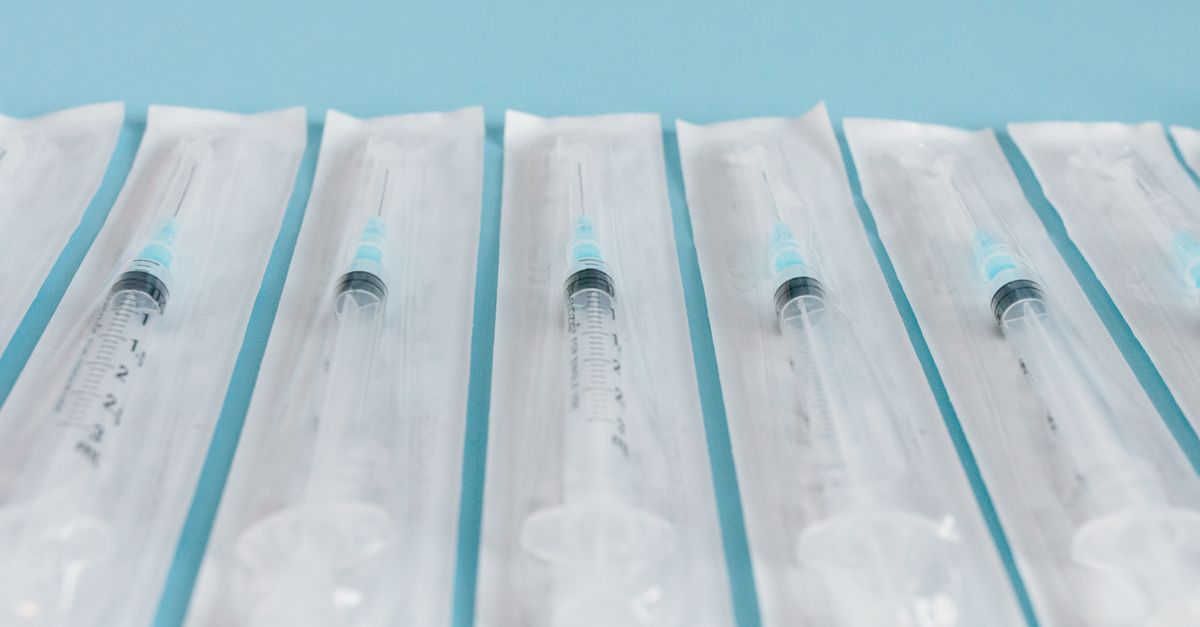
Ipamorelin Dosage: Benefits, Safety, and Realistic Expectations
Ipamorelin is typically dosed at 100–300 mcg per injection, administered subcutaneously one to three times daily, with the most clinically studied window being the 30 minutes before sleep. It works only if your pituitary is still capable of GH secretion — making it less effective in older adults with already suppressed growth hormone axes. People with active cancer or IGF-1 levels above reference range should avoid it entirely.
---
What Is Ipamorelin and How Does It Work?
Ipamorelin is a synthetic pentapeptide — five amino acids — that selectively binds to the ghrelin receptor (GHS-R1a) in the pituitary and hypothalamus, stimulating the pulsatile release of growth hormone (GH). Unlike GHRP-2 or GHRP-6, ipamorelin does not significantly raise cortisol or prolactin at therapeutic doses, which is one reason clinicians consider it a cleaner option within the growth hormone secretagogue (GHS) class (Raun et al., Endocrinology 1998; PMID: 9604608).
Once GH is released, the liver converts it to insulin-like growth factor-1 (IGF-1), which drives most of the downstream anabolic and recovery effects: lean mass accretion, collagen synthesis, lipolysis, and cellular repair. This is why ipamorelin is often stacked with a GHRH analog such as CJC-1295 — the two work at different receptor sites and produce a synergistic GH pulse.
For a broader look at what published research says about peptide outcomes, the companion piece on ipamorelin results and evidence-backed benefits covers effect sizes across multiple study designs.
---
Clinical Ipamorelin Dosage Protocols
No large-scale FDA-approved dosing trial exists for ipamorelin in healthy adults because the peptide remains an investigational compound in the United States. However, published pharmacokinetic and preclinical data, combined with physician-reported outcomes, have converged on the following ranges:
| Parameter | Conservative | Moderate | Aggressive |
|---|---|---|---|
| Dose per injection | 100 mcg | 200 mcg | 300 mcg |
| Injections per day | 1 | 1–2 | 2–3 |
| Cycle length | 8–12 weeks | 12–16 weeks | 16–20 weeks |
| Off-cycle period | Equal to cycle | 8–12 weeks | 6–8 weeks |
| Primary use case | Anti-aging, sleep | Body composition | Athletic recovery |
The pre-sleep injection is the most evidence-aligned timing. GH is naturally secreted in its largest pulse within the first hour or two of slow-wave sleep; ipamorelin amplifies this pulse rather than replacing it. A study in healthy young men found that GH secretagogues administered at night produced GH pulses two to five times larger than those occurring spontaneously during the same sleep period (Van Cauter et al., Journal of Sleep Research 2000; PMID: 10947027).
Fasting state matters. Elevated blood glucose blunts somatotroph response, so injecting after a high-carbohydrate meal significantly reduces the GH pulse. Most protocols recommend a 2-hour fast before the injection window.
---
Ipamorelin vs. Other GH Secretagogues: A Quick Comparison
| Peptide | GH Selectivity | Cortisol Increase | Hunger Increase | Half-Life |
|---|---|---|---|---|
| Ipamorelin | High | Minimal | Minimal | ~2 hours |
| GHRP-2 | Moderate | Moderate | Moderate | ~30 min |
| GHRP-6 | Moderate | Low–Moderate | High | ~15–60 min |
| MK-677 (oral) | High | Low | High | ~24 hours |
| Sermorelin | High (GHRH) | Minimal | Minimal | ~10 min |
Ipamorelin's selective receptor binding profile makes it one of the most tolerable GHS compounds, which is why it appears frequently in longevity and functional medicine clinics despite the absence of FDA approval for off-label cosmetic or performance use.
---
Evidence on Body Composition and Recovery
Animal studies are robust. In a rat model of disuse atrophy, ipamorelin treatment restored soleus muscle mass and collagen cross-linking faster than controls (Svensson et al., Growth Hormone & IGF Research 2000; PMID: 10849527). Extrapolating animal data to humans requires caution, but the mechanistic pathway — GH → IGF-1 → mTOR activation and satellite cell proliferation — is conserved across mammals.
In humans, the closest available data comes from growth hormone secretagogue trials using related compounds. A 2008 randomized controlled trial of MK-677 (an oral GHS with a similar receptor target) over 24 weeks in healthy older adults demonstrated a significant increase in lean body mass and a reduction in fat mass without serious adverse events (Nass et al., Annals of Internal Medicine 2008; PMID: 18316720). Extrapolation to ipamorelin is reasonable given the shared receptor mechanism, though direct head-to-head human trials are lacking.
Collagen synthesis is a frequently reported benefit among users. This aligns with IGF-1's known role in stimulating fibroblast proliferation and type I collagen deposition. If connective tissue health is a priority for you, the supporting role of nutrients that facilitate collagen precursor production — like vitamin C with or without food — may work synergistically alongside peptide protocols.
---
Safety Profile and Side Effects
The most commonly reported side effects at clinical doses are:
- Injection site irritation: mild redness or itching, typically resolves within 30 minutes
- Water retention: transient, most prominent in the first two weeks
- Headache or lightheadedness: linked to the initial GH pulse; typically resolves after cycle week 2
- Tingling in extremities: a GH-class effect, mild and self-limiting
More serious concerns include:
- IGF-1 elevation beyond reference range — associated with increased cellular proliferation; IGF-1 should be measured at baseline and at 6–8 weeks into a cycle
- Insulin resistance — supraphysiologic GH chronically impairs glucose uptake; fasting glucose and HbA1c monitoring is warranted for longer cycles. This is particularly relevant for people already working to lower A1C without medication
- Pituitary downregulation — theoretical with continuous-use protocols; cycling is considered protective
- Unknown long-term oncological risk — GH and IGF-1 are mitogenic; use in individuals with family history of certain cancers requires careful risk-benefit discussion with a physician
Ipamorelin is not a controlled substance in the United States, but the FDA classifies it as an unapproved drug. As of 2023, compounding pharmacies can no longer legally dispense ipamorelin for individual patients under FDA draft guidance. This regulatory status should be factored into any clinical or personal decision.
---
Stacking Ipamorelin with Nutritional Co-Factors
Peptides don't work in a nutritional vacuum. GH synthesis and IGF-1 signaling depend on several micronutrients. Deficiencies in these co-factors can blunt the response to ipamorelin significantly:
Zinc is required for pituitary somatotroph function. Zinc deficiency measurably reduces GH secretion and IGF-1 levels (Ninh et al., Journal of Nutrition 1996; PMID: 8648562).
Vitamin D modulates IGF-1 receptor sensitivity. Low 25(OH)D levels correlate with reduced IGF-1 in population studies. Understanding the full evidence picture on vitamin D3 pros and cons is worthwhile for anyone optimizing a peptide protocol.
Magnesium participates in over 300 enzymatic reactions, including those governing protein synthesis downstream of IGF-1.
B vitamins support the methylation and amino acid metabolism necessary for collagen and lean tissue synthesis. Specifically, adequate folate (ideally as methylfolate for those with MTHFR variants) and B12 ensure that the anabolic signaling cascade can execute. You can review vitamin B12 absorption benefits and what affects them for more detail on how deficiencies here can silently undercut recovery.
The point is simple: ipamorelin amplifies a pulse; it cannot manufacture GH if the underlying nutritional infrastructure is deficient.
---
What This Means for Your Formula
Ipamorelin itself is a peptide requiring subcutaneous injection and falls outside what any oral supplement platform can deliver. Ones does not include injectable peptides. However, Ones does formulate several evidence-based oral co-factors that directly support GH axis function and amplify the recovery signaling that ipamorelin targets:
- Zinc (bisglycinate, 15–30 mg) — Ones includes zinc at clinically meaningful doses to support somatotroph function and testosterone production, both of which are relevant in the context of GH optimization protocols.
- Vitamin D3 + K2 (MK-7) — Ones combines D3 with MK-7 to address IGF-1 receptor sensitivity and cardiovascular co-factors simultaneously. D3 alone does not optimize vascular calcification risk at higher doses without K2 to direct calcium appropriately.
- Magnesium Glycinate (from Magnesium Complex) — Sleep quality and slow-wave sleep architecture are the primary windows through which ipamorelin exerts its GH-amplifying effect. Magnesium glycinate has demonstrated improvements in sleep efficiency in deficient adults, potentially widening the natural GH pulse that ipamorelin is designed to enhance.
Ones uses AI analysis of your blood work and wearable data to determine which of these gaps exist before adding any ingredient to your capsule formula. The result is a 6 or 9-capsule daily plan built around your specific findings — not a generic stack.
---
Key Takeaways
- Standard ipamorelin dosage is 100–300 mcg per subcutaneous injection, administered one to three times daily, with pre-sleep timing being most evidence-aligned.
- Selectivity is ipamorelin's main advantage over older GHRPs: minimal cortisol and prolactin elevation at therapeutic doses, making it more tolerable for longer cycles.
- IGF-1 and fasting glucose should be monitored during any ipamorelin cycle; supraphysiologic GH chronically impairs insulin sensitivity.
- Nutritional co-factors — especially zinc, vitamin D, and magnesium — can significantly influence GH pulse amplitude and IGF-1 receptor sensitivity; peptides work best when micronutrient status is optimized first.
- Ipamorelin's regulatory status changed in 2023; its availability through U.S. compounding pharmacies is now restricted under FDA guidance, and any use requires consultation with a licensed physician.
- Oral supplements cannot replace ipamorelin, but a personalized formula addressing zinc, D3+K2, and magnesium status can support the same biological pathways that ipamorelin is designed to amplify.
---
This article is for informational purposes only and does not constitute medical advice. Ipamorelin is an unapproved drug in the United States. Consult a licensed healthcare provider before beginning any peptide protocol.