Sleep
What Should You Wear to Sleep for Better Rest?
Your sleepwear choices directly affect how fast you fall asleep and how deeply you stay asleep. Core body temperature regulation is the overlooked variable most people ignore — and the wrong fabric or fit can quietly rob you of slow-wave sleep night after night.
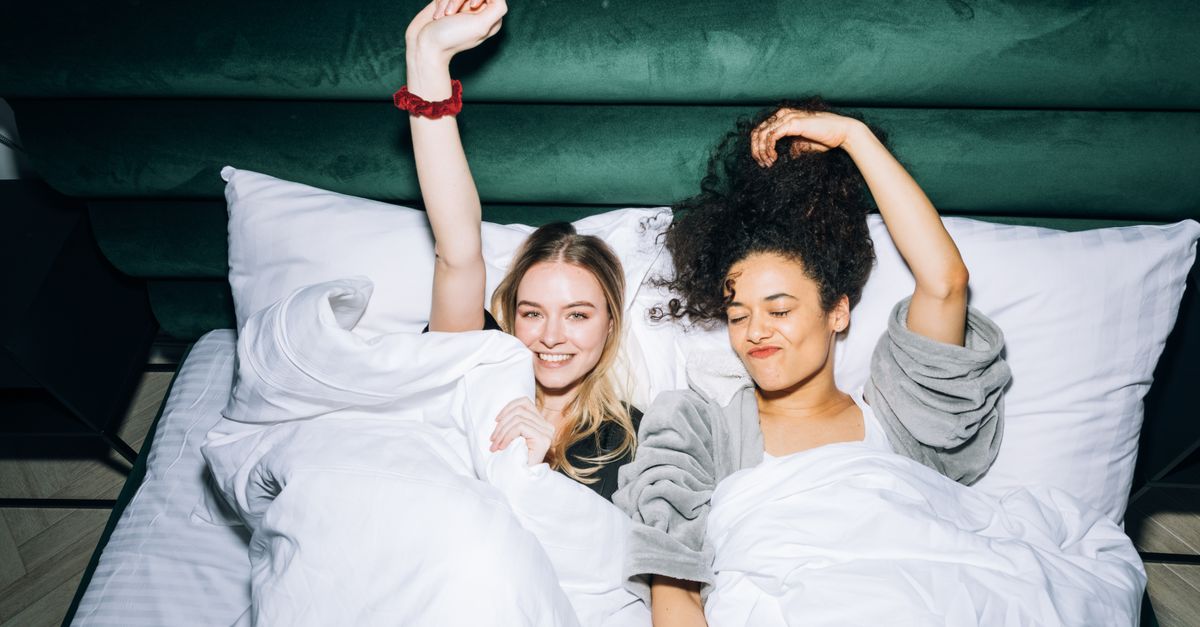
What Should You Wear to Sleep for Better Rest?
For most people, loose, breathable natural fabrics — particularly cotton or merino wool — support the core body temperature drop that triggers sleep onset. The main caveat is that "best" depends on your environment, thermoregulation tendencies, and whether you run hot or cold. People with hormonal fluctuations or conditions like night sweats are the clear exception and need a more targeted approach.
---
Why Body Temperature Is the Hidden Variable in Sleep Quality
The body's circadian system relies on a core temperature drop of roughly 1–2°F (0.5–1°C) in the early evening to signal that sleep is approaching. This thermoregulatory shift is not optional — it is mechanistically coupled to melatonin release and the transition into slow-wave sleep (SWS), the restorative stage where tissue repair and memory consolidation happen (Kräuchi et al., Journal of Sleep Research 2000; PMID: 10849238).
Your sleepwear sits directly at the interface between your skin and that temperature regulation process. Fabric that traps heat prevents the drop. Fabric that wicks too aggressively can overshoot, pulling you into a cold-wake cycle in the second half of the night.
A 2012 study published in the Journal of Physiological Anthropology found that skin temperature warming in the extremities — particularly the feet and hands — accelerated sleep onset, while core temperature remained appropriately cool (Raymann et al.; PMID: 22738268). This is the Cinderella principle of sleepwear: you want warm periphery, cool core. Socks in a cool room, lightweight top in a climate-controlled bedroom.
---
What Fabrics Actually Do to Your Sleep Architecture
Fabric choice is not aesthetic — it is functional thermoregulation. Here is how the most common materials compare:
| Fabric | Breathability | Moisture Wicking | Best For |
|---|---|---|---|
| Cotton (percale) | High | Moderate | Most sleepers in neutral climates |
| Merino wool | Very high | Excellent | Cold sleepers; anyone with night temperature swings |
| Bamboo / viscose | High | High | Hot sleepers; perimenopause night sweats |
| Polyester / microfiber | Low | Low (traps heat) | Cold climates only; not recommended for most |
| Linen | Very high | Moderate | Summer / warm climates |
| Silk | Moderate | Low | Sensitive skin; not ideal for heavy sweaters |
A randomized crossover study from the Nature and Science of Sleep (2019) tested wool versus cotton sleepwear across different age groups and found that merino wool significantly improved sleep efficiency and reduced waking after sleep onset (WASO) compared to cotton, particularly in older adults whose thermoregulation is less efficient (Moezzi et al., 2019; doi.org/10.2147/NSS.S215639).
Polyester deserves special mention as a common mistake. It traps both heat and moisture. If you are waking up damp and restless at 2–3 AM, synthetic sleepwear is a likely culprit worth eliminating before adding any supplement intervention.
---
Sleeping Naked: Does It Actually Help?
Sleeping without clothing removes the fabric variable entirely and allows the skin's entire surface to participate in radiative heat loss. In theory, this should accelerate the body temperature drop and support sleep onset. The evidence is modest but directionally positive.
A small clinical trial found that cooler sleeping environments (around 66°F / 19°C) were associated with increased slow-wave sleep and improved insulin sensitivity compared to warmer conditions (Suchecki et al., Diabetes 2014 — noting this body of work on sleep temperature and metabolic health). The key insight is that ambient temperature and body insulation (clothing) work together — sleeping naked in a 72°F room may produce worse outcomes than wearing a light cotton tee in a 66°F room.
If you're interested in how poor sleep architecture connects to metabolic markers like fasting glucose, the temperature-metabolism link is worth exploring in depth.
Practical recommendation: if your room sits below 67°F (19°C), sleeping naked with a breathable duvet tends to outperform any single fabric. Above 70°F (21°C), a moisture-wicking layer — bamboo or merino — beats going bare because it actively moves sweat away from the skin.
---
Glycine for Sleep: When Sleepwear Alone Is Not Enough
Even with optimal fabric and room temperature, some people struggle with sleep onset or early waking. In those cases, nutritional support targeting the same thermoregulatory pathway becomes relevant.
Glycine, an amino acid found in collagen-rich foods and available as a standalone supplement, reduces core body temperature through peripheral vasodilation — the same mechanism your sleepwear is meant to support. In a double-blind, placebo-controlled crossover trial, 3g of glycine taken before bed significantly improved subjective sleep quality, reduced daytime sleepiness, and shortened sleep onset latency in people complaining of poor sleep (Bannai et al., Sleep and Biological Rhythms 2012; PMID: 23047013).
A follow-up study using polysomnography confirmed that glycine increased NREM sleep time without altering sleep architecture negatively and reduced core body temperature during the sleep period — effectively mimicking the environmental signal that sleepwear is supposed to facilitate (Inagawa et al., Sleep and Biological Rhythms 2006; PMID: 17240466).
The practical picture: 3g of glycine 30–60 minutes before bed, combined with breathable sleepwear and a room temperature below 68°F, stacks the thermoregulatory signal from multiple angles.
If you are also waking exhausted despite sleeping a full night, the reasons behind that pattern go beyond sleepwear and temperature into sleep stage distribution and recovery quality.
---
Night Anxiety and Sleep Avoidance: When the Problem Is Not Fabric
Some people's relationship with sleep is not about temperature at all — it is about dread. The feeling of anxiety as bedtime approaches, sometimes described as hyperarousal or sleep-onset anxiety, is a physiologically distinct problem from thermoregulatory disruption.
Hyperarousal before sleep is associated with elevated evening cortisol, increased sympathetic nervous system activation, and a blunted heart-rate variability dip that normally accompanies sleep onset. This is not a personality quirk — it has measurable autonomic correlates.
For people dealing with this pattern, the sleepwear question becomes secondary to the arousal question. Fabric choice still matters (rough textures or tight waistbands raise sympathetic tone slightly), but the primary intervention targets the cortisol-HPA axis and parasympathetic activation.
What the evidence supports for sleep-onset anxiety:
- Magnesium glycinate (300–400mg): Binds NMDA receptors and supports GABAergic signaling, reducing hyperarousal (Abbasi et al., Journal of Research in Medical Sciences 2012; PMID: 23853635). Magnesium Complex — part of Ones' catalog — delivers magnesium in glycinate and malate forms for bioavailability without the laxative effect of oxide.
- L-theanine (200mg): Increases alpha-wave activity and reduces subjective anxiety without sedation. See the detailed breakdown of whether L-theanine actually works for the mechanism.
- Ashwagandha KSM-66 (600mg): Reduces cortisol area-under-curve and improves self-reported sleep quality in chronically stressed adults (Chandrasekhar et al., Indian Journal of Psychological Medicine 2012; PMID: 23439798). Ones includes KSM-66 at the full 600mg dose studied in trials — not the underdosed 200–300mg common in generic blends.
- Structured breathability in sleepwear: Even loose, soft cotton reduces tactile-triggered sympathetic firing compared to tight or scratchy fabrics. This is not placebo — somatosensory input influences arousal state through the reticular activating system.
Cognitive behavioral therapy for insomnia (CBT-I) remains the gold-standard non-pharmacological intervention for sleep anxiety, and no supplement replaces it. If dread of sleep is a consistent nightly pattern, a licensed sleep specialist or psychologist trained in CBT-I is the appropriate referral.
For those whose labs look normal but who still feel unrefreshed and anxious without clear cause, the possibility that subclinical findings are being missed is worth investigating — standard reference ranges often miss the functional zone.
---
Hot Sleepers, Night Sweats, and Hormonal Disruption
Night sweats deserve their own category because the cause is internal, not environmental. Common drivers include:
- Perimenopause / menopause: Declining estrogen disrupts the hypothalamic thermostat, causing vasomotor symptoms including nocturnal heat surges.
- Thyroid dysregulation: Elevated T3 increases metabolic rate and body heat generation at rest.
- Blood sugar instability: Nocturnal hypoglycemia triggers an adrenaline-mediated sweat response, typically around 2–3 AM.
- Adrenal dysfunction: Cortisol irregularities in the second half of the sleep period can produce heat surges indistinguishable from hormonal night sweats.
For these individuals, moisture-wicking bamboo or merino is the fabric floor — but addressing the underlying driver is the ceiling. Ones' Adrenal Support blend and Thyroid Support blend are formulated to address two of the most common root causes when labs indicate dysregulation in those systems. These are not over-the-counter generic formulas — they are part of a 70-ingredient catalog deployed only when an AI health practitioner identifies the relevant finding in your blood work or wearable data.
The sleep-hormone connection during the luteal phase is a closely related topic: why sleep deteriorates before your period follows a similar thermoregulatory mechanism and is worth reading if you notice cyclical pattern disruption.
---
What This Means for Your Formula
Sleepwear optimizes the environment. Nutrition supports the biology. When sleep quality doesn't improve with environmental changes alone, the gap is usually biochemical — and three Ones ingredients are most directly relevant to the thermoregulatory and arousal mechanisms described in this article:
- Glycine (3g): Directly lowers core body temperature via peripheral vasodilation, shortening sleep onset and increasing slow-wave sleep. The 3g dose matches the Bannai 2012 trial exactly.
- Magnesium Complex: Ones' proprietary blend delivers magnesium glycinate and malate — the forms with the highest bioavailability and the clearest GABAergic signaling evidence. Typical dose in a personalized formula: 200–400mg elemental magnesium depending on intake gaps identified in your data.
- Ashwagandha KSM-66 (600mg): Targets the cortisol-driven hyperarousal that makes sleep anxiety worse at night. The 600mg dose is the amount used in the Chandrasekhar et al. 2012 RCT showing a 27.9% reduction in serum cortisol.
If you have ever wondered why personalized supplement formulas outperform generic vitamins, sleep is one of the clearest examples — the same ingredient at the same dose will have a large effect in someone with a documented deficiency or cortisol dysregulation and almost no effect in someone without that underlying driver.
---
Key Takeaways
- Your sleepwear directly affects the core body temperature drop that triggers sleep onset and slow-wave sleep — this is not a minor lifestyle variable.
- Loose, breathable natural fabrics (cotton, merino wool, bamboo) outperform synthetics for most people; merino shows the strongest evidence for sleep efficiency improvement in clinical trials.
- Sleeping naked can help, but only when room temperature is below 68°F — otherwise a moisture-wicking layer outperforms bare skin.
- Glycine at 3g before bed replicates the thermoregulatory signal through a nutritional mechanism, reducing core temperature and shortening sleep onset (Bannai et al. 2012).
- Sleep-onset anxiety is a distinct physiological problem — hyperarousal, not thermoregulation — and responds best to magnesium glycinate, L-theanine, ashwagandha KSM-66, and behavioral interventions like CBT-I.
- Night sweats driven by hormonal, thyroid, or adrenal dysregulation require addressing the root cause, not just changing your pajamas.
---
This article is for informational purposes only and does not constitute medical advice. Consult a qualified healthcare provider before starting any supplement protocol.