Supplements
Who Should Not Take Selenium?
Selenium sits in one of the narrowest therapeutic windows in nutrition — the difference between beneficial and toxic is roughly 3–4 times the recommended daily intake. Most people get enough from food, and supplementing on top of a replete diet raises toxicity risk without adding benefit. Knowing whether you're genuinely deficient — or already at the upper limit — changes everything.
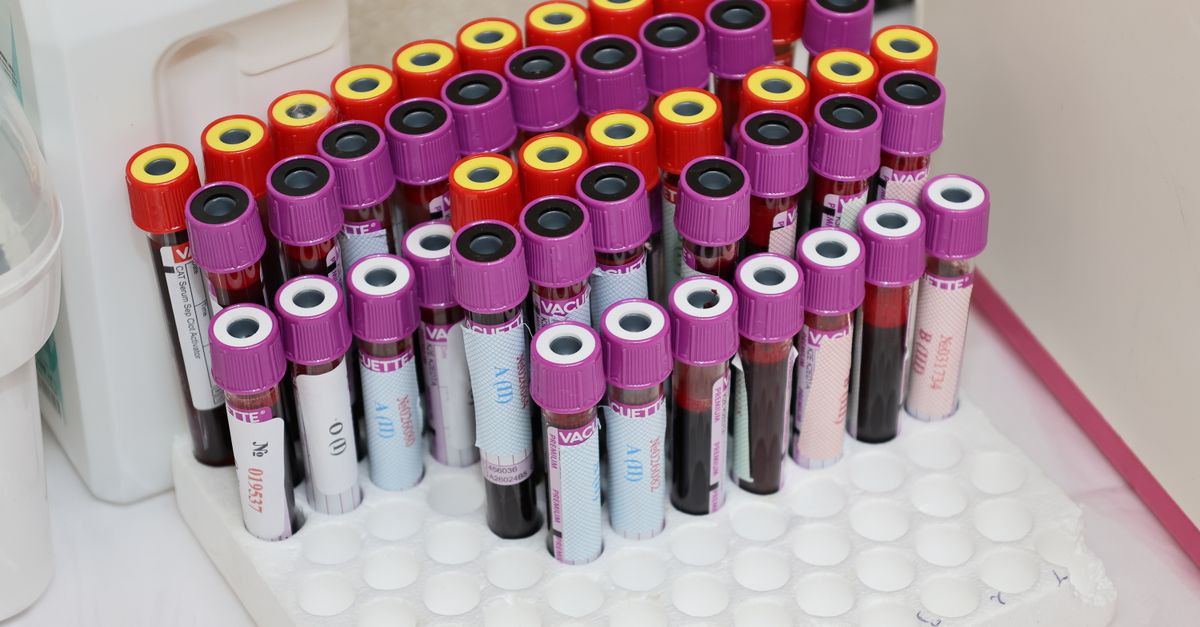
Who Should Not Take Selenium?
Most healthy adults eating a varied diet should not supplement selenium without confirmed deficiency. The upper tolerable intake is 400 mcg/day, and selenium toxicity (selenosis) can appear at chronic intakes around 300–400 mcg/day — a margin narrow enough that unsupervised supplementation carries real risk. The main exceptions are people with verified low serum selenium, Hashimoto's thyroiditis, or those living in documented low-selenium regions.
---
Why Selenium's Safety Window Is Unusually Narrow
Selenium is an essential trace mineral incorporated into at least 25 known selenoproteins, including glutathione peroxidase (GPx) enzymes and thioredoxin reductase — two enzymatic families central to cellular antioxidant defense and thyroid hormone metabolism (Rayman, Lancet 2012; PMID: 22381456). The recommended dietary allowance (RDA) in the U.S. is 55 mcg/day for adults, while the tolerable upper intake level (UL) sits at 400 mcg/day. That sounds like a comfortable buffer, but average dietary intake in the U.S. already ranges from 93–134 mcg/day, meaning a standard 200 mcg supplement can push total daily intake close to or beyond the UL for many people.
Chronic selenosis presents with hair loss, nail brittleness, garlic breath, fatigue, and in severe cases peripheral neuropathy. The SELECT trial — a randomized controlled trial of 35,533 men — found that selenium supplementation (200 mcg/day as selenomethionine) in men who were already selenium-replete actually increased the risk of high-grade prostate cancer over time (Lippman et al., JAMA 2009; PMID: 19066370). This is the defining reason clinicians now emphasize baseline serum selenium testing before recommending any supplementation.
---
Who Should Not Take Selenium
The following populations carry meaningful risk from unsupervised selenium supplementation:
1. People with normal or high baseline selenium status
If serum selenium is above 120 ng/mL — the level associated with optimal selenoprotein saturation — additional supplementation provides no incremental antioxidant benefit and increases oxidative stress paradoxically (Rayman 2012; PMID: 22381456). Anyone eating Brazil nuts regularly, consuming seafood several times per week, or taking a multivitamin that already includes selenium fits this category.
2. Men with a family history of or elevated PSA
The SELECT trial's prostate cancer finding is specific enough that men with elevated PSA or a first-degree relative with prostate cancer should discuss selenium supplementation explicitly with a urologist before starting. The association was strongest in men with baseline selenium in the top quartile.
3. People with Type 2 diabetes or prediabetes
A secondary analysis of SELECT and independent cohort data has associated high selenium intake with increased fasting insulin and insulin resistance markers in already-replete individuals (Bleys et al., Annals of Internal Medicine 2007; PMID: 17876022). The mechanism is not fully established but may relate to excess selenoprotein activity interfering with insulin signaling.
4. People taking certain chemotherapy agents
Selenium has antioxidant properties that may theoretically reduce the efficacy of oxidative-stress-dependent chemotherapy drugs (e.g., cisplatin, doxorubicin). While human data are limited, oncology teams generally advise against unsupervised antioxidant supplementation during active treatment.
5. People with autoimmune thyroid disease who are already iodine-deficient
This is a nuanced situation. Selenium supplementation can be beneficial in Hashimoto's thyroiditis (see below), but in populations who are concurrently iodine-deficient, selenium repletion without iodine co-supplementation can worsen hypothyroid markers. The WHO has flagged this interaction specifically in regions where both deficiencies are endemic.
6. Children and adolescents without confirmed deficiency
Weight-adjusted ULs for children are substantially lower (45–280 mcg/day depending on age). Pediatric selenium supplementation should only occur under medical supervision.
---
Who May Benefit From Selenium Supplementation
It's worth being equally precise about who the evidence supports:
- Hashimoto's thyroiditis patients with low selenium: A 2002 randomized trial by Gärtner et al. found that 200 mcg/day of selenomethionine for 3 months significantly reduced thyroid peroxidase antibody (TPO-Ab) titers and improved thyroid echogenicity in Hashimoto's patients (Gärtner et al., Journal of Clinical Endocrinology & Metabolism 2002; PMID: 11932302). A 2016 Cochrane-style meta-analysis confirmed this antibody-lowering effect but noted uncertain clinical translation to thyroid function tests (van Zuuren et al., European Journal of Endocrinology 2014; PMID: 24088547).
- People living in low-selenium soils (parts of Europe, New Zealand, China)
- Individuals with confirmed serum selenium below 70 ng/mL
- HIV-positive individuals: Several trials show immunological benefits in selenium-deficient patients with HIV, though data are not strong enough to recommend broad supplementation.
For people in these categories, checking other related mineral thresholds — including zinc — often matters equally, since many of the same at-risk populations carry compound micronutrient shortfalls.
---
Understanding Selenium Forms: Not All Supplements Are Equal
| Form | Bioavailability | Notes |
|---|---|---|
| Selenomethionine | ~90% | Organic form; preferred for deficiency correction; used in Gärtner 2002 trial |
| Sodium selenite | ~50% | Inorganic; cheaper; used in some older trials |
| Selenium-enriched yeast | ~85% | Mostly selenomethionine; well-studied |
| Selenocysteine | High | Found in food (Brazil nuts, seafood); best dietary source |
Seleномethionine at 100–200 mcg/day is the clinically tested dose for thyroid antibody reduction. Higher doses do not produce proportionally greater benefit and increase toxicity risk. Understanding timing alongside other micronutrients matters especially when selenium is part of a multi-ingredient protocol.
---
Selenium and the Thyroid: What the Research Actually Shows
The thyroid gland has the highest selenium concentration of any tissue in the body — it uses selenium-dependent iodothyronine deiodinases (DIOs) to convert T4 into the active T3 hormone. This makes selenium uniquely important for thyroid function, and also uniquely relevant to understanding whether vitamin D3 — which also influences thyroid immunity — is dosed safely alongside it.
In Hashimoto's, the autoimmune attack on the thyroid generates hydrogen peroxide as a byproduct, and GPx enzymes (which require selenium) are the primary defense against that oxidative damage. When selenium is low, peroxide accumulates, amplifying the inflammatory cycle. This mechanistic rationale explains why the antibody-lowering effect in Gärtner's trial was reproducible.
However, in euthyroid adults with normal selenium status and no thyroid autoimmunity, the same mechanism does not translate into measurable clinical benefit from supplementation. Normal selenoprotein activity is already saturated at serum selenium levels of ~120 ng/mL.
---
Safe Selenium Intake: A Reference Table
| Population | RDA | Tolerable UL | Typical Supplementation Dose |
|---|---|---|---|
| Adult men & women | 55 mcg/day | 400 mcg/day | 100–200 mcg/day if deficient |
| Pregnant women | 60 mcg/day | 400 mcg/day | Only if deficient |
| Children 4–8 | 30 mcg/day | 150 mcg/day | Medical supervision only |
| Hashimoto's patients | 55 mcg/day | 400 mcg/day | 200 mcg/day selenomethionine |
---
What This Means for Your Formula
Personalized supplementation exists precisely because selenium is the kind of ingredient where population-level averages mask individual variation. A person in rural Finland with low serum selenium, elevated TPO antibodies, and suboptimal T4-to-T3 conversion has a completely different risk-benefit profile than a man in coastal California who eats salmon four times a week and already has selenium in the top quartile.
Ones uses lab data — including thyroid panels and, where available, serum selenium — to determine whether selenium belongs in your formula at all. When it does, the platform uses selenomethionine at the evidence-backed 200 mcg dose that mirrors the Gärtner 2002 protocol, not a generic 100 mcg filler dose that may have no clinical impact. Ones also cross-references this with its Thyroid Support system blend, which addresses the broader enzyme and cofactor environment the thyroid depends on — including iodine status context, since selenium without adequate iodine can be counterproductive.
The same data-first logic applies to other minerals with narrow therapeutic windows. Zinc, for example, is an ingredient where knowing who should avoid zinc supplementation is as important as knowing who needs it — and Ones applies the same logic there. Similarly, calcium is another mineral frequently over-supplemented, and understanding who should not take calcium supplements illustrates why the platform treats each ingredient individually rather than bundling them into generic multivitamins.
---
Interactions and Drug Considerations
Selenium interacts with the following, warranting clinical attention:
- Statins: May reduce CoQ10 and selenium-dependent antioxidant pathways simultaneously — discuss combined supplementation with a provider.
- Warfarin: High-dose selenium may theoretically potentiate anticoagulation; monitor INR if starting supplementation.
- Clozapine: One case series suggested selenium may affect clozapine metabolism; psychiatrist supervision is warranted.
- Thyroid medications (levothyroxine): Selenium may improve T4-to-T3 conversion efficiency, potentially reducing levothyroxine dose requirements over time — a physician should monitor TSH.
If you're managing any of the above, check with a healthcare provider before beginning or changing selenium supplementation. This is not a supplement to self-dose based on forum recommendations.
---
Key Takeaways
- Selenium has one of the narrowest safety margins of any supplement — the difference between the RDA (55 mcg) and the upper tolerable limit (400 mcg) sounds large, but average dietary intake already occupies much of that range.
- Men with elevated PSA or a family history of prostate cancer should not supplement selenium without medical guidance — the SELECT trial found increased high-grade prostate cancer risk in already-replete men (Lippman et al., JAMA 2009; PMID: 19066370).
- Selenium deficiency is real and clinically significant — Hashimoto's patients with confirmed low selenium show meaningful TPO antibody reduction at 200 mcg/day of selenomethionine (Gärtner et al., JCEM 2002; PMID: 11932302).
- People with Type 2 diabetes or insulin resistance should use caution — high selenium intake in replete individuals has been associated with worsened insulin resistance markers (Bleys et al., Ann Intern Med 2007; PMID: 17876022).
- Form matters — selenomethionine is the most bioavailable and best-studied form; sodium selenite at equivalent doses is less effective and may have different toxicity dynamics.
- Test before you supplement — a serum selenium test costs less than $50 and removes all the guesswork; personalized platforms like Ones integrate this data directly into formula decisions so you're never over-correcting a deficiency that doesn't exist.
---
This article is for informational purposes only. Consult a qualified healthcare provider before starting, stopping, or changing any supplement regimen.