Supplements
BPC-157 Side Effects: When to Worry and What Tests Show
BPC-157 is one of the most discussed peptides in the biohacking world, yet side effect data in humans is nearly nonexistent. Most reported effects are minor and transient — but a handful of signals deserve a closer look, especially if you have underlying metabolic or hormonal vulnerabilities.
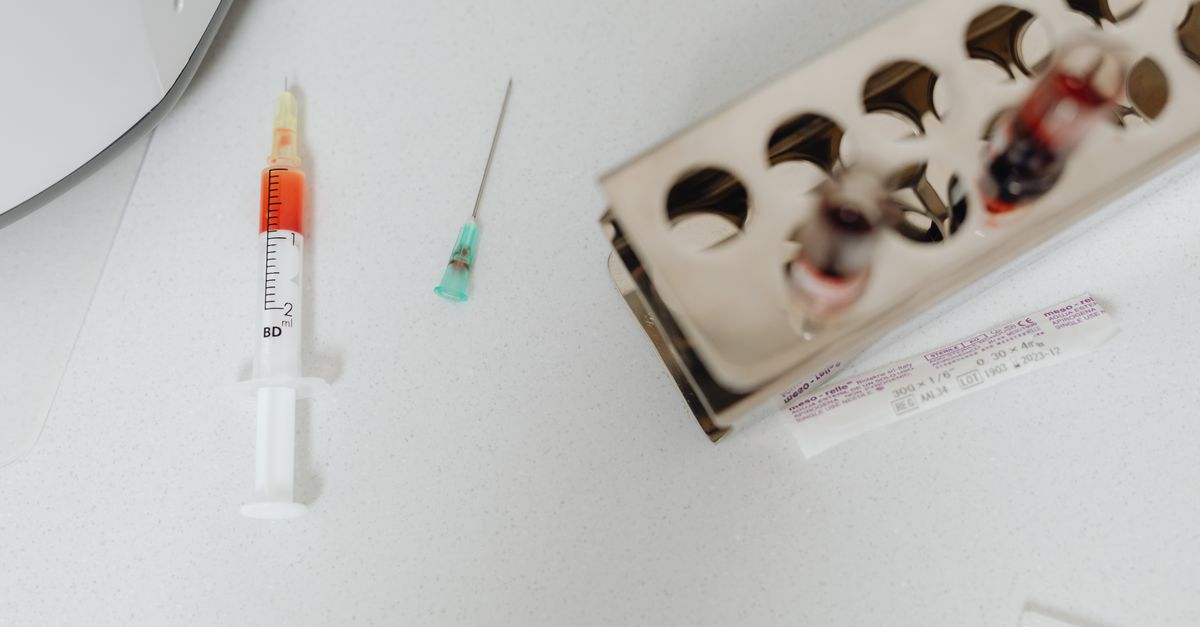
BPC-157 Side Effects: When to Worry and What Tests Show
For most healthy adults, BPC-157 produces few noticeable side effects at research-equivalent doses, with nausea and mild dizziness being the most commonly self-reported complaints. The key caveat: virtually all controlled data comes from rodent studies, and any human effect — beneficial or adverse — is extrapolated without formal clinical trials. People with active inflammatory bowel disease, hormonal imbalances, or those on anticoagulants should be especially cautious.
---
What Is BPC-157 and Why Are People Using It?
BPC-157 (Body Protection Compound-157) is a synthetic pentadecapeptide derived from a protein found in human gastric juice. It was first isolated in the 1990s by researchers at the University of Zagreb, and a substantial body of animal research has since documented its effects on tendon healing, gut lining repair, angiogenesis, and dopamine regulation (Sikiric et al., Journal of Physiology-Paris 2000; PMID: 10865127).
In rodent models, BPC-157 has demonstrated the ability to accelerate healing of ligaments, muscles, and bone, reduce ulceration in the gastrointestinal tract, and modulate nitric oxide pathways. These findings have made it a popular — if legally ambiguous — compound among athletes seeking faster recovery and individuals with chronic gut issues.
Despite this, BPC-157 has not completed Phase II or Phase III clinical trials in humans as of 2024. It is not FDA-approved as a drug or dietary supplement, and the DEA classifies it as a research chemical. That regulatory gap matters when evaluating any reported side effect: there is no standardized human dosing, no pharmacokinetic data in people, and no long-term safety record.
---
The Most Commonly Reported BPC-157 Side Effects
Because there are no large human trials, reported side effects come primarily from anecdotal accounts on forums, case series, and extrapolation from animal data. That said, patterns do emerge:
Gastrointestinal symptoms
- Nausea, especially when injected on an empty stomach
- Loose stools or urgency shortly after subcutaneous injection
- Bloating with oral/sublingual administration (less common)
Neurological symptoms
- Mild dizziness or lightheadedness — likely related to BPC-157's interaction with dopaminergic pathways (Sikiric et al., CNS Neuroscience & Therapeutics 2016; PMID: 26833289)
- Vivid dreams or sleep disruption, reported occasionally in online biohacking communities
- Fatigue shortly after injection, sometimes followed by a short-lived energy surge
Cardiovascular and vascular signals
- Flushing or warmth at the injection site and beyond, consistent with BPC-157's pro-angiogenic and nitric oxide-modulating activity
- Transient blood pressure fluctuations — animal data shows both hypotensive and stabilizing effects depending on model
Immune and inflammatory markers
- Some users report temporary joint swelling or localized inflammation before resolution, which may represent an upregulated healing response rather than a toxic reaction
None of these effects have been characterized in human randomized controlled trials. If you experience anything beyond mild and transient, that is the threshold to stop and investigate with lab work.
---
BPC-157 and Lipid Markers: What the Research Actually Shows
One area where confusion flourishes is the relationship between BPC-157 use and lipid panels. Dramatic lipid swings — the kind where LDL drops from 157 to 37 or ApoB collapses within months — are almost certainly not caused by BPC-157. The peptide has no known mechanism for directly altering hepatic cholesterol synthesis, LDL receptor upregulation, or lipoprotein metabolism at the scale sometimes attributed to it.
If you are seeing significant changes in LDL or ApoB while using BPC-157, consider these far more likely explanations:
- Concurrent dietary changes (reduced saturated fat, increased fiber)
- Addition of a statin, ezetimibe, or high-dose omega-3s
- Significant weight loss affecting VLDL and LDL-particle dynamics
- Lab error or specimen handling variation between draws
BPC-157 does modulate nitric oxide synthase (NOS) pathways, and animal data suggests it can influence endothelial function (Sikiric et al., Current Pharmaceutical Design 2018; PMID: 29667553). Whether this translates to meaningful lipid changes in humans is unknown. If you are tracking cardiovascular risk, understanding what ApoB actually signals is more useful than attributing changes to a single unvalidated compound — see our breakdown of what ApoB tells you about heart disease risk and how to interpret your ApoB result in context.
---
The Tests You Should Run Before and After BPC-157
If you choose to use BPC-157 as part of a self-directed research protocol, a baseline panel before starting — and a follow-up at 6–8 weeks — gives you meaningful signal rather than guesswork.
| Test | Why It Matters | Timing |
|---|---|---|
| Complete Metabolic Panel (CMP) | Liver enzymes (ALT, AST), kidney function (creatinine, BUN), glucose | Baseline + 6–8 wks |
| Lipid panel + ApoB | Cardiovascular baseline; isolates any unexpected lipid shift | Baseline + 6–8 wks |
| CBC with differential | Detects inflammatory or immune activation | Baseline + 6–8 wks |
| hsCRP | Sensitive inflammatory marker; should ideally decrease if BPC-157 is working as claimed | Baseline + 6–8 wks |
| Testosterone, LH, FSH | BPC-157 modulates dopaminergic tone, which can upstream affect gonadotropin release | Baseline |
| Thyroid panel (TSH, free T3, free T4) | Thyroid is sensitive to peptide-based interventions affecting hypothalamic signaling | Baseline |
Liver enzyme elevations beyond 2–3× the upper limit of normal are an automatic stop signal. Similarly, a rise in creatinine or drop in GFR warrants immediate discontinuation and follow-up with a physician.
---
Who Is at Higher Risk for BPC-157 Side Effects?
Animal studies consistently show BPC-157 is well-tolerated even at high doses in healthy rodents, with a remarkably clean acute toxicity profile. But several human populations have theoretical reasons for caution:
People with a history of cancer or active neoplasia
BPC-157's pro-angiogenic activity — its ability to stimulate new blood vessel formation — is one of its proposed healing mechanisms (Sikiric et al., 2016; PMID: 26833289). For wound healing, this is useful. In a tissue environment with occult or active cancer, stimulating angiogenesis could theoretically support tumor vascularity. This is not documented in humans, but it is a mechanistic concern that oncologists and integrative practitioners take seriously.
People on anticoagulants or antiplatelet drugs
BPC-157 affects nitric oxide and vascular integrity. Combining it with warfarin, heparin, or aggressive NSAID protocols introduces unpredictable interactions with no human pharmacokinetic data to guide dosing.
People with hormonal imbalances or adrenal dysfunction
Dopaminergic modulation affects prolactin, cortisol feedback loops, and gonadotropin secretion. If your HPA axis is already dysregulated — something that shows up in DHEA, cortisol, and LH patterns — adding a peptide that influences dopamine tone may amplify instability. The DHEA side effects article covers how easily adrenal and hormonal signals overlap in self-directed supplement users.
People with inflammatory bowel disease (IBD)
This is one of the more counterintuitive risks. BPC-157 is frequently promoted as a gut healer, and animal data for ulcer resolution is genuinely compelling. However, IBD involves complex immune regulation — stimulating mucosal repair pathways without understanding your specific immune phenotype introduces unpredictable risk. Consult a gastroenterologist before use.
---
BPC-157 Interaction With Omega-3s and Other Recovery Nutrients
Many people stacking BPC-157 for recovery are simultaneously using omega-3 fatty acids, which have their own well-documented anti-inflammatory and pro-resolving effects on tissue repair. EPA and DHA upregulate specialized pro-resolving mediators (SPMs) — lipoxins, resolvins, and protectins — that actively resolve inflammation rather than merely suppress it (Serhan et al., Nature Reviews Immunology 2014; PMID: 25234144).
This combination is not inherently dangerous, but it illustrates an important principle: when you stack multiple compounds that each modulate inflammatory resolution, the effect is harder to attribute and the side effect burden is harder to isolate. If you develop nausea, fatigue, or unusual bruising, you need to know which compound is the variable. Running omega-3s and BPC-157 together without a baseline makes that impossible.
For anyone optimizing recovery through evidence-based nutrition rather than unregulated peptides, understanding your omega-3 status through testing is a more tractable starting point — with a defined deficiency threshold, established clinical doses, and a clean long-term safety record.
---
What This Means for Your Formula
Ones does not include BPC-157 in its ingredient catalog — it is a research-phase peptide without the clinical trial record required for a validated supplement formula. However, if your goal is tissue recovery, reduced systemic inflammation, or gut lining support, the mechanisms that make BPC-157 interesting also point toward several evidence-backed alternatives:
Omega-3 (EPA/DHA): At clinical doses of 2–4g combined EPA+DHA daily, omega-3s demonstrably reduce systemic inflammatory markers and support pro-resolving pathways relevant to musculoskeletal and gut recovery (Serhan et al., 2014; PMID: 25234144). Ones includes pharmaceutical-grade omega-3 dosed to match your Omega-3 Index from lab data — not a generic 1g softgel.
CoQ10/Ubiquinol (200mg): Mitochondrial support for tissue with high energetic demands — relevant to recovery protocols where cellular energy metabolism is a rate-limiting step. See our deep dive on CoQ10 benefits and common gaps for more on when CoQ10 actually moves the needle.
Ones' Ligament Support system blend: Specifically formulated with connective tissue repair in mind, drawing on ingredients with documented effects on collagen synthesis and joint matrix integrity. For people pursuing BPC-157 for tendon or ligament recovery, this blend addresses overlapping mechanisms through validated, regulated ingredients.
If your lab work shows deficiencies or inflammatory patterns driving your recovery issues, Ones' AI practitioner can identify which targeted ingredients belong in your personalized formula — with doses calibrated to your actual data, not population averages.
---
Key Takeaways
- BPC-157 has a compelling animal research record but zero completed human clinical trials — every side effect claim, positive or negative, is extrapolated from rodent data or anecdotal reports.
- The most commonly reported side effects are transient nausea, dizziness, and flushing, consistent with its nitric oxide and dopaminergic mechanisms.
- Dramatic lipid changes (LDL, ApoB) during BPC-157 use are almost certainly caused by concurrent dietary, medication, or metabolic factors — not the peptide itself.
- Run a baseline CMP, CBC, lipid panel, and hsCRP before starting; retest at 6–8 weeks. Stop immediately if liver enzymes rise above 2–3× upper normal or kidney markers shift.
- People with active cancer, on anticoagulants, or with hormonal dysregulation carry higher theoretical risk and should consult a physician before use.
- For recovery, gut integrity, and anti-inflammatory goals, evidence-backed alternatives — omega-3s, targeted collagen-support blends, and mitochondrial nutrients — offer defined safety profiles and clinical dosing data that BPC-157 currently cannot match.