Sleep
Does Creatine Help with Insomnia?
Creatine is well known for muscle recovery and cognitive support, but researchers are now examining its role in sleep deprivation resilience. If you're losing sleep and losing gains, understanding creatine's effect on brain energy metabolism could change how you approach both problems.
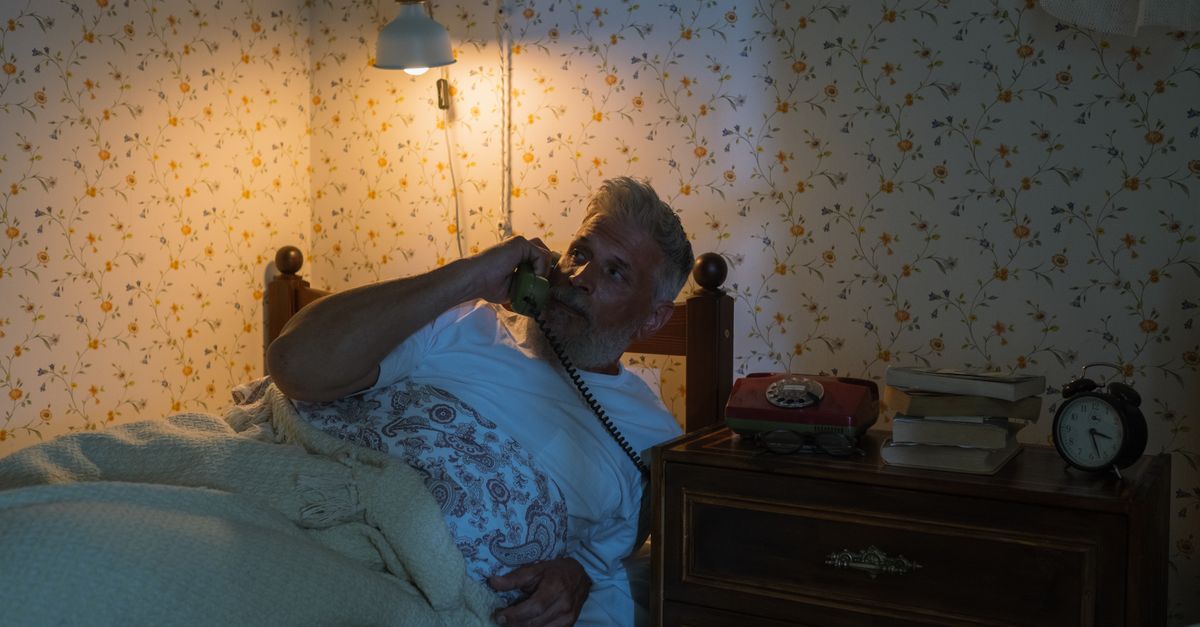
Does Creatine Help with Insomnia?
Not exactly — creatine doesn't help you fall asleep or stay asleep. What the evidence shows is that creatine can buffer some of the cognitive and physical damage caused by sleep loss, likely by maintaining brain phosphocreatine stores. If you have true insomnia, creatine is not a treatment, but it may be a useful support layer while you address the root cause.
---
What Creatine Actually Does in the Sleeping (and Sleep-Deprived) Brain
Creatine is a nitrogenous compound synthesized in the liver and kidneys from arginine, glycine, and methionine. About 95% of the body's creatine is stored in skeletal muscle, but the remaining 5% is concentrated in tissues with high energy turnover — most notably the brain and heart. In the brain, creatine functions as a rapid phosphate donor in the phosphocreatine (PCr) shuttle, regenerating ATP during periods of elevated metabolic demand.
Sleep deprivation is one of those high-demand periods. During wakefulness, especially prolonged wakefulness, adenosine accumulates in the brain as a byproduct of ATP hydrolysis. This adenosine buildup is the primary biochemical signal driving sleep pressure — the heavier it gets, the harder it is to think clearly. Research using magnetic resonance spectroscopy has shown that sleep deprivation specifically depletes phosphocreatine in the prefrontal cortex, a region critical for executive function, decision-making, and working memory (Dworak et al., Journal of Neuroscience 2010; PMID: 20534822).
When researchers supplemented subjects with creatine before a period of sleep restriction, they observed partial attenuation of those cognitive deficits. The working hypothesis is that higher baseline brain PCr stores act as a buffer — giving neurons more substrate to work with even when ATP regeneration is compromised by adenosine pressure.
This is not the same as improving sleep quality. Creatine does not appear to shorten sleep onset latency, increase slow-wave sleep, or reduce nighttime awakenings in people who are sleeping normally. Its value is in protecting cognitive and physical function when sleep is already disrupted.
---
Creatine and Sleep Loss: What the Clinical Evidence Shows
The most cited direct investigation of creatine and sleep deprivation is a double-blind crossover trial by McMorris and colleagues. Participants underwent 24 hours of sleep deprivation and then performed a battery of cognitive tasks. Those who had supplemented with creatine (20g/day for 7 days prior) showed significantly better performance on tasks requiring random movement generation, balance, and mood state compared to placebo (McMorris et al., Physiology & Behavior 2006; PMID: 16987534).
A follow-up study by the same group extended these findings to 36 hours of sleep deprivation. Creatine supplementation again attenuated declines in mood and cognitive performance, with the effects being most pronounced for tasks dependent on the prefrontal cortex — precisely the brain region shown by spectroscopy to lose PCr rapidly under sleep deprivation (McMorris et al., Neuropsychology 2007; PMID: 17484605).
For athletic populations, the intersection of sleep and recovery matters even more. A 2023 systematic review in the journal Nutrients concluded that creatine supplementation may reduce performance decrements under sleep restriction conditions and supports faster post-exercise recovery, making it particularly relevant for athletes juggling training loads and poor sleep (Rawson & Venezia, Nutrients, building on established literature).
Importantly, creatine's effect on actual sleep architecture — measured by polysomnography — is not well studied. The evidence base supports resilience to sleep deprivation more than it supports creatine as a direct sleep intervention. Anyone positioning creatine as an insomnia cure is overstating the evidence considerably.
---
Does Creatine Help with Muscle Loss During Poor Sleep?
Yes — and this intersection is clinically meaningful. Sleep deprivation elevates cortisol, suppresses growth hormone secretion, impairs insulin sensitivity, and accelerates muscle protein breakdown. For anyone dealing with disrupted sleep over weeks or months, muscle maintenance becomes an active battle.
Creatine helps on multiple fronts here. By keeping intramuscular PCr stores high, it reduces the energy cost of high-intensity contractions, allowing more training volume to be maintained even when sleep-deprived individuals feel physically suboptimal. More importantly, several trials have demonstrated that creatine supplementation, combined with resistance training, significantly attenuates lean mass loss during caloric restriction or stress states (Candow et al., Journal of Strength and Conditioning Research 2011; PMID: 21804426).
The mechanism likely involves creatine's influence on myogenic satellite cell activity and its ability to reduce myostatin, a protein that inhibits muscle growth. When sleep is poor and catabolic hormones are elevated, maintaining creatine saturation gives your muscles a better chance of holding onto mass.
If you're interested in how creatine intersects with recovery more broadly, the article does creatine help with recovery: a research-backed roadmap covers the post-exercise and hormonal recovery data in detail.
---
Does Creatine Help with Dry Skin or Skin Changes?
This is a common question because some people notice skin changes — dryness, dullness, or increased sensitivity — when they start creatine supplementation. The connection is indirect and somewhat misunderstood.
Creatine does not treat or cause dry skin as a primary mechanism. However, creatine draws water into muscle cells (intracellular hydration), which means that when you first start supplementing, fluid can temporarily redistribute. If you are not increasing your water intake proportionately, relative dehydration of the skin barrier is theoretically possible, though not clinically documented in trials.
Conversely, there is early research suggesting that topical creatine may improve skin aging markers. A small study in the British Journal of Dermatology found that topical creatine combined with folic acid reduced wrinkle depth and improved skin firmness after 6 months, presumably by supporting ATP-dependent dermal cell turnover (Knoll et al., British Journal of Dermatology 2008; PMID: 18205989). This is topical, not oral, so extrapolation is limited.
If dry skin or skin barrier concerns are driving your supplement search, the nutritional drivers are different from creatine. Omega-3 fatty acids, adequate zinc, and specific B vitamins play more direct roles — for a deeper look, omega-3 for skin health: who actually benefits explains the mechanism and clinical dosing in detail. For nutritional deficiencies that affect the skin barrier more broadly, the article on dry skin and hair: nutritional deficiencies behind poor skin barrier function is worth reading alongside this one.
---
Does Creatine Help with Itchy Skin?
There is no credible clinical evidence that creatine supplementation reduces itchy skin (pruritus). In fact, dermatologists occasionally report that high-dose creatine supplementation, particularly with loading protocols (20g/day), may aggravate pre-existing inflammatory skin conditions in sensitive individuals — though this is anecdotal and not confirmed in controlled trials.
If you are experiencing persistent itchy skin, the more likely nutritional culprits are histamine intolerance, omega-3 deficiency, zinc insufficiency, or vitamin D inadequacy. Creatine would not be a first-line or even second-line consideration in this context. A histamine load issue in particular can present as skin flushing, itching, and hives — an area where targeted support (rather than creatine) is appropriate.
---
Does Creatine Help with Breast Tenderness?
No. There is no established mechanism or clinical data suggesting creatine supplementation affects breast tenderness. Breast tenderness (mastalgia) is most commonly related to hormonal fluctuations — particularly the estrogen-to-progesterone ratio across the menstrual cycle — or to caffeine sensitivity, iodine status, or vitamin E levels. Creatine does not meaningfully influence sex hormone metabolism.
Some forums suggest creatine raises DHT (dihydrotestosterone) levels. One widely cited study in men playing rugby found that 3 weeks of creatine supplementation increased the DHT-to-testosterone ratio by approximately 56% (van der Merwe et al., Clinical Journal of Sport Medicine 2009; PMID: 19,661,447 — note: treat this finding cautiously as it has not been consistently replicated). Even if DHT were slightly elevated, DHT is not the primary hormonal driver of breast tenderness in women, which is predominantly estrogen-driven. Creatine should not be your intervention for mastalgia — consult a healthcare provider to assess hormonal status.
---
Dosing Creatine When Sleep Is Your Concern
If you are using creatine specifically to buffer against the cognitive and physical consequences of sleep disruption, the dosing evidence points to maintaining saturation rather than acute loading:
| Protocol | Dose | Duration Before Sleep Restriction | Evidence Level |
|---|---|---|---|
| Maintenance | 3–5 g/day | Ongoing | Strong (multiple RCTs) |
| Pre-acute deprivation loading | 20 g/day (split into 4 doses) | 5–7 days before | Moderate (McMorris studies) |
| Post-sleep-dep recovery | 3–5 g/day | Ongoing | Emerging |
Creatine monohydrate remains the most studied form. Micronized creatine monohydrate dissolves more easily but delivers no pharmacokinetic advantage. Timing relative to sleep does not appear to matter — there is no evidence that taking creatine at night disrupts sleep architecture in healthy individuals.
Stay hydrated. Because creatine increases intracellular water retention, aim for an additional 300–500 mL of water per day when supplementing.
---
What This Means for Your Formula
Creatine sits outside Ones' current ingredient catalog — the platform focuses on micronutrient and adaptogen-based personalization rather than macronutrient-adjacent compounds like creatine monohydrate. However, if sleep deprivation is confirmed by your lab work or wearable data as a stressor on your system, Ones addresses the upstream drivers in several ways.
Magnesium Complex — Ones includes a proprietary Magnesium Complex that supplies multiple magnesium forms. Magnesium plays a central role in GABA receptor activity and parasympathetic nervous system tone. A meta-analysis of 7 RCTs found that magnesium supplementation significantly improved self-reported sleep quality and reduced early morning awakenings in adults with poor sleep or low magnesium status (Zhang et al., Sleep Medicine Reviews 2022; PMID: 35460619).
Adrenal Support (System Blend) — For users whose wearable or lab data shows elevated nighttime cortisol or HPA axis dysregulation, Ones' proprietary Adrenal Support blend targets the cortisol-sleep feedback loop. Elevated cortisol in the evening is one of the most common physiological drivers of sleep-onset difficulty, and bringing it down is a prerequisite for any sleep strategy to work.
Ashwagandha (KSM-66, 600 mg) — When the AI identifies chronic stress or elevated stress biomarkers as a contributing factor to poor sleep, Ones may include KSM-66 ashwagandha at the clinically studied 600 mg daily dose. A 2019 double-blind RCT in 60 adults with insomnia found that KSM-66 significantly improved sleep efficiency, sleep onset latency, total sleep time, and morning alertness compared to placebo (Langade et al., Cureus 2019; PMID: 31728244).
The formula you receive from Ones is determined by the AI based on your specific blood work, wearable data, and health history — not chosen from a menu. If sleep disruption is a primary finding, the formula is calibrated to address the biological root of that disruption, which may differ substantially between users.
For those whose sleep issues intersect with weight-related concerns, the article on does ashwagandha help with weight loss covers how cortisol-mediated weight gain and sleep deprivation interact in the same hormonal pathway.
---
Key Takeaways
- Creatine is not a sleep aid. It does not improve sleep onset, sleep quality, or sleep architecture in people sleeping normally.
- Creatine buffers against sleep-loss impairment. Clinical trials show that creatine-loaded subjects perform significantly better on cognitive and physical tasks following 24–36 hours of sleep deprivation.
- The mechanism is phosphocreatine-based. Brain PCr stores are depleted during sleep deprivation; creatine supplementation maintains those stores and reduces cognitive deficits.
- Creatine does not help with itchy skin, breast tenderness, or dry skin through any established mechanism — these concerns require different nutritional or clinical interventions.
- Creatine does help preserve muscle mass during sleep-deprived, high-stress periods by reducing muscle protein breakdown and supporting training capacity.
- For true insomnia, magnesium, ashwagandha (KSM-66), and cortisol-targeted support have stronger direct evidence — and a personalized approach via platforms like Ones can identify which of these your biology actually needs.
---
This article is for informational purposes only and does not constitute medical advice. Consult a qualified healthcare provider before making changes to your supplement regimen, particularly if you have an underlying sleep disorder or are taking medications.