Supplements
Foods to Avoid on Ozempic for Best Results
GLP-1 receptor agonists like Ozempic have transformed weight management and blood sugar control — but what you eat while on them matters more than most people realize. Certain foods amplify side effects like nausea and gastroparesis, while others undermine the drug's core metabolic benefits. This guide breaks down exactly which foods to limit and why, backed by clinical evidence.
Why Food Choices Matter More on GLP-1 Medications
Semaglutide (brand names Ozempic and Wegovy) and tirzepatide (Mounjaro, Zepbound) slow gastric emptying, reduce appetite, and blunt post-meal glucose spikes by mimicking gut hormones. That sounds straightforwardly helpful — and it is — but the same mechanism that curbs appetite also makes the stomach more sensitive to certain dietary inputs. High-fat meals, fizzy beverages, and fast-digesting refined carbohydrates can trigger intense nausea, bloating, or vomiting when gastric emptying is already delayed.
A 2021 review in Diabetes, Obesity and Metabolism (Drucker et al.; PMID: 33724653) confirmed that gastrointestinal adverse events — nausea, diarrhea, constipation — are the most common reason patients reduce or discontinue GLP-1 agonist therapy. Dietary modification is one of the most evidence-supported strategies to reduce these events without sacrificing efficacy.
Understanding which foods to avoid on Ozempic is therefore not just about comfort; it directly affects whether you can stay on therapy long enough to see meaningful results.
---
Foods to Avoid on Semaglutide (Ozempic and Wegovy)
Semaglutide is the active ingredient in both Ozempic (approved for type 2 diabetes and cardiovascular risk reduction) and Wegovy (approved for chronic weight management). The dietary guidance applies equally to both brand names.
1. High-Fat, Greasy, or Fried Foods
Fatty meals are the single biggest dietary trigger for nausea on semaglutide. Fat already slows gastric emptying on its own; combined with semaglutide's gastroparesis-like effect, the result is prolonged fullness, reflux, and vomiting. Fried chicken, fast-food burgers, full-fat dairy-heavy dishes, and heavy cream sauces should be minimized — especially during the first 8–12 weeks when doses are being titrated upward.
Clinical note: A 68-week phase-3 trial (STEP 1) in the New England Journal of Medicine (Wilding et al. 2021; PMID: 33567185) showed that participants who sustained lifestyle modifications alongside semaglutide achieved an average 14.9% body weight reduction. Dietary compliance — particularly fat intake — was strongly correlated with tolerability outcomes in secondary analyses.
2. Refined Carbohydrates and Sugary Foods
Semaglutide's primary metabolic effect is blunting post-meal glucose excursions. Eating high-glycemic foods — white bread, white rice, sugary breakfast cereals, candy, pastries, sweetened beverages — creates rapid glucose spikes that counteract this benefit. Even if the drug blunts the spike somewhat, repeatedly flooding the system with refined carbs stalls A1C improvement and weight loss progress.
If you're using Ozempic specifically for blood sugar management, pairing it with a lower-glycemic diet amplifies results considerably. For a deeper look at dietary and supplemental strategies to manage blood sugar, evidence-backed approaches to lowering A1C without medication offer a helpful framework.
3. Alcohol
Alcohol consumption on semaglutide deserves special attention. First, alcohol can cause hypoglycemia — a risk that increases when you're already on a glucose-lowering drug, even though semaglutide itself doesn't typically cause hypoglycemia as monotherapy. Second, many patients report dramatically heightened sensitivity to alcohol's intoxicating effects on GLP-1 therapy, possibly related to altered gastric absorption rates. Third, beer and sugary cocktails are calorie-dense and high-glycemic, directly working against the drug's weight management goals.
Anecdotal reports from large patient communities (and emerging clinical observation) also suggest reduced cravings for alcohol on semaglutide — an area of active research at this writing.
4. Carbonated Beverages
The bloating and gas from carbonated drinks compound the sensation of fullness and sluggish gastric motility that semaglutide already produces. Patients frequently report that sparkling water, soda, and carbonated energy drinks worsen nausea and upper GI discomfort. Plain still water, herbal teas, and diluted electrolyte drinks are better tolerated.
5. Spicy Foods
Capsaicin and other spice compounds can irritate the esophagus and stomach lining, an effect magnified when food is sitting in the stomach longer than usual. Some patients tolerate mild spice fine; others find that even modest amounts trigger significant discomfort. If you're in the first 12 weeks of therapy or at a higher dose, it's worth temporarily dialing back heat and observing your response.
---
Foods to Avoid on Wegovy Specifically
Wegovy is simply a higher approved dose (up to 2.4 mg weekly) of semaglutide, so everything above applies. What shifts slightly at higher doses is the intensity of side effects — meaning the same trigger foods tend to cause more pronounced symptoms.
At Wegovy's maintenance dose, portion size itself becomes critical. Even foods that are nutritionally sound — a large salmon fillet, a generous bowl of oatmeal — can overwhelm slowed gastric motility when eaten in typical pre-medication serving sizes. The practical rule: eat half the volume you normally would and chew food thoroughly before swallowing.
Foods to avoid on Wegovy that sometimes surprise patients:
- Tough, chewy meats (overcooked steak, jerky, processed deli meats with high fat marbling)
- High-fiber foods in large amounts (raw broccoli, raw onions, cabbage) — fiber is healthy, but large raw quantities worsen bloating
- Very large servings of any food, even healthy ones
The general metabolic principles also apply to Wegovy users who want to maintain their A1C trajectory. Understanding what your A1C result actually means can help you benchmark progress during treatment.
---
Foods to Avoid on Tirzepatide (Mounjaro / Zepbound)
Tirzepatide is a dual GIP/GLP-1 receptor agonist, making it mechanistically distinct from pure semaglutide products — but the dietary guidance overlaps substantially because gastroparesis-like gastric slowing is still its primary GI side effect mechanism.
In the SURMOUNT-1 trial (New England Journal of Medicine, Jastreboff et al. 2022; PMID: 35658024), tirzepatide at 15 mg achieved up to 20.9% mean body weight reduction over 72 weeks. Nausea and vomiting were the most common adverse events (occurring in 28–32% of participants), and they were most pronounced early in dose escalation.
The highest-risk foods on tirzepatide mirror the semaglutide list:
| Food Category | Why It's Problematic | Practical Swap |
|---|---|---|
| Fried / very fatty foods | Compounds gastric stasis | Baked, grilled, or steamed protein |
| Refined grains and sugar | Spikes glucose, undermines weight loss | Legumes, quinoa, non-starchy vegetables |
| Carbonated drinks | Worsens bloating | Still water, herbal tea |
| Alcohol | Hypoglycemia risk, calorie load | Alcohol-free spirits, sparkling water with citrus |
| Oversized portions (any food) | Overwhelms slowed stomach | Smaller plates, 15-min pauses between bites |
| Spicy foods at high doses | GI irritation | Mild herbs (basil, oregano, turmeric) |
One nuance with tirzepatide: because GIP agonism may exert additional effects on fat metabolism and insulin secretion, some clinicians believe the response to dietary fat is slightly more sensitive than on pure GLP-1 agonists. The practical implication is that high-fat meals may cause more pronounced symptoms on tirzepatide than on equivalent semaglutide doses — though direct comparative dietary studies are not yet available at this writing.
---
Foods to Avoid on Compounded Semaglutide
Compounded semaglutide has surged in use since 2023 as an alternative to branded Ozempic and Wegovy, particularly during supply shortages. The active molecule — semaglutide — is chemically identical, meaning the GI mechanism and dietary implications are the same.
What can differ with compounded versions:
- Dosing schedules may vary (some compound pharmacies use different titration protocols)
- Inactive excipients may differ, occasionally affecting tolerability
- Concentration and delivery format can vary, potentially altering absorption speed
Regardless of these variables, the core foods to avoid on compounded semaglutide remain consistent: greasy or fried foods, refined carbohydrates, alcohol, carbonated beverages, and spicy foods.
If you're using compounded semaglutide and also managing cholesterol or cardiovascular risk, it's worth noting that GLP-1 therapy may modestly improve lipid panels in some users. For a broader picture of metabolic health alongside GLP-1 use, strategies to lower LDL cholesterol with evidence-backed approaches provide useful context.
A 2022 meta-analysis in The Lancet examining semaglutide across cardiovascular outcomes trials (Sattar et al. 2022; doi: 10.1016/S0140-6736(22)01085-5) confirmed that the drug's benefits extend well beyond glucose control — but only when foundational dietary habits support its action.
---
What to Eat Instead: A Brief Framework
Avoiding problematic foods is only half the picture. The dietary pattern best supported by evidence alongside GLP-1 therapy emphasizes:
- Lean protein at every meal (chicken breast, eggs, fish, Greek yogurt, legumes) — protein is the most satiating macronutrient and helps preserve muscle mass during weight loss, which is a documented concern with rapid GLP-1-driven weight reduction.
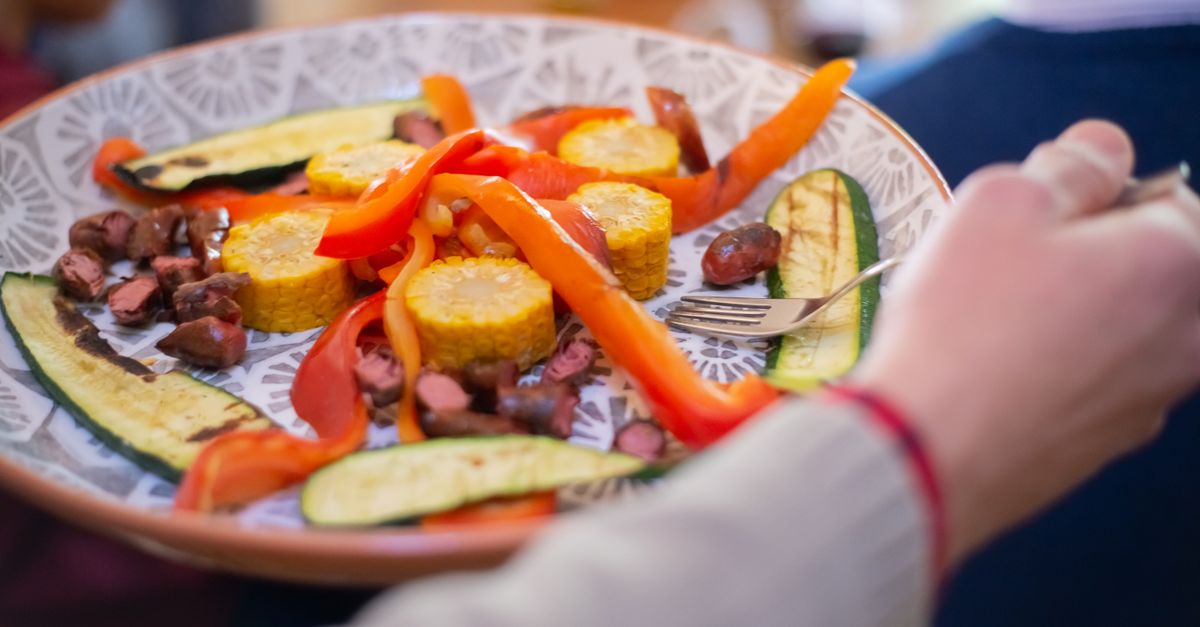
- Non-starchy vegetables in moderate portions (spinach, zucchini, cucumber, bell peppers) — lower in fermentable fiber that causes bloating than raw cruciferous vegetables.
- Low-glycemic whole carbohydrates in small servings (oats, lentils, sweet potato).
- Adequate hydration — dehydration worsens constipation, another common GLP-1 side effect.
- Small, frequent meals rather than two or three large ones.
A 2016 randomized controlled trial in Nutrients (Feinman et al.; PMID: 26485706) demonstrated that low-carbohydrate diets significantly improved A1C and triglycerides in type 2 diabetics — findings that extrapolate logically to patients using semaglutide for the same condition. Similarly, tracking blood sugar trends to understand your dietary response can be valuable; for context on what supplements affect A1C, there's additional reading available.
---
What This Means for Your Formula
GLP-1 medications and nutrition changes don't operate in a vacuum — micronutrient status matters during active weight loss. Rapid weight reduction reduces overall caloric intake, which can quietly deplete key nutrients.
Specific considerations Ones addresses:
- Magnesium Glycinate — Magnesium deficiency is common at baseline and can worsen with reduced dietary variety. Magnesium also plays a role in insulin sensitivity and glucose transport (Barbagallo & Dominguez, Magnesium Research 2015; PMID: 26404067). Ones includes Magnesium Glycinate at a clinical dose in formulas where lab data flags a deficiency or insufficiency.
- Omega-3 (EPA/DHA) — GLP-1 therapy's cardiovascular benefits may be partially mediated through lipid remodeling. Omega-3 fatty acids reduce triglycerides and support vascular health through complementary mechanisms. A 2019 Cochrane review (Abdelhamid et al.; PMID: 30500736) covering 86 trials found that marine omega-3 supplementation meaningfully reduced triglycerides. Ones sources EPA/DHA from molecularly distilled fish oil and calibrates the dose to your lipid panel.
- Vitamin D3 + K2 (MK-7) — Obesity and caloric restriction are both associated with vitamin D insufficiency. D3 is relevant to immune function, insulin receptor sensitivity, and mood — areas that often fluctuate during significant weight change. When bloodwork flags suboptimal 25-OH-D levels, Ones incorporates D3 paired with MK-7 for optimal calcium-channel support.
Ones' AI practitioner analyzes your blood work and wearable data to identify which of these gaps actually exist for you — rather than adding a blanket stack that may not apply to your situation.
---
Key Takeaways
- Fatty, fried foods are the top dietary trigger for nausea and vomiting on all GLP-1 medications, including Ozempic, Wegovy, Mounjaro, and compounded semaglutide.
- Refined carbohydrates and sugary foods directly undercut semaglutide's blood sugar and weight management benefits — minimizing them amplifies the drug's efficacy.
- Alcohol and carbonated beverages worsen GI side effects and add metabolic load; they should be minimized or eliminated, especially during dose titration.
- Tirzepatide users may be particularly sensitive to high-fat meals due to the drug's dual GIP/GLP-1 mechanism.
- Compounded semaglutide carries the same dietary cautions as branded versions because the active molecule is identical.
- Micronutrient status can erode during GLP-1-driven caloric restriction; a personalized supplement strategy built from your actual lab data can protect against silent deficiencies.
---
This article is for educational purposes only and does not constitute medical advice. Always consult a qualified healthcare provider before changing your medication, diet, or supplement regimen.