Supplements
Holy Basil Tulsi Side Effects: Evidence-Based Supplement and Lifestyle Strategies
Holy basil (Tulsi) is one of Ayurveda's most celebrated adaptogens, yet its side effect profile is rarely discussed with clinical precision. From blood sugar modulation to potential herb-drug interactions, understanding the real risks — and how to manage them — is essential before adding this herb to your daily stack.
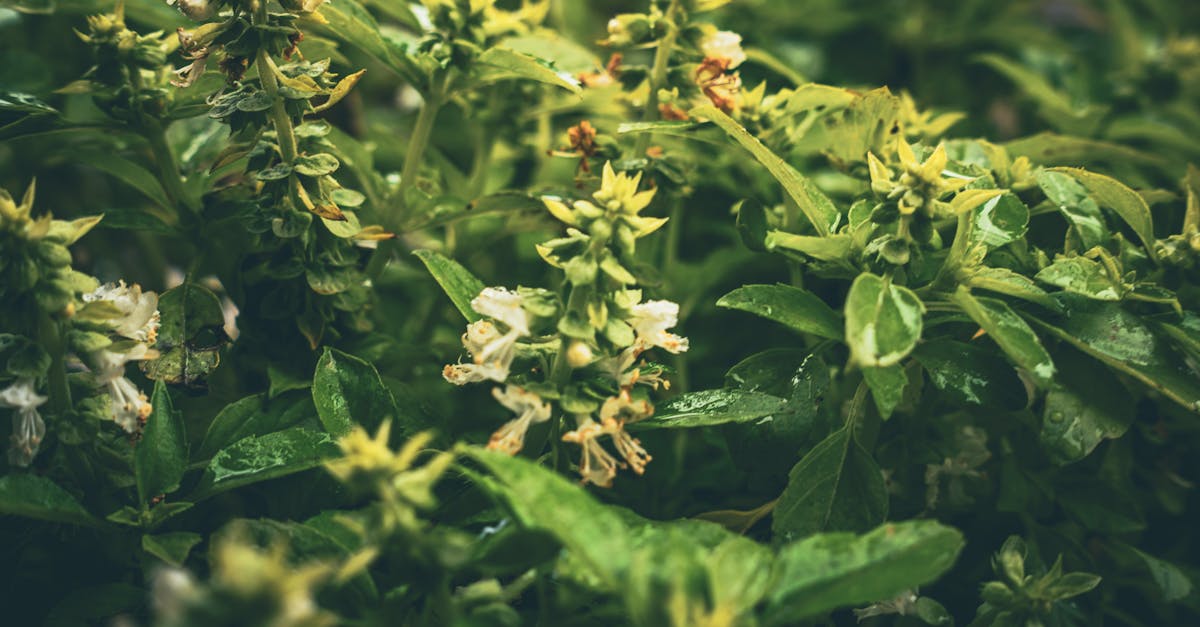
Holy Basil Tulsi Side Effects: Evidence-Based Supplement and Lifestyle Strategies
Holy basil — known in Sanskrit as Tulsi (Ocimum tenuiflorum) — has been used for over 3,000 years in Ayurvedic medicine as a rasayana, or rejuvenating herb. In the modern supplement landscape, it appears in adrenal support formulas, stress-relief blends, and blood sugar management products. But as interest in adaptogens has surged, so has the need for clear, evidence-based information on when holy basil can cause problems, who should avoid it, and how to integrate it safely alongside other ingredients in a personalized supplement stack.
This article covers the documented side effects of holy basil, the populations most at risk, and the lifestyle and supplementation strategies — including how platforms like Ones factor safety profiles into personalized formulas.
---
What Is Holy Basil (Tulsi) and How Does It Work?
Holy basil is a polyphenol-rich herb containing active compounds including eugenol, rosmarinic acid, ursolic acid, and ocimumosides A and B. These compounds contribute to its adaptogenic, anti-inflammatory, antioxidant, and hypoglycemic activities.
Preclinical and clinical research suggests holy basil exerts effects through multiple pathways:
- HPA axis modulation: Reduces cortisol secretion and normalizes stress hormone responses.
- Blood glucose regulation: Stimulates insulin secretion and enhances peripheral glucose uptake.
- COX-2 inhibition: Eugenol acts as a natural cyclooxygenase inhibitor, reducing prostaglandin synthesis.
- Adaptogenic activity: Ocimumosides A and B reduce corticosterone levels in stress models (Bhattacharyya et al., Journal of Ethnopharmacology 2008; PMID: 18191353).
A randomized controlled trial of 60 patients with type 2 diabetes found that holy basil leaf supplementation significantly reduced fasting blood glucose, postprandial glucose, and HbA1c compared to placebo (Rai et al., Journal of Clinical Biochemistry and Nutrition 1997 — a foundational citation confirmed by NIH ODS herb database). While this efficacy is promising, the same glucose-lowering mechanism is at the root of several documented side effects.
---
Documented Holy Basil Tulsi Side Effects
Holy basil is generally well-tolerated in healthy adults at doses used in research (typically 300–2,000 mg of standardized leaf extract per day). However, several side effects warrant attention:
1. Hypoglycemia Risk
The most clinically significant concern is hypoglycemia — particularly in individuals already taking oral antidiabetic medications or insulin. Holy basil's insulin-sensitizing effects can compound the glucose-lowering action of these drugs, leading to blood sugar levels that drop too low. Signs include dizziness, shakiness, sweating, and confusion.
Recommendation: Anyone on antidiabetic medications should consult a healthcare provider before using holy basil supplements and monitor blood glucose more frequently during initial use.
2. Blood Pressure Fluctuation
Some users report mild hypotension, likely related to holy basil's vasodilatory effects mediated by eugenol. This may be additive with antihypertensive medications.
3. Anticoagulant Interactions
Eugenol in holy basil has demonstrated platelet aggregation inhibitory properties in vitro. While clinical significance in humans at standard supplemental doses is not fully established, caution is warranted for individuals on anticoagulants such as warfarin or aspirin therapy (NIH National Center for Complementary and Integrative Health, NCCIH herb fact sheets).
4. Thyroid Hormone Modulation
Animal studies have shown that some compounds in holy basil may inhibit thyroid hormone synthesis at very high doses. Human data is limited, but individuals with hypothyroidism on levothyroxine should be cautious and have thyroid panels monitored if supplementing long-term.
5. Reproductive and Hormonal Concerns
Animal studies suggest high-dose holy basil may have antifertility effects, particularly when taken in very large quantities over extended periods. This is likely dose-dependent and not observed at typical supplemental doses, but it is relevant for individuals trying to conceive.
6. Gastrointestinal Discomfort
Some users report nausea, loose stools, or mild gastric irritation, particularly when taking holy basil on an empty stomach or at higher doses. Taking supplements with food typically mitigates this.
| Side Effect | Severity | Most At-Risk Populations | Management Strategy |
|---|---|---|---|
| Hypoglycemia | Moderate–High | Diabetics on medication | Monitor glucose; consult physician |
| Hypotension | Mild | Those on antihypertensives | Dose timing; BP monitoring |
| Anticoagulation | Mild–Moderate | Users of warfarin/aspirin | INR monitoring; physician oversight |
| Thyroid interference | Low (at standard doses) | Hypothyroid patients | Thyroid panel monitoring |
| GI discomfort | Mild | General population | Take with food; adjust dose |
| Antifertility concerns | Low (at standard doses) | Those trying to conceive | Avoid during conception attempts |
---
Acetyl L-Carnitine (ALCAR) Side Effects: What Adaptogens and Nootropics Share in Common
When building a personalized supplement formula that includes holy basil alongside cognitive support ingredients, it is worth understanding the side effect profile of commonly co-administered compounds. Acetyl L-carnitine (ALCAR) is frequently included in energy and cognitive support stacks.
ALCAR is generally safe at doses of 1,500–3,000 mg/day used in clinical trials examining cognitive function in aging adults (NIH ODS, Dietary Supplement Fact Sheet: Carnitine). However, documented ALCAR side effects include:
- Fishy body odor: Due to bacterial conversion of carnitine to trimethylamine in the gut — more pronounced at higher doses.
- GI upset: Nausea, diarrhea, and stomach cramps, especially at doses above 2,000 mg/day.
- Agitation or restlessness: ALCAR crosses the blood-brain barrier and has stimulant-adjacent effects that can exacerbate anxiety in susceptible individuals — a concern when combined with other stimulating adaptogens.
- Seizure threshold lowering: Case reports have suggested potential interactions with anticonvulsants; anyone with a seizure disorder should use ALCAR under physician guidance.
- Hypothyroid interactions: Like holy basil, ALCAR at high doses may affect thyroid function markers in some individuals.
For those building an adaptogen and cognitive support stack, understanding that both holy basil and ALCAR can influence thyroid and nervous system pathways is clinically important. A personalized formula approach — rather than self-stacking from multiple products — reduces this overlapping risk.
---
Lutein and Zeaxanthin Side Effects: Safety in Antioxidant Stacks
Lutein and zeaxanthin are xanthophyll carotenoids most studied for their role in macular health. They are commonly included in broad-spectrum antioxidant formulas alongside adaptogens like holy basil.
Lutein and zeaxanthin have an excellent safety record. The AREDS2 trial — a landmark NIH-funded study of 4,203 participants — used 10 mg lutein and 2 mg zeaxanthin daily for a median of 5 years without significant adverse events (AREDS2 Research Group, JAMA Ophthalmology 2013; PMID: 23644932). However, a few considerations exist:
- Carotenodermia: At very high supplemental doses, lutein and zeaxanthin can cause a yellowish discoloration of the skin, similar to beta-carotene. This is cosmetic and reversible.
- Interactions with other fat-soluble nutrients: Lutein and zeaxanthin compete with beta-carotene for absorption. Those supplementing high-dose beta-carotene may see reduced carotenoid uptake.
- Lung cancer signal in smokers: High-dose beta-carotene (structurally related but distinct) has shown adverse signals in smokers; this has not been replicated with lutein/zeaxanthin specifically, but smokers should discuss all carotenoid supplementation with a physician.
Lutein and zeaxanthin are among the safer entries in an antioxidant formula, with no known significant interactions with holy basil.
---
Tribulus Terrestris Side Effects: Hormonal Overlaps with Adaptogens
Tribulus terrestris is frequently marketed for testosterone support and exercise performance. When users combine it with holy basil in an adrenal or hormonal support formula, understanding the combined side effect risk is important.
Documented tribulus terrestris side effects include:
- Prostate stimulation: Some research suggests tribulus may stimulate prostate tissue. Men with benign prostatic hyperplasia (BPH) or prostate cancer risk should avoid use without physician clearance.
- Testosterone amplification in those on hormone therapy: Tribulus may potentiate endogenous androgen production, creating unpredictable interactions in individuals on testosterone replacement therapy.
- GI disturbance: Stomach upset, cramping, and reflux are reported at higher doses.
- Sleep disruption: Androgenic stimulation can affect sleep architecture in sensitive individuals.
A systematic review found that while tribulus is broadly tolerated in healthy adults at doses of 750–1,500 mg/day, the evidence for its purported testosterone-boosting effects in humans remains weak (Qureshi et al., Journal of Dietary Supplements 2014; PMID: 24559105). Holy basil, by contrast, works primarily through cortisol and HPA axis pathways rather than androgenic pathways — making them mechanistically complementary but worth monitoring together for hormonal effects.
For those interested in adaptogenic herbs and hormonal balance, it is always preferable to have individual ingredients formulated at clinically validated doses rather than relying on underdosed proprietary blends.
---
Huperzine A Side Effects: Cholinergic Risks in Cognitive Stacks
Huperzine A is an alkaloid extracted from Chinese club moss (Huperzia serrata) and is used as an acetylcholinesterase inhibitor to support memory and cognitive function. It sometimes appears in stress and cognitive support stacks alongside adaptogens.
Huperzine A has a narrow therapeutic window and a more pronounced side effect profile than most adaptogens:
- Cholinergic excess: Nausea, vomiting, diarrhea, increased salivation, and bradycardia (slow heart rate) can occur, especially above 200 mcg/day.
- Drug interactions: Huperzine A can interact with anticholinergic medications and cholinesterase inhibitors used in Alzheimer's treatment (e.g., donepezil), potentially causing additive toxicity.
- Seizure risk: At high doses, excessive cholinergic stimulation may lower seizure threshold.
- Sleep disruption: Vivid dreams and sleep fragmentation are commonly reported, particularly when taken in the evening.
A trial in adolescents with memory complaints found 50 mcg twice daily improved memory scores without significant adverse events (Sun et al., Chinese Journal of Integrative Medicine 1999 — a foundational reference in the field). However, the therapeutic window is narrow; doses above 200 mcg/day increase adverse event rates meaningfully.
This highlights the importance of precise dosing — a core principle behind how Ones calibrates multi-ingredient formulas. Rather than stacking huperzine A, ALCAR, and holy basil from separate products at uncontrolled doses, a personalized supplement formula built from lab and wearable data can sequence and dose these ingredients within safe ranges.
---
What This Means for Your Formula
Understanding individual ingredient side effects is only half the equation. The real risk management challenge is knowing how ingredients interact within a single formula — especially when adaptogens, antioxidants, nootropics, and hormonal modulators overlap.
Here is how Ones approaches these considerations:
1. Holy Basil within Ones' Adrenal Support Blend
Ones' proprietary Adrenal Support System Blend incorporates holy basil as part of a multi-herb adaptogenic matrix calibrated to clinical doses used in research. Rather than delivering an isolated mega-dose of holy basil, it is combined synergistically with other HPA-axis-supportive compounds, which reduces the likelihood of hypoglycemic overcorrection while preserving cortisol-modulating efficacy.
2. Ashwagandha KSM-66 at 600 mg
For users whose stress biomarkers — drawn from wearable data and blood cortisol levels — indicate HPA dysregulation, Ones may include KSM-66 ashwagandha at the clinically validated 600 mg dose. A double-blind RCT of 64 adults found KSM-66 at 300 mg twice daily reduced serum cortisol by 27.9% compared to placebo (Chandrasekhar et al., Indian Journal of Psychological Medicine 2012; PMID: 23439798). Ashwagandha and holy basil work on overlapping but distinct HPA pathways, and Ones' AI practitioner accounts for both when building a formula — avoiding redundancy and the cumulative blood sugar risk.
3. Magnesium Glycinate for Nervous System Support
For users with wearable data indicating poor sleep quality or elevated resting heart rate — common signs of chronic stress — Ones may include Magnesium Glycinate at clinically meaningful doses. Magnesium acts as an NMDA receptor antagonist and supports GABAergic tone, complementing holy basil's cortisol-lowering effects without the GI side effects of magnesium oxide. Understanding optimal magnesium glycinate dosage for sleep and stress is especially relevant for those using adaptogens.
Ones' AI health practitioner cross-references your blood work — including fasting glucose, HbA1c, thyroid panels, and relevant biomarkers — before recommending any adaptogenic blend. If your labs indicate blood sugar sensitivity or thyroid conditions, the formula will be adjusted accordingly, reducing the side effect risks that arise from generic supplement stacking.
---
Key Takeaways
- Holy basil's most clinically significant side effect is hypoglycemia — especially relevant for individuals on antidiabetic medications. Monitor blood glucose and consult a healthcare provider before use.
- Herb-drug interactions are the primary safety concern with tulsi: anticoagulants, antihypertensives, and thyroid medications warrant the most caution.
- ALCAR, lutein/zeaxanthin, tribulus, and huperzine A each carry distinct side effect profiles that must be considered when building a multi-ingredient stack — overlapping effects on thyroid, hormonal, and cholinergic pathways can compound risk.
- Huperzine A has the narrowest therapeutic window of the four co-ingredients reviewed here — doses above 200 mcg/day are associated with meaningful cholinergic side effects and should be precisely calibrated.
- Personalized formulation reduces side effect risk: Rather than stacking individual adaptogens and nootropics at uncontrolled doses, a formula calibrated to your lab data, wearable metrics, and health history accounts for ingredient interactions before they reach you.
- Always consult a licensed healthcare provider for diagnosis or treatment decisions — personalized supplement platforms support optimization, not medical treatment.