Lab Results
How to Test Fasting Insulin: What to Know Before Your Lab
Fasting insulin is one of the most actionable metabolic markers you can measure — yet it's routinely left off standard blood panels. Millions of people with insulin resistance receive a normal fasting glucose reading and walk away falsely reassured. Getting the test right, interpreting the result correctly, and knowing what to do next can change your metabolic trajectory years before a diabetes diagnosis.
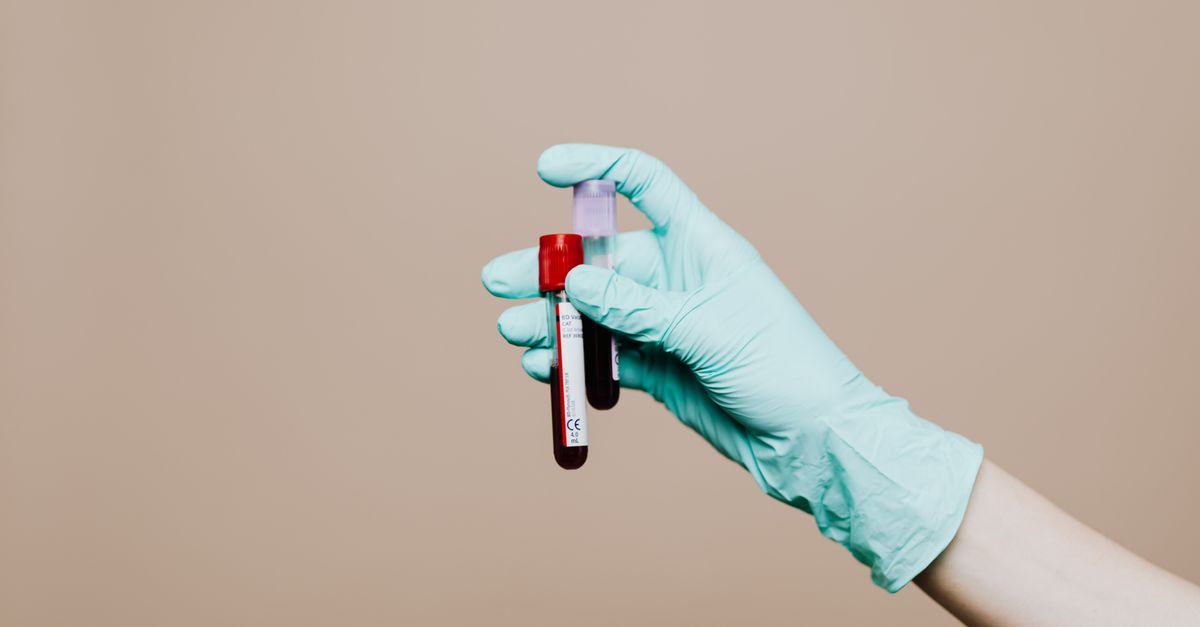
How to Test Fasting Insulin: What to Know Before Your Lab
Yes — fasting insulin is a straightforward blood draw, but the preparation, timing, and interpretation matter far more than most patients are told. A 12-hour fast is the standard, and the result is most informative when read alongside fasting glucose and triglycerides. The main caveat: reference ranges on lab reports are almost always too wide, making many cases of early insulin resistance look "normal." The exception is people with very low body weight or certain hormonal conditions, where low fasting insulin can be its own concern.
---
Why Fasting Insulin Is Missing From Most Standard Blood Panels
A routine metabolic panel in the United States typically includes fasting glucose, HbA1c, and a lipid panel. Fasting insulin is almost never included by default — and that omission has real consequences. Glucose rises late in the metabolic dysfunction timeline. Insulin rises first, often by years, as the pancreas compensates for increasing cellular resistance.
Research published in the Journal of Clinical Endocrinology & Metabolism demonstrated that insulin resistance — measured by the gold-standard hyperinsulinemic-euglycemic clamp — is present in a significant proportion of individuals with completely normal fasting glucose (Reaven, JCEM 1988; PMID: 3056478). A later large-scale analysis confirmed that elevated fasting insulin predicts type 2 diabetes risk independently of fasting glucose, with hazard ratios above 2.0 for those in the highest insulin quartile (Tirosh et al., NEJM 2005; PMID: 15944423).
In short: if you're only checking glucose, you could have years of subclinical insulin resistance that never shows up — until it does, as prediabetes or frank type 2 diabetes.
If you're wondering whether testing is worth requesting from your provider, the evidence is clear that it is. And for women specifically, the value of proactive testing is especially strong — understanding whether women should get fasting insulin tested covers the clinical case in detail.
---
How to Prepare for a Fasting Insulin Blood Test
The mechanics of getting a fasting insulin test are simple, but precision matters. Small deviations in preparation can shift results meaningfully.
Step-by-Step Preparation Protocol
- Fast for exactly 8–12 hours. Most labs and clinical guidelines specify a 10–12 hour fast. Going beyond 14 hours can artificially suppress insulin and give a falsely low reading. Schedule your draw for first thing in the morning after an overnight fast.
- Drink plain water only. Black coffee, tea with any milk, juice, or artificially sweetened beverages can stimulate an insulin response even without caloric load. Water is the only safe exception.
- Avoid strenuous exercise the night before. Acute exercise alters insulin sensitivity transiently. Heavy training in the 12–18 hours before your draw can produce a lower-than-baseline insulin reading that doesn't reflect your habitual state.
- Disclose all medications and supplements. Several common medications — metformin, corticosteroids, certain antipsychotics, and oral contraceptives — directly alter fasting insulin levels. Your provider needs this information to interpret results correctly.
- Test at a consistent time of day if retesting. Insulin has a mild diurnal rhythm. If you're tracking changes over months, drawing blood at the same time of day (ideally 7–9 AM) improves the reliability of your trend data.
- Pair it with fasting glucose. Alone, fasting insulin tells only part of the story. The HOMA-IR ratio (fasting insulin × fasting glucose ÷ 405, when using mg/dL for glucose and µIU/mL for insulin) provides a validated composite index of insulin resistance that is far more useful than either marker alone (Matthews et al., Diabetologia 1985; PMID: 3899825).
- Consider adding fasting triglycerides and HDL-C. A triglyceride-to-HDL ratio above 2.0 (in mg/dL) has been shown to correlate with insulin resistance in multiple populations and adds clinical context without extra cost (McLaughlin et al., Diabetes Care 2003; PMID: 12610012).
---
What Is a Normal Fasting Insulin Level — and What's Optimal?
This is where standard lab reporting breaks down. Most commercial labs flag results as abnormal only above 25 µIU/mL. Functional medicine clinicians and metabolic researchers generally consider anything above 8–10 µIU/mL worth investigating — and optimal as under 5–6 µIU/mL in the fasting state.
| Fasting Insulin (µIU/mL) | Clinical Interpretation |
|---|---|
| < 3 | Potentially low; consider hypopituitarism, severe insulin sensitivity, or type 1 concerns |
| 3–6 | Optimal — associated with best insulin sensitivity |
| 6–10 | Acceptable but trending toward compensated resistance |
| 10–15 | Early insulin resistance likely; lifestyle intervention warranted |
| 15–25 | Moderate insulin resistance; further workup indicated |
| > 25 | Significant insulin resistance; clinical management needed |
These ranges are consistent with the thresholds used in research by Kraft (who analyzed over 14,000 patients with intravenous glucose tolerance tests and insulin assays) and align with current functional medicine consensus.
Important caveat: lab assay methodology matters. Insulin immunoassay results can vary by 20–30% between laboratories depending on the antibody and calibration used. If you're comparing values across time or across labs, make sure you're using the same assay platform.
For women navigating specific hormonal contexts — such as PCOS or the postpartum period — what counts as "normal" shifts further. What is a normal fasting insulin level in PCOS covers how the threshold moves in that population, where values above 10 µIU/mL are particularly concerning even when a lab's reference range says "normal."
---
C-Peptide Blood Test: The Companion Marker You Should Know About
When fasting insulin comes back unexpectedly low or high, the C-peptide blood test is the logical next step — and in some cases it should be ordered alongside insulin from the start.
C-peptide is a byproduct of insulin synthesis. The pancreas releases it in a 1:1 molar ratio with insulin, but unlike insulin, C-peptide is not significantly cleared by the liver on first pass. This makes C-peptide a cleaner, more stable proxy for pancreatic beta-cell function than insulin itself — especially in people who have been prescribed exogenous insulin, which artificially inflates serum insulin without raising C-peptide.
Clinically, C-peptide helps answer three key questions:
- Is the pancreas still producing insulin? Low C-peptide alongside low fasting insulin suggests beta-cell loss (as in type 1 or LADA).
- Is high insulin being manufactured, or just not cleared? High insulin with normal or low C-peptide can indicate an insulinoma or factitious hypoglycemia from exogenous insulin injection.
- Is there insulin resistance with compensatory hypersecretion? High fasting insulin with high C-peptide confirms the pancreas is working overtime — the classic picture of type 2 insulin resistance.
Fasting C-peptide reference range is typically 0.8–3.1 ng/mL. Values below 0.6 ng/mL in a symptomatic patient are associated with insulin-requiring diabetes; values persistently above 3.5 ng/mL suggest hyperinsulinemia or insulin secretory excess.
If your fasting insulin results leave questions unanswered — particularly if you feel symptomatic despite numbers that look "normal" — C-peptide is one of the clearest next steps. For broader context on why normal numbers don't always explain symptoms, why fasting insulin can be normal but you still feel awful is worth reading before your next appointment.
---
Understanding Your Fasting Insulin in the Context of Other Hormones
Fasting insulin does not exist in a vacuum. It interacts with cortisol, sex hormones, thyroid function, and adipokines in ways that mean the same insulin number can have very different implications depending on your broader hormonal environment.
Cortisol directly antagonizes insulin signaling at the receptor level and stimulates hepatic glucose output. Chronic psychological or physiological stress — including poor sleep — consistently elevates cortisol and raises fasting insulin over time. This is why people who appear metabolically healthy by all other markers sometimes have elevated fasting insulin that traces back to HPA axis dysregulation rather than dietary patterns.
Estrogen enhances insulin sensitivity in premenopausal women. The transition into perimenopause and menopause is frequently accompanied by rising fasting insulin and HOMA-IR, even without changes in diet or body weight — a finding confirmed in longitudinal analyses from the SWAN (Study of Women's Health Across the Nation) cohort.
Thyroid hormones regulate basal metabolic rate and glucose metabolism. Hypothyroidism is associated with elevated fasting insulin and impaired insulin-mediated glucose disposal. Even subclinical hypothyroidism (TSH 2.5–4.5 mIU/L in the presence of symptoms) can contribute to insulin resistance that appears idiopathic if thyroid function is not also assessed.
For a deeper look at how fasting insulin connects to your broader hormonal picture, what fasting insulin tells you about your hormones provides a comprehensive framework.
---
What This Means for Your Formula
Fasting insulin is a marker, not a treatment target you can supplement your way out of. But certain evidence-backed ingredients have demonstrated meaningful effects on insulin sensitivity and should be on your radar when your results point toward compensated or early resistance.
Berberine has accumulated some of the strongest human evidence for insulin sensitization among non-pharmaceutical interventions. A meta-analysis of 14 randomized trials (n = 1,068) found berberine reduced fasting insulin by a mean of 1.9 µIU/mL and HOMA-IR by 0.68 compared to placebo — effects that parallel metformin in several head-to-head comparisons (Liang et al., Journal of Ethnopharmacology 2019; PMID: 30611908).
Omega-3 fatty acids (EPA/DHA) improve insulin receptor signaling by altering membrane phospholipid composition and reducing inflammatory cytokine production (IL-6, TNF-α) that directly impairs insulin receptor substrate phosphorylation. Ones includes pharmaceutical-grade Omega-3 dosed to clinical ranges for EPA and DHA, calibrated by the AI based on your individual inflammatory and metabolic markers.
Magnesium plays a direct enzymatic role in the insulin signaling cascade — it acts as a cofactor for the insulin receptor tyrosine kinase. Population data consistently show that low intracellular magnesium is associated with insulin resistance, and supplementation with magnesium glycinate (a highly bioavailable form) has been shown to improve insulin sensitivity in magnesium-deficient individuals. Ones uses magnesium glycinate specifically because of its superior absorption and tolerability profile compared to magnesium oxide.
When you upload your fasting insulin result — along with your glucose, HOMA-IR, and full panel — to Ones, the AI synthesizes those values against your wearable data (sleep quality, HRV, activity trends) and health history to determine which insulin-relevant actives belong in your custom capsule formula, and at what clinical dose. The result is a 6 or 9-capsule daily plan calibrated precisely to your findings, not a generic metabolic supplement stack.
---
Key Takeaways
- Fasting insulin requires an 8–12 hour fast, water only, no exercise the night before, and should be drawn in the morning for best reproducibility.
- Most commercial lab reference ranges are far too wide — optimal fasting insulin is under 6 µIU/mL; values above 10 µIU/mL warrant investigation even when labeled "normal."
- HOMA-IR (fasting insulin × fasting glucose ÷ 405) is more useful than either marker alone; add fasting triglycerides and HDL-C for additional context.
- C-peptide is the key companion test when insulin results are ambiguous — it distinguishes beta-cell failure from peripheral resistance and is essential before interpreting insulin in anyone on exogenous insulin therapy.
- Fasting insulin is deeply interconnected with cortisol, estrogen, and thyroid function — interpreting it in isolation misses the hormonal context that determines what the number actually means for you.
- Berberine, Omega-3 (EPA/DHA), and magnesium glycinate have the strongest evidence base for supporting insulin sensitivity through supplementation and are included in Ones formulas when your lab data supports their use.