Lab Results
How to Test Your HbA1c: Methods, Ranges, and What Results Mean
HbA1c is one of the most clinically useful single numbers in metabolic health — but millions of people don't know how it's collected, what the reference ranges actually mean, or why their result can be misleading without context. Understanding the testing process is the first step toward acting on it.
How to Test Your HbA1c: Methods, Ranges, and What Results Mean
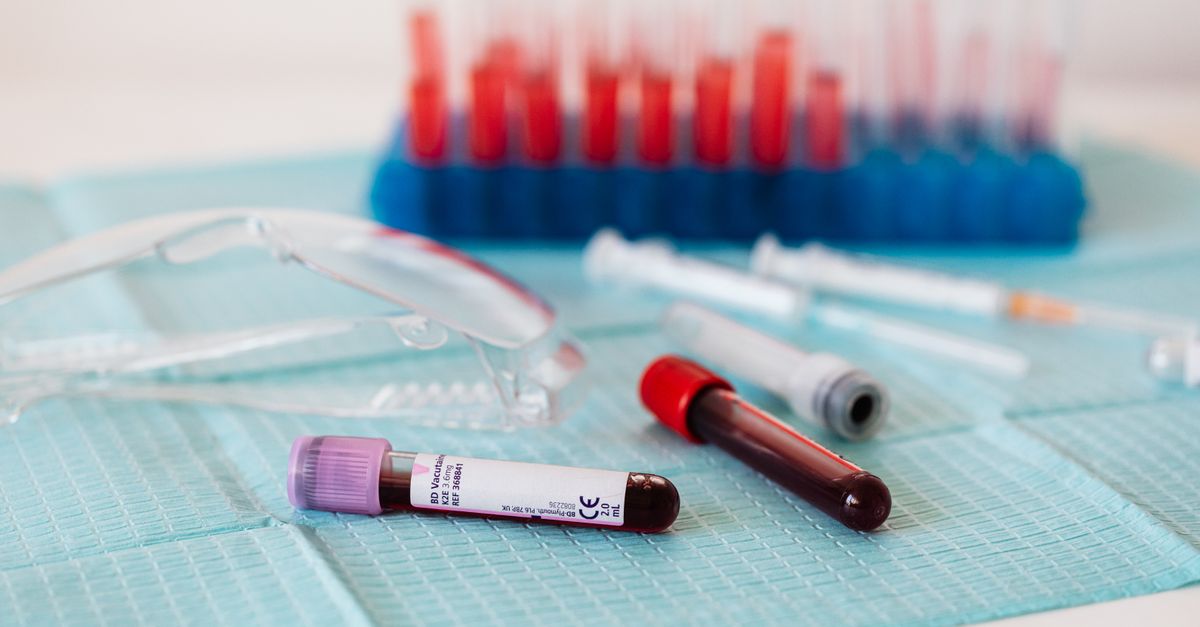
Yes, HbA1c can be tested at a clinic, via mail-in finger-prick kit, or with a point-of-care analyzer in many pharmacies. A standard venous blood draw remains the most accurate method. The main caveat: certain conditions — iron deficiency, hemolytic anemia, sickle cell trait — can skew results significantly. If any of those apply to you, your clinician should interpret the number alongside fasting glucose or a continuous glucose monitor reading.
---
What HbA1c Actually Measures
HbA1c, formally glycated hemoglobin A1c, reflects the percentage of hemoglobin molecules in your red blood cells that have glucose permanently attached to them. Because red blood cells live roughly 90–120 days, the test functions as a rolling average of blood glucose over that window — not a snapshot of today's level.
When blood sugar runs consistently high, more glucose attaches irreversibly to hemoglobin in a process called glycation. A lab then measures the ratio of glycated hemoglobin (HbA1c) to total hemoglobin and reports it as a percentage. A result of 5.4% means 5.4 out of every 100 hemoglobin molecules carry a glucose tag.
This biological mechanism is why HbA1c is so useful: a single fasting glucose reading can be affected by yesterday's dinner, poor sleep, or acute stress, whereas HbA1c requires sustained elevation to move meaningfully. Research from the UK Prospective Diabetes Study demonstrated that every 1% reduction in HbA1c was associated with a 21% reduction in diabetes-related deaths and a 37% reduction in microvascular complications — which underscores why accurate testing and consistent monitoring matter (Stratton et al., BMJ 2000; PMID: 10938048).
---
How HbA1c Testing Works: Four Methods Compared
Not all HbA1c tests are created equal. Here's how the four most common approaches differ in accuracy, convenience, and appropriate use case:
| Method | Sample Type | Turnaround | Accuracy vs. Lab | Best For |
|---|---|---|---|---|
| Venous blood draw (lab) | Whole blood | 1–3 days | Reference standard | Annual physical, diagnosis, monitoring |
| Point-of-care (pharmacy/clinic) | Finger-prick capillary | 5–10 minutes | Within ±0.3% of lab | Quick check, remote areas |
| At-home mail-in kit | Finger-prick, dried blood spot | 5–10 days | ±0.4–0.5% | Convenience, no clinic access |
| CGM-estimated HbA1c | Interstitial glucose | Real-time | Estimated only | Trend tracking between formal tests |
The venous draw processed with HPLC (high-performance liquid chromatography) or immunoassay remains the gold standard recommended by the American Diabetes Association. Point-of-care devices certified by the NGSP (National Glycohemoglobin Standardization Program) are reliable enough for clinical decisions, but the ADA notes they should be used cautiously for diagnosis rather than confirmed with a lab test (American Diabetes Association Standards of Care, 2024).
At-home dried blood spot kits have improved considerably; a 2019 validation study found strong agreement with venous HPLC results (r = 0.98) in a population of 200 adults, though high-hematocrit samples introduced slightly more variability (Lenters-Westra & Slingerland, Journal of Diabetes Science and Technology 2014; PMID: 24876585).
---
Understanding HbA1c Reference Ranges
Reference ranges come from population-level data, but optimal targets depend on your individual context. Here's how major clinical bodies categorize results:
| HbA1c (%) | Classification | Clinical Action |
|---|---|---|
| < 5.0% | Below normal / possible anemia flag | Rule out hemolytic anemia, iron deficiency |
| 5.0–5.6% | Optimal / normal | Annual monitoring, lifestyle maintenance |
| 5.7–6.4% | Prediabetes | Dietary intervention, 3–6 month retest |
| 6.5%+ | Diabetes (diagnostic threshold) | Medical management, frequent monitoring |
| < 7.0% | Treatment target for most adults with diabetes | Medication or lifestyle adjustment if above |
| < 8.0% | Individualized target (elderly, complex cases) | Discuss with physician |
The 5.7–6.4% prediabetes window is where proactive intervention has the strongest evidence. The landmark Diabetes Prevention Program trial showed that lifestyle modification in people with prediabetes reduced progression to type 2 diabetes by 58% over three years — a larger effect than metformin alone (Knowler et al., NEJM 2002; PMID: 11832527).
For a deeper look at what it means when your result falls below the normal floor, see what does low HbA1c mean for your blood sugar — a companion guide covering the less-discussed low end of the range.
---
Factors That Can Distort Your HbA1c Result
HbA1c is reliable in most people, but several physiological conditions create false highs or false lows that can lead to misdiagnosis:
Conditions that falsely lower HbA1c:
- Iron-deficiency anemia (fewer mature red blood cells in circulation)
- Hemolytic anemia (cells destroyed faster, less time for glycation)
- Recent significant blood loss or blood transfusion
- Pregnancy (especially second and third trimesters)
- G6PD deficiency
Conditions that falsely raise HbA1c:
- Iron-deficiency anemia before treatment begins (conflicting reports; context-dependent)
- Vitamin B12 or folate deficiency
- Chronic kidney disease (carbamylated hemoglobin can cross-react in some assays)
- Splenectomy (longer red cell survival = more glycation time)
- Certain hemoglobin variants (HbS, HbC, HbE)
When any of these factors are present, clinicians typically use fructosamine (a 2–3 week glucose average) or glycated albumin as alternative markers. If your result looks inconsistent with your symptoms or fasting glucose readings, ask your provider specifically whether a hemoglobin variant panel or fructosamine test would add useful information.
---
How Often Should You Test HbA1c?
For healthy adults with no metabolic concerns, most guidelines recommend testing once every one to three years as part of a comprehensive metabolic panel. If your result falls in the prediabetes range, retesting every three to six months is appropriate to track direction of change. Adults managing diagnosed diabetes typically test every three months.
Frequency recommendations also depend on what else your lab panel includes. HbA1c in isolation tells you the average; pairing it with a fasting insulin and a fasting glucose lets you calculate HOMA-IR, a more sensitive index of insulin resistance that can be elevated even when HbA1c sits in the normal range. If you're monitoring cholesterol simultaneously, knowing your metabolic status matters — insulin resistance directly worsens the lipid profile. If you've been tracking your lipid numbers alongside glucose, the article on how often should total cholesterol be tested covers how to sequence your lab work efficiently.
---
What Causes HbA1c to Rise Between Tests?
HbA1c moves slowly, but the inputs driving it are not mysterious. The major contributors include:
- Dietary carbohydrate load and glycemic index — frequent high-glycemic meals push postprandial glucose into ranges that accumulate glycation over weeks and months.
- Physical inactivity — skeletal muscle is the primary site of glucose disposal; less muscle activity means less insulin-stimulated uptake.
- Sleep quality — even one week of poor sleep degrades insulin sensitivity in healthy adults (Buxton et al., Diabetes Care 2010; PMID: 20460455). This is one reason wearable sleep data is a valuable input alongside lab results.
- Chronic psychological stress — cortisol elevates blood glucose directly through gluconeogenesis in the liver and blunts insulin signaling peripherally.
- Body composition — excess visceral adipose tissue produces inflammatory cytokines (particularly TNF-α and IL-6) that impair insulin receptor signaling.
- Medications — corticosteroids, some antipsychotics, and certain diuretics raise glucose and can push HbA1c upward over the course of months.
Understanding which driver applies to you matters more than any supplement or protocol. A person with stress-driven glucose dysregulation needs a different intervention than someone whose HbA1c is creeping up from a sedentary desk job. This is where personalized data — blood work, wearable patterns, and health history — produces more actionable guidance than population-average advice.
---
Secondary Biomarkers That Sharpen the HbA1c Picture
HbA1c answers the "what is my 90-day glucose average?" question well. But several adjacent biomarkers answer the equally important "why?" question:
C-Peptide Blood Test
C-peptide is a byproduct of insulin production — your pancreas releases it in a 1:1 ratio with insulin. A c-peptide blood test tells you whether your pancreas is producing too little insulin (low c-peptide, suggesting impaired beta-cell function), too much (high c-peptide, suggesting insulin resistance is driving compensatory overproduction), or an appropriate amount.
This distinction is clinically critical. An HbA1c of 6.2% in someone with very low c-peptide suggests early beta-cell failure (sometimes seen in slow-onset type 1 or MODY variants), whereas the same HbA1c with a high c-peptide points toward peripheral insulin resistance that responds well to lifestyle and dietary change. Most primary care panels omit c-peptide by default; you may need to request it specifically.
Lp(a) Blood Test
An Lp(a) blood test measures lipoprotein(a), a genetically determined particle that is largely independent of diet or lifestyle. While Lp(a) is not a glucose biomarker, it becomes highly relevant to HbA1c testing in clinical context: elevated Lp(a) combined with prediabetes creates a compounded cardiovascular risk that neither marker reveals alone. People with elevated HbA1c who also carry high Lp(a) have meaningfully higher atherosclerosis risk than either biomarker would predict individually, which is why comprehensive metabolic-cardiovascular panels now often include both.
If your cholesterol has also been flagged during a lab review, pairing these results is worth discussing with your clinician. The guide on how can I lower total cholesterol covers the evidence-based dietary and supplement approaches that move the lipid markers most physicians focus on.
Total Cholesterol Blood Test
A total cholesterol blood test is routinely run on the same blood draw as HbA1c. The two are metabolically linked: insulin resistance raises triglycerides, lowers HDL, and produces small dense LDL particles — even while total LDL appears normal. A normal total cholesterol number alongside a prediabetic HbA1c can therefore be falsely reassuring. Requesting an NMR lipoprofile or an apolipoprotein B level alongside your HbA1c gives a much fuller picture of cardiometabolic risk. For context on what borderline cholesterol results mean when they appear alongside metabolic markers, see why is my total cholesterol borderline.
---
What This Means for Your Formula
Ones uses your blood results — including HbA1c, fasting glucose, and insulin when available — alongside wearable sleep and activity data to identify the specific metabolic levers most relevant to your biology. Rather than a generic metabolic support stack, the AI evaluates which downstream pathways are most likely driving your numbers.
For someone whose HbA1c is trending upward alongside poor sleep quality and elevated cortisol markers, Berberine HCl (typically dosed at 500mg, matching the range used in clinical trials demonstrating HbA1c reduction comparable to low-dose metformin in a meta-analysis of 14 RCTs; Dong et al., Evidence-Based Complementary and Alternative Medicine 2012; PMID: 22924057) may be incorporated. For individuals where the data points toward insulin receptor sensitivity as the primary lever, Alpha-Lipoic Acid at 600mg — a dose with clinical evidence for improving insulin-mediated glucose uptake — is another candidate from the Ones ingredient catalog.
When the data suggests the glucose picture is complicated by poor sleep or chronic stress, Ones may also include Ashwagandha KSM-66 at 600mg — a dose specifically studied for cortisol reduction and its downstream effects on glucose regulation (Chandrasekhar et al., Indian Journal of Psychological Medicine 2012; PMID: 23439798). The distinction matters: the formula targets your specific finding, not a generic "blood sugar support" category.
If your HbA1c sits in an optimal range but you're tracking comprehensively to stay there, your Ones formula reflects that too — a maintenance approach differs substantially from an intervention approach, and both differ from each other in capsule composition and dosing priorities.
---
Key Takeaways
- HbA1c reflects your 90-day glucose average, not a single-day reading — making it more informative than fasting glucose alone for assessing sustained metabolic health.
- Venous blood draw with HPLC remains the gold standard; point-of-care finger-prick devices are reliable for monitoring but should be confirmed by a lab for diagnosis.
- Reference ranges matter in context: 5.0–5.6% is optimal, 5.7–6.4% is prediabetes requiring intervention, and ≥6.5% meets the diagnostic threshold for diabetes.
- Several conditions — iron deficiency, hemolytic anemia, hemoglobin variants — distort results in either direction; always interpret HbA1c alongside clinical context.
- C-peptide and Lp(a) tests sharpen the picture by identifying whether elevated glucose stems from beta-cell failure or peripheral insulin resistance, and by quantifying compounded cardiovascular risk.
- Lifestyle factors including sleep, stress, and physical activity influence HbA1c meaningfully over the 90-day window — and addressing them systematically, guided by your actual data, is more effective than any single supplement.
---
Always consult a qualified healthcare provider before making changes to your diet, supplementation, or medications based on lab results.