Supplements
Is Chaga Mushroom Safe? What the Research Actually Shows
Chaga is one of the fastest-growing medicinal mushroom supplements on the market, yet its most serious risk — oxalate-driven kidney injury — rarely makes the label. Understanding who should use it, at what dose, and alongside which medications can mean the difference between a useful botanical and a genuine health hazard.
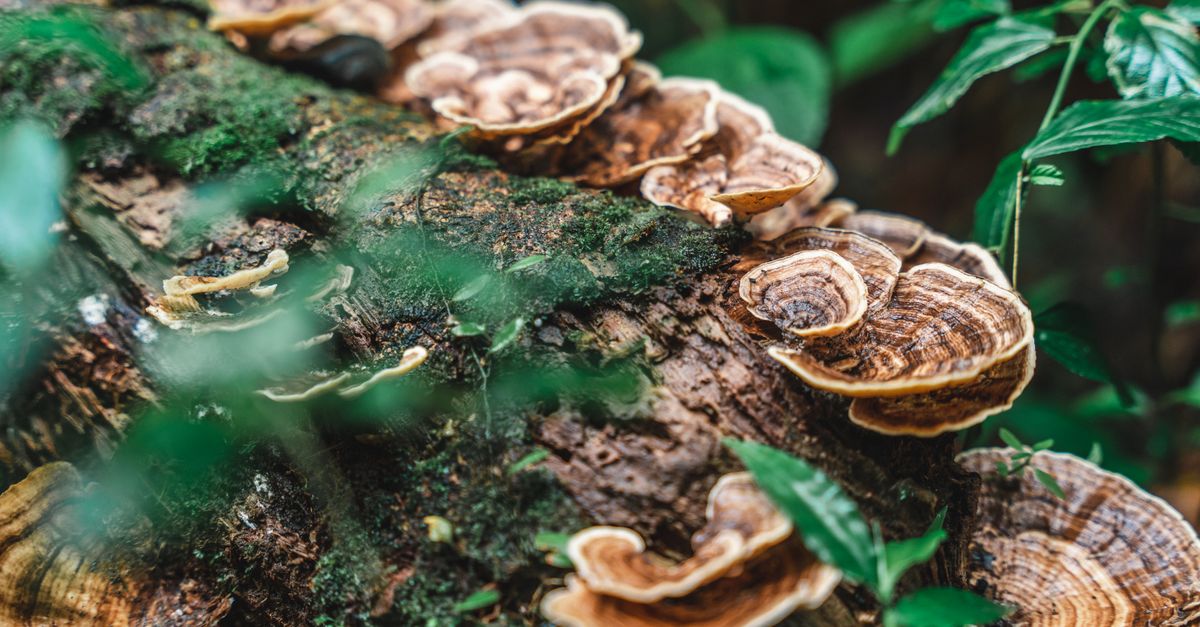
Is Chaga Mushroom Safe? What the Research Actually Shows
For most healthy adults, chaga mushroom is reasonably safe at culinary or moderate supplemental amounts — roughly 1–3 grams of dried extract per day. The main caveats are its exceptionally high oxalate content (which can drive kidney stones in susceptible people) and meaningful interactions with blood thinners and diabetes medications. People with kidney disease, oxalate sensitivity, or those on anticoagulants should approach chaga with real caution or avoid it entirely.
---
What Is Chaga Mushroom and Why Are People Taking It?
Chaga (Inonotus obliquus) is a parasitic fungus that grows primarily on birch trees in cold northern climates — Siberia, Canada, Scandinavia, and parts of northern China. Unlike culinary mushrooms, chaga forms a dense, charcoal-colored mass called a sclerotium rather than a cap and stem. Traditional Siberian and East Asian medicine used birch-boiled chaga tea for centuries, typically for immune support and general vitality.
Modern interest centers on three bioactive compound classes:
- Betulinic acid and betulin — triterpenoids derived from the birch host, studied for anti-tumor and anti-inflammatory properties
- Beta-glucans — polysaccharides that modulate innate immune activity by binding toll-like receptors (TLR-2 and Dectin-1) on macrophages and dendritic cells, triggering downstream cytokine cascades including IL-6, TNF-α, and interferon-γ
- Melanin complexes — antioxidant pigments that give chaga its characteristic dark appearance and contribute meaningfully to its radical-scavenging capacity in DPPH assays
Laboratory and animal studies are genuinely compelling. A study published in Biomed Research International found that chaga polysaccharides (250 mg/kg administered orally to mice for 30 days) significantly suppressed tumor necrosis factor-alpha and interleukin-1 beta while reducing malondialdehyde — a lipid peroxidation marker — by approximately 40% compared to controls (Géry et al., Biomed Research International 2018; PMID: 29619412). A separate 2011 study in Phytotherapy Research found that chaga polysaccharides reduced inflammatory cytokines and oxidative stress markers in a mouse colitis model using a dose of 200 mg/kg/day for 3 weeks (PMID: 21793191). The challenge — as with most medicinal mushroom research — is that robust randomized controlled trials in humans remain scarce.
Chaga's beta-glucan fraction is now reasonably well characterized mechanistically. Beta-(1→3),(1→6)-glucans bind the Dectin-1 receptor on macrophages, activating the CARD9-Bcl10-MALT1 signaling complex and stimulating reactive oxygen species production in a controlled, pathogen-defense context. This is the same general mechanism studied in other well-characterized beta-glucan sources like oat beta-glucan (for cardiovascular endpoints) and baker's yeast (1,3/1,6)-glucan (for immune support). Understanding this shared mechanism matters because it clarifies both chaga's potential and its contraindications in immunocompromised patients.
---
The Oxalate Problem: Chaga's Most Underreported Risk
The single most clinically significant safety concern with chaga is its extraordinarily high oxalate load. Analyses have found chaga to contain between 6,000 and 11,000 mg of oxalate per 100 grams of dried material — orders of magnitude higher than high-oxalate foods like spinach (~970 mg/100g) or almonds (~469 mg/100g).
A case report published in BMJ Case Reports documented a Japanese woman with liver cancer who developed acute kidney injury after consuming chaga powder for six months. Kidney biopsy confirmed calcium oxalate nephropathy — a direct consequence of oxalate accumulation (PMID: 25475246). A second case report published in American Journal of Medical Case Reports described a similar presentation in a patient with no prior kidney history, again after several months of daily chaga tea consumption.
The nephropathy mechanism is straightforward: dietary oxalate binds calcium in the gut and, when oxalate intake exceeds binding capacity, free oxalate is absorbed into systemic circulation. The kidneys then concentrate and excrete it, and at high urinary oxalate levels — typically above 40 mg/day — calcium oxalate crystals precipitate in the renal tubules. Over months, this produces tubular injury, interstitial inflammation, and ultimately fibrosis if the exposure continues. What distinguishes chaga from other high-oxalate foods is that it is consumed in concentrated extract form, bypassing the dilution effect that whole-food consumption provides.
This is not a theoretical concern. At typical supplement doses of 1–3 g/day of dried extract, a person could consume 60–330 mg of oxalate per dose — a meaningful fraction of the 200–300 mg/day threshold at which kidney stone risk rises substantially in susceptible individuals.
Who is at elevated risk from chaga's oxalate content:
- Anyone with a history of calcium oxalate kidney stones
- People with chronic kidney disease (CKD) stages 3–5
- People with hyperoxaluria (primary or enteric)
- Those with Crohn's disease or short bowel syndrome, which dramatically increase gut oxalate absorption
If you fall into any of these groups, consult a nephrologist before using chaga. For everyone else, staying well-hydrated (at least 2–2.5 liters of fluid per day) and using whole-extract products that include water-soluble fractions alongside the concentrated powder may help manage oxalate load. Calcium citrate taken with meals can also bind gut oxalate and reduce urinary oxalate excretion — a strategy routinely used by nephrologists in high-oxalate diet situations.
---
Drug Interactions You Need to Know About
Chaga's pharmacological activity creates three clinically relevant interaction categories:
1. Anticoagulants and antiplatelet drugs
Chaga contains compounds — including ergosterol peroxide and specific polyphenols — that inhibit platelet aggregation through adenosine-like mechanisms and may also mildly inhibit thromboxane A2 synthesis. Combined with warfarin, heparin, aspirin, clopidogrel, or newer direct oral anticoagulants (DOACs) like rivaroxaban, this could amplify bleeding risk. This interaction is plausible based on in vitro data and general botanical pharmacology; if you are on blood thinners, inform your prescribing physician before adding chaga.
2. Insulin and oral hypoglycemics
Animal studies suggest chaga polysaccharides have hypoglycemic effects — they appear to improve insulin sensitivity and reduce fasting blood glucose in streptozotocin-induced diabetic mice, with fasting glucose reductions of approximately 20–31% at doses of 400 mg/kg/day (Zhong et al., Molecules 2019; PMID: 31861204). In isolation, this sounds beneficial. In combination with metformin, GLP-1 agonists, or insulin, it can produce additive glucose-lowering that tips into hypoglycemia. People managing diabetes with medication should monitor blood glucose closely and loop in their care team.
3. Immunosuppressants
Because beta-glucans upregulate innate immune signaling via Dectin-1 and TLR-2, chaga may theoretically counteract immunosuppressive drugs used after organ transplants or for autoimmune disease management. This remains a theoretical concern rather than a documented case series, but the mechanism is logical enough that transplant recipients and people on drugs like tacrolimus or mycophenolate should avoid medicinal mushroom supplements without explicit medical clearance. Oncology patients receiving chemotherapy should likewise discuss any botanical use with their oncologist, given the potential for immune modulation to interact with treatment protocols.
---
Chaga Mushroom Morning or Night: Does Timing Matter?
Chaga does not contain caffeine, so the timing question is less urgent than it is for, say, niacin morning or night or B-vitamins that can acutely affect energy metabolism. That said, timing considerations are still worth understanding.
Morning use is the most common pattern and aligns well with chaga's purported immune-modulating effects. Beta-glucan activity appears to follow circadian immune rhythms — natural killer cell activity peaks in the morning hours, and taking an immune-active compound like chaga with breakfast may align with this window. A 2020 review in Frontiers in Immunology summarized evidence that innate immune cell activity, including NK cell cytotoxicity and monocyte responsiveness, follows a circadian pattern with peak activity in the early-to-mid morning (Sherry et al., Frontiers in Immunology 2020; doi.org/10.3389/fimmu.2020.563340). While this has not been tested specifically with chaga, the circadian biology provides a reasonable rationale for morning dosing when immune support is the primary goal.
Evening use has its proponents based on chaga's adaptogen-adjacent profile. Some users report a mild calming effect, possibly tied to chaga's influence on oxidative stress pathways and its modest effect on cortisol-related inflammatory cascades. There is no strong clinical data to recommend one timing over the other for the general population. The pragmatic answer: take it at the time you are most likely to remember it and least likely to experience GI discomfort — which for most people means alongside a morning or midday meal.
---
Chaga Mushroom with Food or Empty Stomach?
This question matters more than timing. Unlike fat-soluble vitamins such as vitamin D3 on an empty stomach, chaga's primary bioactives — polysaccharides and water-soluble beta-glucans — do not require dietary fat for absorption. In theory, they can be taken on an empty stomach.
In practice, taking concentrated chaga extract on an empty stomach causes nausea and GI upset in a meaningful minority of users. This appears to be a function of the concentrated tannins and phenolic compounds in the extract rather than the beta-glucans themselves. Chaga is among the richest known sources of melanin-type phenolics, and at concentrations above roughly 200–400 mg in an empty stomach, these compounds can irritate the gastric mucosa. Starting with chaga after a meal — or at minimum after a small snack — significantly reduces this side effect for most people.
Practical protocol:
- Start with 500 mg of a standardized extract (ideally hot-water extracted for bioavailable polysaccharides — look for products specifying ≥20% beta-glucan content)
- Take with or shortly after a meal for the first 2–4 weeks
- Assess GI tolerance before increasing to 1,000–3,000 mg
- If using a dual-extract product (hot-water + ethanol), taking it with a small amount of fat may marginally improve uptake of the alcohol-soluble triterpenoid fraction
- Maintain fluid intake of at least 2 liters per day throughout any chaga supplementation period to support urinary oxalate clearance
Note that chaga tea — the traditional preparation — is inherently a hot-water extraction and is generally the gentlest form on the digestive system. A 30-minute simmer of dried chaga chunks at roughly 10–15 g per liter yields a mild, earthy beverage with substantially lower phenolic concentration per serving than encapsulated extracts.
This absorption-timing principle applies broadly to other compounds as well — similar considerations around gastric environment and nutrient delivery underpin the guidance on zinc picolinate with food or empty stomach, where gastric acid level and food matrix interact to influence mineral chelation dynamics.
---
Chaga Mushroom Overdose Symptoms
There is no established LD50 or formal overdose threshold for chaga in humans, and acute toxicity from a single large dose is unlikely in an otherwise healthy person. However, chronic overconsumption — particularly of concentrated extracts above 3–5 g/day for extended periods — can produce a recognizable syndrome that mimics early-stage supplement toxicity.
Signs that you may be taking too much chaga:
| Symptom | Probable Mechanism |
|---|---|
| Flank pain or blood in urine | Oxalate nephrolithiasis or nephropathy |
| Unusual bruising or prolonged bleeding | Platelet inhibition, especially with anticoagulants |
| Low blood glucose episodes (dizziness, sweating) | Additive hypoglycemic effect, especially with diabetes meds |
| Nausea, bloating, or diarrhea | GI irritation from phenolic compounds at high doses |
| Autoimmune flare | Immune overstimulation in susceptible individuals |
| Elevated serum creatinine on labs | Early renal tubular injury from oxalate accumulation |
The renal signal deserves special emphasis: oxalate nephropathy can progress silently. By the time flank pain or hematuria appears, significant tubular damage may already have occurred. If you have been using chaga daily for more than 8–12 weeks at doses above 1 g/day, including a basic metabolic panel (BMP) with creatinine and eGFR in your next routine bloodwork is a reasonable precaution.
If you experience flank pain or blood in urine after starting chaga, stop immediately and see a physician. These symptoms warrant renal function testing (serum creatinine, eGFR, urinalysis with microscopy) to rule out oxalate nephropathy before resuming any chaga use.
For comparison, the risk profile of excess chaga is meaningfully different from that of other supplements. Omega-3 overdose symptoms, for example, are primarily related to bleeding time and GI effects at very high doses (>5 g/day EPA+DHA), whereas chaga's risk appears at moderate chronic doses in susceptible individuals — making it more insidious as a safety concern.
---
Signs of Chaga Mushroom Deficiency
This is an important clarification: chaga is not an essential nutrient. There is no recognized dietary requirement for chaga, no deficiency syndrome, and no biomarker that measures chaga insufficiency. Unlike zinc, vitamin D, or B12, you cannot be deficient in chaga in any clinically meaningful sense.
What some practitioners observe is a pattern of immune dysregulation, elevated oxidative stress markers (such as high urinary 8-isoprostane or elevated hsCRP), or poor NK cell activity that may respond to beta-glucan supplementation — of which chaga is one source. But attributing these patterns specifically to chaga deficiency is not supported by current evidence. The concept of a "chaga deficiency" as it sometimes appears in wellness marketing is not grounded in nutritional biochemistry.
If you're genuinely concerned about immune function, the more useful clinical question is: which biomarkers are actually low? Vitamin D deficiency (25-OH-D below 30 ng/mL) has far stronger evidence for immune impairment than any lack of chaga in the diet. Similarly, signs of vitamin C deficiency include measurable immune dysfunction — reduced neutrophil chemotaxis, impaired collagen synthesis, and increased infection susceptibility — with well-established clinical thresholds and repletion protocols. Chaga has neither the evidence base nor the mechanistic specificity that these true micronutrient deficiencies carry.
---
What the Evidence Actually Supports (and What It Doesn't)
Here is an honest summary of the current evidence landscape for chaga:
| Claim | Evidence Level | Notes |
|---|---|---|
| Antioxidant activity | Strong (in vitro, animal) | DPPH radical scavenging well-documented; human RCT data lacking |
| Immune modulation via beta-glucans | Moderate (mechanistic + animal) | Dectin-1 mechanism biologically plausible and shared with other beta-glucan sources |
| Anti-tumor activity | Weak (mostly in vitro) | Not a cancer treatment — ever |
| Blood glucose support | Moderate (animal) | ~20–31% FBG reduction in rodent models; human data very limited |
| Anti-inflammatory effects | Moderate (animal, some human observational) | PMID: 21793191 |
| Kidney safety | Concerning | Documented nephropathy cases; high oxalate content confirmed analytically |
The honest conclusion: chaga is an interesting botanical with real bioactivity and real risks. It is not a miracle cure, and it is not something everyone should reflexively add to their stack.
---
What This Means for Your Formula
Ones does not currently include chaga as a standalone ingredient in its catalog, which reflects a deliberate decision around the kidney safety data and the absence of human RCTs establishing a dose-response relationship. That said, the underlying goals people pursue with chaga — immune resilience, oxidative stress reduction, and inflammatory balance — are addressable through other well-studied ingredients.
For immune modulation, Ones formulas include Vitamin C as part of the Immune-C System Blend, delivering clinically relevant ascorbic acid alongside complementary cofactors that support neutrophil function and lymphocyte proliferation. For broader antioxidant and immune support, Vitamin D3 + K2 (MK-7) is included at doses calibrated to the user's actual 25-OH-D levels from lab data — not a fixed population-average guess. Vitamin D insufficiency directly impairs toll-like receptor signaling on macrophages and monocytes, the same pathway that beta-glucans engage — making adequate D status a prerequisite for any immune modulation strategy. For adaptogenic stress modulation that chaga users often seek, Ashwagandha KSM-66 at 600 mg provides cortisol-lowering effects supported by multiple human RCTs, including a 60-day double-blind trial showing a 27.9% reduction in serum cortisol compared to placebo (Chandrasekhar et al., Indian Journal of Psychological Medicine 2012; PMID: 23439798).
If your blood work shows markers suggesting oxidative stress or suboptimal immune function, an AI-driven analysis through Ones will identify the ingredients with the strongest evidence for your specific pattern — rather than defaulting to a trendy botanical with an unresolved safety profile.
For context on how timing and absorption affect ingredient effectiveness in a personalized formula, the guide on ashwagandha with food or empty stomach covers the pharmacokinetics in useful detail.
---
Key Takeaways
- Chaga is reasonably safe for most healthy adults at 1–3 g/day, but its extreme oxalate content (up to 11,000 mg/100g dried) makes it genuinely risky for anyone with kidney stones, CKD, or hyperoxaluria — documented cases of biopsy-confirmed oxalate nephropathy exist.
- Drug interactions are real: chaga can amplify anticoagulants via platelet inhibition, potentiate hypoglycemic medications through insulin-sensitizing polysaccharides, and theoretically antagonize immunosuppressants via Dectin-1 upregulation.
- Timing is flexible (no caffeine), but taking chaga with food is strongly recommended to minimize GI side effects from phenolic compounds in concentrated extracts; morning dosing may align with circadian NK cell activity peaks.
- "Chaga deficiency" is not a real clinical entity — chaga is not an essential nutrient, and wellness marketing claims of deficiency are not grounded in nutritional biochemistry.
- Overdose risk is chronic, not acute — the danger accumulates over weeks to months via oxalate load in the kidneys; monitoring creatinine and eGFR after 8–12 weeks of use is a reasonable precaution at doses above 1 g/day.
- The human evidence base remains thin — the most robust data comes from animal models and in vitro work; RCTs in people are largely absent, which should substantially temper how much weight you give wellness marketing claims.
---
Always consult a qualified healthcare provider before starting any new supplement, particularly if you have pre-existing kidney, liver, or cardiovascular conditions, or take prescription medications.