Supplements
What Blood Tests Should You Get While on Liraglutide?
Liraglutide reshapes your metabolism, appetite, and nutrient absorption in ways that standard check-ins rarely capture. Missing the right labs while on a GLP-1 agonist means flying blind on muscle loss, thyroid stress, and micronutrient depletion — all of which quietly erode the results you're working for.
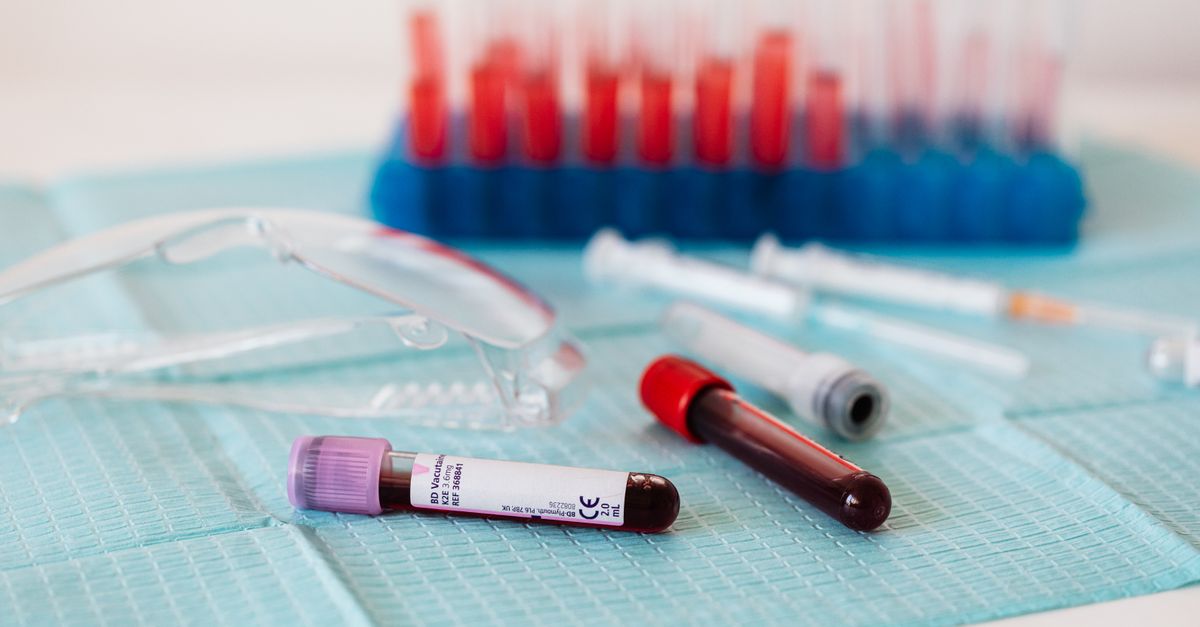
What Blood Tests Should You Get While on Liraglutide?
You should run a baseline panel before starting — including a comprehensive metabolic panel (CMP), lipids, thyroid (TSH), HbA1c, and key micronutrients — then retest at 3 months and again at 6–12 months. The main caveat: liraglutide accelerates nutrient turnover faster than most clinicians anticipate, so standard annual labs leave gaps. The exception is anyone with pre-existing thyroid nodules or a personal or family history of medullary thyroid carcinoma (MTC), who needs more frequent thyroid surveillance.
---
Why Liraglutide Changes What Your Labs Mean
Liraglutide (brand names Victoza and Saxenda) is a glucagon-like peptide-1 (GLP-1) receptor agonist originally approved for type 2 diabetes management and later at higher doses for chronic weight management. By mimicking the GLP-1 hormone, it slows gastric emptying, blunts appetite, and improves insulin sensitivity — mechanisms that produce meaningful weight and glucose improvements in clinical trials (Davies et al., New England Journal of Medicine 2021; PMID: 33979491).
But those same mechanisms have downstream effects on nutrient absorption, muscle preservation, kidney filtration, and thyroid signaling. A 5–10% reduction in body weight is well-documented to shift cholesterol fractions, improve fasting glucose, and alter inflammatory markers — making it essential to distinguish drug effect from actual metabolic improvement (or deterioration) through repeat testing.
| Lab Category | Key Markers | Timing |
|---|---|---|
| Metabolic | Fasting glucose, HbA1c, insulin | Baseline, 3 mo, 6–12 mo |
| Lipid Panel | LDL, HDL, triglycerides, non-HDL | Baseline, 6 mo |
| Thyroid | TSH, Free T4 (+ calcitonin if indicated) | Baseline, 6 mo |
| Kidney Function | eGFR, BUN, creatinine | Baseline, 3 mo |
| Pancreatic | Lipase, amylase | Baseline; retest if abdominal pain |
| Micronutrients | B12, folate, zinc, iron studies, vitamin D | Baseline, 6 mo |
| Muscle Preservation | Albumin, prealbumin, phosphorus | Baseline, 6 mo |
| Liver | ALT, AST, GGT | Baseline, 6 mo |
---
The Core Metabolic Panel: HbA1c, Fasting Glucose, and Insulin
These three are the heart of liraglutide monitoring. HbA1c gives a 90-day average of blood sugar control — in the LEADER trial (9,340 participants, median follow-up 3.8 years), liraglutide reduced HbA1c by roughly 0.4% compared to placebo while also cutting major cardiovascular events (Marso et al., NEJM 2016; PMID: 27295427). Fasting glucose and fasting insulin together let you calculate HOMA-IR, an insulin resistance index that tells you whether liraglutide is actually improving insulin sensitivity or whether you're masking impaired glucose handling with drug-suppressed appetite.
Retest HbA1c at 3 months on therapy, since that timeframe captures one full glycation cycle. If values are moving in the wrong direction despite adherence, that signals a need to revisit diet composition, sleep quality, or concurrent medications that raise glucose.
---
Thyroid Labs: TSH, Free T4, and When to Add Calcitonin
Liraglutide carries a black-box warning for a potential association with thyroid C-cell tumors, observed in rodent studies. Human evidence has not confirmed this risk at therapeutic doses (Faber et al., Diabetes Care 2011; PMID: 21997771), but the association makes thyroid surveillance clinically prudent for anyone on long-term therapy.
Recommended thyroid testing on liraglutide:
- TSH and Free T4 at baseline
- Repeat at 6 months, then annually
- Add serum calcitonin if you have thyroid nodules, a family history of MTC, or MEN2 syndrome
- Consider full thyroid antibody panel (TPO-Ab, TG-Ab) if TSH trends upward without obvious cause
If you're already managing hormonal imbalances that affect thyroid output, adding liraglutide to the picture makes baseline thyroid labs non-negotiable. Weight loss itself can normalize TSH in some obese individuals — so a thyroid reading that looks improved may reflect body weight change rather than improved thyroid function.
---
Kidney and Pancreatic Markers: What to Watch and Why
GLP-1 receptors are expressed in the kidney, and liraglutide has demonstrated both renoprotective and, in dehydrated or volume-depleted patients, potentially nephrotoxic effects. The GLP-1 receptor agonist class as a whole has shown reductions in albuminuria in trials of diabetic nephropathy (Mann et al., NEJM 2017; PMID: 28605608), but that benefit assumes adequate hydration — something liraglutide patients can struggle with given nausea-related fluid restriction.
Monitor at baseline and 3 months:
- eGFR (estimated glomerular filtration rate)
- BUN (blood urea nitrogen)
- Serum creatinine
- Spot urine albumin-to-creatinine ratio if you have any hypertension or diabetes history
For the pancreas: lipase and amylase at baseline establish your personal reference range. If you develop sudden, severe epigastric pain radiating to the back while on liraglutide, retest immediately — the drug has a known, though rare, association with acute pancreatitis. Don't wait for a scheduled panel.
---
Micronutrient Gaps That Liraglutide Accelerates
This is where most standard monitoring falls short. Liraglutide significantly reduces caloric intake — often by 15–30% — which compresses micronutrient intake alongside macronutrients. Slower gastric emptying can also impair the absorption kinetics of fat-soluble vitamins and minerals that depend on timed gastric acid exposure.
High-priority micronutrients to test:
- Vitamin B12: Gastric slowing reduces intrinsic factor exposure. Test serum B12; if borderline, add methylmalonic acid (MMA) for functional confirmation.
- Folate: Reduced food intake cuts dietary folate disproportionately. Essential to track in anyone of reproductive age — testing folate levels proactively prevents deficiency from developing silently.
- Vitamin D: Fat-soluble; impaired absorption when dietary fat intake drops sharply. Test 25(OH)D, not 1,25-dihydroxy, which is the active form but a poor marker of stores.
- Zinc: Reduced dietary variety and protein intake on liraglutide lowers zinc intake; zinc also plays a direct role in insulin synthesis and secretion at the beta cell level.
- Iron (full panel): Ferritin, serum iron, TIBC, transferrin saturation. Weight loss can transiently lower ferritin through redistribution. Hemoglobin testing adds clinical context, particularly in premenopausal women.
- Magnesium (RBC): Serum magnesium misses intracellular depletion. RBC magnesium is a more sensitive functional marker.
---
Lipids, Liver, and the Body-Composition Picture
Liraglutide consistently improves the lipid panel — triglycerides fall, HDL rises modestly — but LDL response is heterogeneous. Some individuals see LDL increase as triglyceride-rich VLDL particles clear, freeing up more LDL particles for measurement. This is a particle redistribution phenomenon, not a worsening of cardiovascular risk, but it requires context.
Women especially benefit from understanding their lipid trajectory before and during GLP-1 therapy, because the lipid-lowering effect of estrogen interacts with liraglutide's triglyceride-reducing mechanism in ways that differ from men.
For the liver: ALT and AST at baseline identify any pre-existing fatty liver disease (NAFLD/MASLD), which is present in up to 70% of individuals with obesity. Liraglutide has demonstrated improvement in liver steatosis scores in controlled trials, but the response varies — without a baseline, you can't quantify progress.
Muscle preservation markers are underused but critical:
- Albumin and prealbumin: Track protein status as caloric restriction deepens.
- Phosphorus: Affected by rapid weight loss; low phosphorus contributes to fatigue and muscle weakness.
- BIA or DEXA scan (not blood-based, but worth scheduling): liraglutide's reduction in appetite does not distinguish muscle from fat — aggressive caloric restriction without resistance training leads to lean mass loss.
---
Lab Tests and Gut Function: Understanding Absorption Changes
GLP-1 receptors are distributed throughout the gastrointestinal tract. Liraglutide's gastric emptying delay — one of its primary weight-loss mechanisms — also alters the transit time of everything you eat and supplement. This matters clinically because nutrient absorption windows change, and symptoms like bloating, nausea, and early satiety can overlap with conditions like IBS or intestinal permeability issues that were present before starting the drug.
If you have a history of GI symptoms, testing to differentiate drug effect from underlying gut pathology is worthwhile. Relevant labs include:
- Fecal calprotectin (intestinal inflammation marker)
- Anti-gliadin antibodies and tTG-IgA if celiac has not been ruled out
- Comprehensive stool analysis if IBS symptoms predate liraglutide
For those researching the overlap between gut permeability and systemic symptoms like fatigue, the article on leaky gut, fatigue, and brain fog covers the mechanistic links in depth. Understanding your gut baseline before attributing all GI symptoms to liraglutide prevents misdiagnosis in both directions.
---
What This Means for Your Formula
Liraglutide compresses your nutritional intake. That compression — combined with altered absorption kinetics — means supplementing strategically isn't optional; it's how you preserve the health gains the drug creates rather than trading one problem for another.
At Ones, the AI practitioner evaluates your lab panel, dietary intake data, and health history together to identify which gaps are most acute. Three ingredients that frequently appear in formulas for individuals on GLP-1 therapy:
- Vitamin D3 + K2 (MK-7): Fat-soluble vitamin absorption is suppressed when dietary fat intake drops sharply. Clinical trials support 2,000–5,000 IU D3 paired with 100–200 mcg MK-7 for combined bone and cardiovascular protection during caloric restriction — particularly relevant when weight loss is rapid.
- Zinc (as zinc bisglycinate, 15–25 mg): Zinc is central to insulin synthesis, immune defense, and skin integrity. Reduced dietary protein and variety on liraglutide predictably lower zinc intake, and supplementation at clinically validated doses supports beta-cell function (Jayawardena et al., Diabetology & Metabolic Syndrome 2012; PMID: 22715997).
- Omega-3 (EPA + DHA): Liraglutide reduces triglycerides, and omega-3 supplementation at 2–4 g/day EPA+DHA has an additive triglyceride-lowering effect, plus cardiovascular benefit independent of lipid changes. The REDUCE-IT trial (8,179 participants) demonstrated a 25% reduction in major cardiovascular events with icosapentaenoic acid (EPA) supplementation in a statin-treated population with elevated triglycerides (Bhatt et al., NEJM 2019; PMID: 30415628).
Ones builds these at verified clinical doses based on your actual lab results — not a generic weight-loss stack, but a formula calibrated to what your specific panel shows is missing.
---
Key Takeaways
- Run a complete baseline before starting liraglutide — including CMP, lipids, thyroid (TSH + Free T4), HbA1c, and micronutrients (B12, folate, D, zinc, iron, magnesium). You cannot track improvement without a starting point.
- Retest at 3 months for metabolic markers and kidney function; retest the full panel at 6–12 months to catch emerging micronutrient depletion.
- Thyroid surveillance is mandatory on long-term therapy — anyone with nodules or a family history of MTC should add serum calcitonin to the panel.
- Micronutrient gaps are the most undermonitored risk on liraglutide. Compressed caloric intake and slowed gastric transit affect B12, folate, vitamin D, zinc, iron, and magnesium faster than most clinicians expect.
- Lipid changes need context — a rising LDL during triglyceride clearance is mechanistically different from a genuinely worsening cardiovascular risk profile.
- Supplement gaps identified by labs, not guesswork — personalized formulas that address your specific deficiencies outperform generic multi-supplements when nutrition is already compressed by drug-induced appetite suppression.
---
This article is for educational purposes only and does not constitute medical advice. Always discuss medication monitoring with your prescribing clinician.