Supplements
What Blood Tests Should You Get While Taking Saxenda?
Saxenda's GLP-1 mechanism touches the thyroid, pancreas, liver, and kidneys — yet most patients leave the pharmacy with no monitoring plan. Skipping a structured lab schedule means missing early signals that a blood test would catch in minutes. Here is the panel that actually matters, and when to run each test.
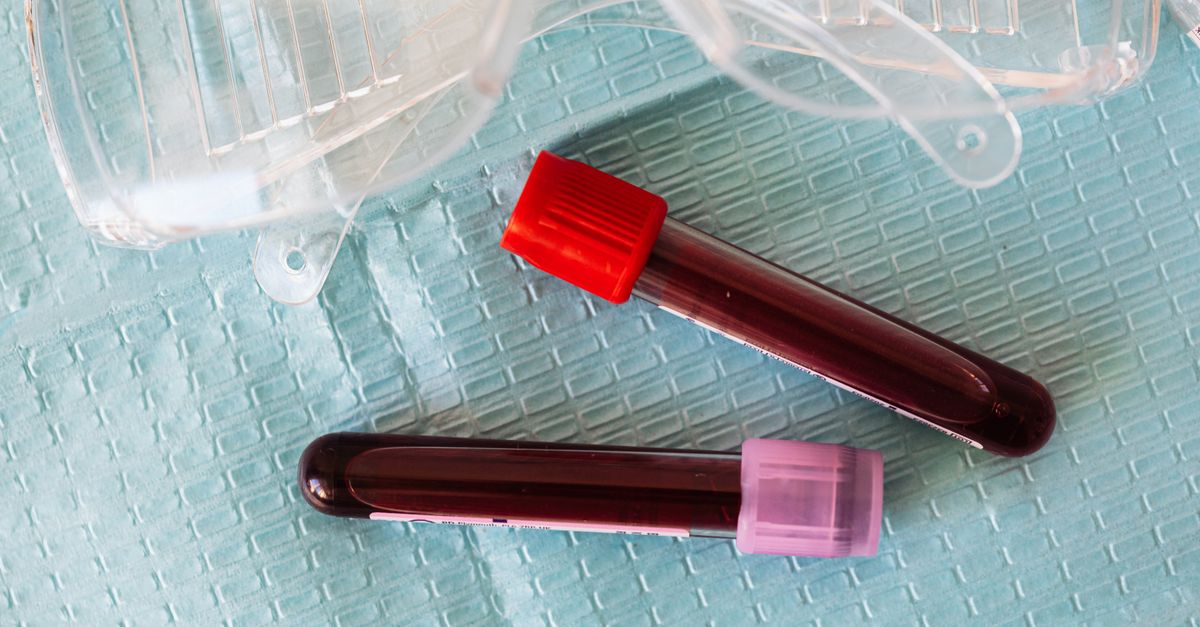
What Blood Tests Should You Get While Taking Saxenda?
Yes, you should get a focused panel before starting Saxenda and at regular intervals throughout treatment. At minimum, monitor a comprehensive metabolic panel, thyroid function (TSH), lipids, and a complete blood count. The key caveat: Saxenda carries a specific thyroid cancer warning, so thyroid monitoring isn't optional — it's essential. People with pre-existing kidney, liver, or pancreatic conditions need even closer surveillance.
---
Why Saxenda Changes Your Lab Baselines
Saxenda (liraglutide 3.0 mg) is a GLP-1 receptor agonist injected daily for chronic weight management. It mimics glucagon-like peptide-1, slowing gastric emptying, suppressing appetite, and improving insulin sensitivity. These mechanisms are powerful — but they don't act in isolation. GLP-1 receptors are expressed in the pancreas, kidney, liver, thyroid C-cells, and the central nervous system, which is precisely why Saxenda's prescribing information includes warnings spanning multiple organ systems.
The downstream effects are measurable in blood. In the SCALE Obesity and Prediabetes trial — a 56-week, 2,254-participant randomized controlled trial — liraglutide 3.0 mg produced mean HbA1c reductions of 0.4 percentage points and triglyceride reductions of roughly 13 mg/dL versus placebo (Pi-Sunyer et al., New England Journal of Medicine 2015; PMID: 26132939). A 2017 mechanistic review noted that some individuals experience transient rises in resting heart rate (2–3 bpm on average) and pancreatic enzyme elevations that only a lab can detect (Nauck & D'Alessio, Diabetes Obes Metab 2017; PMID: 28371257). Heart rate elevation is typically benign but warrants awareness if you are on beta-blockers or have a pre-existing arrhythmia.
Beyond the pharmacology, weight loss itself changes your labs. Rapid fat mobilization releases fat-stored compounds including vitamin D, lipid-soluble toxins, and free fatty acids — all of which alter what you measure in a fasting blood draw. Understanding which tests to get — and why each one matters on Saxenda specifically — is the most practical thing you can do to stay ahead of side effects.
---
The Core Lab Panel: What to Test Before and During Saxenda
Before Starting (Baseline)
| Test | Why It Matters on Saxenda |
|---|---|
| Comprehensive Metabolic Panel (CMP) | Establishes kidney and liver function baselines |
| TSH (Thyroid-Stimulating Hormone) | Saxenda carries a black box warning for thyroid C-cell tumors |
| Fasting Lipid Panel | GLP-1 agonists typically improve lipids — track the trajectory |
| Fasting Glucose + HbA1c | Establishes glycemic baseline; monitors for hypoglycemia risk |
| Complete Blood Count (CBC) | Rules out underlying anemia or immune abnormalities |
| Amylase + Lipase | Saxenda is contraindicated with history of pancreatitis |
| Vitamin B12 | Nausea often reduces food intake; B12 stores can erode over months |
| Vitamin D (25-OH) | Weight loss releases fat-stored D3, but absorption may be impaired |
Every 3 Months (During Treatment)
- TSH — repeat every 3–6 months, especially if you notice neck swelling, hoarseness, or dysphagia
- CMP — liver enzymes (ALT, AST) and creatinine/eGFR can shift, particularly with rapid weight loss
- Fasting glucose + HbA1c — to confirm glycemic benefit and rule out hypoglycemia patterns
- Lipid panel — expect improvements, but verify they're happening
- Amylase + Lipase — if you experience abdominal pain, test immediately regardless of schedule
Every 6–12 Months
- Full thyroid panel (TSH, Free T4, Free T3) if TSH trends abnormally
- Vitamin B12 and folate, especially if dietary variety is restricted
- Iron studies (ferritin, serum iron, TIBC) if fatigue develops
- Zinc and magnesium — both are commonly depleted in calorie-restricted states
One practical protocol note: schedule your 3-month labs 2–3 days before a clinical check-in so your prescriber can act on results in the same visit. Fasting for 10–12 hours before the draw is required for accurate triglycerides and glucose; TSH and liver enzymes do not require fasting but batching all tests in one draw reduces cost and inconvenience.
---
Lab Tests for Thyroid Health: The Saxenda-Specific Warning You Can't Skip
The FDA black box warning on Saxenda states that liraglutide causes dose-dependent and treatment-duration-dependent thyroid C-cell tumors in rodents. While causality in humans has not been established, the warning is not a formality — it reflects a genuine biological signal.
GLP-1 receptors are expressed on thyroid C-cells. Stimulating these receptors increases calcitonin secretion in animal models (Bjerre Knudsen et al., British Journal of Pharmacology 2010; PMID: 20184568). In a pooled analysis of liraglutide trials, serum calcitonin levels rose slightly in liraglutide-treated patients compared to placebo — the absolute values remained within normal clinical ranges for most participants, but the directional trend was consistent across multiple studies. This is why clinicians with endocrine expertise often add serum calcitonin to the monitoring panel, particularly beyond 12 months of use.
A rising calcitonin above 20 pg/mL on two separate measurements, or any new palpable thyroid nodule, should prompt referral to an endocrinologist and neck ultrasound regardless of how long you have been on the medication. The practical implication: do not assume a normal TSH rules out thyroid concern — TSH reflects pituitary-thyroid axis function, not C-cell activity.
What to monitor:
- TSH every 3–6 months
- Free T4 and Free T3 if TSH is abnormal
- Serum calcitonin if your prescriber recommends it or you have a personal or family history of medullary thyroid cancer or MEN-2 syndrome
- Neck ultrasound if you develop palpable thyroid nodules or a persistent unexplained rise in calcitonin
Saxenda is contraindicated in anyone with a personal or family history of medullary thyroid carcinoma. If you haven't disclosed this to your prescriber, do so before your next injection.
---
Lab Tests for Metabolic and Liver Health During Weight Loss
Rapid weight loss — even when medically supervised — can trigger non-alcoholic fatty liver disease (NAFLD) flares, gallstone formation, and electrolyte shifts. Saxenda adds a layer of GLP-1-mediated hepatic glucose production suppression that can unmask pre-existing liver stress.
A sub-analysis of the SCALE trial found that liraglutide 3.0 mg significantly reduced liver fat content (measured by MRI-PDFF) and improved hepatic enzyme profiles in subjects with NAFLD over 48 weeks — but participants with elevated baseline ALT showed the most variable responses, with a subset experiencing transient enzyme elevations before values normalized (Armstrong et al., Hepatology 2016; PMID: 26914305). The mechanistic explanation involves reduced hepatic de novo lipogenesis driven by improved insulin sensitivity, but this transition period is when liver enzyme spikes are most likely.
Gallstone risk during rapid weight loss is well-documented and independent of the medication: losing more than 1.5–2 kg per week significantly raises the risk of cholesterol supersaturation in bile. If you develop right upper quadrant pain, add alkaline phosphatase and a direct bilirubin to your next draw, and ask your clinician about biliary ultrasound.
Track these hepatic and metabolic markers:
- ALT and AST — elevations above 3× the upper limit of normal warrant temporary discontinuation and re-evaluation
- GGT — sensitive marker of liver stress, often elevated before ALT shifts
- Alkaline phosphatase — elevated in gallbladder disease, which is accelerated by rapid weight loss
- Total bilirubin — to complete the liver function picture
- Electrolytes (sodium, potassium, magnesium) — nausea-related reduced intake and vomiting can deplete all three
If you're also tracking cardiovascular risk, it's worth reviewing what lab tests to get for high blood pressure, since GLP-1 agonists modestly reduce systolic blood pressure by 2–5 mmHg and your antihypertensive medication dose may need downward adjustment as you lose weight.
---
Nutrient Depletion Labs: The Most Overlooked Saxenda Panel
Nausea is the most common side effect of Saxenda, reported in up to 40% of patients in SCALE trials. When you're eating less — or vomiting — your micronutrient intake drops. Caloric restriction compounds this: low-calorie diets frequently fail to meet daily requirements for zinc, magnesium, B12, iron, and fat-soluble vitamins.
A systematic review confirmed that patients on very-low-calorie diets combined with GLP-1 agonists showed significantly higher rates of micronutrient inadequacy compared to diet-only controls, with B12, iron, and zinc most commonly depleted (Handzlik-Orlik et al., Obesity Reviews 2015; PMID: 26663398). The mechanism for B12 depletion is twofold: reduced intake of animal proteins (the primary dietary B12 source) and, in some individuals, reduced intrinsic factor secretion associated with prolonged appetite suppression and gastric changes.
For zinc specifically, the depletion pathway runs through protein restriction. Zinc absorption is carrier-dependent and competes with phytates in plant-dominant diets — precisely the dietary pattern many Saxenda users shift toward when higher-protein animal foods become less tolerable due to nausea. Testing serum zinc at 3 months and again at 6 months catches this trajectory before it becomes symptomatic.
Key nutrient labs to add:
| Nutrient | Optimal Range | Why It Matters |
|---|---|---|
| Vitamin B12 | >400 pg/mL | Nausea reduces meat/dairy intake; deficiency causes fatigue and neuropathy |
| Ferritin | >50 ng/mL | Iron deficiency is the most common nutritional deficit in calorie restriction |
| 25-OH Vitamin D | 40–60 ng/mL | Weight loss mobilizes fat-stored D3, but low intake can still cause deficit |
| Zinc (serum) | 70–120 mcg/dL | Reduced with low-protein intake; impacts immune and hormonal function |
| Magnesium (RBC) | >5.2 mg/dL | Standard serum magnesium misses intracellular depletion |
| Folate | >10 nmol/L | Low intake and reduced absorption; important for cell regeneration |
Women on Saxenda in their reproductive years have an additional consideration: caloric restriction can suppress ovulation and worsen pre-existing anemia. Reviewing whether your folate levels are being tracked and whether hemoglobin is being monitored is particularly relevant during periods of sustained caloric deficit.
---
Lab Tests Related to Hormonal and Skin Changes on Saxenda
Weight loss of any kind can produce hormonal shifts — improved insulin sensitivity lowers androgens in women with PCOS, sex hormone-binding globulin (SHBG) rises as fat mass falls, and cortisol patterns can shift with caloric restriction stress. These changes are broadly positive, but they can also unmask or worsen certain conditions.
In a 32-week trial of liraglutide in women with PCOS, treatment significantly reduced fasting insulin, free testosterone, and LH-to-FSH ratio compared to placebo — with the free testosterone reduction of roughly 20% closely tracking the degree of insulin improvement rather than the degree of weight loss itself (Elkind-Hirsch et al., Journal of Clinical Endocrinology & Metabolism 2012; PMID: 22496497). This suggests that hormonal monitoring — not just metabolic monitoring — belongs in the Saxenda lab panel for women with androgen-driven conditions.
For individuals dealing with hormonal acne alongside Saxenda-related weight changes, understanding the zinc, inositol, and blood sugar connection to hormonal acne may be relevant — because rapid androgen shifts can temporarily worsen breakouts before improving them.
Hormonal labs worth considering at 3–6 months:
- Fasting insulin and HOMA-IR — to quantify insulin resistance improvement
- SHBG — particularly in women; rising SHBG signals improving metabolic health
- Free testosterone — in women with PCOS, this should decline; in men, dramatic weight loss can temporarily drop testosterone
- LH and FSH — if menstrual irregularities develop during weight loss
- Prolactin — worth checking if libido or menstrual changes occur; elevated prolactin is a separate issue that Saxenda doesn't treat. Guidance on when to get prolactin tested can help clarify timing.
---
Lab Tests for Gut and Digestive Health on Saxenda
GLP-1 agonists profoundly slow gastric emptying — this is the mechanism behind both satiety and nausea. In quantitative gastric emptying studies, liraglutide at therapeutic doses delayed solid gastric emptying half-time by approximately 80–100 minutes compared to placebo. In some individuals, this creates a functional environment where gut microbiome composition shifts, intestinal permeability changes, and motility disorders emerge or worsen.
Gastroparesis-like symptoms — early satiety, nausea several hours after eating, and bloating — that persist beyond 8 weeks are not simply adaptation; they warrant investigation. Diabetic or idiopathic gastroparesis may be worsened by GLP-1 agonists, and a gastric emptying scintigraphy study (a nuclear medicine scan, not a blood test) is the definitive diagnostic tool. However, blood-based markers can guide the decision.
If you experience persistent bloating, loose stools, or abdominal discomfort beyond the first 4–8 weeks of Saxenda, consider:
- Stool calprotectin — marker of intestinal inflammation; elevated in IBD and significant gut barrier disruption
- H. pylori breath or stool test — delayed gastric emptying worsens H. pylori-related symptoms and increases ulcer risk
- Fecal elastase — assesses pancreatic exocrine function, relevant given pancreatitis risk
- IgA anti-tissue transglutaminase (tTG-IgA) — rules out celiac disease if GI symptoms persist
- Zonulin or intestinal permeability markers — if gut barrier dysfunction is suspected, this context overlaps with the evidence discussed in how leaky gut can cause fatigue and brain fog
Pancreatic enzyme monitoring (amylase and lipase) remains the most clinically urgent GI lab in any Saxenda patient who reports mid-abdominal pain radiating to the back. Lipase is the more specific marker — a value above 3× the upper limit of normal in the context of abdominal pain is grounds for stopping the medication and seeking urgent evaluation.
---
What This Means for Your Formula
Saxenda creates a specific micronutrient vulnerability profile: reduced caloric intake, nausea-driven dietary restriction, and GLP-1-mediated changes in absorption collectively make deficiency likely in several nutrients. A reactive approach — waiting for symptoms — misses the window where intervention prevents harm.
Relevant Ones ingredients for people on Saxenda:
- Vitamin D3 + K2 (MK-7): Fat-soluble vitamin status fluctuates with both body fat changes and dietary restriction. Ones includes D3 paired with K2 as MK-7, the form shown in a 3-year randomized trial to support vascular and bone calcium utilization (Knapen et al., Osteoporosis International 2013; PMID: 23525894). Dosing in a Ones formula is calibrated to your actual 25-OH D3 result, not a flat population estimate.
- Zinc (as zinc bisglycinate): Caloric restriction and reduced protein intake reliably deplete zinc. Ones sources chelated zinc at clinically validated doses aligned with research showing that zinc supplementation at 25 mg/day over 12 weeks improved immune and antioxidant markers in adults with borderline deficiency (Wessels et al., Nutrients 2022; PMID: 35631309). Chelated forms are prioritized because zinc picolinate and bisglycinate show meaningfully higher bioavailability than zinc oxide, which matters when total dietary zinc is already low.
- Omega-3 (EPA/DHA): Weight loss from GLP-1 agonists improves triglycerides, but omega-3 supplementation provides additive and mechanistically distinct benefit through PPAR-alpha activation and reduced hepatic VLDL secretion. A meta-analysis found EPA+DHA at 3–4 g/day reduced triglycerides by 15–30% in overweight adults (Skulas-Ray et al., Circulation 2019; PMID: 31422671), complementing GLP-1-driven improvements. Ones calibrates EPA/DHA dose to your fasting triglyceride result — if your lipids are already normalized by Saxenda, the formula reflects that rather than adding a redundant dose.
Ones analyzes your bloodwork alongside your health history to determine which of these — and at what dose — actually belong in your formula. If your labs show adequate D3 but depleted zinc and borderline ferritin, your plan reflects that specificity rather than defaulting to a generic stack.
---
Key Takeaways
- Get a baseline panel before your first Saxenda dose: CMP, TSH, lipids, HbA1c, B12, vitamin D, and amylase/lipase are the non-negotiables.
- TSH monitoring is not optional: The FDA black box warning on Saxenda is specific to thyroid C-cell tumors — monitor every 3–6 months and report neck swelling, hoarseness, or a rising calcitonin immediately.
- Micronutrient depletion is predictable, not random: Nausea, reduced food intake, and caloric restriction create a reliable pattern of B12, zinc, iron, and magnesium decline — test for these at 3 and 6 months and act on the results.
- Liver and pancreatic markers matter most in the first 6 months: Watch ALT, GGT, amylase, and lipase — the rapid weight loss phase is when hepatic and biliary stress peaks.
- Gut symptoms that persist beyond 8 weeks warrant investigation: Calprotectin, H. pylori testing, and fecal elastase can distinguish GLP-1 side effects from underlying conditions requiring separate treatment.
- Personalized supplementation — calibrated to your actual lab results — closes the gap between what Saxenda accomplishes metabolically and what your body still needs nutritionally. Always consult your prescribing provider before adjusting any supplement alongside a prescription medication.