Supplements
What Does Low Hematocrit Mean?
Low hematocrit means the percentage of red blood cells in your blood is below normal, and it's one of the most common — and most overlooked — reasons people feel persistently tired, breathless, or mentally foggy. Understanding what's driving the drop is the key to fixing it, because the causes range from nutrient deficiencies to chronic inflammation to hydration status.
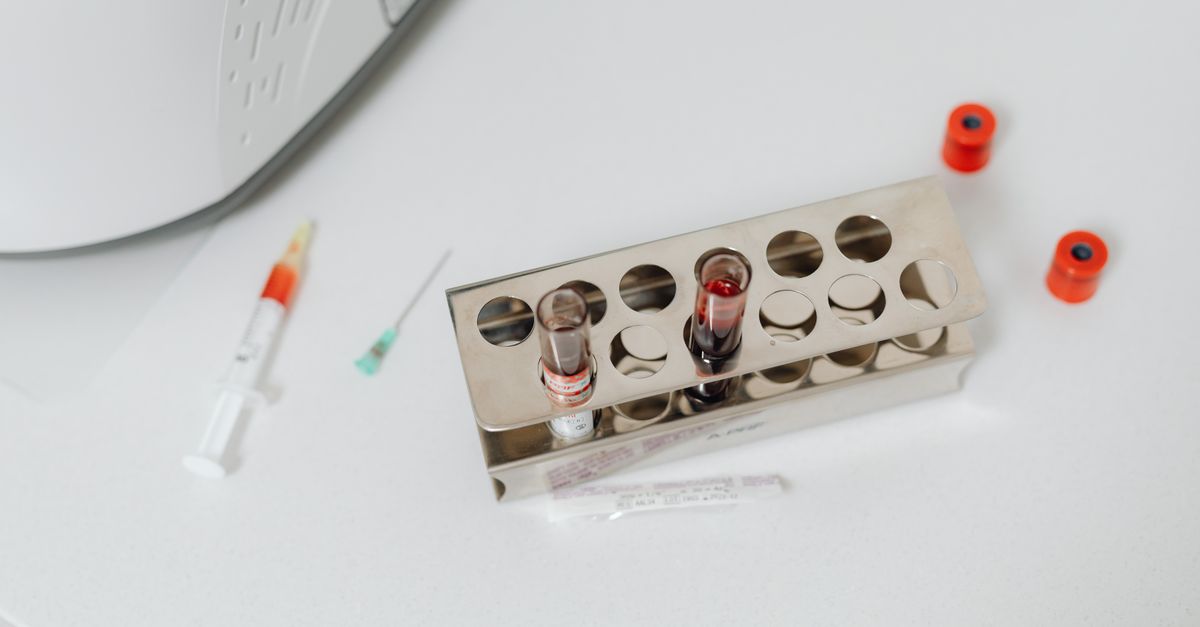
What Does Low Hematocrit Mean?
Low hematocrit means your red blood cells occupy less than the normal fraction of your total blood volume — typically below 41% in men and below 36% in women. For most people, this reflects either insufficient red blood cell production or accelerated loss. The main caveat is that a mildly low result is often functional (hydration, altitude, recent illness) rather than pathological, but a persistently low reading warrants investigation because it tells you your tissues are receiving less oxygen than they need.
---
What Hematocrit Actually Measures — and Why It Matters
Hematocrit (Hct) is reported as a percentage on a standard complete blood count (CBC). If your hematocrit is 38%, that means 38 mL of every 100 mL of blood is occupied by red blood cells; the rest is plasma. Because red blood cells carry hemoglobin — and hemoglobin carries oxygen — a lower percentage means less oxygen delivery to every organ in your body.
The reference ranges most labs use are:
| Group | Low (below) | Normal range | High (above) |
|---|---|---|---|
| Adult men | 41% | 41–53% | 53% |
| Adult women | 36% | 36–46% | 46% |
| Pregnant women | 33% | 33–44% | — |
Hematocrit is closely correlated with hemoglobin, and the two are usually interpreted together. If you've seen a normal hemoglobin result alongside symptoms like fatigue and cold intolerance, it's worth reading about why hemoglobin can be normal but you still feel awful — the same layered picture applies to hematocrit.
---
Symptoms of Low Hematocrit You Shouldn't Ignore
Because the drop in oxygen delivery is gradual, the body compensates quietly for a long time. That's why many people with hematocrit in the 33–38% range write off their symptoms as stress or poor sleep. Common presentations include:
- Persistent fatigue that isn't resolved by a full night's rest
- Shortness of breath with mild exertion
- Brain fog, poor concentration, slow word retrieval
- Heart palpitations or a resting heart rate that feels elevated
- Pallor (pale skin, pale inner eyelids, pale nail beds)
- Cold hands and feet
- Headaches, especially on exertion
- Reduced exercise tolerance and slow recovery
The symptom burden correlates more with how fast hematocrit dropped than with the absolute number. Someone who declines from 46% to 38% over six weeks often feels far worse than someone who has been stable at 35% for years.
This pattern — normal-ish labs alongside real, disabling symptoms — is addressed in more detail in our piece on all labs normal but still feeling different, which explains why reference ranges don't always capture individual physiology.
---
The Most Common Causes of Low Hematocrit
Identifying the root cause is non-negotiable before starting any protocol. The differential is wide:
1. Iron-Deficiency Anemia
This is the most prevalent cause worldwide. Iron is required to synthesize hemoglobin; without enough, your body produces smaller, paler red blood cells that survive for less time. Check ferritin (the storage form of iron) and transferrin saturation alongside hematocrit — ferritin can be depleted long before hemoglobin or hematocrit fall. A transferrin saturation below 20% alongside low ferritin is a strong signal. Our guide on low transferrin saturation walks through how that specific marker compounds the picture.
2. B12 and Folate Deficiency
Without adequate B12 or folate, red blood cell precursors cannot divide properly, producing large, immature cells (megaloblastic anemia). Hematocrit falls even though each cell is oversized. This is why B12 status deserves its own deep look — see why B12 can look normal but still cause symptoms.
3. Chronic Disease and Inflammation
Chronic kidney disease, autoimmune conditions, and persistent low-grade inflammation suppress erythropoietin (EPO) — the hormone that signals the bone marrow to make red blood cells. C-reactive protein (CRP) and ferritin (as an acute-phase reactant, not a storage measure) both tend to be elevated in this scenario.
4. Overhydration or Dilutional Pseudoanemia
A large fluid load before a blood draw lowers hematocrit artifactually. Athletes who hyper-hydrate before labs sometimes show readings 2–4 points below their true value.
5. Hemolysis
Premature destruction of red blood cells — from autoimmune hemolytic anemia, certain medications, or G6PD deficiency — means the bone marrow cannot keep up with turnover. Look for elevated bilirubin and LDH alongside low hematocrit.
6. Bone Marrow or Stem Cell Issues
Applastic anemia, myelodysplastic syndromes, and chemotherapy all impair production at the source. These are rarer but critical to rule out if iron, B12, and folate are all replete.
---
How Low Hematocrit Interacts with Other Biomarkers
Hematocrit rarely exists in isolation. A few interconnections worth knowing:
RDW (Red Cell Distribution Width): A high RDW with low hematocrit suggests mixed deficiency (e.g., iron and B12 simultaneously) or early iron deficiency before hematocrit has fully normalized. If your RDW has been flagged, our article on what normal RDW with symptoms means covers the nuance.
Thyroid function: Hypothyroidism reduces EPO secretion and slows red blood cell production. Hematocrit can be the first marker that catches a practitioner's attention, leading to a thyroid workup. If you've been told your thyroid is fine but you feel otherwise, why thyroid normal but still feel awful is relevant reading.
Ferritin and transferrin saturation: Always interpret together. Ferritin below 30 ng/mL with transferrin saturation below 20% and low hematocrit is textbook iron-deficiency anemia and responds reliably to repleting iron stores.
---
Evidence-Based Interventions for Low Hematocrit
Protocols depend entirely on cause. Below is a tiered approach:
Step 1 — Identify and fix the deficiency
Iron: Ferrous bisglycinate at 25–50 mg elemental iron daily is better tolerated than ferrous sulfate and shows comparable absorption in clinical trials (Milman et al., Acta Obstetricia et Gynecologica Scandinavica 2014; PMID: 24117179). Taking iron with 500 mg vitamin C improves non-heme absorption by up to 67% (Lynch & Cook, Annals of the New York Academy of Sciences 1980; PMID: 6940487). Hematocrit typically begins recovering within 4–8 weeks of sufficient iron repletion.
B12: Methylcobalamin 1,000 mcg/day orally is effective for most people; those with pernicious anemia or severe malabsorption need intramuscular injection. A Cochrane review confirmed oral high-dose B12 is as effective as injections for correcting deficiency in most patients (Butler et al., Cochrane Database 2006; PMID: 16625533).
Folate: 400–800 mcg methylfolate daily (the active form, especially important for those with MTHFR variants).
Step 2 — Address upstream drivers
- Chronic inflammation: Anti-inflammatory lifestyle modifications (omega-3 fatty acids, reduced ultra-processed food, adequate sleep) lower CRP, which in turn reduces hepcidin — the hormone that blocks iron absorption. Omega-3 supplementation at 2–4 g EPA+DHA daily reduces CRP by a clinically meaningful margin in randomized trials (Calder, Prostaglandins, Leukotrienes and Essential Fatty Acids 2015; PMID: 25149823).
- Thyroid support: If subclinical hypothyroidism is contributing, addressing thyroid status often allows hematocrit to self-correct over 3–6 months.
- Kidney function: Chronic kidney disease management, including erythropoiesis-stimulating agents in severe cases, is a medical decision — consult your physician.
Step 3 — Optimize the environment for red blood cell production
| Nutrient | Role in RBC production | Evidence-based dose |
|---|---|---|
| Iron (bisglycinate) | Hemoglobin synthesis | 25–50 mg elemental/day |
| Methylcobalamin (B12) | DNA synthesis in erythroblasts | 1,000 mcg/day |
| Methylfolate | Cell division in bone marrow | 400–800 mcg/day |
| Vitamin C | Iron absorption cofactor | 500 mg with iron dose |
| Copper | Ferroxidase enzyme (ceruloplasmin) | 1–2 mg/day |
| Riboflavin (B2) | Iron mobilization from stores | 1.6–2 mg/day |
| Vitamin B6 | Heme synthesis | 10–25 mg/day |
---
What This Means for Your Formula
If lab work reveals low hematocrit alongside iron, B12, or inflammatory drivers, a personalized supplement protocol can address multiple nodes simultaneously — rather than guessing at the cause and cycling through generic products.
Ones uses an AI health practitioner that reads your full CBC, ferritin, transferrin saturation, CRP, and other biomarkers together, then builds a custom capsule formula targeting your specific deficits. Relevant ingredients from Ones' catalog that apply here:
- Iron bisglycinate — a highly bioavailable chelated form included when ferritin and transferrin saturation signal depletion, dosed to repleting rather than maintenance levels.
- Methylcobalamin (B12) at 1,000 mcg — the active, neurologically available form of B12, included when blood work or dietary history suggests insufficiency driving megaloblastic changes.
- Omega-3 (EPA/DHA) — included in formulas where elevated CRP or hsCRP indicates the inflammatory suppression of erythropoiesis; the dose is calibrated to the anti-inflammatory threshold seen in trial data, typically 2–3 g combined EPA+DHA.
Because Ones formulas come in 6 or 9-capsule daily plans selected by the AI based on your findings, the combination of iron support, B12, and anti-inflammatory actives can co-exist in a single formula without you having to manually stack separate products.
For people whose hematocrit drop is tied to thyroid dysregulation, Ones also includes a Thyroid Support blend as one of its 18 proprietary System Supports — a relevant add-in when thyroid and blood markers both point in the same direction.
---
Key Takeaways
- Low hematocrit means your red blood cells are below the normal percentage of blood volume, leading to reduced oxygen delivery and symptoms like fatigue, brain fog, and shortness of breath.
- The most common causes are iron deficiency, B12 or folate deficiency, chronic inflammation, and — less commonly — bone marrow or kidney issues.
- Always check ferritin and transferrin saturation alongside hematocrit; hematocrit is a downstream marker that often lags behind early nutrient depletion.
- Iron bisglycinate is better tolerated than ferrous sulfate and, paired with vitamin C, meaningfully improves absorption; hematocrit typically responds within 4–8 weeks.
- Inflammation suppresses red blood cell production through hepcidin, which is why omega-3s and anti-inflammatory lifestyle changes are part of a complete protocol — not just iron pills.
- Persistent low hematocrit without an obvious cause warrants a physician evaluation to rule out hemolysis, aplastic anemia, or chronic kidney disease before attempting self-directed supplementation.
---
This article is for informational purposes only and does not constitute medical advice. Always consult a licensed healthcare provider before making changes to your supplement regimen or interpreting laboratory results.