Supplements
Is Chromium Safe: A Clinical Guide to Dosage, Mechanism, and Outcomes
Chromium sits quietly in most blood sugar support stacks, yet the safety question rarely gets a satisfying clinical answer. With emerging evidence on insulin sensitization and a narrow margin between effective and excessive intake, knowing what the research actually says could change how you think about this trace mineral entirely.
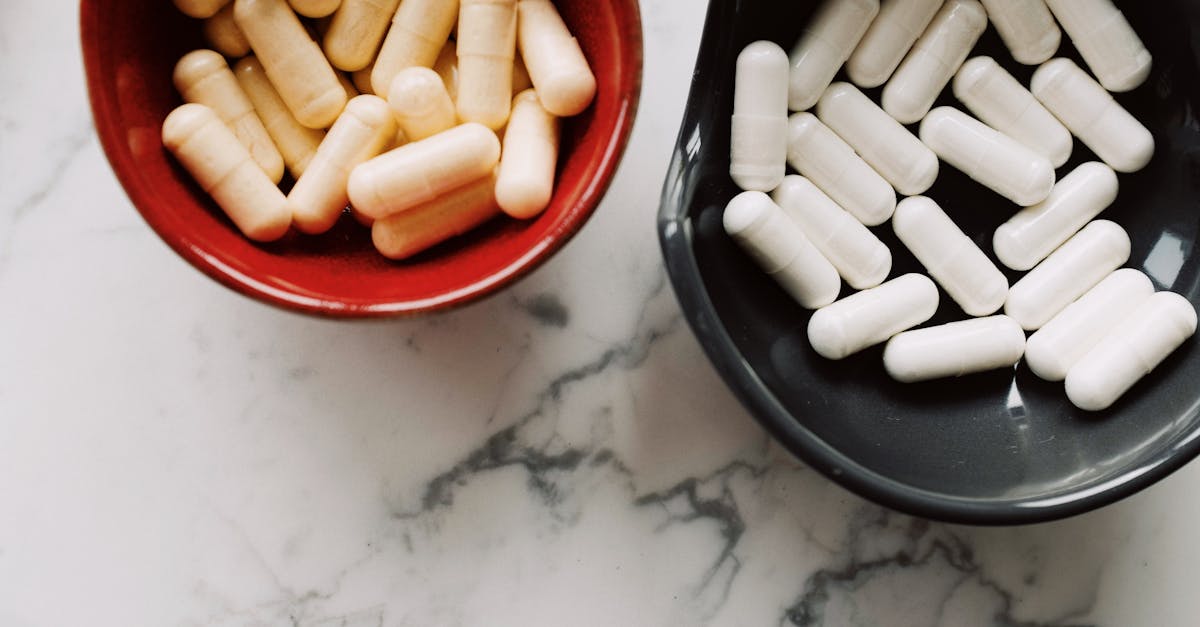
Is Chromium Safe: A Clinical Guide to Dosage, Mechanism, and Outcomes
Chromium is one of those ingredients that appears in almost every metabolic support formula, yet receives remarkably little critical attention. Consumers scan the label, see 200 mcg of chromium picolinate, and move on — but clinicians and researchers have spent decades trying to answer a deceptively simple question: is chromium actually safe, and at what dose does it stop being beneficial?
This guide breaks down the clinical evidence on chromium's mechanisms, safety profile, effective dosing ranges, and how it fits alongside other commonly questioned supplements like quercetin, spirulina, activated charcoal, and red yeast rice — many of which appear together in metabolic and cardiovascular stacks. If you're building a personalized supplement formula or advising someone who is, the nuances here matter.
---
What Chromium Does in the Body: The Mechanism Behind the Claims
Chromium is an essential trace mineral, meaning the human body requires it in small amounts to function normally but cannot synthesize it. Its primary physiological role centers on potentiating the action of insulin. Chromium is a component of a low-molecular-weight chromium-binding substance (LMWCr), sometimes called chromodulin, which amplifies insulin receptor tyrosine kinase activity when insulin is present (Vincent, Biological Trace Element Research 2004; PMID: 15316255).
In practical terms, this means chromium doesn't lower blood glucose directly — it helps insulin do its job more efficiently. This distinction is clinically important. Chromium is not insulin, and it doesn't replace glycemic management strategies. It operates upstream, at the receptor sensitivity level.
Three forms dominate the supplement market:
| Form | Bioavailability | Common Dose | Notes |
|---|---|---|---|
| Chromium Picolinate | Highest (estimated ~2%) | 200–1,000 mcg | Most studied; picolinate ligand improves absorption |
| Chromium Polynicotinate | Moderate | 200–400 mcg | Bound to niacin; marketed as "GTF chromium" |
| Chromium Chloride | Low | 200–400 mcg | Found in many generic products; poorly absorbed |
Even "high" bioavailability forms absorb only a small fraction of the ingested dose, which is one reason the safety ceiling is difficult to establish through standard intake alone.
---
Is Chromium Safe at Common Supplemental Doses?
The short answer: yes, chromium picolinate in the range of 200–1,000 mcg per day has a well-documented safety record in human clinical trials of up to 64 weeks (Cefalu et al., Diabetes Care 1997; PMID: 9356026). The U.S. Food and Nutrition Board set the Tolerable Upper Intake Level (UL) at not established — meaning available data are insufficient to set a formal ceiling, which cuts both ways: there is no confirmed toxic threshold from food and typical supplemental use, but that also means long-term high-dose safety is not fully characterized (NIH Office of Dietary Supplements, Chromium Fact Sheet for Health Professionals, 2023).
Here is what the clinical record actually shows:
Renal concerns at very high doses. A small number of case reports describe kidney dysfunction associated with chromium picolinate intake above 1,200 mcg/day taken over extended periods. A 1997 case report in the Annals of Internal Medicine documented renal failure in a woman taking 1,200–2,400 mcg/day of chromium picolinate for several months (Cerulli et al., PMID: 9024242). These are outliers — not the norm at 200–600 mcg ranges — but they establish that chromium is not infinitely safe.
DNA interaction concerns with picolinate form. Laboratory (in vitro) studies raised early concerns that chromium picolinate could cause oxidative DNA damage. A key Stearns et al. study demonstrated chromosomal damage in hamster ovary cells at high concentrations (PMID: 7599640). However, regulatory bodies including the European Food Safety Authority (EFSA) reviewed this evidence in 2010 and concluded that chromium picolinate at dietary supplement doses does not present a genotoxic risk to humans under normal use conditions (EFSA Journal 2010; doi.org/10.2903/j.efsa.2010.1477).
The consensus dose: For insulin sensitivity and glycemic support, clinical trials predominantly use 200–600 mcg of chromium picolinate daily, often split across meals. This range is where the safety-efficacy balance is best supported.
---
Chromium and Blood Sugar: What the Trials Actually Show
A 2004 meta-analysis by Balk et al. examined 15 randomized controlled trials on chromium and glycemic outcomes in individuals with type 2 diabetes and pre-diabetes. The analysis found modest but statistically significant improvements in fasting glucose and HbA1c in chromium-supplemented groups compared to placebo (Balk et al., American Journal of Clinical Nutrition 2007; PMID: 17023729).
A later systematic review published in Diabetes Technology & Therapeutics found that chromium supplementation (primarily picolinate at 200–1,000 mcg/day) significantly reduced fasting blood glucose by approximately 1.06 mmol/L and fasting insulin levels in those with impaired glucose tolerance (Abdollahi et al., 2013; PMID: 23176657).
The effect sizes are meaningful but modest — chromium is best understood as a supportive adjunct to lifestyle intervention, not a standalone glycemic management tool. Consulting a healthcare provider before using chromium therapeutically, particularly if managing diagnosed diabetes, is essential.
For those building personalized supplement formulas based on metabolic lab data, chromium works well alongside magnesium, berberine, and alpha-lipoic acid — ingredients that each act through distinct insulin-sensitizing mechanisms.
---
Is Quercetin Safe When Combined With Chromium?
Querycetin is a flavonoid found naturally in onions, apples, and capers, and has moved steadily into metabolic and immune support formulas over the past decade. The safety question is legitimate: quercetin is bioactive, not inert, and at supplemental doses (500–1,000 mg/day) it interacts with multiple enzyme systems.
Safety profile: A comprehensive review in Molecules (2016) examining human clinical data found that quercetin at doses up to 1,000 mg/day for 12 weeks was well-tolerated without clinically significant adverse events (Mlcek et al., PMID: 27070596). At very high intravenous doses used in oncology research, kidney effects have been noted — but these are not relevant to oral supplementation.
Drug interactions are the real concern. Quercetin inhibits CYP3A4 and P-glycoprotein, which means it can increase plasma levels of medications metabolized by this pathway, including some statins, immunosuppressants, and antibiotics (Li et al., Drug Metabolism Reviews 2012; PMID: 22268531). If you're on any prescription medication, particularly those with a narrow therapeutic index, quercetin requires clinical oversight.
Metabolic relevance: Quercetin activates AMPK signaling and demonstrates anti-inflammatory effects via NF-κB inhibition, making it a logical pairing with chromium in insulin sensitivity formulas. The combination addresses both receptor-level insulin potentiation (chromium) and upstream inflammatory signaling (quercetin).
Those interested in the clinical evidence for antioxidant flavonoids in metabolic health will find that quercetin's bioavailability improves meaningfully when taken with bromelain or as a phytosome formulation.
---
Is Red Yeast Rice Safe as a Cardiovascular Adjunct?
Red yeast rice (RYR) occupies a complicated regulatory and clinical space. It contains monacolin K — chemically identical to lovastatin — which is why the FDA prohibits RYR products containing standardized amounts of monacolin K from being marketed as dietary supplements in the United States.
Efficacy: A 2015 systematic review and meta-analysis in PLOS ONE found that red yeast rice preparations significantly reduced LDL cholesterol by an average of 1.02 mmol/L compared to placebo, with effects comparable to low-dose statin therapy (Gerards et al., PMID: 25629955).
Safety concerns are significant:
- Myopathy and rhabdomyolysis have been reported, mirroring statin adverse effects, because the mechanism is identical (NIH ODS, Red Yeast Rice Fact Sheet, 2023).
- Hepatotoxicity is documented in case reports, particularly at higher doses or in individuals with pre-existing liver vulnerability.
- Citrinins — nephrotoxic fungal metabolites that can contaminate RYR products — represent a manufacturing quality concern. Only third-party tested products from established manufacturers should be considered.
- RYR is contraindicated in pregnancy, liver disease, and in individuals taking statins or fibrates.
From a systems perspective, red yeast rice is less a safe supplement and more an unregulated statin. Anyone with cardiovascular concerns exploring this ingredient should do so under the guidance of a physician. This is an area where working with a platform like Ones — which routes complex cardiovascular cases toward its Heart Support system blend built from clinically validated individual ingredients — offers a safer alternative to self-selecting RYR from a retail shelf.
---
Is Activated Charcoal Safe for Regular Use?
Activated charcoal has enjoyed waves of popularity as a detox aid and more recently as a hangover remedy. The clinical reality is more constrained than the marketing suggests.
Legitimate use case: Activated charcoal is a medically validated treatment for acute poisoning and drug overdose when administered within 1–2 hours of ingestion, under clinical supervision (Chyka et al., Clinical Toxicology 2005; PMID: 15822758). In this acute context, it is both effective and appropriate.
For routine supplemental use, the concerns are real:
- Activated charcoal is non-selective. It binds not only toxins but also medications, fat-soluble vitamins, and dietary minerals — including chromium, zinc, and magnesium. Taking activated charcoal alongside a supplement stack essentially negates those supplements if timing is not carefully managed (minimum 2 hours separation required).
- There is no credible evidence that activated charcoal reduces systemic toxin load in healthy individuals with normal liver and kidney function. The GI tract is not a persistent reservoir of toxins in healthy people.
- Regular use has been associated with constipation and, in rare cases, intestinal obstruction.
The bottom line: activated charcoal is a legitimate emergency medicine tool that has been poorly repurposed as a wellness product. It should not be part of a daily supplement protocol, and if it must be used situationally, it should be timed well away from all other supplements and medications.
---
Is Spirulina Safe as a Nutritional Supplement?
Spirulina is a blue-green microalgae and one of the more nutrient-dense whole-food supplements available. Per gram, it is a concentrated source of phycocyanin (its primary antioxidant pigment), B vitamins, iron, and complete protein (all essential amino acids present).
Safety profile: Spirulina itself — free of contamination — has a strong safety record. A review published in Nutrients (2016) summarized human trials at doses of 1–8 g/day for up to 12 months without significant adverse events in healthy populations (Finamore et al., PMID: 27023600).
The critical caveat is contamination. Spirulina grown in uncontrolled water sources can accumulate heavy metals (arsenic, lead, mercury) and microcystins — hepatotoxic compounds produced by contaminating cyanobacteria. This is not a theoretical risk; consumer testing by organizations like ConsumerLab has repeatedly identified contaminated products on retail shelves.
Clinical evidence for spirulina:
- A 2013 randomized trial found that 2 g/day of spirulina for 12 weeks significantly reduced body weight, BMI, and fasting blood glucose in obese individuals (Zeinalian et al., Journal of Traditional and Complementary Medicine; PMID: 27493917).
- Spirulina's anti-inflammatory effects are attributed primarily to phycocyanin's inhibition of NF-κB and COX-2 pathways (Reddy et al., Biochemistry and Cell Biology 2003; PMID: 14663521).
Spirulina is safe when sourced from GMP-certified facilities with heavy metal and microcystin testing. For those interested in whole-food nutrient density and anti-inflammatory support, spirulina pairs logically with omega-3s and antioxidant nutrients.
---
What This Means for Your Formula: How Ones Addresses Chromium and Metabolic Health
Building a supplement stack around chromium, quercetin, or any metabolic ingredient without understanding your personal baseline — your fasting insulin, HbA1c, inflammatory markers, and micronutrient levels from blood work — is essentially guessing.
Ones takes a different approach. The AI health practitioner analyzes your actual lab results and wearable data to identify where your metabolic signaling is underperforming, then builds a custom capsule formula calibrated to your specific numbers.
For metabolic and blood sugar support, the Ones catalog includes several clinically dosed actives relevant to this article:
- Chromium (as chromium picolinate): Included at doses within the clinically validated 200–600 mcg range when fasting glucose or insulin resistance markers indicate need — mirroring the dosing used in the Abdollahi et al. 2013 meta-analysis.
- Magnesium Glycinate: Magnesium deficiency is independently associated with insulin resistance. Ones includes magnesium glycinate dosed to clinical ranges (typically 300–400 mg elemental magnesium), supporting chromium's insulin-sensitizing effects through a complementary pathway. Learn more about optimal magnesium glycinate dosage for metabolic and sleep support.
- Omega-3 (EPA/DHA): Chronic low-grade inflammation impairs insulin receptor signaling. Ones' Omega-3 formulation provides EPA and DHA at doses consistent with anti-inflammatory evidence (minimum 1,000 mg combined EPA/DHA), addressing the inflammatory layer that chromium alone cannot touch. The omega-3 EPA DHA ratio guide covers why the EPA-to-DHA split matters for metabolic versus cardiovascular goals.
Formulas are available in 6, 9, or 12-capsule plans — so chromium doesn't sit alongside 40 other ingredients at sub-clinical doses. Each ingredient earns its place based on your data.
---
Key Takeaways
- Chromium is safe at 200–600 mcg/day of chromium picolinate based on multiple RCTs and meta-analyses; doses above 1,200 mcg/day have rare but documented renal risk
- Chromium works by potentiating insulin receptor signaling via chromodulin, not by directly lowering blood glucose — it's a sensitizer, not a replacement for glycemic management
- Quercetin (500–1,000 mg/day) is well-tolerated but inhibits CYP3A4, creating clinically significant drug interactions for those on prescription medications
- Red yeast rice contains active statin compounds and carries risks of myopathy, hepatotoxicity, and nephrotoxic contamination — it requires medical supervision, not self-selection
- Activated charcoal should not be used daily — it non-selectively binds supplements and medications alongside any toxins, negating your entire stack
- Spirulina is safe when GMP-certified and tested for heavy metals and microcystins; the nutrient density and anti-inflammatory phycocyanin content are genuine, but contamination risk from unregulated sources is real
- Personalized dosing matters: platforms like Ones use blood work and wearable data to determine whether chromium, magnesium, or omega-3s actually need to be in your formula — and at what dose
---
This article is for informational purposes only and does not constitute medical advice. Consult a licensed healthcare provider before starting, stopping, or modifying any supplement regimen, particularly if you have a diagnosed medical condition or take prescription medications.