Supplements
Is Ox Bile Safe to Take as a Supplement?
Ox bile supplements are growing in popularity among people with fat digestion issues, gallbladder removal history, or sluggish liver function. But safety questions are legitimate — bile acids are physiologically potent, and taking too much or at the wrong time can cause real GI distress. Here's what the evidence actually shows.
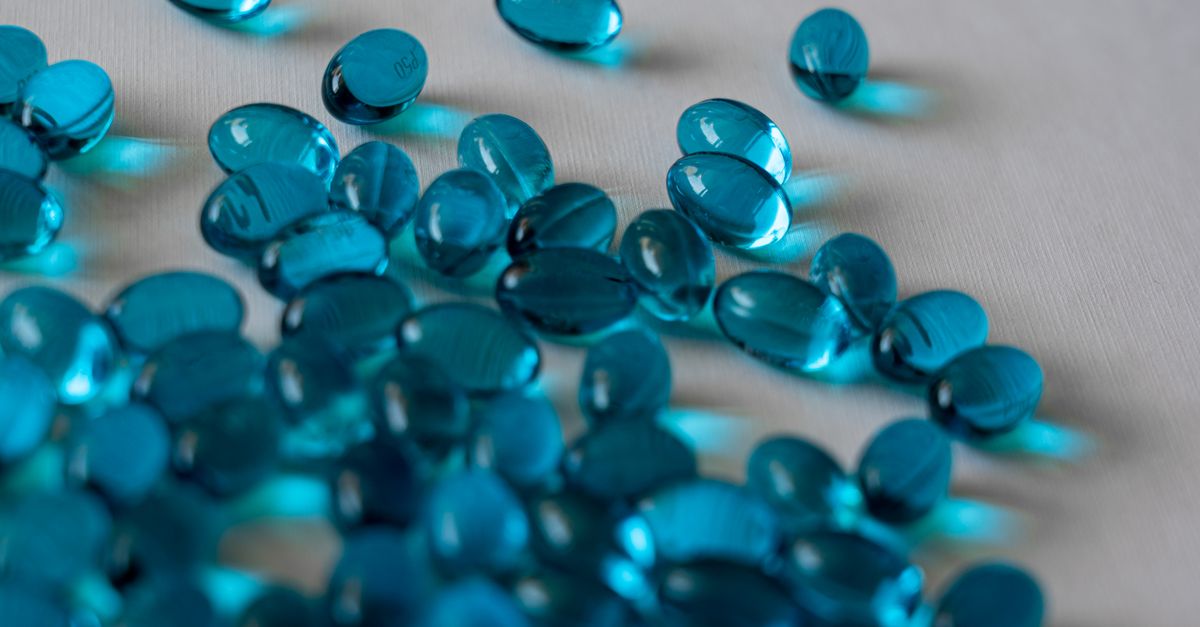
Is Ox Bile Safe to Take as a Supplement?
For most people with impaired bile output — especially those without a gallbladder — ox bile supplements are reasonably safe when taken at meals in doses of 100–500 mg. The main caveat is that people with intact gallbladders and normal bile flow rarely need them and may experience reflux or diarrhea. Those with bile duct obstruction or active liver disease should not use ox bile without medical supervision.
---
What Is Ox Bile, and Why Do People Take It?
Ox bile is a dried extract of bovine bile, standardized to bile salts — primarily taurocholic and glycocholic acid conjugates. Bile is produced by the liver, concentrated in the gallbladder, and released into the small intestine to emulsify dietary fats, enabling absorption of fat-soluble vitamins (A, D, E, K) and fatty acids. When bile output is insufficient — due to cholecystectomy (gallbladder removal), liver dysfunction, or impaired bile acid synthesis — fat digestion suffers noticeably.
Common reasons people supplement with ox bile:
- Post-cholecystectomy syndrome (about 10–15% of people develop persistent GI symptoms after gallbladder removal)
- Fat malabsorption leading to pale, floating, or greasy stools (steatorrhea)
- Deficiency of fat-soluble vitamins despite adequate dietary intake
- Supporting bile flow in the context of non-alcoholic fatty liver disease (NAFLD)
- Addressing symptoms of small intestinal bacterial overgrowth (SIBO), where bile's antimicrobial role is relevant
Ox bile is categorized as a dietary supplement in the United States, so it is not FDA-approved as a drug. However, prescription bile acid therapies (ursodeoxycholic acid, or UDCA) are well-studied, and much of what we know about bile acid physiology informs how we evaluate ox bile supplements.
---
Is Ox Bile Safe? What the Research Shows
Direct randomized controlled trials on over-the-counter ox bile supplements are limited, but bile acid physiology is extensively studied in clinical contexts. Here is what the evidence supports:
Bile acids are well-tolerated at physiological doses. The liver produces approximately 400–800 mg of bile acids per day, and the total bile acid pool circulating via enterohepatic recycling is roughly 3–5 grams. Supplementing with 100–500 mg per meal falls well within physiological ranges for people whose endogenous output is compromised.
Ursodeoxycholic acid (UDCA) safety data is instructive. UDCA — a naturally occurring bile acid also found in small amounts in ox bile preparations — has been studied extensively. A Cochrane review of UDCA in primary biliary cholangitis found the compound to be safe across trials spanning decades of use, with the primary adverse effects being dose-dependent diarrhea and mild abdominal discomfort (Gluud & Christensen, Cochrane Database 2002; doi:10.1002/14651858.CD000551).
Bile acids and the gut microbiome. Bile acids have significant antimicrobial properties and modulate gut microbiota composition. A 2020 review in Gut Microbes confirmed that primary and secondary bile acids shape microbial communities by inhibiting gram-positive bacteria and regulating FXR (farnesoid X receptor) signaling (Wahlström et al., Gut Microbes 2016; PMID: 27541590). This is relevant for safety: high-dose bile acid supplementation can alter microbiome diversity, which is generally not desirable without clinical indication.
Fat-soluble vitamin absorption. Studies in patients post-cholecystectomy consistently show impaired fat-soluble vitamin absorption. A 2014 study in Digestive Diseases and Sciences found that patients with cholecystectomy had significantly lower serum vitamin D levels compared to controls, suggesting compromised bile-dependent absorption (Tsai et al., Digestive Diseases and Sciences 2014; PMID: 24122148). Restoring bile acid delivery at meals addresses this mechanism directly.
Bile acid diarrhea (BAD). This is the most clinically recognized adverse effect of excess bile acid reaching the colon. BAD affects an estimated 1% of the general population and is dramatically more common after cholecystectomy or ileal resection, where bile acid recapture is impaired (Walters, Gut 2010; PMID: 20978230). Supplementing ox bile when bile flow is already adequate can worsen this condition.
---
Ox Bile Dosing: What Amounts Are Typically Used?
| Context | Typical Dose Range | Timing |
|---|---|---|
| Post-cholecystectomy fat malabsorption | 100–500 mg per meal | With fat-containing meals |
| General digestive enzyme support | 100–250 mg per meal | With meals |
| Fat-soluble vitamin deficiency support | 200–400 mg per meal | With main meals |
| SIBO adjunct (practitioner-guided) | 200–500 mg | With meals, under supervision |
Most commercial ox bile supplements are standardized to 40–45% bile salts by weight. A 500 mg capsule standardized to 40% delivers approximately 200 mg of active bile salts — a dose comparable to what might naturally be released with a moderate-fat meal in a healthy individual.
There is no established Tolerable Upper Intake Level (UL) for ox bile from health authorities because it is not regulated as a nutrient. Clinical judgment based on bile acid physiology suggests keeping total supplemental bile acid input below 1,500 mg per day absent specific clinical guidance.
---
Who Should Be Cautious or Avoid Ox Bile?
Ox bile is not appropriate for everyone. The following populations should exercise caution or avoid it entirely:
- People with bile duct obstruction: Any blockage — from gallstones still present, pancreatic masses, or cholangitis — makes additional bile acid supplementation dangerous. Bile backs up and causes liver damage.
- Active liver disease: Conditions like acute hepatitis or decompensated cirrhosis impair the liver's ability to regulate bile acid pools. Supplementing externally can overload already-stressed hepatocyte transport systems.
- People with intact gallbladders and normal bile function: If your liver and gallbladder are functioning well, adding ox bile is unnecessary and increases the risk of diarrhea and bile reflux gastritis.
- Those taking bile acid sequestrants: Drugs like cholestyramine bind bile acids to lower LDL cholesterol. Taking ox bile simultaneously defeats the purpose of the medication.
- Pregnant or breastfeeding individuals: No safety data exist for ox bile supplementation in pregnancy. Intrahepatic cholestasis of pregnancy is already a bile acid disorder managed by clinicians; self-supplementing is contraindicated.
If you are taking any hepatic medications or have been diagnosed with a GI condition, consult your healthcare provider before starting ox bile. This is particularly important given bile acids' role in regulating nuclear receptors (FXR, TGR5) that affect metabolism, inflammation, and glucose regulation.
---
Side Effects Most People Report
In general use at recommended doses, ox bile side effects are mild and GI-centric:
- Diarrhea or loose stools — most common, especially if dose is too high or taken without fat in the meal
- Nausea — less common, usually resolves by taking the supplement mid-meal rather than before
- Heartburn or bile reflux — occurs if bile travels backward into the stomach; taking ox bile with substantial food minimizes this
- Dark or more odorous stools — not harmful; reflects bile pigment excretion
- Bloating — occasionally reported, especially early in supplementation as gut microbiota adjust
Starting with 100–150 mg per meal and titrating upward over two weeks is generally recommended to minimize adaptation symptoms.
---
How Ox Bile Interacts With the Broader Digestive Ecosystem
Bile does not work in isolation. For fat digestion to proceed properly, pancreatic lipase must also be present to cleave triglycerides once bile has emulsified them. This is why some digestive enzyme formulas combine ox bile with pancreatin or lipase — a combination more relevant for people with exocrine pancreatic insufficiency in addition to bile deficiency.
Additionally, bile acids interact with intestinal cells via FXR signaling to regulate cholesterol synthesis, glucose metabolism, and even GLP-1 secretion. This is why bile acid metabolism is an active area of research in metabolic disease — not just digestion. A 2016 paper in Cell Metabolism highlighted that FXR activation by bile acids improves glycemic control and lipid profiles in preclinical models, supporting the broader metabolic relevance of bile acid physiology (Fang et al., Cell Metabolism 2015; PMID: 25955209).
This also means ox bile supplementation is not a simple, inert digestive aid — it has real systemic signaling effects that reinforce the importance of appropriate dosing and clinical context.
---
Is Ox Bile Safe Compared to Other Digestive Supplements?
When people ask about digestive health supplements, ox bile often comes up alongside ingredients with broader safety profiles. For context:
- Turmeric and its active compound curcumin stimulate bile production and have their own GI considerations at high doses — a useful comparison because both affect bile flow but through completely different mechanisms.
- Phosphatidylcholine is a phospholipid that supports bile composition and liver cell membrane integrity, making it a complementary (not competing) supplement for those with liver or bile issues.
- Sulforaphane activates Nrf2 pathways in hepatocytes, supporting liver detoxification — relevant because liver health directly determines bile quality and output.
Unlike general vitamins or adaptogens, ox bile is more mechanistically specific. It addresses a defined physiological deficit (bile acid insufficiency), which means it is highly effective for the right person and largely unnecessary for everyone else.
---
What This Means for Your Formula
Ones does not currently include a standalone ox bile ingredient in its catalog, which is appropriate — ox bile is highly indication-specific and better handled under direct clinical guidance. However, Ones does address several of the underlying conditions that drive people toward ox bile supplementation:
- Liver Support blend: Ones' proprietary Liver Support System Blend contains ingredients that support hepatic bile acid synthesis and liver cell health. For people with mildly sluggish bile production, supporting liver function upstream is often the more sustainable intervention.
- Phosphatidylcholine: Phosphatidylcholine is critical for maintaining the cholesterol-to-phospholipid ratio in bile — low phosphatidylcholine is associated with lithogenic (stone-forming) bile. Ones includes this ingredient to support membrane integrity and bile composition in users whose data suggests hepatic stress.
- Vitamin D3 + K2 (MK-7): Because fat-soluble vitamin absorption depends on adequate bile, Ones formulas calibrated for users with post-cholecystectomy history or fat malabsorption markers prioritize fat-soluble vitamin delivery — ensuring that even if bile function is suboptimal, the vitamins being absorbed are there in meaningful amounts.
If your lab work or health history suggests fat malabsorption or post-surgical GI changes, Ones' AI practitioner will identify those signals and build a formula that addresses the upstream causes, rather than defaulting to a one-size-fits-all digestive enzyme recommendation.
---
Key Takeaways
- Ox bile is safe for most people with documented bile deficiency, particularly post-cholecystectomy, when used at 100–500 mg per fat-containing meal.
- It is unnecessary and potentially harmful for people with normal gallbladder function, bile duct obstruction, or active liver disease.
- The most common side effect is diarrhea, which is dose-dependent and usually preventable by starting low and taking the supplement mid-meal.
- Bile acids have systemic metabolic effects via FXR and TGR5 signaling — ox bile is not a neutral digestive aid but a physiologically active compound.
- Combining ox bile with pancreatic enzymes is relevant for exocrine pancreatic insufficiency; for most users, ox bile alone at appropriate doses is sufficient.
- Supporting liver function and fat-soluble vitamin status with evidence-based ingredients addresses the root causes of bile insufficiency and is often a better starting point than supplemental bile salts alone.
---
Always consult a qualified healthcare provider before starting ox bile or any bile acid supplement, particularly if you have a history of liver disease, GI surgery, or are taking medications that affect cholesterol or digestion.