Comparisons
Probiotic Capsules vs Fermented Foods: What Science Says About Gut Colonization
You eat yogurt daily, maybe even a shot of kombucha before lunch — but your digestion still feels off, your bloating hasn't budged, and your energy is inconsistent. The debate between probiotic capsules and fermented foods isn't just about convenience: it's about whether the bacteria you're consuming actually survive, colonize, and do anything meaningful inside your gut. Here's what the clinical evidence actually says.
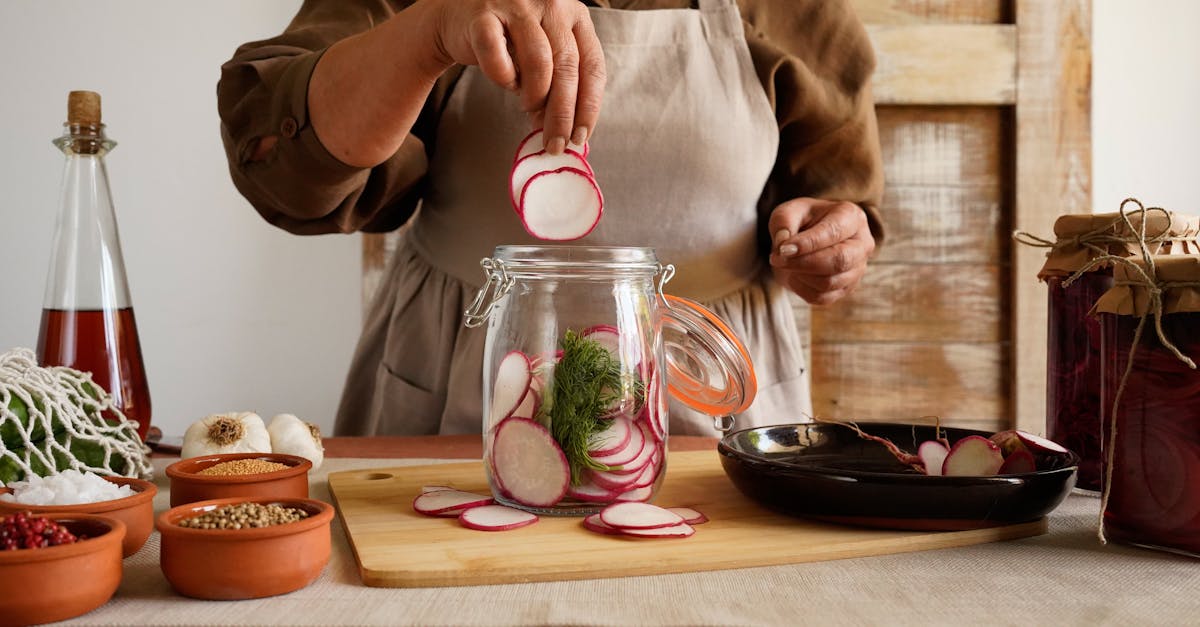
Probiotic Capsules vs Fermented Foods: What Science Says About Gut Colonization
Fermented foods have been a cornerstone of human diets for thousands of years. Kefir, kimchi, sauerkraut, miso, yogurt — these are foods with deep cultural roots and genuine health appeal. But in the last two decades, a parallel industry has emerged: concentrated probiotic capsules delivering billions of colony-forming units (CFUs) of specific bacterial strains in a single swallow.
The question is no longer whether gut bacteria matter — the science on that is settled. The more clinically relevant question is: which delivery method actually works better for colonizing your gut, improving microbiome diversity, and producing measurable health outcomes?
The answer is more nuanced than supplement marketing or wellness food blogs will tell you.
---
What "Gut Colonization" Actually Means
Colonization refers to whether ingested bacteria can survive gastric acid, bile salts, and pancreatic enzymes, then adhere to the intestinal epithelium and establish a sustained presence. This is not the same as simply passing through the gut. Transient presence — bacteria that move through without attaching — can still have beneficial effects (particularly immune modulation and metabolic interactions), but true colonization implies a more durable shift in your resident microbiome.
A landmark 2022 study published in Cell by Dahl et al. (PMID: 35120598) followed participants who consumed either a high-fermented-food diet or a high-fiber diet for 10 weeks. The fermented-food group showed increased microbiome diversity and decreased markers of inflammation (including IL-6 and IL-12p70), while the high-fiber group showed more variable outcomes depending on baseline microbiome composition. This study is important because it used metagenomic sequencing — not just self-reported outcomes — to track what was actually happening inside participants' guts.
But colonization from dietary intake is complex. Most organisms introduced via food or supplements do not permanently take root in a healthy adult microbiome. Instead, they exert their effects transiently, competing with and modulating the existing resident community.
---
Probiotic Colonization Evidence: What Capsules Can and Can't Do
The clinical literature on probiotic supplements is large but uneven. Strain specificity matters enormously — the evidence for Lactobacillus rhamnosus GG in reducing antibiotic-associated diarrhea (Szajewska et al., Journal of Pediatric Gastroenterology and Nutrition 2015; PMID: 25730624) does not transfer to a generic "Lactobacillus blend" at a lower CFU count.
Several high-quality meta-analyses have confirmed clinically meaningful benefits for specific strains:
- Irritable bowel syndrome (IBS): A Cochrane-level meta-analysis by Ford et al. (American Journal of Gastroenterology 2014; PMID: 24935275) found that probiotics as a class were significantly more effective than placebo for IBS symptom relief, with certain strains — particularly Bifidobacterium infantis 35624 — showing the strongest signal.
- Antibiotic-associated diarrhea: L. rhamnosus GG and S. boulardii consistently reduced incidence in randomized controlled trials, with the latter showing a relative risk reduction of approximately 50% in adults (McFarland, World Journal of Gastroenterology 2010; PMID: 20648452).
- Immune modulation: Lactobacillus plantarum 299v has demonstrated reductions in inflammatory cytokines in clinical populations (Dong et al., Journal of Clinical Gastroenterology 2012; PMID: 22688143).
However, a critical limitation of capsule-based probiotics is survivability. Enteric coating and lyophilization (freeze-drying) technologies have improved significantly, but studies have shown that many commercial probiotic products deliver far fewer viable organisms than their labels claim by the time they reach the colon (Govinden et al., Beneficial Microbes 2014; doi.org/10.3920/BM2013.0013).
This matters when comparing probiotic supplements vs fermented foods — because the bacterial strains in fermented foods exist within a protective food matrix that can buffer gastric acid transit in ways that some capsule formulations cannot replicate.
---
Fermented Food Benefits: The Case for Whole-Food Sources
Fermented foods offer something that even the most sophisticated probiotic capsule cannot fully replicate: a complex ecosystem of organisms embedded in a metabolically active food matrix. Kefir, for example, contains not just Lactobacillus and Bifidobacterium species, but also yeasts, Leuconostoc, and Streptococcus thermophilus, along with bioactive peptides, short-chain fatty acids, and B vitamins produced during fermentation.
A 2020 randomized controlled trial published in Gut by Valdes et al. (doi.org/10.1136/gutjnl-2019-320204) found that dietary interventions using fermented dairy foods produced measurable shifts in microbial community composition over 4 weeks, with effects persisting after the intervention period ended. The authors noted that fermented foods may exert effects through mechanisms beyond simple bacterial delivery — including prebiotic fiber content, fermentation metabolites, and postbiotic compounds.
Key fermented food benefits supported by evidence:
- Microbiome diversity: The Cell 2022 Dahl study cited above found fermented foods increased microbiome diversity more reliably than fiber alone in healthy adults.
- Postbiotic production: Fermentation generates short-chain fatty acids (butyrate, propionate, acetate), organic acids, and exopolysaccharides that directly modulate gut immune responses — regardless of whether live bacteria colonize.
- Systemic inflammation: Reduced IL-6 and BMI-adjusted inflammatory markers were observed in fermented food groups (Wastyk et al., Cell 2021; PMID: 34250892).
- Mood and cognitive signaling: Fermented foods' influence on the gut-brain axis via serotonin precursor production is an active research area, with emerging evidence linking higher fermented food intake to reduced anxiety scores (Kim et al., Psychiatry Research 2018; PMID: 29621671).
For more on how diet and supplementation interact with your gut-brain connection, see our guide to microbiome-targeted supplement strategies.
---
Kefir vs Probiotic Capsule: A Head-to-Head Look
Kefir is one of the most studied fermented foods, making it the most useful single comparison point against probiotic capsules. Here's how they compare on key dimensions:
| Factor | Kefir (250ml serving) | Typical Probiotic Capsule (10 billion CFU) |
|---|---|---|
| Live organisms | 10–100 billion CFU (variable by batch) | 1–50 billion CFU (stated; actual may vary) |
| Strain diversity | 30–50 species (including yeasts) | 1–10 defined strains |
| Strain specificity | Low (varies by brand/batch) | High (defined by manufacturer) |
| Survivability to colon | Buffered by dairy matrix | Depends on enteric coating |
| Postbiotics included | Yes (peptides, organic acids, B vitamins) | No (unless formula adds prebiotics/postbiotics) |
| Evidence for colonization | Moderate — transient + some durable shifts | Strain-specific; mostly transient |
| Caloric load | ~150 kcal, includes protein/fat | Negligible |
| Consistency | Variable (fermentation-dependent) | Standardized |
| Cost per serving | $0.50–$1.50 | $0.80–$2.00 |
| Suitable for lactose intolerance | Often yes (lactose fermented out) | Yes |
The honest conclusion from a kefir vs probiotic capsule analysis: kefir may deliver broader microbial diversity and a richer postbiotic environment, but probiotic capsules allow for precise, evidence-based strain selection — which is essential when targeting a specific condition like IBS, antibiotic-associated diarrhea, or vaginal dysbiosis.
For general microbiome maintenance and diversity in healthy adults, a diet rich in fermented foods likely provides a meaningful baseline. For targeted clinical outcomes, strain-specific supplementation offers a more defensible strategy.
---
Gut Microbiome Supplement Considerations: When Food Isn't Enough
Several populations and scenarios exist where food-based probiotic delivery falls short, making a gut microbiome supplement a more appropriate intervention:
- Post-antibiotic recovery: The speed and completeness of microbiome restoration after a course of antibiotics is a clinically meaningful concern. A randomized trial by Suez et al. (Cell 2018; PMID: 30193113) found that spontaneous recovery was actually faster than probiotic supplementation in some individuals — but autologous fecal transplantation outperformed both. The takeaway: strain selection for post-antibiotic recovery is nuanced and warrants professional guidance.
- Compromised digestion: Individuals with low stomach acid (hypochlorhydria), SIBO, or IBD may not tolerate fermented foods well and may benefit from enteric-coated, high-CFU supplements.
- Standardized dosing for clinical protocols: When evidence points to a specific strain at a specific dose (e.g., L. rhamnosus GG at 10 billion CFU for pediatric diarrhea prevention), food-based delivery cannot guarantee that target is met.
- Individuals avoiding dairy or fermented foods: Dietary restrictions, histamine intolerance (fermented foods are high-histamine), or cultural preferences may make food-based probiotics impractical.
If you're exploring clinical evidence for personalized probiotic supplementation, strain selection based on your specific symptoms and lab markers is the most evidence-aligned approach available today.
---
The Synbiotic Advantage: Combining Both Approaches
The emerging concept of synbiotics — combining probiotics with prebiotic substrates that selectively feed them — points toward a third path that neither pure supplement nor food-only advocates fully acknowledge. A 2021 randomized trial by Swann et al. (Nature Medicine 2020; PMID: 33199922) found that synbiotic interventions produced more durable microbiome shifts than probiotic-only supplementation, particularly when prebiotic fiber types were matched to the strains being supplemented.
This aligns with what nutritional scientists have argued for years: the gut microbiome is an ecosystem, and ecosystems respond to habitat (diet) at least as much as to seeding (probiotics). The practical implication is that neither capsules nor fermented foods alone are likely to produce durable microbiome shifts in the absence of an overall diet that supports microbial diversity. Adequate dietary fiber (targeting 25–38g/day per NIH guidelines), polyphenol-rich plant foods, and reduced ultra-processed food intake create the substrate in which both food-based and supplemental probiotics can thrive.
For those also exploring the role of omega-3 fatty acids in reducing gut inflammation, it's worth noting that EPA and DHA appear to support a favorable microbiome environment by reducing intestinal permeability and modulating inflammatory signaling — a synergistic effect worth building into any comprehensive gut health protocol.
---
What This Means for Your Formula
At Ones, gut health optimization doesn't mean defaulting to a generic probiotic blend. The AI health practitioner analyzes your blood biomarkers, wearable data (including sleep and HRV patterns that correlate with gut-brain axis function), and health history to build a formula calibrated to your specific needs.
Relevant ingredients Ones uses in evidence-aligned doses include:
- Probiotic strains (multi-strain blends): Ones selects strains based on the clinical evidence for your flagged conditions — not a one-size-fits-all formula. This includes established strains like L. rhamnosus GG and B. longum where appropriate, at doses aligned with clinical trials.
- Magnesium Glycinate (from the Magnesium Complex blend): Magnesium deficiency is associated with gut motility issues and dysbiosis. The glycinate form has superior bioavailability compared to oxide and citrate forms, and is included in Ones' Magnesium Complex at doses calibrated to your lab results. You can read more about optimal magnesium glycinate dosage for gut and sleep in our dedicated guide.
- NAC (N-Acetyl Cysteine): At clinical doses, NAC supports intestinal glutathione production and has shown benefit in mucosal barrier integrity — a foundational factor in probiotic colonization success. A compromised intestinal barrier reduces the likelihood that any probiotic intervention, food or capsule, will produce lasting results.
- Ones Liver Support blend: The liver-gut axis is bidirectional — impaired bile production (hepatic function) directly affects the pH environment in which probiotic bacteria must survive. Ones' Liver Support blend is formulated to support bile production and hepatic antioxidant capacity, creating a more favorable downstream environment for gut colonization.
If you're building a comprehensive gut protocol, also consider reviewing the role of zinc in intestinal barrier function — another ingredient Ones doses to clinical ranges based on your zinc serum levels.
---
Key Takeaways
- Fermented foods and probiotic capsules work through partially overlapping but distinct mechanisms — food sources offer diversity and postbiotics; capsules offer strain precision and standardized dosing.
- True "colonization" is rare from either source — most probiotic effects are transient, but clinically meaningful outcomes (reduced IBS symptoms, improved immune markers, faster antibiotic recovery) are well-documented in strain-specific trials.
- Kefir outperforms most probiotic capsules on diversity, but cannot match the specificity required for targeted clinical protocols.
- Synbiotics — probiotics paired with prebiotic substrates — produce the most durable microbiome shifts according to current RCT evidence.
- Your baseline microbiome composition determines how much you'll benefit from any probiotic intervention; personalized approaches that account for your existing gut environment (via testing or biomarker proxies) are more likely to produce meaningful results.
- A comprehensive gut health strategy includes fermented foods as a dietary foundation, strain-specific supplementation for targeted needs, and supporting nutrients (magnesium, NAC, zinc, omega-3s) that create the intestinal environment in which probiotics can work — exactly the kind of multi-variable formula Ones is built to construct.