Supplements
What Causes High TMAO Levels?
Elevated TMAO (trimethylamine N-oxide) is a gut-derived metabolite increasingly flagged on advanced cardiovascular panels. Research links high TMAO to atherosclerosis, kidney disease, and thrombosis risk — yet most people have never heard of it. Understanding what drives your TMAO level is the first step toward doing something about it.
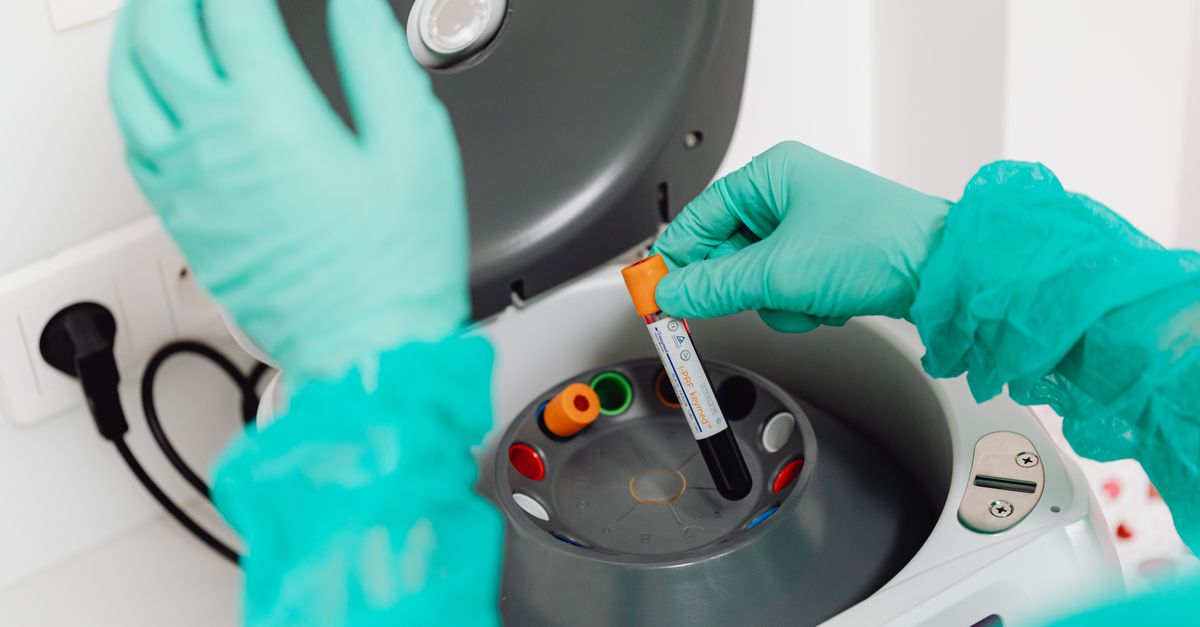
What Causes High TMAO Levels?
High TMAO is primarily caused by gut bacteria converting choline, lecithin, carnitine, and betaine — found in red meat, eggs, and fish — into trimethylamine (TMA), which the liver then oxidizes into TMAO. The main caveats: not everyone who eats these foods produces high TMAO; your gut microbiome composition is the decisive variable. Vegans and vegetarians can still have moderate TMAO from fish-derived betaine or supplement sources.
---
What Is TMAO and Why Does It Matter?
Trimethylamine N-oxide (TMAO) is a small organic compound produced when intestinal bacteria metabolize dietary precursors — choline, phosphatidylcholine (lecithin), L-carnitine, and betaine. The liver enzyme flavin-containing monooxygenase 3 (FMO3) converts the intermediate compound TMA into TMAO, which then circulates in the bloodstream and is excreted in urine.
Until about 2013, TMAO was considered a minor metabolic byproduct. That changed when a landmark Cleveland Clinic study published in Nature Medicine demonstrated that plasma TMAO levels predicted major adverse cardiovascular events (MACE) independently of traditional risk factors (Wang et al., 2011; PMID: 21475195). Since then, TMAO has been associated with:
- Atherosclerosis — TMAO promotes foam cell formation and suppresses reverse cholesterol transport (Koeth et al., Nature Medicine 2013; PMID: 23563705)
- Thrombosis — elevated TMAO enhances platelet reactivity and clot formation (Zhu et al., Cell 2016; PMID: 27814519)
- Chronic kidney disease — impaired renal clearance raises plasma TMAO; high TMAO worsens renal function in a vicious cycle
- Insulin resistance — emerging data link high TMAO to impaired glucose metabolism
Reference ranges vary by lab, but plasma TMAO above roughly 6 µM is generally associated with increased cardiovascular risk in research cohorts.
---
The Gut Microbiome: The Real Driver Behind High TMAO
Diet supplies the raw materials, but the gut microbiome determines how much TMA is actually generated. Specific bacterial genera — particularly Prevotella, Clostridium, and certain Ruminococcus species — carry the genes (CutC/CutD for choline, CntA/CntB for carnitine) that catalyze TMA production. People whose microbiomes are rich in these species convert dietary choline and carnitine into TMAO far more efficiently than others eating identical diets.
This explains the classic observation: an omnivore and a vegan can eat the same egg-and-beef meal in a research challenge, and the omnivore may produce three to five times more TMAO (Koeth et al., Nature Medicine 2013; PMID: 23563705). Conversely, long-term vegans who re-introduce animal foods often show blunted TMAO responses because their microbiomes lack TMA-producing populations.
Factors that shift the microbiome toward higher TMAO production include:
- Chronic high intake of red meat and processed meat
- Low dietary fiber (reduces butyrate-producing bacteria that compete with TMA producers)
- Frequent antibiotic use
- Sedentary lifestyle
- Elevated high-sensitivity CRP indicating systemic inflammation, which is associated with dysbiosis
---
Foods High in Choline and Their TMAO Connection
Choline is the dominant dietary precursor to TMAO in Western diets. It is essential for cell membrane integrity, neurotransmitter synthesis (acetylcholine), and methylation, so the goal is never to eliminate it — it is to understand dose and food form.
| Food | Choline (mg per serving) | TMAO Risk Relative to Gut Profile |
|---|---|---|
| Beef liver (3 oz) | ~430 mg | High |
| Eggs (2 large) | ~300 mg | Moderate–High |
| Beef, ground (3 oz) | ~115 mg | Moderate |
| Salmon (3 oz) | ~90 mg | Moderate (also high in TMAO directly) |
| Chicken breast (3 oz) | ~72 mg | Low–Moderate |
| Kidney beans (½ cup) | ~45 mg | Low |
| Broccoli (1 cup) | ~63 mg | Low |
Fish is worth noting separately: some species (cod, halibut, tuna) contain preformed TMAO absorbed directly from the ocean food chain, which partly explains why high fish intake raises plasma TMAO even though fish is otherwise cardioprotective. The net cardiovascular math still favors fish, but the TMAO signal is real.
The adequate intake (AI) for choline is 425 mg/day for adult women and 550 mg/day for adult men (NIH Office of Dietary Supplements). Exceeding these levels habitually from animal sources — especially with a dysbiotic microbiome — is where TMAO risk accumulates. Because high fasting glucose and insulin resistance are associated with worse gut barrier function, individuals with metabolic concerns should be especially attentive to their TMAO profile.
---
Foods High in MK-7 and Their Relationship to Cardiovascular Risk
Menaquinone-7 (MK-7) is the long-chain form of Vitamin K2, found most abundantly in natto (fermented soybeans), and in smaller amounts in certain aged cheeses and fermented dairy. This secondary keyword appears here because Vitamin K2 as MK-7 has an emerging role in modulating vascular calcification — the same downstream pathway that high TMAO accelerates.
| Food | MK-7 Content (µg per serving) |
|---|---|
| Natto (3.5 oz) | 850–1,000 µg |
| Gouda cheese (1 oz) | 20–75 µg |
| Brie (1 oz) | 15–50 µg |
| Egg yolk (1 large) | ~5 µg |
| Chicken liver (3 oz) | ~12 µg |
MK-7 activates matrix Gla protein (MGP), an inhibitor of vascular calcification. A 3-year double-blind RCT in healthy postmenopausal women found that 180 µg/day of MK-7 significantly reduced arterial stiffness compared to placebo (Knapen et al., Thrombosis and Haemostasis 2015; PMID: 25694037). While MK-7 does not directly lower TMAO, it addresses overlapping arterial damage mechanisms, making it a rational co-intervention when TMAO is elevated. Ones includes Vitamin D3 paired with K2 as MK-7 at clinically relevant doses in formulas where cardiovascular support is flagged — the two vitamins work synergistically on calcium partitioning.
---
Foods High in Copper and Manganese: Micronutrient Context
Copper and manganese are trace minerals relevant to TMAO metabolism because both support FMO3 — the hepatic enzyme that converts TMA to TMAO — and broader oxidative defense. This is a nuanced point: FMO3 upregulation actually increases TMAO production, so copper or manganese deficiency would theoretically lower TMAO, but the trade-off is impaired antioxidant defense and metabolic function that far outweighs any TMAO benefit.
Foods high in copper:
- Beef liver (3 oz): ~14 mg (exceeds the 0.9 mg RDA substantially — chronic overconsumption can be problematic; see what causes high ceruloplasmin)
- Oysters (3 oz): ~4.5 mg
- Cashews (1 oz): ~0.6 mg
- Dark chocolate (1 oz): ~0.5 mg
- Sesame seeds (1 tbsp): ~0.4 mg
Foods high in manganese:
- Mussels (3 oz): ~5.8 mg
- Hazelnuts (1 oz): ~1.6 mg
- Brown rice (½ cup cooked): ~1.1 mg
- Spinach (1 cup cooked): ~0.84 mg
- Pineapple (½ cup): ~0.77 mg
The RDA for manganese is 1.8–2.3 mg/day for adults. Manganese acts as a cofactor for manganese superoxide dismutase (MnSOD), a mitochondrial antioxidant enzyme that is impaired when TMAO-driven oxidative stress is elevated. Ensuring adequate intake through whole foods rather than isolated high-dose supplementation is the standard guidance (NIH ODS, Manganese Fact Sheet).
---
Other Causes of High TMAO Beyond Diet
Liver Enzyme Variants (FMO3 Polymorphisms)
FMO3 is encoded by a gene with common functional single nucleotide polymorphisms (SNPs). Certain variants increase FMO3 activity, converting more TMA to TMAO regardless of diet. This explains why some individuals eating a low-choline, low-carnitine diet still show elevated plasma TMAO. Genetic testing (e.g., 23andMe raw data analyzed through third-party tools) can flag FMO3 variants.
Kidney Function
TMAO is renally cleared. Patients with chronic kidney disease (CKD) stages 3–5 accumulate TMAO even on low-precursor diets because clearance is impaired. TMAO then appears to worsen renal inflammation — a bidirectional relationship documented in multiple cohort studies.
Sex Hormones
Estrogen modulates FMO3 expression. Research suggests premenopausal women have lower TMAO than age-matched men partly because estrogen suppresses FMO3 activity. Post-menopause, the gap narrows. This may partly explain sex differences in cardiovascular risk trajectories after midlife.
Thyroid Status
Hypothyroidism reduces FMO3 activity and can lower TMAO, while hyperthyroidism may raise it. If thyroid antibodies are elevated and thyroid function is fluctuating, TMAO levels may be correspondingly unstable.
---
Strategies to Lower TMAO
Reducing TMAO is achievable through dietary, microbiome, and targeted nutrient strategies:
- Shift dietary protein sources — replace a portion of red meat and processed meat with plant proteins (legumes, tofu, tempeh). A 2019 study found that a 4-week plant-based dietary shift reduced TMAO by roughly 30% in healthy adults.
- Increase dietary fiber — soluble fiber (oats, psyllium, legumes) feeds bacteria that compete with TMA producers and supports short-chain fatty acid production that strengthens gut barrier integrity.
- Mediterranean-style eating — a dietary pattern rich in polyphenols, olive oil, and fish (not red meat) is associated with lower TMAO in observational cohorts.
- Resveratrol and DMB (3,3-dimethyl-1-butanol) — preclinical data show these compounds inhibit TMA lyase enzymes in gut bacteria without killing the bacteria outright (Wang et al., Cell Metabolism 2015; PMID: 26028052). Human trial data are limited but promising.
- Probiotics with Lactobacillus and Bifidobacterium species — these genera are associated with lower TMA production and may outcompete TMA-producing bacteria when taken consistently.
- Manage blood glucose — insulin resistance worsens gut permeability and dysbiosis; keeping fasting glucose in range reduces TMAO-producing bacterial overgrowth.
---
What This Means for Your Formula
Ones is designed to respond to your specific biomarker profile, not a generic template. If your blood work or health history flags elevated TMAO or cardiovascular risk markers, the AI practitioner may build in ingredients that address the overlapping pathways:
- Vitamin D3 + K2 (MK-7) — Ones includes K2 as MK-7 at doses consistent with the Knapen 2015 RCT showing reduced arterial stiffness (PMID: 25694037). D3 and K2 together direct calcium away from arterial walls and toward bone, addressing the vascular calcification risk that high TMAO accelerates.
- Omega-3 (EPA/DHA) — Ones sources high-concentration EPA/DHA at clinically validated levels. Omega-3s reduce platelet aggregation and triglyceride-driven inflammation, two cardiovascular pathways that TMAO also dysregulates. For more context on the omega-3 index and cardiovascular protection, the relationship is well-established in the literature.
- Liver Support System Blend — Ones' proprietary Liver Support blend is formulated to support hepatic detoxification pathways, including phase II conjugation. Because FMO3 is a hepatic enzyme central to TMAO production, overall liver function matters. This blend is not a TMAO-specific intervention, but supporting hepatic health is mechanistically relevant.
Formula composition — including whether you receive a 6- or 9-capsule daily plan — is determined by the AI based on the totality of your findings, not by you selecting a plan tier.
---
Key Takeaways
- TMAO is produced from dietary choline, carnitine, lecithin, and betaine by gut bacteria — your microbiome composition determines how much TMA gets generated from these precursors.
- Red meat, organ meats, and eggs are the highest-risk foods for elevating TMAO, but preformed TMAO in fish also contributes; individual responses vary widely.
- FMO3 gene variants, kidney function, and sex hormones are non-dietary factors that can keep TMAO elevated even on a clean diet.
- Increasing fiber, shifting to plant proteins, and supporting the microbiome are the highest-leverage dietary interventions for lowering TMAO.
- MK-7 (Vitamin K2), Omega-3s, and liver support address the downstream cardiovascular and hepatic pathways that high TMAO dysregulates.
- Always test, don't guess — TMAO is available on advanced cardiovascular panels; a personalized response requires knowing your actual level, your microbiome profile, and your FMO3 genetics before making major dietary or supplemental changes.
This article is for informational purposes only and does not constitute medical advice. Consult a qualified healthcare provider before making changes to your diet or supplement regimen.