Skin & Beauty
What Causes Itchy Skin with Fibroids?
Itchy skin is one of the more confusing symptoms women with uterine fibroids report — it rarely appears on symptom checklists, yet it shows up consistently in forums and clinical practice. The mechanism runs through estrogen dominance, mast cell activation, and liver detox capacity, all of which are measurable and addressable.
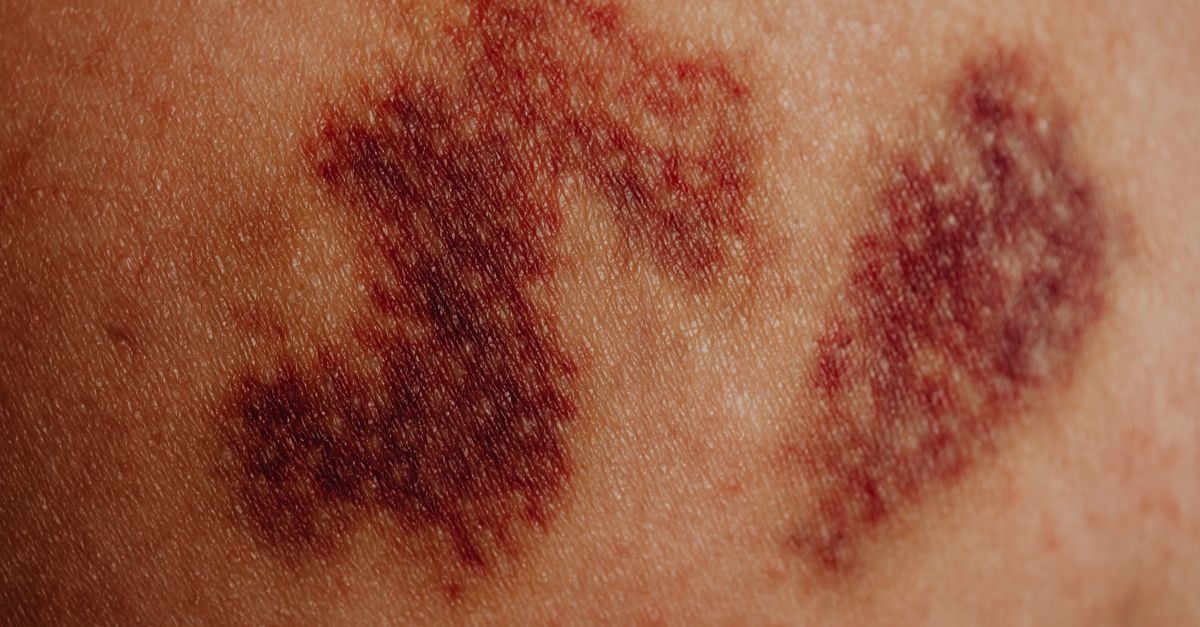
What Causes Itchy Skin with Fibroids?
Itchy skin with fibroids is primarily driven by estrogen dominance and the downstream histamine release it triggers — not a coincidence or an unrelated skin condition. The main caveat: severity depends on how well your liver is clearing excess estrogen, and women with already-compromised detox capacity tend to experience it most acutely. Women with normal liver function and progesterone levels in range may have fibroids and never itch at all.
Why Fibroids and Estrogen Dominance Go Hand in Hand
Uterine fibroids are estrogen-sensitive tumors. Research consistently shows that fibroid tissue expresses significantly more estrogen receptors (ERα) than adjacent healthy myometrium, meaning fibroids both respond to and amplify the effects of circulating estrogen (Bulun et al., Seminars in Reproductive Medicine 2013; PMID: 23934690). This creates a feedback loop: the more fibroid tissue present, the more sensitized the hormonal environment becomes.
Estrogen dominance — where estrogen is elevated relative to progesterone — is not just a reproductive concern. Estrogen is a potent mast cell activator. Mast cells are the immune cells responsible for releasing histamine, the same compound that causes hives, flushing, and generalized itching. Several studies have confirmed that estradiol directly upregulates mast cell degranulation, particularly in skin tissue (Zierau et al., Molecular and Cellular Endocrinology 2012; PMID: 22101209). This is why itchy skin is not a mysterious outlier symptom — it is a predictable downstream consequence of the same hormonal imbalance that feeds fibroids in the first place.
The histamine-estrogen relationship also runs in the other direction. Histamine itself stimulates the ovaries to produce more estrogen via H1 and H2 receptors, creating a reinforcing cycle. Mast cells also express progesterone receptors, and low progesterone — which is common in fibroid-dominant hormonal environments — reduces the natural braking signal on mast cell activity. The result is a system that is primed to over-release histamine with minimal stimulus: heat, sweat, pressure, or even emotional stress.
This connection between hormonal fluctuation and skin symptoms is well-documented in other estrogen-driven conditions. Women with PMDD, for example, commonly report similar skin reactivity in the luteal phase — a pattern examined in detail in our article on what causes itchy skin with PMDD. The shared mechanism is estrogen-to-histamine signaling, not a skin disorder per se.
Why Your Liver Is the Overlooked Variable
Estrogen is metabolized primarily in the liver through a two-phase detoxification process. In Phase I, cytochrome P450 enzymes (particularly CYP1A2 and CYP1B1) convert estradiol into intermediate metabolites — some protective (2-hydroxyestrone), some potentially harmful (4-hydroxyestrone and 16α-hydroxyestrone). In Phase II, these metabolites are conjugated — primarily through glucuronidation and sulfation — and packaged for elimination via bile and urine.
When Phase II is sluggish, unconjugated estrogen metabolites are reabsorbed from the gut via the enterohepatic circulation. This raises the total estrogen load circulating in blood, even in women who are not producing unusually high amounts. The enzyme beta-glucuronidase, produced by certain gut bacteria, is particularly responsible for de-conjugating estrogen in the colon and recycling it back into the bloodstream (Kwa et al., The Oncologist 2016; PMID: 27368885).
The practical implication: two women with identical fibroid burden and identical estradiol production can have very different systemic estrogen exposure based purely on gut microbiome composition and liver detox efficiency. The woman with high beta-glucuronidase activity and sluggish methylation will accumulate more estrogen, trigger more mast cell activity, and experience more itching.
Biomarkers worth checking if you have fibroids and unexplained itchy skin:
| Biomarker | What It Tells You | Optimal Range |
|---|---|---|
| Estradiol (E2) | Total estrogen burden | 30–150 pg/mL follicular phase |
| Progesterone | Estrogen-to-progesterone ratio | >5 ng/mL mid-luteal |
| SHBG | Free estrogen availability | 40–120 nmol/L |
| ALT / AST | Liver processing capacity | <25 U/L optimal |
| Histamine (plasma) | Direct mast cell output | <1 ng/mL |
| Diamine oxidase (DAO) | Histamine clearance enzyme | >10 HDU/mL |
| Estrogen metabolites (DUTCH test) | 2:16 OH ratio, methylation | 2-OHE1 > 4-OHE1 preferred |
If your DAO activity is low and your 16α-hydroxyestrone is elevated on a DUTCH panel, you have a biochemical explanation for the itch that has nothing to do with dry skin or dermatitis.
How Stress Makes the Itch Worse — and Why That's Not in Your Head
Stress is one of the most consistent aggravating factors women report for fibroid-related symptoms, including skin reactions. This is mechanistically grounded. Cortisol and corticotropin-releasing hormone (CRH) are both direct mast cell activators — CRH in particular triggers mast cell degranulation in skin through a non-IgE pathway, meaning it bypasses the usual allergic mechanism entirely (Theoharides et al., Journal of Investigative Dermatology 2012; PMID: 22189789). This means that even without a new allergen, a stress event alone can produce itching, flushing, or hives in someone whose mast cells are already primed by estrogen dominance.
The HPA axis (the stress-response system) and the HPG axis (the reproductive hormone system) share upstream regulatory signals. Chronic elevated cortisol suppresses the production of progesterone — because both are synthesized from the same precursor, pregnenolone, and cortisol demand gets prioritized under stress. Less progesterone means less mast cell inhibition, which means more histamine, which means more itching.
This is not purely psychological. It is a measurable hormonal competition. If you notice that fibroid symptoms including itchiness reliably worsen during periods of high workload, poor sleep, or emotional strain, cortisol-driven progesterone steal is a plausible contributing mechanism — not simply anxiety about having fibroids. The overlap between hormonal conditions and sleep disruption is explored further in our piece on what causes insomnia with PMDD, which covers the same HPA-HPG interaction.
For women with PCOS — another estrogen-and-androgen-driven condition — the mast cell and stress-histamine connection appears similarly. The shared skin symptom patterns are covered in our article on what causes itchy skin in PCOS.
Pterostilbene for Skin: Antioxidant Defense Against Estrogen-Driven Inflammation
Pterostilbene is a stilbene compound structurally related to resveratrol but with significantly higher bioavailability — roughly 80% oral bioavailability compared to resveratrol's ~20%, due to two methoxy groups that reduce first-pass metabolism. In the context of fibroid-related itchy skin, pterostilbene is relevant through two mechanisms: it modulates CYP1B1 enzyme activity (nudging estrogen metabolism away from the harmful 4-OH pathway) and it suppresses NF-κB-driven inflammatory signaling in skin keratinocytes.
In a randomized controlled trial in adults, pterostilbene at 50–100 mg/day over 6–8 weeks produced measurable reductions in inflammatory markers including CRP and oxidative stress indices (Azzini et al., Oxidative Medicine and Cellular Longevity 2014; PMID: 24963373). While this trial was not fibroid-specific, the anti-inflammatory mechanism is directly relevant to histamine-driven skin reactivity: by reducing the baseline inflammatory tone in skin tissue, pterostilbene lowers the threshold at which histamine produces visible itching.
Pterostilbene has also demonstrated activity as a weak phytoestrogen that can competitively bind estrogen receptors without fully activating them — a partial agonist/antagonist effect that may reduce the net estrogenic stimulus reaching mast cells. This is speculative at the fibroid-specific level, but the receptor binding data is well-characterized in cell studies (McCormack & McFadden, Journal of Nutrition 2013).
Dosing guidance: 50 mg twice daily with food appears to be the most commonly used clinical dose. Taking it with fat improves absorption given its lipophilic structure.
Astaxanthin for Skin: Targeting the Oxidative Load That Amplifies Histamine Release
Astaxanthin is a carotenoid produced by the microalgae Haematococcus pluvialis. Unlike beta-carotene, it does not convert to retinol and carries no toxicity risk at supplemental doses. Its relevance to fibroid-associated itchy skin is through its exceptional antioxidant potency — astaxanthin quenches singlet oxygen approximately 6,000 times more effectively than vitamin C — and its specific ability to reduce oxidative stress in skin cells exposed to inflammatory triggers.
In a double-blind RCT of 30 women, astaxanthin supplementation at 4 mg/day for 6 weeks significantly improved skin moisture, elasticity, and barrier integrity while reducing markers of UV-induced oxidative damage (Tominaga et al., Acta Biochimica Polonica 2012; PMID: 22428137). Skin barrier disruption is particularly relevant in fibroid-associated itching because a compromised barrier lowers the threshold for mast cell activation at the skin surface — minor irritants that a healthy barrier would block now penetrate far enough to trigger an immune response.
Astaxanthin also demonstrates a meaningful anti-histamine effect: it inhibits histamine release from mast cells in vitro by stabilizing the mast cell membrane and reducing intracellular calcium signaling. In animal studies, oral astaxanthin has significantly reduced scratching behavior in histamine-induced pruritus models, though direct human RCT data on this specific endpoint remains limited.
Additionally, astaxanthin modestly inhibits CYP1B1 — the same enzyme pterostilbene targets — further shifting estrogen metabolism toward the less reactive 2-OH pathway. This positions astaxanthin and pterostilbene as complementary rather than redundant in a fibroid skin protocol.
Practical dose: 4–12 mg/day of natural astaxanthin (from H. pluvialis) with a fat-containing meal. Synthetic astaxanthin derived from petrochemicals has different stereoisomer ratios and is less bioavailable.
What This Means for Your Formula
Ones builds personalized supplement formulas by analyzing lab results, wearable data, and health history through its AI health practitioner — so a formula for someone with fibroid-pattern estrogen dominance and histamine reactivity will look different from a generic women's health stack.
For this specific presentation, three ingredients are particularly relevant:
Ones Histamine Support (proprietary blend): Ones' Histamine Support system blend is designed specifically to reduce mast cell-driven symptoms, including skin reactivity. It includes DAO-cofactor nutrients and compounds that stabilize mast cell membranes — directly targeting the estrogen-histamine signaling loop described above.
Ones Liver Support (proprietary blend): Given the central role of Phase II liver detoxification in clearing estrogen metabolites, Ones' Liver Support blend addresses the upstream cause of estrogen recycling. Ingredients in this blend support glucuronidation and sulfation pathways, which help reduce the reabsorption of unconjugated estrogen from the gut.
Vitamin D3 + K2 (MK-7): Vitamin D receptor activation has been shown to reduce uterine fibroid growth and modulate inflammatory cytokine production in fibroid tissue (Halder et al., Biology of Reproduction 2012; PMID: 22699491). Ones includes D3 + K2 in clinically meaningful doses — K2 as MK-7 ensures vascular safety at higher D3 intakes. If bloodwork shows D3 deficiency (25-OH-D below 30 ng/mL), this is one of the highest-leverage interventions for the hormonal-inflammatory profile underlying fibroid symptoms.
For itchy skin specifically, if pterostilbene or astaxanthin are identified as appropriate to your findings, Ones can incorporate them from its active ingredient catalog. The formula adapts to what your biomarkers show — not to a fixed template.
Women with postmenopausal fibroids or persistent skin symptoms after estrogen withdrawal may also want to review what causes itchy skin in postmenopause, as the mast cell mechanism shifts somewhat when estrogen is low rather than dominant.
Key Takeaways
- Itchy skin with fibroids is mechanistically explained by estrogen-driven mast cell activation and histamine release — it is not a skin disorder.
- Liver detox capacity and gut beta-glucuronidase activity determine how much estrogen recirculates, and therefore how severe the histamine response becomes.
- Stress amplifies the cycle directly: cortisol and CRH activate mast cells independently of estrogen, and elevated cortisol suppresses progesterone, reducing the natural brake on histamine release.
- Pterostilbene (50 mg twice daily) and astaxanthin (4–12 mg/day) target complementary pathways — estrogen metabolite routing and oxidative mast cell stabilization — making them rational additions to a fibroid skin protocol.
- Key biomarkers to investigate: estradiol, progesterone, SHBG, ALT/AST, plasma histamine, DAO activity, and DUTCH estrogen metabolites.
- A personalized formula that addresses Histamine Support, Liver Support, and Vitamin D3+K2 status covers the three most evidence-supported intervention points for this symptom cluster — consult a healthcare provider before beginning any protocol.