Women's Health
What Happens to CRP Levels with PCOS?
Most women with PCOS have CRP levels almost double those of healthy controls — and standard lab panels often miss it entirely. Understanding why CRP rises in PCOS, and which interventions actually move it, is one of the most clinically useful things you can do for long-term metabolic and hormonal health.
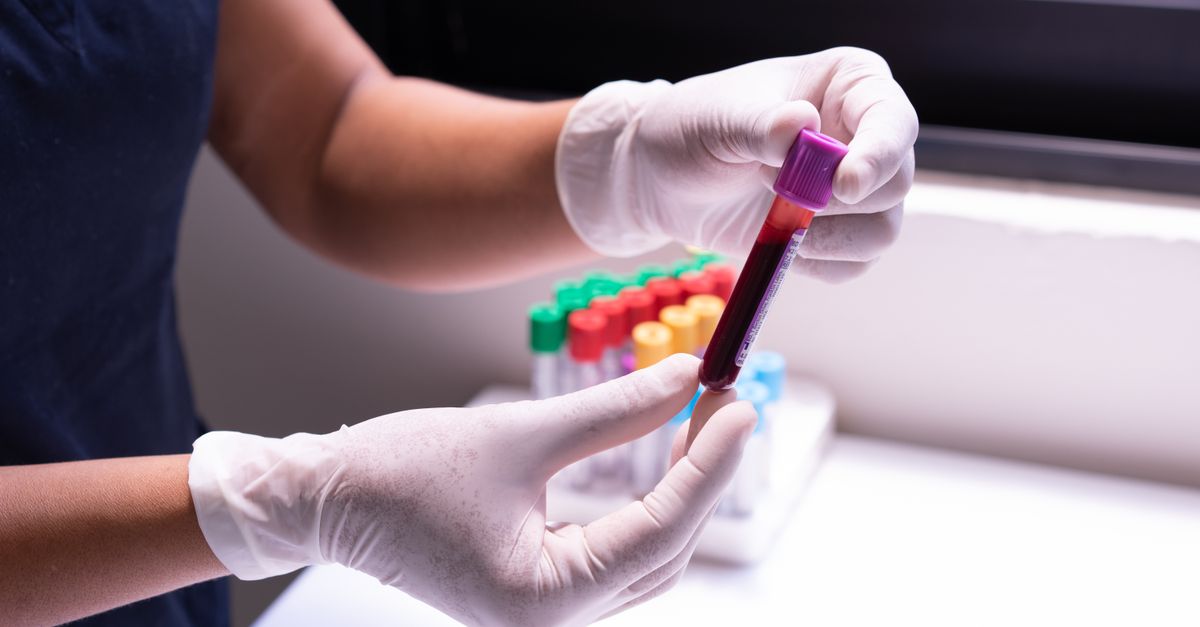
What Happens to CRP Levels with PCOS?
CRP is consistently elevated in women with PCOS compared to healthy controls — meta-analyses show levels roughly 96% higher on average, even after adjusting for BMI. The main caveat is that obesity amplifies this further, so a lean woman with PCOS may still show only mildly elevated CRP. The exception: women with PCOS who have well-controlled insulin and maintain anti-inflammatory diets can normalize CRP without medication.
---
What Is CRP and Why Does It Matter in PCOS?
C-reactive protein (CRP) is a protein produced by the liver in response to inflammation. It rises within hours of an inflammatory signal and falls quickly when that signal resolves. In most standard lab panels, you'll see a "CRP" result; a more sensitive version called high-sensitivity CRP (hs-CRP) catches lower-grade, chronic inflammation that standard CRP misses.
For cardiovascular and metabolic risk assessment, hs-CRP is the preferred marker:
| hs-CRP Level | Classification | Clinical Implication |
|---|---|---|
| < 1.0 mg/L | Low risk | Minimal chronic inflammation |
| 1.0 – 3.0 mg/L | Moderate risk | Warrants lifestyle attention |
| > 3.0 mg/L | High risk | Associated with metabolic disease |
| > 10 mg/L | Likely acute infection | Repeat after illness resolves |
In polycystic ovary syndrome (PCOS), hs-CRP frequently sits in the moderate-to-high range even in the absence of obvious infection or injury. This is because PCOS is fundamentally associated with chronic, low-grade systemic inflammation — not the kind that makes you feel acutely sick, but the kind that quietly disrupts hormone signaling, glucose metabolism, and ovarian function over years.
It is worth noting that because standard CRP assays typically have a detection limit of 3–5 mg/L, many women with PCOS who have hs-CRP in the 1.5–2.8 mg/L range will receive a falsely reassuring "normal" CRP result on a routine panel. Requesting hs-CRP specifically — or understanding why a normal CRP can coexist with feeling awful — is therefore an important step for anyone managing PCOS-related inflammation.
---
How Much Does CRP Rise in PCOS?
The evidence here is remarkably consistent. A 2011 meta-analysis of 23 studies found that women with PCOS had CRP levels approximately 96% higher than age-matched controls (Escobar-Morreale et al., Journal of Clinical Endocrinology & Metabolism 2011; PMID: 21289249). This held true even when studies accounted for BMI, meaning excess fat mass alone doesn't explain the entire elevation.
A later systematic review confirmed that hs-CRP is elevated across all PCOS phenotypes — not just the classic phenotype with hyperandrogenism, oligo-ovulation, and polycystic ovaries, but also the milder phenotypes that lack one of those three features (Repaci et al., Human Reproduction Update 2011; PMID: 20943968).
Why does this matter clinically? Because elevated CRP in PCOS:
- Correlates with higher fasting insulin and HOMA-IR scores
- Tracks with testosterone and androstenedione levels
- Predicts a worse response to ovulation induction
- Is independently associated with cardiovascular risk factors including dyslipidemia
In other words, CRP in PCOS isn't just a bystander — it is mechanistically tied to the same pathways driving the condition's worst downstream effects.
One nuance worth understanding: the magnitude of CRP elevation varies considerably by PCOS phenotype. Women with the full classic phenotype (all three Rotterdam criteria) tend to show the highest hs-CRP values, while women who meet only two criteria — for example, hyperandrogenism plus polycystic ovarian morphology without menstrual irregularity — may have more modest elevations. This phenotype-dependent gradient partly explains why population studies show wide CRP ranges in PCOS and why a single "PCOS" label can encompass very different inflammatory burdens.
---
What Drives Elevated CRP in PCOS?
Understanding why CRP is elevated helps explain why lowering it requires more than one intervention.
1. Insulin Resistance
Insulin resistance is present in 65–80% of women with PCOS regardless of weight. Hyperinsulinemia directly stimulates inflammatory cytokines — especially IL-6 and TNF-α — which are primary drivers of hepatic CRP synthesis. Women with PCOS who have higher fasting insulin levels consistently show higher CRP, and interventions that reduce insulin resistance (metformin, inositol, dietary changes) also reduce CRP.
The mechanistic pathway is worth spelling out: elevated insulin upregulates NF-κB in adipose and hepatic tissue, which transcriptionally activates IL-6 gene expression. IL-6 then signals to hepatocytes via JAK-STAT3 signaling to increase CRP synthesis. This means that anything that lowers fasting insulin — even modestly — can reduce CRP through this chain, which is why dietary glycemic load is such a powerful lever.
2. Androgen Excess
Testosterone and androstenedione have pro-inflammatory effects on adipose tissue and the vasculature. Studies show that free testosterone levels in PCOS correlate positively with hs-CRP, and androgen-lowering treatments partially normalize inflammatory markers. You can read more about how free testosterone behaves in PCOS and why this matters for systemic inflammation.
3. Adipose Tissue Dysfunction
Even in lean women with PCOS, adipose tissue tends to be metabolically dysfunctional — producing more inflammatory adipokines and fewer anti-inflammatory signals like adiponectin. This contributes to CRP elevation independent of total fat mass. Adiponectin is particularly relevant: in healthy women, adiponectin exerts direct hepatic anti-inflammatory effects by suppressing IL-6 and TNF-α signaling. In PCOS, adiponectin is suppressed even in normal-weight women, removing this natural brake on CRP production.
4. Gut Dysbiosis
Emerging research suggests that altered gut microbiome composition in PCOS increases intestinal permeability, allowing bacterial lipopolysaccharides (LPS) to enter the circulation and trigger systemic inflammation — a mechanism sometimes called "metabolic endotoxemia." This is one reason gastrointestinal symptoms, including nausea and bloating, are common in PCOS and may cluster with inflammatory lab findings. Studies show that Lactobacillus and Bifidobacterium species are often depleted in PCOS, correlating with higher circulating LPS and higher hs-CRP (Qi et al., Journal of Clinical Endocrinology & Metabolism 2019; PMID: 30289533).
5. HPA Axis and Cortisol Dysregulation
Chronic stress and HPA axis irregularities — covered in depth in our article on adrenal support and HPA axis dysfunction — contribute to both inflammatory tone and insulin resistance in PCOS. Cortisol excess can increase CRP, and cortisol insufficiency (as seen in HPA suppression states) paradoxically allows unregulated immune activity that also raises inflammatory markers. The practical implication is that two women with PCOS and similar androgen and insulin profiles can have very different CRP readings based largely on their stress physiology and sleep quality.
---
Does PCOS Cause Inflammation, or Does Inflammation Cause PCOS?
This is one of the more contested questions in reproductive endocrinology. The current evidence suggests it is bidirectional:
- Inflammatory cytokines impair follicle development and ovulation, potentially causing or worsening anovulation
- Hyperandrogenism promotes inflammation
- Insulin resistance amplifies both
A landmark study using in-vitro models showed that glucose-stimulated oxidative stress in granulosa cells directly amplifies inflammatory signaling inside the follicle — suggesting that even local ovarian inflammation is partly driven by metabolic factors (González et al., Journal of Clinical Endocrinology & Metabolism 2012; PMID: 22031519).
This bidirectional relationship explains why treating PCOS purely as a hormone disorder (with oral contraceptives, for example) can suppress androgen levels and regulate cycles without necessarily resolving the underlying inflammatory state — which means CRP may remain elevated even when menstrual regularity improves. For women who are trying to conceive, this distinction matters: CRP elevation predicts worse outcomes with ovulation induction even when cycle regularity has been partially restored pharmacologically.
---
CRP and Other Inflammatory Markers in PCOS: A Broader Picture
CRP is the most commonly measured inflammatory marker, but it reflects a larger cascade. In PCOS, the following are also frequently elevated:
| Marker | Typical finding in PCOS | Clinical relevance |
|---|---|---|
| IL-6 | Elevated | Primary stimulus for hepatic CRP production |
| TNF-α | Elevated | Promotes insulin resistance |
| Homocysteine | Elevated in some phenotypes | Vascular inflammation marker |
| Fibrinogen | Mildly elevated | Coagulation and cardiovascular risk |
| Adiponectin | Reduced | Loss of anti-inflammatory signal |
Tracking hs-CRP over time is practical and inexpensive — making it a useful monitoring tool when you're making lifestyle or supplement interventions for PCOS. A downward trend in hs-CRP (even without reaching < 1.0 mg/L) is a meaningful signal that your interventions are working. A reasonable monitoring interval is every 8–12 weeks when actively trialing a new intervention, since most dietary and supplement-based changes produce measurable hs-CRP shifts within that window.
---
Can You Lower CRP with PCOS?
Yes, and multiple interventions have evidence behind them.
Diet
A low-glycemic, anti-inflammatory diet consistently lowers CRP in PCOS. A randomized controlled trial found that a low-glycemic index diet reduced hs-CRP significantly compared to a conventional healthy diet over 12 months in women with PCOS (Marsh et al., American Journal of Clinical Nutrition 2010; PMID: 20130071). The mechanism involves reducing post-meal glucose spikes that trigger IL-6 release. In practical terms, this means prioritizing non-starchy vegetables, legumes, and whole grains over refined carbohydrates, and eating carbohydrates paired with protein or fat to blunt glycemic excursions. Even a 20–30% reduction in dietary glycemic load has been associated with measurable hs-CRP improvements in metabolic syndrome populations.
Omega-3 Fatty Acids
Omega-3 supplementation — particularly EPA and DHA — has anti-inflammatory effects mediated through prostaglandin and resolvin pathways. In PCOS specifically, EPA/DHA supplementation has been shown to reduce CRP, triglycerides, and testosterone. A detailed look at how omega-3 helps with PCOS covers the dose-response evidence in more detail. A meta-analysis of omega-3 supplementation in PCOS found significant reductions in hs-CRP with doses of 2–4g/day EPA+DHA combined, with EPA appearing to contribute more to the anti-inflammatory effect than DHA at equivalent doses.
Zinc
Zinc has multiple anti-inflammatory mechanisms, including inhibition of NF-κB signaling. Clinical trials in PCOS show that zinc supplementation at 50 mg/day for 8 weeks reduced CRP and improved metabolic markers (Jamilian et al., Journal of Trace Elements in Medicine and Biology 2016; PMID: 27049134). Zinc's role in PCOS extends to androgen metabolism and insulin signaling, making it one of the more broadly useful supplements in this condition. The NF-κB inhibition mechanism is particularly relevant here because NF-κB is the same transcription factor that hyperinsulinemia activates to drive IL-6 and CRP — meaning zinc works on the same pathway from a different entry point.
Exercise
Moderate-intensity aerobic exercise reduces CRP in PCOS through multiple pathways — improving insulin sensitivity, reducing visceral adiposity, and directly downregulating inflammatory cytokines. Even 150 minutes per week of moderate exercise produces measurable anti-inflammatory effects. Resistance training adds a complementary benefit by improving skeletal muscle glucose uptake, which reduces the post-meal insulin spikes that sustain NF-κB activation.
Inositol (Myo-Inositol and D-Chiro-Inositol)
Inositol improves insulin signaling and has downstream effects on CRP. Several small trials show that myo-inositol supplementation reduces hs-CRP alongside improvements in insulin resistance and androgen levels. The standard evidence-based ratio is 40:1 myo-inositol to D-chiro-inositol, typically at 2g myo-inositol twice daily. This dose range is generally considered safe for long-term use and has a particularly favorable effect in women whose PCOS is driven more by insulin resistance than by adrenal androgen excess.
A Practical Monitoring Protocol
If you're actively working to reduce CRP with PCOS, a reasonable step-by-step approach looks like this:
- Request hs-CRP specifically (not standard CRP) at baseline — ideally alongside fasting insulin and a fasting lipid panel to capture the full metabolic picture alongside fasting glucose markers.
- Establish your primary driver — insulin resistance, androgen excess, stress physiology, or gut dysbiosis — since the most effective interventions differ.
- Start with dietary glycemic load reduction for 6–8 weeks before adding supplements, to isolate effects.
- Add targeted supplementation (omega-3, zinc, or inositol) based on your biomarker pattern.
- Retest hs-CRP at 8–12 weeks and adjust. A drop of ≥ 0.5 mg/L is generally considered clinically meaningful.
- Reassess exercise volume if hs-CRP remains above 2.0 mg/L after dietary and supplement changes — exercise has additive anti-inflammatory effects that do not fully overlap with dietary intervention.
---
What This Means for Your Formula
For women with PCOS and elevated CRP, a personalized supplement formula should address inflammation at multiple levels — not just add one anti-inflammatory ingredient.
Ones analyzes biomarker data including inflammatory markers, lipid panels, and hormonal context to build formulas that target the specific drivers of CRP elevation, rather than applying a generic PCOS protocol.
Three Ones ingredients that are directly relevant for PCOS-related CRP elevation:
1. Omega-3 (EPA/DHA) — Ones includes pharmaceutical-grade omega-3s with clinically relevant EPA and DHA ratios. EPA is particularly important for CRP reduction, with effect sizes meaningful at intakes above 2g/day combined EPA+DHA. The anti-inflammatory benefit in PCOS is supported by multiple randomized trials showing reduced hs-CRP, triglycerides, and testosterone simultaneously. Because Ones builds formulas from individual lab data, the omega-3 dose is calibrated against your lipid panel and inflammatory marker readings rather than a fixed population average.
2. Zinc (as zinc bisglycinate) — Ones uses highly bioavailable zinc forms dosed in the 25–50mg range, consistent with the doses used in PCOS trials showing CRP reduction (Jamilian et al. 2016; PMID: 27049134). Zinc's NF-κB inhibition and its role in reducing androgen-driven inflammation make it particularly relevant for classic PCOS phenotypes where both CRP and free testosterone are elevated.
3. Adrenal Support System Blend — For women whose CRP elevation is compounded by chronic stress and HPA axis irregularity, Ones' Adrenal Support blend addresses the cortisol-inflammation connection, helping regulate the upstream hormonal environment that sustains low-grade inflammatory tone. This is especially relevant given that stress dysregulation can produce CRP elevation independent of insulin resistance or androgen excess — making it the primary lever for a subset of women with PCOS who have normal insulin and borderline androgens but persistently elevated hs-CRP.
Because Ones formulas are built from individual lab results and health history, women with PCOS who present with elevated CRP, elevated androgens, and insulin resistance will receive a different formula architecture than those whose CRP is driven primarily by stress physiology — even if both have a PCOS diagnosis.
---
Key Takeaways
- CRP is elevated in most women with PCOS — meta-analyses show levels approximately 96% higher than matched controls, even after adjusting for BMI.
- Multiple mechanisms drive this elevation: insulin resistance, androgen excess, adipose tissue dysfunction, gut dysbiosis, and HPA axis dysregulation all contribute, and their relative importance varies between individuals.
- hs-CRP is the preferred marker for detecting this low-grade chronic inflammation — standard CRP often misses elevations in the 1–3 mg/L range that are still clinically significant.
- CRP correlates with PCOS severity: higher hs-CRP tracks with worse insulin resistance, higher androgens, and poorer fertility outcomes, and varies by Rotterdam phenotype.
- It can be lowered: low-glycemic diets, omega-3 supplementation at 2–4g/day EPA+DHA, zinc at 25–50mg/day, and 150+ minutes/week of moderate exercise all have RCT-level evidence for reducing CRP in PCOS specifically.
- Personalized approaches outperform generic ones — the dominant driver of CRP elevation varies between women with PCOS, so effective interventions should be matched to each person's biomarker pattern, not applied uniformly.
---
Always consult a qualified healthcare provider before making changes to your supplement regimen, particularly if you have active medical conditions or are taking prescription medications.