Women's Health
What Happens to DHEA-S Levels with PCOS?
Elevated DHEA-S is one of the most common — and most overlooked — hormonal findings in PCOS, showing up in up to 65% of diagnosed women. Yet many practitioners treat it as a footnote rather than a root cause worth addressing. Understanding what DHEA-S is doing in PCOS can change how you approach your symptoms entirely.
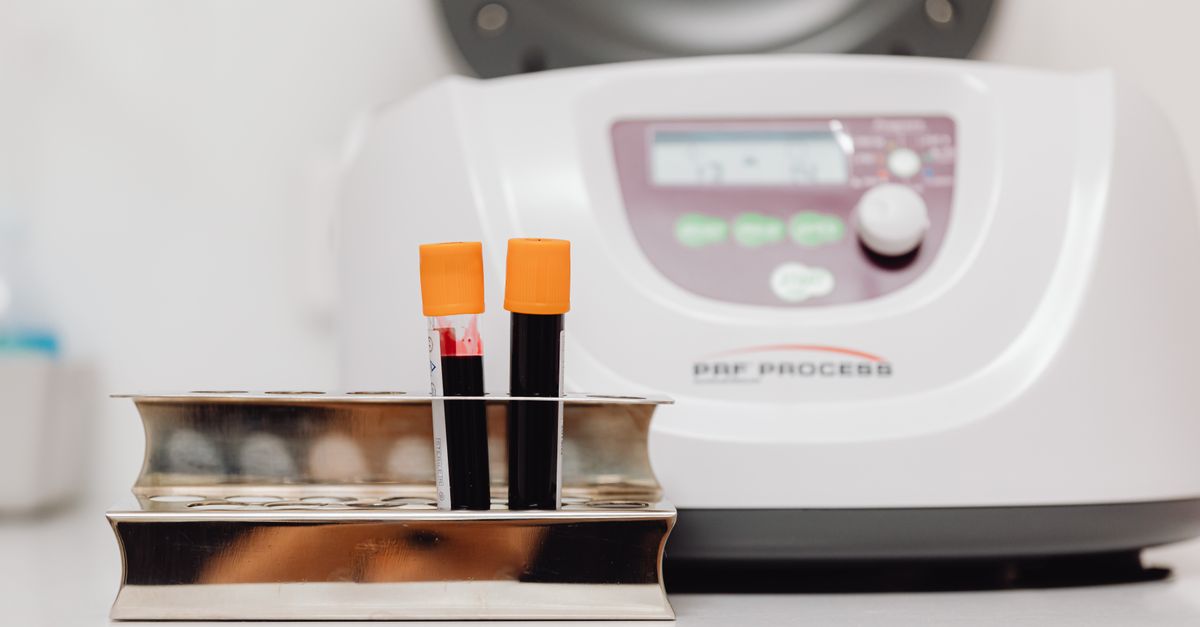
What Happens to DHEA-S Levels with PCOS?
In most women with PCOS, DHEA-S is elevated — often significantly. Studies estimate that between 25% and 65% of women with PCOS have high DHEA-S, driven by excess androgen production from the adrenal glands rather than (or in addition to) the ovaries. The key caveat: not every PCOS case involves adrenal hyperandrogenism, and treating DHEA-S as the problem without identifying its source can lead to incomplete management.
---
What Is DHEA-S and Why Does It Matter in PCOS?
Dehydroepiandrosterone sulfate (DHEA-S) is a steroid hormone produced almost exclusively by the adrenal cortex. It serves as a precursor to both androgens (testosterone, DHT) and estrogens, making it a critical upstream player in hormonal balance. Unlike DHEA itself, DHEA-S has a long half-life of 7–10 hours and is highly stable in the bloodstream, which is why it's the preferred marker for assessing adrenal androgen output.
In polycystic ovary syndrome (PCOS), androgens are overproduced — but the source matters. Ovarian androgens (mostly testosterone and androstenedione) come from the theca cells stimulated by LH. Adrenal androgens, primarily DHEA-S, come from a separate pathway stimulated by ACTH. Many women with PCOS have both pathways overactive simultaneously, while others show primarily adrenal-driven hyperandrogenism with relatively normal LH/FSH dynamics.
This distinction is clinically meaningful. If DHEA-S is elevated while testosterone is borderline-normal, the picture looks more like adrenal PCOS — a recognized subtype that may require a different intervention strategy than classic ovarian-driven PCOS. For a fuller picture of how LH and FSH levels shift with PCOS, it helps to look at all the androgen-related markers together.
---
Optimal DHEA-S Range: What the Labs Won't Tell You
Standard reference ranges for DHEA-S vary widely by lab and age group, and the "normal" window is often so broad it's almost meaningless. For adult women of reproductive age, most labs flag values above 350–430 µg/dL as elevated. But optimal ranges — the levels associated with the best hormonal and metabolic outcomes — are considerably narrower.
| Age Group | Conventional Lab Range (µg/dL) | Functional Optimal Range (µg/dL) |
|---|---|---|
| 18–29 | 44–332 | 120–250 |
| 30–39 | 31–228 | 100–200 |
| 40–49 | 18–244 | 80–190 |
The gap between "in range" and "optimal" is exactly why standard lab reference ranges don't tell the whole story. A woman with a DHEA-S of 310 µg/dL at age 24 might be flagged as normal on a standard report, yet still experience significant androgenic symptoms if that level is high for her individual baseline.
In PCOS populations specifically, research published in the Journal of Clinical Endocrinology & Metabolism found that DHEA-S levels correlated with both insulin resistance severity and free testosterone levels, suggesting that even high-normal DHEA-S warrants attention in this population (Azziz et al., JCEM 2006; PMID: 16684820).
---
Symptoms of High DHEA-S in PCOS
Elevated DHEA-S doesn't present with a single signature symptom — it contributes to the broader androgenic burden in PCOS. When DHEA-S is the primary driver, however, certain patterns tend to be more pronounced:
- Acne — particularly along the jawline, back, and chest, driven by DHEA-S conversion to DHT
- Hirsutism — excess facial and body hair, often more severe when adrenal androgens are elevated
- Hair thinning or female-pattern hair loss — again via DHT at the hair follicle
- Irregular cycles — though this overlaps with ovarian dysfunction
- Fatigue and mood changes — adrenal dysregulation can disrupt the HPA axis more broadly
- Oily skin — a direct effect of elevated androgens on sebaceous glands
It's worth noting that high DHEA-S doesn't always cause obvious symptoms on its own. In some women it's found incidentally on labs without prominent androgenic features — which is part of why PCOS remains underdiagnosed and mischaracterized. If you're also noticing symptoms of elevated prolactin alongside PCOS, the hormonal picture becomes even more complex and usually benefits from a full panel review.
Chronic low-grade inflammation is another key contributor. Research has shown that inflammatory cytokines stimulate adrenal androgen production, creating a feedback loop where elevated CRP and hs-CRP further drive DHEA-S output (González et al., Fertility and Sterility 2012; PMID: 22704785). This is why understanding what happens to CRP in PCOS is relevant to the DHEA-S picture — they're not independent problems.
---
Why DHEA-S Rises in PCOS: The Mechanisms
Several overlapping mechanisms drive elevated DHEA-S in PCOS:
1. Insulin Resistance and Hyperinsulinemia
Insulin has direct stimulatory effects on the adrenal zona reticularis, the layer responsible for DHEA-S production. As insulin resistance worsens, compensatory hyperinsulinemia amplifies adrenal androgen output. Studies have demonstrated that interventions reducing insulin — whether dietary, pharmacological (metformin), or via inositol supplementation — can measurably lower DHEA-S within weeks (Nestler et al., NEJM 1998; PMID: 9448510).
2. HPA Axis Dysregulation
Women with PCOS frequently show altered cortisol metabolism and exaggerated ACTH responses, which directly stimulate adrenal androgen secretion. This isn't pure stress — it reflects a dysregulated hypothalamic-pituitary-adrenal axis that is now considered a core feature in a subset of PCOS presentations.
3. Inflammation-Driven Adrenal Stimulation
Systemic inflammation — common in PCOS — stimulates the adrenal glands through proinflammatory cytokines like IL-6 and TNF-α. This creates a vicious cycle: insulin resistance promotes inflammation, inflammation stimulates DHEA-S, elevated DHEA-S converts to androgens, and androgens worsen insulin sensitivity.
4. Genetic and Enzymatic Factors
Some women carry variants in the CYP11A1 or CYP17A1 genes that increase adrenal androgen synthesis independent of downstream hormonal signals. This partly explains why DHEA-S can be elevated even in lean women with PCOS who don't have obvious insulin resistance.
For a closer look at how fasting insulin itself is affected by PCOS, the article on what happens to fasting insulin with PCOS provides useful context on the insulin-androgen axis.
---
Supplements to Lower DHEA-S in PCOS
Reducing DHEA-S through supplementation is not about suppressing it — it's about addressing the upstream drivers that are pushing it out of optimal range. Here are the interventions with the most clinical support:
Inositol (Myo-Inositol + D-Chiro-Inositol)
Myo-inositol is a second messenger in insulin signaling. Combined with d-chiro-inositol at a 40:1 ratio, it has been shown to reduce DHEA-S, improve ovarian function, and lower free testosterone. A 2017 randomized controlled trial in Gynecological Endocrinology found that 4g/day of myo-inositol over 24 weeks significantly reduced DHEA-S in women with PCOS alongside improvements in insulin sensitivity (Nordio & Proietti, Gynecological Endocrinology 2012; PMID: 22296306).
Ashwagandha (KSM-66)
Ashwagandha modulates cortisol and HPA axis reactivity, which indirectly reduces adrenal androgen output. By normalizing ACTH signaling, it may help dampen the adrenal overdrive that pushes DHEA-S upward. A double-blind RCT in Medicine found KSM-66 at 300mg twice daily reduced serum cortisol by 27.9% (Chandrasekhar et al., Indian Journal of Psychological Medicine 2012; PMID: 23439798).
Omega-3 Fatty Acids (EPA/DHA)
Omega-3s reduce systemic inflammation, which in turn reduces the inflammatory signaling that stimulates adrenal androgen production. A meta-analysis found that omega-3 supplementation in PCOS significantly reduced total testosterone and improved lipid profiles, effects likely mediated partly through DHEA-S pathways (Khani et al., Journal of Endocrinological Investigation 2017; PMID: 28083744).
Vitamin D3
Vitamin D deficiency is extremely common in PCOS and correlates with higher androgen levels, including DHEA-S. Repletion with D3 has shown modest but consistent reductions in androgens in several trials. The mechanism likely involves improved insulin sensitivity and direct effects on steroidogenesis.
Zinc
Zinc inhibits 5-alpha-reductase, the enzyme that converts DHEA to more potent androgens like DHT. This doesn't lower DHEA-S directly but reduces the androgenic impact of elevated DHEA-S at the tissue level. Zinc also has anti-inflammatory and insulin-sensitizing properties relevant to adrenal androgen control.
---
Supplements for DHEA-S Balance: What to Avoid
One critical point: DHEA supplements sold over the counter are marketed as anti-aging agents and are sometimes used by women with low DHEA-S. In a woman with PCOS and already-elevated DHEA-S, supplemental DHEA would be counterproductive and potentially harmful. Always confirm your DHEA-S level before considering any DHEA-containing supplement.
Similarly, some adaptogen blends and adrenal "support" supplements contain DHEA precursors that could inadvertently raise adrenal androgen output. Reading ingredient labels carefully — or working with a platform that cross-references your labs before recommending ingredients — avoids this error.
---
What This Means for Your Formula
At Ones, the AI health practitioner cross-references your blood work (including DHEA-S, fasting insulin, and inflammatory markers like hs-CRP) with your symptom history before building a personalized capsule formula. Rather than defaulting to a generic women's health blend, the system identifies which driver — insulin resistance, HPA axis dysregulation, or inflammation — is most likely elevating your DHEA-S, and targets it directly.
For women with PCOS showing elevated DHEA-S alongside high cortisol or poor sleep, Ones includes KSM-66 Ashwagandha at 600mg — matching the dose used in the Chandrasekhar trial — as part of the Adrenal Support blend, which is included when HPA dysregulation is identified as a primary finding. For women where inflammation is the dominant driver, Omega-3 (EPA/DHA) at a clinically meaningful dose is prioritized, alongside Zinc at 25–30mg to blunt downstream 5-alpha-reductase activity.
This approach means the capsule budget (6 or 9 capsules per day, determined by the AI based on your findings) reflects your specific pattern rather than a one-size-fits-all PCOS formula.
---
Key Takeaways
- DHEA-S is elevated in up to 65% of women with PCOS, driven primarily by adrenal hyperandrogenism rather than ovarian dysfunction alone.
- Standard lab ranges are too broad to identify functionally elevated DHEA-S — optimal ranges in reproductive-age women are narrower and should be interpreted in context of symptoms and other androgens.
- Symptoms of high DHEA-S include acne, hirsutism, hair thinning, and oily skin — often more pronounced when adrenal rather than ovarian androgens are driving the picture.
- The main drivers are insulin resistance, HPA dysregulation, and chronic inflammation — all of which are addressable with targeted interventions.
- Myo-inositol, ashwagandha (KSM-66), omega-3s, vitamin D3, and zinc have the strongest evidence for reducing DHEA-S or blunting its androgenic downstream effects.
- Never supplement with DHEA if your DHEA-S is already high — confirm your levels first and address the upstream causes rather than the hormone itself.
---
This article is for informational purposes only and does not constitute medical advice. Consult a qualified healthcare provider before making changes to your supplement regimen or treatment plan.