Minerals
What Happens to Iron Levels with PCOS?
Iron imbalance is surprisingly common in PCOS, yet it cuts both ways — some women are iron-deficient due to heavy periods, while others accumulate excess iron linked to insulin resistance. Understanding which pattern applies to you is essential before taking any iron supplement.
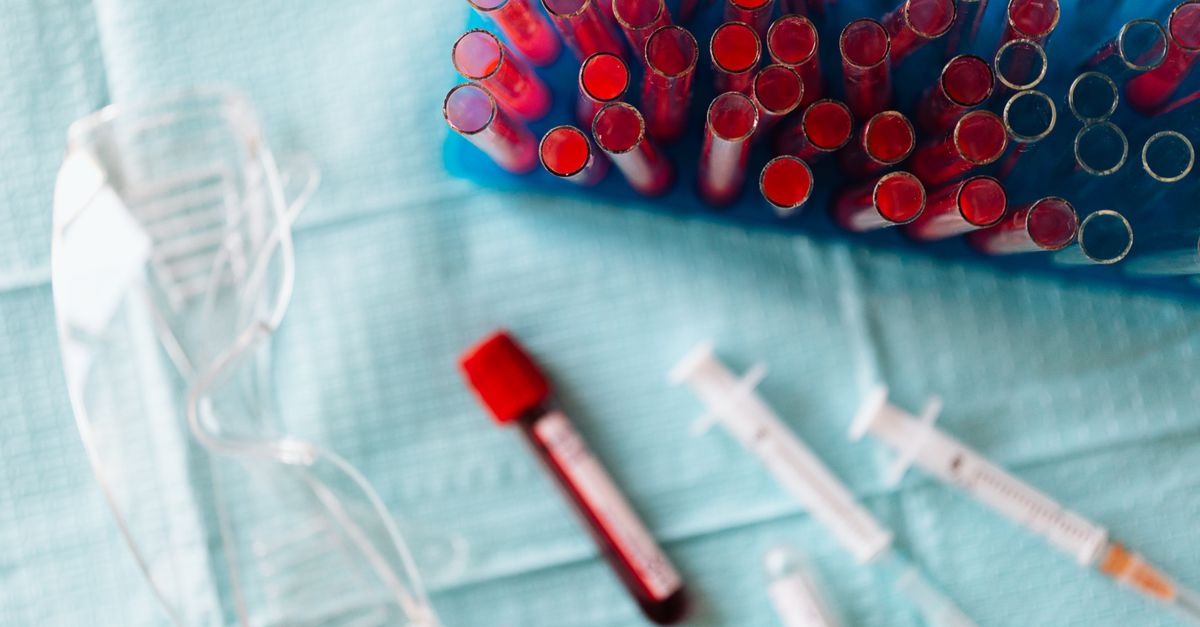
What Happens to Iron Levels with PCOS?
Iron in PCOS moves in two opposite directions depending on the individual: heavy, irregular periods drive deficiency in many women, while insulin resistance and low-grade chronic inflammation can push others toward iron accumulation — sometimes simultaneously. The critical caveat is that supplementing iron without knowing your current status can worsen the inflammatory pattern. Women with PCOS and confirmed iron deficiency are the ones who benefit most from targeted repletion.
---
Why PCOS Disrupts Iron Regulation
Polycystic ovary syndrome is not simply a reproductive disorder. It is a systemic metabolic condition characterized by hyperandrogenism, ovulatory dysfunction, insulin resistance, and chronic low-grade inflammation — all of which interact with iron metabolism in meaningful ways.
Iron homeostasis in the body is governed primarily by hepcidin, a liver-derived peptide hormone that blocks iron absorption from the gut and prevents iron release from storage cells. Hepcidin rises in response to two major stimuli: elevated iron stores and inflammation. Because PCOS is associated with elevated C-reactive protein (CRP) and other inflammatory markers, hepcidin can be chronically elevated in some women with the condition — causing a functional iron deficiency in which iron is trapped in storage and unavailable for red blood cell production, even when total body iron is adequate or high (Escobar-Morreale et al., European Journal of Endocrinology 2011; PMID: 21228101).
This explains the paradox that is now well-documented in the literature: a woman with PCOS can have normal or elevated serum ferritin — a traditional marker of iron stores — yet still experience fatigue, brain fog, and poor exercise tolerance consistent with functional iron deficiency, because inflammation artificially inflates ferritin readings. For more context on how inflammation markers behave in PCOS, see what happens to CRP levels with PCOS.
---
The Iron Deficiency Side: Heavy Bleeding and Low Ferritin
On the other end of the spectrum, many women with PCOS experience anovulatory cycles — periods that are infrequent but, when they do occur, can be heavy and prolonged. This menorrhagia is a primary driver of iron loss. Research published in Fertility and Sterility found that women with anovulatory PCOS who experience breakthrough bleeding episodes lose significantly more blood per cycle than ovulatory controls, increasing the risk of iron depletion over time (Palomba et al., Fertility and Sterility 2012; PMID: 22196965).
Iron-deficiency anemia presents classically with low hemoglobin and low ferritin, but subclinical iron depletion — often defined as ferritin below 30 ng/mL with normal hemoglobin — is far more common and frequently missed on routine panels. Symptoms at this stage include:
- Persistent fatigue not explained by sleep quality
- Cold hands and feet
- Hair shedding or reduced hair density
- Difficulty concentrating
- Restless legs at night
- Reduced aerobic exercise capacity
For a detailed look at what iron levels are actually expected in PCOS, what is a normal iron level in PCOS covers reference ranges and optimal targets in context.
---
The Iron Excess Side: Insulin Resistance and Hepatic Iron Accumulation
This is the less-discussed but equally important side of PCOS and iron. Several studies have demonstrated that women with PCOS — particularly those with insulin resistance and metabolic syndrome features — have higher serum ferritin levels compared to BMI-matched controls without PCOS (Lecube et al., Journal of Clinical Endocrinology & Metabolism 2006; PMID: 16720649).
The mechanistic link works in both directions. Elevated iron — particularly in the liver — impairs insulin signaling by generating reactive oxygen species (ROS) that damage insulin receptor substrate proteins. At the same time, hyperinsulinemia reduces hepcidin expression under certain metabolic conditions, potentially allowing excess dietary iron to accumulate. This bidirectional relationship between iron excess and insulin resistance creates a cycle that can worsen both conditions simultaneously.
Ferritin in this context is acting as an acute-phase reactant — elevated not because iron stores are genuinely high, but because chronic inflammation pushes hepatic ferritin synthesis upward. Distinguishing true iron overload from inflammatory ferritin elevation requires measuring transferrin saturation alongside ferritin: transferrin saturation above 45% with high ferritin suggests genuine iron excess, while high ferritin with normal or low transferrin saturation points to inflammation as the driver.
Because insulin resistance is so central to this pattern, understanding what happens to fasting insulin with PCOS provides important context for interpreting iron lab results in this population.
---
Hepcidin, Androgens, and Iron: A Three-Way Interaction
Testosterone and other androgens may directly influence iron metabolism. Animal studies and emerging human data suggest that androgens suppress hepcidin expression in the liver, which could allow more dietary iron to be absorbed from the gut — potentially contributing to the elevated ferritin seen in hyperandrogenic PCOS phenotypes. This would mean that the androgen excess characteristic of PCOS is not just a reproductive problem; it may be directly feeding iron accumulation in tissues.
A 2014 study in PLoS ONE found that women with the hyperandrogenic PCOS phenotype had significantly higher serum ferritin than women with the normoandrogenic PCOS phenotype and healthy controls, even after controlling for BMI and inflammatory markers — supporting a direct androgen-iron axis (Sam et al., PLoS ONE 2014; PMID: 25222496).
This androgen connection also links iron status to other hormonal disruptions in PCOS. Free testosterone levels, which are characteristically elevated in PCOS, appear to track with ferritin in some studies. For a broader view of the androgen picture, what happens to free testosterone with PCOS explains the mechanisms driving androgen excess.
---
Reading Your Iron Labs: What Each Marker Tells You
A single serum iron result is almost meaningless without context. The full iron panel, interpreted alongside CRP and fasting insulin, is what allows you to identify your pattern.
| Marker | What It Measures | PCOS Complication |
|---|---|---|
| Serum Iron | Iron circulating in blood | Fluctuates with diet; not reliable alone |
| Serum Ferritin | Primary iron storage protein | Elevated by inflammation, masking true status |
| Transferrin Saturation | % of transferrin bound to iron | Most direct measure of iron availability |
| TIBC (Total Iron-Binding Capacity) | Transferrin's carrying capacity | Low in inflammation and iron overload |
| CRP or hsCRP | Inflammatory marker | Needed to interpret ferritin accurately |
| Hemoglobin / Hematocrit | Red blood cell volume and density | Late-stage marker; normal doesn't rule out depletion |
Interpreting these markers together: if ferritin is high but CRP is also elevated and transferrin saturation is below 25%, the high ferritin is likely inflammatory, not a sign of iron sufficiency or overload. If ferritin is low, transferrin saturation is low, and CRP is normal — that is true iron depletion that warrants repletion. For detailed dosing guidance once deficiency is confirmed, how much iron do you need with PCOS outlines evidence-based approaches.
---
Does Iron Supplementation Help or Hurt in PCOS?
The answer is entirely context-dependent. For women with confirmed iron deficiency (true low ferritin, low transferrin saturation), repleting iron improves hemoglobin, reduces fatigue, and may support thyroid function — since thyroid peroxidase (TPO), the enzyme that synthesizes thyroid hormones, is an iron-dependent enzyme. Iron deficiency depresses TPO activity even when TSH appears normal.
For women with elevated ferritin driven by inflammation or insulin resistance, adding iron supplementation is not indicated and could worsen oxidative stress. Excess iron catalyzes the Fenton reaction, generating hydroxyl radicals that damage cell membranes, mitochondria, and DNA — accelerating the metabolic dysfunction already present in PCOS.
A 2018 systematic review in Nutrients examining iron supplementation outcomes in women of reproductive age found that benefits were consistently observed only in those with baseline ferritin below 30 ng/mL, reinforcing the message that iron supplementation should follow confirmed deficiency, not assumption (Moretti et al., Nutrients 2018; PMID: 29677143).
For a broader look at whether iron supplementation provides clinical benefit in PCOS specifically, does iron help with PCOS covers the evidence in depth.
---
What This Means for Your Formula
Ones takes the position that iron supplementation should never be assumed — it should be earned by lab data. Here is how the Ones approach applies to the PCOS-iron picture:
Iron (when indicated by labs): Ones includes iron in custom formulas only when blood work confirms deficiency — specifically low ferritin with supporting transferrin saturation data. The form matters: heme-based or chelated iron forms such as iron bisglycinate are used at clinical repletion doses (typically 18–36 mg elemental iron) rather than the high-dose ferrous sulfate preparations that frequently cause GI distress. For women whose PCOS includes heavy anovulatory cycles, this targeted repletion supports not only hemoglobin production but also thyroid enzyme function.
Vitamin C (C Boost / Immune-C blend): Vitamin C meaningfully enhances non-heme iron absorption by reducing ferric iron (Fe³⁺) to the more absorbable ferrous form (Fe²⁺) in the gut. When iron repletion is indicated, the Ones AI factors in vitamin C co-dosing — a clinically important detail that most generic protocols overlook. The Ones Immune-C and C Boost system blends provide this support as part of a broader antioxidant matrix.
Liver Support blend: Because the liver is the primary site of hepcidin synthesis and iron storage, Ones includes a proprietary Liver Support system blend for clients with elevated ferritin patterns combined with metabolic markers. Supporting hepatic health addresses the upstream driver of iron dysregulation rather than simply chasing the number on a lab report.
By analyzing blood work, wearable data, and health history together, the Ones AI identifies which iron pattern — deficiency, functional deficiency, or inflammatory accumulation — is most likely present, and builds the formula around that specific finding rather than applying a one-size-fits-all approach.
---
Key Takeaways
- Iron dysregulation in PCOS is bidirectional: heavy anovulatory periods drive deficiency, while insulin resistance and hyperandrogenism can drive accumulation — both patterns exist and require different interventions.
- Ferritin alone is not sufficient to assess iron status in PCOS, because inflammation artificially elevates ferritin; transferrin saturation and CRP must be interpreted alongside it.
- Androgens appear to suppress hepcidin, potentially increasing dietary iron absorption and contributing to elevated ferritin in hyperandrogenic PCOS phenotypes.
- Iron deficiency impairs thyroid peroxidase activity, meaning untreated iron depletion in PCOS can compound thyroid dysfunction even when TSH appears normal.
- Supplementing iron without confirmed deficiency is not neutral — excess iron generates reactive oxygen species that worsen insulin resistance and oxidative stress already present in PCOS.
- A complete iron panel (ferritin, transferrin saturation, TIBC, serum iron) interpreted alongside CRP and fasting insulin gives the clearest picture of your actual iron status and the right next step.
Always consult a qualified healthcare provider before starting, stopping, or changing any supplement or treatment protocol.