Thyroid
What Happens to Thyroid Antibodies in PCOS?
Women with PCOS face a significantly elevated risk of autoimmune thyroid disease — studies put the prevalence of elevated anti-TPO antibodies at nearly three times higher than in women without the condition. This overlap is poorly understood by most clinicians, which means many women are tested for one condition but not the other. Understanding the thyroid-PCOS connection can change how you interpret your labs and your symptoms.
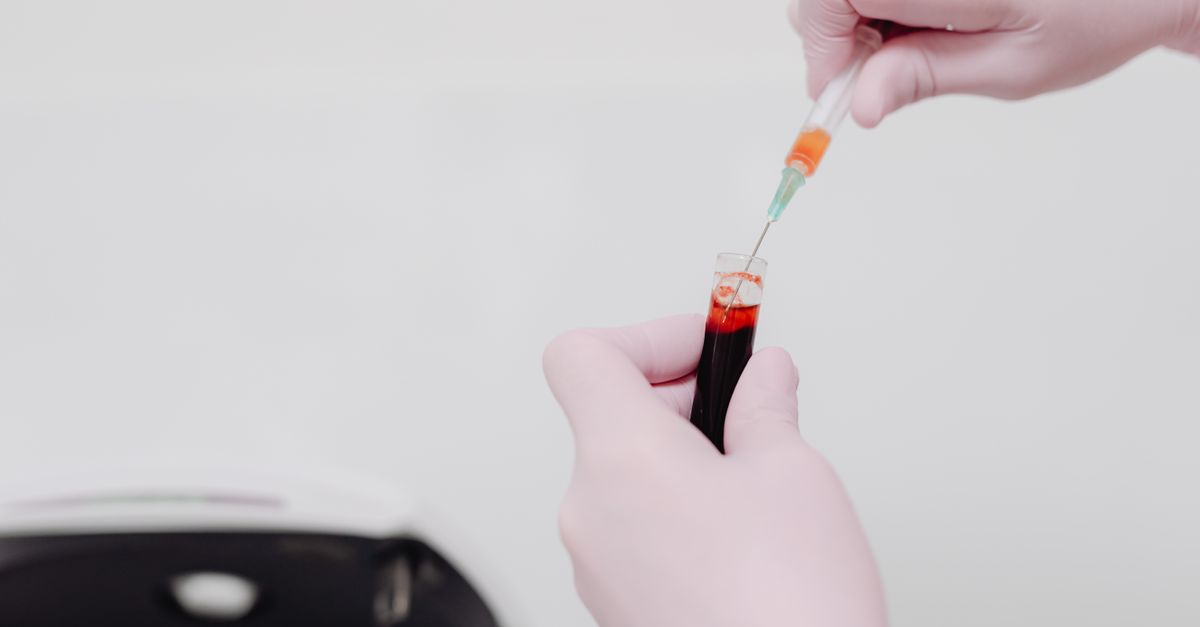
What Happens to Thyroid Antibodies in PCOS?
In most women with PCOS, thyroid antibodies — particularly anti-thyroid peroxidase (anti-TPO) — are significantly elevated compared to the general population. Studies report a prevalence of Hashimoto's thyroiditis two to four times higher in women with PCOS than in age-matched controls. The main caveat: elevated antibodies don't always mean thyroid dysfunction is present yet. The exception is women with PCOS who also have insulin resistance and elevated androgens — this subgroup shows the strongest antibody elevations and the fastest progression toward overt hypothyroidism.
---
Why the Thyroid–PCOS Connection Is Stronger Than Most People Think
Polycystic ovary syndrome and autoimmune thyroid disease are both extraordinarily common in women of reproductive age — PCOS affects roughly 10% of women globally, and Hashimoto's thyroiditis is the leading cause of hypothyroidism in developed countries. The fact that they co-occur at rates far above statistical chance tells us something important about shared biology.
Several mechanisms appear to drive this overlap:
Insulin resistance and immune dysregulation. Chronic hyperinsulinemia, which is central to most PCOS phenotypes, activates inflammatory pathways that can disrupt immune tolerance at the thyroid gland. A 2019 cross-sectional study of 302 women with PCOS found that those with the highest fasting insulin levels also had significantly higher anti-TPO titers (Dittrich et al., Journal of Clinical Endocrinology & Metabolism 2019; PMID: 31513721).
Elevated androgens and immune modulation. Testosterone and DHEA-S influence T-helper cell balance. Higher androgenic load tilts the immune system toward a Th1-dominant profile, which is the same pro-inflammatory state associated with autoimmune thyroid attack. If you've been trying to understand what happens to DHEA-S levels with PCOS, it's worth noting that elevated DHEA-S correlates with more aggressive autoimmune activity in thyroid tissue.
Shared genetic architecture. Both conditions are polygenic, and several loci on chromosomes 2q and 8p have been implicated in susceptibility to both PCOS and autoimmune thyroid disease. This genetic overlap suggests the association isn't purely metabolic — there is an inherent predisposition that makes some women vulnerable to both simultaneously.
Low-grade chronic inflammation. C-reactive protein (CRP) is frequently elevated in PCOS and serves as a marker of systemic inflammation. Research consistently shows that women with PCOS and elevated CRP have a higher burden of thyroid antibodies. For more on how CRP levels change with PCOS, the picture is one of a persistent, low-grade inflammatory state that likely feeds both conditions.
---
How High Do Thyroid Antibodies Actually Get in PCOS?
The short answer is: often much higher than many clinicians consider actionable.
A landmark study by Janssen et al. examined 200 women diagnosed with PCOS against matched controls. Anti-TPO antibodies were positive (above 35 IU/mL, the standard laboratory cutoff) in 26.9% of the PCOS group compared to 8.3% of controls — a more than threefold difference (Janssen et al., European Journal of Endocrinology 2004; PMID: 15476444). Critically, many of these women had a TSH within the "normal" range, meaning their thyroid function hadn't yet deteriorated, but the autoimmune process was already well underway.
More recent data has reinforced these findings. A 2015 meta-analysis pooling data from 1,643 women with PCOS found a pooled odds ratio of 3.27 for Hashimoto's thyroiditis compared to controls, with anti-TPO positivity rates as high as 40% in some cohorts (Sinha et al., Thyroid 2015; PMID: 26175285).
The clinical takeaway: a "normal" TSH does not rule out active thyroid autoimmunity. Women with PCOS who have symptoms that don't fit the classic PCOS picture should request anti-TPO and anti-thyroglobulin (anti-TG) testing. This is exactly the kind of question explored in why thyroid antibodies might be normal but you still feel awful.
---
Which Thyroid Antibodies Are Most Relevant in PCOS?
There are two primary antibodies tested in clinical practice:
| Antibody | Target | Association with PCOS | Clinical Significance |
|---|---|---|---|
| Anti-TPO (Anti-Thyroid Peroxidase) | Enzyme responsible for thyroid hormone synthesis | Elevated in ~27–40% of PCOS cases | Strongest predictor of progression to Hashimoto's hypothyroidism |
| Anti-TG (Anti-Thyroglobulin) | Thyroglobulin protein | Elevated in ~15–25% of PCOS cases | Often co-elevated with anti-TPO; less specific alone |
Anti-TPO is the more clinically informative marker. Its elevation is the stronger predictor of eventual thyroid gland damage and functional hypothyroidism. Anti-TG elevation in isolation is less specific and can occur in other autoimmune and even non-autoimmune conditions.
A less commonly ordered antibody — TSH receptor antibodies (TRAb) — is relevant only when hyperthyroidism (Graves' disease) is suspected, which is less commonly associated with PCOS than the Hashimoto's pattern.
---
Do Elevated Antibodies Always Mean Hashimoto's Disease?
No — and this is one of the most important distinctions to understand.
Antibody positivity indicates immune targeting of the thyroid, but the thyroid gland has significant functional reserve. Many women will carry elevated anti-TPO for years before developing subclinical or overt hypothyroidism. The rate of progression from antibody positivity to hypothyroidism is approximately 2–5% per year in the general population (Vanderpump et al., Clinical Endocrinology 1995; PMID: 7641412), but this rate is likely higher in women with PCOS given the additional metabolic stressors.
What this means practically:
- Antibody positivity without elevated TSH = active autoimmunity without current functional deficit
- Antibody positivity with TSH 2.5–4.5 mIU/L = subclinical territory; warrants monitoring and possibly intervention
- Antibody positivity with TSH above 4.5 mIU/L = overt hypothyroidism regardless of symptoms
For women with PCOS, distinguishing symptoms that come from thyroid dysfunction versus from PCOS itself is genuinely difficult because the two conditions share fatigue, weight gain, irregular cycles, and brain fog. This symptom overlap is covered in depth in could your symptoms be thyroid issues, PCOS, or both.
---
The Role of Selenium, Vitamin D, and Inositol in Thyroid Antibody Reduction
This is where the research becomes directly actionable.
Selenium. Selenium is an essential cofactor for selenoprotein P and glutathione peroxidase — both protective against the oxidative stress that drives thyroid cell destruction by anti-TPO. A well-cited randomized controlled trial by Mazokopakis et al. found that 200 mcg/day of selenomethionine over 12 months reduced anti-TPO titers by approximately 49% in women with Hashimoto's thyroiditis (Mazokopakis et al., Thyroid 2007; PMID: 17696828). The evidence is strong enough that European Thyroid Association guidelines now discuss selenium as an adjunct for Hashimoto's management.
Vitamin D. Vitamin D deficiency is endemic in women with PCOS — estimates suggest 67–85% are deficient. Vitamin D receptors are expressed on immune cells, and adequate vitamin D status appears to maintain immune tolerance and suppress the autoimmune cascade targeting the thyroid. Studies consistently show an inverse relationship between serum 25(OH)D and anti-TPO titers, though randomized trial evidence for supplementation directly lowering antibodies is more mixed than the observational data suggests. For natural approaches to antibody reduction, the guide on how to lower thyroid antibodies naturally covers both selenium and D3 protocols in more detail.
Myo-inositol and D-chiro-inositol. These B-vitamin derivatives have an expanding evidence base in PCOS and are increasingly studied for Hashimoto's. A 2013 RCT by Nordio and Pajalich found that myo-inositol combined with selenium lowered anti-TPO significantly more than selenium alone over six months, suggesting an additive effect through separate mechanisms — inositol via TSH signaling improvement, selenium via oxidative protection (Nordio & Pajalich, European Review for Medical and Pharmacological Sciences 2013; PMID: 24065592).
---
What Happens to Thyroid Antibodies as PCOS Progresses?
The trajectory matters as much as the starting point.
In untreated PCOS with ongoing insulin resistance, thyroid antibody levels tend to rise over time. This is partly attributable to the sustained inflammatory and hyperinsulinemic environment — which keeps stimulating immune dysregulation — and partly due to age-related changes in immune tolerance. Lifestyle interventions that reduce insulin resistance (dietary modification, exercise, inositol supplementation) have been shown to secondarily lower inflammatory markers and may attenuate antibody rise over time.
Conversely, women who address their PCOS metabolically — normalizing insulin sensitivity, reducing androgen excess, correcting nutritional deficiencies — often show stabilization or modest reduction in anti-TPO titers. This isn't guaranteed, particularly in women with the highest genetic predisposition, but the data are encouraging.
For a broader view of how hormonal shifts interact with thyroid antibodies across different life stages, the research on what is a normal thyroid antibodies level in PCOS provides useful reference ranges and context.
---
What This Means for Your Formula
For women managing the PCOS-thyroid antibody overlap, the nutritional strategy needs to target both the autoimmune component and the metabolic drivers. A one-size-fits-all supplement stack misses this dual focus.
Ones builds personalized formulas based on actual lab data — including thyroid antibodies, TSH, vitamin D levels, and metabolic markers — which means the formula can be calibrated to what your panel actually shows rather than what might theoretically help.
Three ingredients particularly relevant to this topic:
- Selenium (as selenomethionine, 200 mcg): Matching the dose used in the Mazokopakis RCT, this is the best-evidenced nutritional intervention for reducing anti-TPO titers. Ones sources selenomethionine as the preferred bioavailable form over selenite. Selenium is included in Ones' Thyroid Support blend where relevant lab findings indicate it.
- Vitamin D3 + K2 (MK-7): Given the near-universal vitamin D deficiency in PCOS and its mechanistic role in immune regulation, D3 paired with K2 for cardiovascular safety represents a rational pairing. The dose in an Ones formula is calibrated to the individual's actual 25(OH)D level rather than a generic 1,000 IU default.
- Magnesium Glycinate (from Magnesium Complex): Magnesium is frequently depleted in insulin-resistant states, and deficiency amplifies both inflammatory signaling and HPA dysregulation. While magnesium doesn't directly lower thyroid antibodies, correcting deficiency removes a metabolic stressor that otherwise sustains immune activation.
If your lab results show both elevated thyroid antibodies and the metabolic markers characteristic of PCOS, Ones' AI practitioner can analyze the interaction and recommend a formula that addresses both — something a standard PCOS supplement stack or a standard thyroid supplement stack wouldn't do individually.
---
Key Takeaways
- Women with PCOS have approximately three times the prevalence of elevated thyroid antibodies (anti-TPO) compared to the general population, with rates of 27–40% reported across studies.
- The association is driven by shared mechanisms: insulin resistance, elevated androgens, chronic low-grade inflammation, and overlapping genetic predisposition.
- A normal TSH does not rule out active thyroid autoimmunity — anti-TPO testing is essential for any woman with PCOS who has unexplained fatigue, weight gain, or irregular cycles that don't respond to standard PCOS management.
- Selenium at 200 mcg/day (as selenomethionine) is the best-evidenced nutritional intervention for reducing anti-TPO titers, with one RCT showing ~49% reduction over 12 months.
- Vitamin D deficiency — extremely prevalent in PCOS — is independently associated with higher thyroid antibody levels; correcting it supports immune tolerance.
- Treating the metabolic drivers of PCOS (insulin resistance, androgen excess, inflammation) is not just about managing PCOS — it may also stabilize or reduce thyroid antibody progression over time.
---
Always consult a qualified healthcare provider before beginning or changing any supplement regimen, particularly when managing autoimmune thyroid disease or PCOS. Supplement strategies are adjuncts to, not replacements for, clinical care.