Vitamins
What Is a Normal B12 Level in Perimenopause?
Most perimenopausal women are never warned that their B12 can fall into a functional gray zone even when standard labs say 'normal.' Estrogen decline, acid-suppressing medications, and gut changes all quietly erode B12 status during this window — and the consequences range from fatigue and brain fog to irreversible nerve damage if left unchecked.
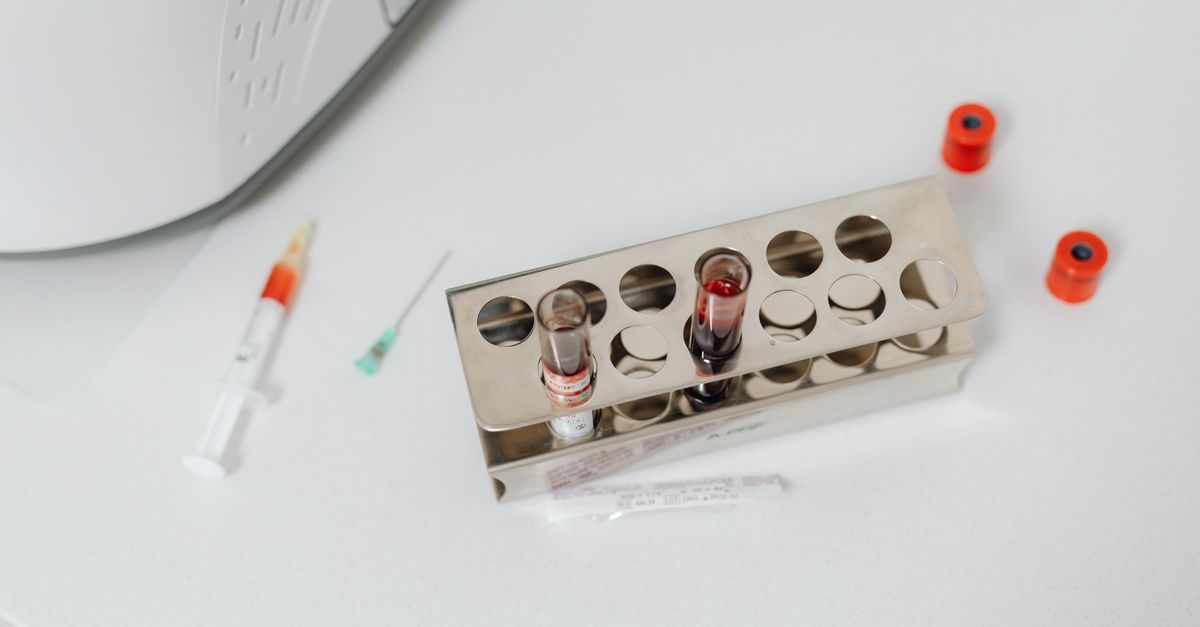
What Is a Normal B12 Level in Perimenopause?
For most perimenopausal women, a serum B12 between 300 and 569 pg/mL is considered adequate, but functional deficiency can occur even above 200 pg/mL. The main caveat: standard lab reference ranges are broad and were not designed with perimenopausal physiology in mind. Women with autoimmune conditions, long-term metformin or PPI use, or significant hormonal fluctuation may need levels closer to the upper half of normal to feel their best.
---
Why Perimenopause Changes Your B12 Picture
Perimenopause is rarely a single-symptom event. Estrogen and progesterone begin their erratic decline years before the final menstrual period, and these hormones interact with nearly every metabolic pathway — including the absorption and utilization of vitamin B12.
Several converging factors raise B12 risk during this window:
- Reduced stomach acid production. Intrinsic factor, the glycoprotein required to absorb dietary B12 in the ileum, depends on adequate gastric acid. Estrogen helps maintain gastric mucosal integrity, and falling estrogen levels in perimenopause are associated with subtle changes in gastric secretion (Stemmermann et al., American Journal of Clinical Nutrition 1997).
- Higher use of acid-suppressing medications. Proton pump inhibitors (PPIs) and H2 blockers — frequently prescribed for the reflux that often worsens during perimenopause — reduce B12 absorption significantly. A large Kaiser Permanente study found two-plus years of PPI use associated with a 65% increased risk of B12 deficiency (Lam et al., JAMA 2013; PMID: 24327038).
- Metformin use. Women with PCOS who transition into perimenopause while on metformin face compounded risk. Metformin inhibits B12 absorption at the ileal receptor level (Aroda et al., Journal of Clinical Endocrinology & Metabolism 2016; PMID: 26528624).
- Dietary shifts and appetite changes. Disrupted sleep, mood changes, and stress during perimenopause can lead to reduced dietary variety and lower intake of B12-rich animal foods.
Understanding what is a normal cortisol level in PCOS matters here too — chronically elevated cortisol impairs gut integrity and can further reduce B12 absorption by affecting the gastrointestinal environment.
---
Reference Ranges Explained: What the Numbers Actually Mean
Lab reference ranges for serum B12 vary by laboratory, but here is how to interpret common thresholds:
| Serum B12 Level (pg/mL) | Interpretation |
|---|---|
| < 200 | Clinical deficiency — neurological and hematological risk |
| 200–299 | Gray zone — symptoms often present; functional deficiency likely |
| 300–569 | Generally adequate for most adults |
| 570–900 | Optimal range many integrative practitioners target |
| > 900 | Elevated — warrants investigation if not from supplementation |
The gray zone between 200–299 pg/mL deserves special attention. Multiple studies have found neurological and cognitive symptoms occurring at levels conventionally classified as normal. A cross-sectional analysis published in Neurology found that cognitive performance scores declined linearly with serum B12 even when values remained technically within laboratory reference ranges, suggesting the lower end of "normal" is not functionally equivalent to the upper end (Tangney et al., Neurology 2011; PMID: 21947532).
Beyond serum B12, two functional biomarkers offer a more complete picture:
- Methylmalonic acid (MMA): Rises when B12 is genuinely insufficient at the cellular level. MMA elevation can occur even when serum B12 is in the 300s. An elevated MMA (> 0.40 µmol/L) alongside borderline serum B12 strongly suggests inadequate tissue supply.
- Homocysteine: B12 is a required cofactor for converting homocysteine to methionine. When B12 is low, homocysteine accumulates. Elevated homocysteine (> 10–12 µmol/L) is independently associated with cardiovascular risk and cognitive decline — a double concern during perimenopause, when cardiovascular risk already begins to climb. Checking what is a normal cholesterol level in perimenopause alongside B12 and homocysteine gives a far more complete cardiometabolic picture than any single marker alone.
If your serum B12 sits between 200 and 350 pg/mL and you are symptomatic, ask your clinician to order MMA and homocysteine before concluding your B12 is fine.
---
Symptoms of Low B12 Level in Perimenopause
Low B12 and perimenopause symptoms overlap substantially, which is precisely why B12 deficiency so often goes undiagnosed or is dismissed as "just hormones." Here is what low B12 can produce on its own:
Neurological and cognitive:
- Tingling or numbness in hands and feet (peripheral neuropathy)
- Balance disturbances
- Memory lapses and word-finding difficulty
- Brain fog and slowed processing speed
- Depression and mood instability
Hematological:
- Macrocytic (large-cell) anemia
- Fatigue disproportionate to activity level
- Pallor and shortness of breath on exertion
Systemic:
- Glossitis (inflamed, sore tongue)
- Mouth ulcers
- Hair thinning (less commonly cited but documented)
A 12-week intervention study in older adults with low-normal B12 found that supplementation with 1,000 mcg/day of cyanocobalamin significantly reduced MMA and improved measures of processing speed and short-term memory, supporting the idea that even borderline-low B12 has real functional consequences (Eussen et al., American Journal of Clinical Nutrition 2006; PMID: 16522916).
The neurological symptoms are particularly insidious: subacute combined degeneration of the spinal cord — demyelination of the dorsal and lateral columns — can begin silently at B12 levels that remain above 200 pg/mL. Early tingling in the feet is not trivial and warrants urgent investigation.
For perimenopausal women already experiencing mood changes or fatigue, it is worth asking whether low B12 is compounding those symptoms. Similarly, women experiencing unexplained fatigue alongside hormonal changes may want to explore what is a normal ferritin level in perimenopause, since iron deficiency and B12 deficiency frequently co-occur and produce overlapping symptoms.
---
Symptoms of High B12 Level
High serum B12 is a less commonly discussed concern, but it warrants attention — particularly if you have not been taking high-dose supplements.
When B12 is high from supplementation, it is generally benign. B12 has no established tolerable upper limit in healthy individuals because excess is excreted in urine. Taking 1,000–5,000 mcg/day will push serum levels into the 900–2,000+ pg/mL range, and this is expected and not dangerous in the context of deliberate supplementation.
When B12 is high without supplementation, that is a different story:
- Elevated serum B12 without supplementation (> 700–900 pg/mL) can be a marker of liver disease, myeloproliferative disorders (such as polycythemia vera or chronic myelogenous leukemia), or solid tumors — because these conditions release B12-binding proteins (haptocorrin) that keep circulating B12 elevated even when tissue delivery is impaired.
- A systematic review of unexplained high serum cobalamin found that in roughly 20–25% of cases, an underlying serious condition was identified, with liver pathology and myeloproliferative disease accounting for the majority (Andrès et al., QJM 2013; PMID: 23592803).
Symptoms that can accompany pathologically high B12 include:
- Acne-like skin eruptions (acneiform rosacea) in some individuals taking high-dose B12 injections
- Rarely, peripheral neuropathy in patients receiving megadose injections (> 5,000 mcg/day) over extended periods
The practical takeaway: if your B12 is persistently above 900 pg/mL and you are not supplementing, request liver function tests and a CBC with differential before assuming it is benign.
---
Supplements to Lower B12 Level
This is one of the more counterintuitive questions in nutrition: almost nobody actually needs to lower B12. Because the kidneys excrete excess cobalamin efficiently, high B12 from oral supplements is self-limiting — stop supplementing and levels normalize within weeks to months.
If your B12 is elevated because of an underlying condition (liver disease, myeloproliferative disorder), treating the root cause is the correct intervention — not attempting to suppress B12 with dietary manipulation.
What to do if your B12 is high:
- Confirm you are not taking supplements that contain B12 (multivitamins, B-complex, energy drinks, fortified foods).
- If unsupplemented B12 remains > 700 pg/mL on two separate draws, investigate liver enzymes (ALT, AST, GGT) and a CBC with differential.
- Do not take supplements specifically marketed to "lower B12" — no evidence-based protocol exists for this, and such products are not recognized in clinical guidelines.
Reducing high-dose cyanocobalamin or methylcobalamin supplements is the only evidence-based way to reduce supplement-driven B12 elevation, and it works reliably.
---
Supplements for B12 Level: Forms, Doses, and What Actually Works
Not all B12 supplements are equivalent. The form matters significantly, especially for women with absorption issues:
| Form | Mechanism | Best For |
|---|---|---|
| Cyanocobalamin | Synthetic; converted to active forms in liver | General population; low cost |
| Methylcobalamin | Active form; bypasses liver conversion | MTHFR variants; neurological symptoms |
| Adenosylcobalamin | Mitochondrial active form | Energy metabolism support |
| Hydroxocobalamin | Long-acting; used in injections | Pernicious anemia; severe deficiency |
Dosing considerations by deficiency severity:
- Borderline low (200–350 pg/mL, symptomatic): 500–1,000 mcg/day of methylcobalamin or cyanocobalamin orally is typically sufficient to restore levels within 4–8 weeks.
- Clinical deficiency (< 200 pg/mL without pernicious anemia): High-dose oral supplementation at 1,000–2,000 mcg/day can be as effective as intramuscular injection for most patients, because approximately 1–2% of very high oral doses are absorbed by passive diffusion independent of intrinsic factor. A Cochrane review found high-dose oral B12 produced similar outcomes to injections in non-pernicious anemia deficiency (Vidal-Alaball et al., Cochrane Database 2005; PMID: 16034940).
- Pernicious anemia (absent intrinsic factor): Injections (hydroxocobalamin 1,000 mcg IM every 2–3 months in maintenance) remain the gold standard because passive absorption alone may be insufficient at very low levels.
Sublingual vs. oral tablets: Marketing often implies sublingual absorption is dramatically superior. Evidence is mixed. For individuals with intact gastric function, sublingual and oral cyanocobalamin appear similarly effective. For those with intrinsic factor deficiency or severe gastric atrophy, sublingual may offer a modest advantage through buccal mucosal absorption, though data are limited.
Folate co-supplementation: B12 and folate are metabolically interdependent. Treating B12 deficiency without adequate folate (or treating folate deficiency without B12) can unmask the other deficiency. Most B12 repletion protocols include at least 400 mcg of methylfolate or folic acid alongside cobalamin.
Women who are also monitoring thyroid function should know that hypothyroidism — which can become more prevalent in perimenopause — impairs B12 absorption indirectly through slowed gastrointestinal transit. If your thyroid levels are borderline, reviewing what is a normal thyroid level postpartum provides useful context on how thyroid ranges shift with hormonal transitions, a dynamic that applies during perimenopause as well.
---
How Ones Addresses This
Ones builds personalized supplement formulas from actual lab data rather than generic recommendations — which matters considerably for a nutrient like B12, where the right dose and form depend entirely on your current level, absorption capacity, and hormonal context.
When a user's blood panel and health history indicate borderline or low B12, the Ones AI can incorporate methylcobalamin at clinically meaningful doses into the custom capsule formula, prioritizing the active form that bypasses liver conversion — relevant for anyone with an MTHFR variant or documented absorption issues.
Because elevated homocysteine is a common downstream consequence of low B12, Ones may also include methylfolate (5-MTHF) as a cofactor, since the B12-homocysteine pathway requires adequate folate to function. This pairing mirrors the co-supplementation protocol used in intervention trials rather than treating B12 in isolation.
For perimenopausal women whose labs also reveal low progesterone or elevated LH — a common pattern in this transition — the formula may integrate support for the broader hormonal picture. Understanding what normal LH levels look like in perimenopause helps contextualize why B12 status alone rarely tells the whole story. Ones formulas address the full biomarker landscape, not individual numbers in isolation.
As always, supplementation decisions should be reviewed with a healthcare provider, particularly when serum B12 is very low or symptoms are significant.
---
Key Takeaways
- A serum B12 of 300–569 pg/mL is generally adequate, but the optimal functional range many integrative clinicians target is 570–900 pg/mL — especially for women with neurological symptoms.
- Perimenopause increases B12 vulnerability through reduced gastric acid, PPI use, dietary changes, and potential metformin use — even when standard labs read "normal."
- MMA and homocysteine are more sensitive functional markers than serum B12 alone; elevated MMA or homocysteine with borderline serum B12 strongly suggests inadequate tissue-level supply.
- Low B12 symptoms — tingling, brain fog, mood changes, fatigue — overlap heavily with perimenopausal symptoms and are frequently misattributed to hormones alone.
- High unsupplemented B12 (> 900 pg/mL) warrants medical investigation for liver disease or myeloproliferative disorders rather than attempts to lower it through diet or supplements.
- Methylcobalamin and methylfolate together represent the most physiologically direct repletion strategy, particularly for women with absorption issues or MTHFR variants; high-dose oral supplementation can match injection efficacy in non-pernicious anemia deficiency.