Minerals
What Is a Normal Calcium Level in PCOS?
Many women with PCOS discover calcium abnormalities on routine bloodwork but have no idea what the numbers actually mean for their hormonal health. Calcium does far more than support bones — it plays a direct role in insulin signaling, ovarian function, and androgen regulation, all of which are disrupted in PCOS. Understanding your calcium level in context can unlock a missing piece of your treatment picture.
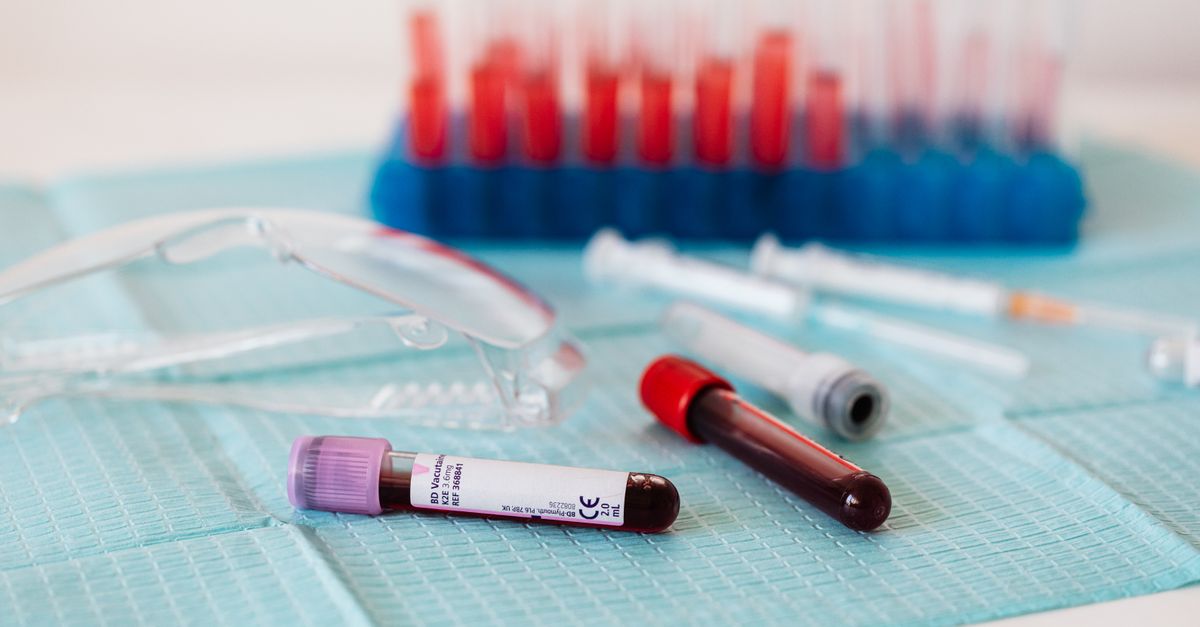
What Is a Normal Calcium Level in PCOS?
For most people with PCOS, serum total calcium sits within the standard laboratory reference range of 8.5–10.2 mg/dL — so the number alone rarely sets off alarms. The more clinically meaningful issue is that PCOS-related vitamin D deficiency, insulin resistance, and elevated androgens all disturb how the body absorbs, distributes, and uses calcium at the cellular level, even when serum levels look normal. The exception is women with concurrent hyperparathyroidism or severe vitamin D depletion, where true hypocalcemia can emerge.
---
Understanding Calcium Reference Ranges and What They Mean in PCOS
Standard serum calcium reference ranges in adults are typically:
| Measurement | Reference Range |
|---|---|
| Total serum calcium | 8.5–10.2 mg/dL (2.12–2.55 mmol/L) |
| Ionized (free) calcium | 4.6–5.3 mg/dL (1.15–1.33 mmol/L) |
| Corrected calcium (if albumin is low) | Adjusted using albumin correction formula |
Total calcium in your blood is bound roughly 40% to albumin, 10% to anions like phosphate, and 50% circulates as free ionized calcium — the biologically active fraction. Women with PCOS who have low albumin (not uncommon with metabolic dysfunction) may have a falsely low-appearing total calcium that obscures a normal ionized level. If your lab report only shows total calcium, ask your provider whether a corrected calcium or ionized calcium was also run.
The albumin correction formula is simple: Corrected Calcium (mg/dL) = Measured Calcium + 0.8 × (4.0 − Albumin g/dL). This distinction matters because PCOS-associated inflammation and liver stress can modestly suppress albumin, making the correction clinically relevant.
Why PCOS Specifically Disrupts Calcium Metabolism
Insulin resistance — present in 50–80% of women with PCOS — alters calcium handling at multiple levels. Hyperinsulinemia increases urinary calcium excretion, which can gradually deplete body stores even when serum levels appear adequate. Simultaneously, the vitamin D deficiency that affects an estimated 67–85% of women with PCOS impairs intestinal calcium absorption, since vitamin D (as its active form, calcitriol) is the primary regulator of calcium transport across gut epithelium (Wehr et al., European Journal of Endocrinology 2011; PMID: 21471169).
Elevated androgens may also suppress parathyroid hormone (PTH) sensitivity, subtly altering the calcium-PTH feedback loop. A cross-sectional study of 100 women with PCOS versus 80 healthy controls found significantly lower serum 25-hydroxyvitamin D and higher PTH in the PCOS group, suggesting compensatory PTH elevation to maintain calcium balance — a pattern consistent with early-stage calcium insufficiency even when serum calcium appears normal (Mahmoudi 2009; PMID: 19152646).
If you're still trying to confirm whether you meet diagnostic criteria, How Do I Know If I Have PCOS? Signs, Symptoms & Next Steps walks through the Rotterdam criteria and the labs that matter most.
---
How Calcium Affects Insulin Resistance and Androgens in PCOS
Calcium is not simply a structural mineral — it functions as an intracellular messenger in virtually every hormone-responsive tissue. In pancreatic beta cells, calcium influx triggers insulin secretion. In ovarian theca cells, calcium signaling modulates androgen biosynthesis. This means suboptimal calcium status can worsen two of PCOS's core drivers simultaneously.
A randomized controlled trial published in the American Journal of Clinical Nutrition found that calcium and vitamin D supplementation (1,000 mg calcium + 400 IU vitamin D daily for 3 months) significantly improved menstrual regularity, follicular development, and reduced testosterone in women with PCOS compared to placebo. The authors concluded that correcting calcium-vitamin D insufficiency was independently associated with improvements in hyperandrogenism, not just bone markers (Asemi et al., American Journal of Clinical Nutrition 2014; PMID: 24646825).
A second RCT of 57 PCOS patients demonstrated that 500 mg calcium carbonate twice daily alongside calcitriol improved fasting insulin, HOMA-IR, and total testosterone over 8 weeks, reinforcing the mechanistic link between cellular calcium availability and metabolic-hormonal outcomes (Firouzabadi et al., Gynecological Endocrinology 2012; PMID: 22296160).
For context on how androgens like testosterone behave in PCOS labs, What Is a Normal Testosterone Level with PCOS? provides a detailed breakdown of total and free testosterone reference ranges.
---
Signs That Your Calcium Status May Be Off in PCOS
Because the body defends serum calcium tightly (at the expense of bone and intracellular stores), overt hypocalcemia is rare unless there is a secondary cause. But functional calcium insufficiency — where tissue-level calcium is inadequate despite normal serum levels — can manifest as:
- Persistent muscle cramps or twitching (especially nocturnal leg cramps)
- Heightened anxiety or mood instability
- Irregular or absent menstrual cycles
- Brain fog and poor concentration
- Worsening insulin resistance or unexplained blood sugar swings
- Fatigue that does not respond to sleep correction
- Tingling or numbness in the extremities (in more pronounced cases)
Many of these symptoms overlap heavily with PCOS itself, vitamin D deficiency, and magnesium insufficiency — which is exactly why isolated symptom assessment is unreliable. Lab testing that includes serum calcium, 25-OH vitamin D, PTH, and ionized calcium when warranted gives a far clearer picture.
If you also have abnormal DHEA-S results alongside these symptoms, What Is a Normal DHEA-S Level with PCOS? explains how adrenal androgen excess fits into the PCOS hormonal picture.
---
What About Calcium D-Glucarate? Understanding the Supplement vs. the Mineral
When researching "calcium in PCOS," many women encounter calcium D-glucarate — a compound that sounds related to calcium but functions very differently. Calcium D-glucarate is a salt of D-glucaric acid bound to calcium; it is used primarily for its glucuronidation-supporting properties in phase II liver detoxification, not as a meaningful source of elemental calcium.
What Calcium D-Glucarate Actually Does
Glucaric acid inhibits beta-glucuronidase, an enzyme produced by gut bacteria that can deconjugate estrogen in the intestine, allowing it to be reabsorbed rather than excreted. In a PCOS context where estrogen dominance or excess recycled estrogens contribute to hormonal imbalance, reducing beta-glucuronidase activity is theoretically helpful. However, robust clinical trials in PCOS populations specifically are limited; most evidence comes from animal models and cancer-prevention research.
Typical supplemental doses range from 500–1,000 mg daily. At these doses, the elemental calcium contributed is negligible (calcium D-glucarate is roughly 6% calcium by weight, providing ~30–60 mg elemental calcium — a fraction of the 1,000 mg daily intake target).
Can You Experience Calcium D-Glucarate Overdose Symptoms?
At doses studied in humans (up to 1,800 mg/day in clinical cancer-prevention work), calcium D-glucarate appears well-tolerated with no serious adverse events reported. However, very high doses may cause gastrointestinal discomfort — nausea, loose stools, or bloating — likely due to its effects on gut bacterial populations and bile acid cycling rather than classical hypercalcemia. Unlike elemental calcium supplements (calcium carbonate or calcium citrate), calcium D-glucarate does not appreciably raise serum calcium and therefore does not cause hypercalcemia-related symptoms such as constipation, excessive thirst, kidney stone risk, or cardiac arrhythmia at conventional doses.
If you are taking high-dose elemental calcium supplements alongside calcium D-glucarate and notice symptoms of excess — constipation, fatigue, frequent urination, or cognitive dulling — that warrants a serum calcium check to rule out supplementation-induced hypercalcemia, particularly if you are also taking vitamin D3 in high doses.
Are There Deficiency Symptoms Specific to Calcium D-Glucarate?
Calcium D-glucarate is not an essential nutrient, so there is no recognized deficiency state. You cannot be deficient in a compound your body does not require. The concept of "calcium D-glucarate deficiency symptoms" is a marketing construct. What you can be deficient in is elemental calcium and vitamin D, both of which have well-documented clinical consequences in PCOS. The relevant deficiency to assess is inadequate glucuronidation capacity — a liver phase II function that can be supported nutritionally but is not measured as a single biomarker in standard labs.
If liver detoxification capacity is a concern in your overall hormone picture, Ones includes a proprietary Liver Support blend in its catalog of System Supports — formulated with ingredients that support phase I and phase II detox pathways. This is meaningfully different from elemental calcium repletion, and the two serve distinct clinical purposes.
---
Calcium and Other Key PCOS Hormonal Markers
Calcium does not act in isolation — its effects on PCOS are intertwined with several other hormonal and metabolic markers:
LH/FSH Ratio: Calcium signaling is involved in GnRH pulse regulation, which drives LH secretion. Suboptimal calcium status may theoretically contribute to the elevated LH-to-FSH ratio seen in classic PCOS. For reference ranges, What Is a Normal LH Level with PCOS? covers the expected values and their diagnostic meaning.
AMH: Anti-Müllerian hormone is often elevated in PCOS and reflects excess small antral follicles. Calcium-vitamin D correction has been associated with modest AMH reductions in some trials, possibly by improving follicular maturation. What Is a Normal AMH Level with PCOS? explains what high AMH actually indicates.
Insulin and HbA1c: The calcium-insulin axis is bidirectional. Correcting calcium-vitamin D insufficiency improves insulin sensitivity, while better insulin sensitivity reduces urinary calcium wasting. What Is a Normal HbA1c Level in PCOS? provides the HbA1c targets relevant for PCOS metabolic monitoring.
Progesterone: Calcium is required for the luteal phase progesterone surge that follows ovulation. Chronically low cellular calcium may contribute to luteal phase deficiency and irregular cycles. What Is a Normal Progesterone Level in PCOS? details what progesterone values indicate about ovulatory function.
---
How Ones Addresses Calcium-Related Gaps in PCOS
When a Ones formula is built from your lab data, vitamin D status and its relationship to calcium absorption is one of the first metabolic variables the AI evaluates. Because low vitamin D is so prevalent in PCOS and so directly tied to impaired calcium utilization, the connection is clinically important — but the solution is not always just "take more calcium."
Ones includes Vitamin D3 + K2 (MK-7) as a paired ingredient. The K2 component matters here specifically: vitamin K2 as MK-7 activates osteocalcin and matrix Gla protein, directing calcium into bone and arterial tissue rather than soft tissue — an important safety consideration for anyone supplementing both D3 and calcium long-term. This pairing reflects the evidence from Knapen et al. showing that MK-7 supplementation (180 mcg/day for 3 years) significantly improved bone strength and reduced age-related arterial stiffening by improving calcium deposition efficiency (Knapen et al., Thrombosis and Haemostasis 2015; PMID: 25694037).
For PCOS-related insulin resistance — which worsens calcium metabolism by increasing renal calcium loss — Ones can incorporate Magnesium Glycinate from its Magnesium Complex blend. Magnesium and calcium are physiological partners: magnesium is required for PTH secretion and for maintaining the calcium gradient across cell membranes. Low magnesium impairs PTH release, which can cause functional hypocalcemia even when dietary calcium is adequate.
Finally, for the liver detoxification dimension, Ones offers its Liver Support System Blend — relevant when estrogen recycling or impaired glucuronidation is part of the hormonal picture in PCOS, which is where calcium D-glucarate conversations often originate. Rather than prescribing an isolated compound, Ones evaluates the full pattern of your hormone and metabolic markers to determine whether liver support belongs in your formula at all.
Your formula is calibrated to a 6- or 9-capsule daily plan chosen by the AI based on your findings — ensuring that ingredients like D3+K2, magnesium, or liver support are only included when the data supports their inclusion, not by default.
---
Key Takeaways
- Serum calcium typically reads normal in PCOS (8.5–10.2 mg/dL), but functional calcium insufficiency is common due to vitamin D deficiency, insulin resistance, and elevated PTH — meaning the number alone is not the whole story.
- Vitamin D is the master regulator of calcium absorption; correcting vitamin D deficiency is usually the more impactful intervention than taking standalone calcium supplements in PCOS.
- RCTs confirm that calcium + vitamin D supplementation improves menstrual regularity, reduces testosterone, and lowers insulin resistance in PCOS — benefits that extend well beyond bone health.
- Calcium D-glucarate is not a calcium source and does not treat calcium deficiency; it supports liver glucuronidation (estrogen clearance) and has a distinct, separate role from mineral calcium repletion.
- Always pair vitamin D3 with K2 (MK-7) to ensure calcium is directed into bone and not deposited in soft tissues — an important safety consideration for long-term supplementation.
- Run a full panel: serum total calcium alone is insufficient. Ask for ionized calcium, 25-OH vitamin D, PTH, and albumin to get a complete picture of your calcium status in PCOS.
This article is for educational purposes only and does not constitute medical advice. Consult a qualified healthcare provider before making changes to supplementation or treatment.