Women's Health
What Is a Normal Hemoglobin Level in PCOS?
Women with PCOS face a uniquely complicated relationship with hemoglobin — androgens can push the number artificially high while menorrhagia silently depletes iron stores. A result that lands inside the standard lab range can still be driving fatigue, brain fog, and dizziness. Here is what the number actually means in the context of PCOS, and which additional markers tell the rest of the story.
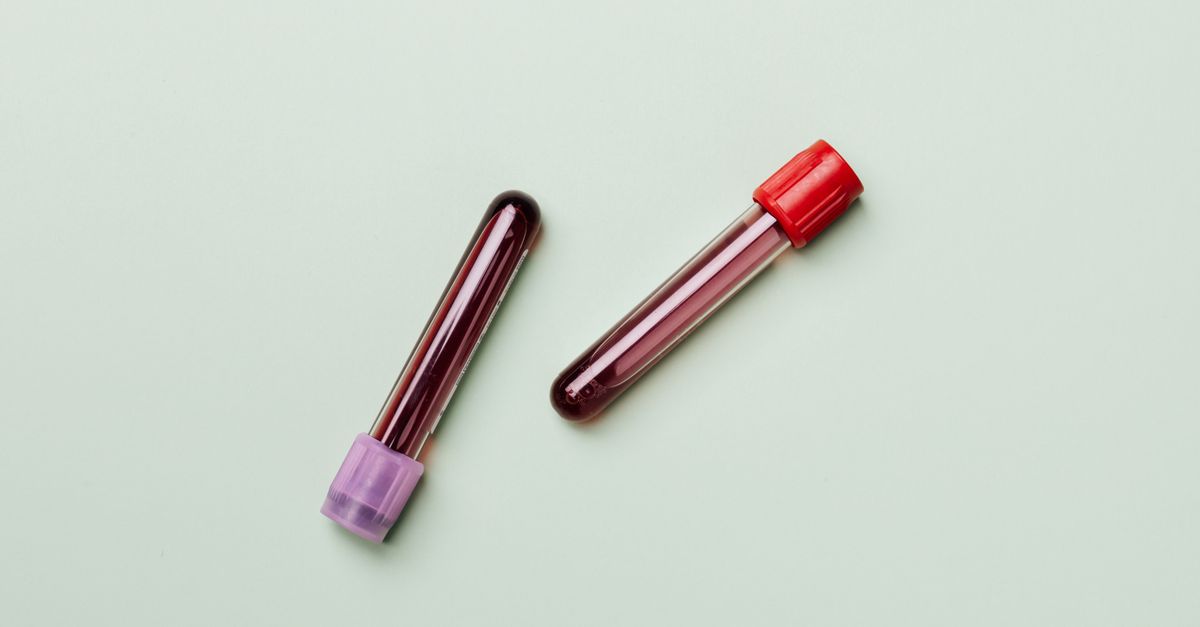
What Is a Normal Hemoglobin Level in PCOS?
For most women with PCOS, a hemoglobin level between 12.0 and 15.5 g/dL falls within the accepted reference range — but that standard window doesn't tell the whole story. Androgen excess can push hemoglobin artificially high, while heavy or prolonged periods commonly drag it low, meaning your "normal" result on a lab report may still be causing symptoms. Context matters far more than the number alone.
Understanding Hemoglobin Reference Ranges for Women with PCOS
The standard adult female hemoglobin reference range is 12.0–16.0 g/dL, with most labs flagging values below 12.0 g/dL as anemic. However, women with PCOS exist in a uniquely complicated position on that spectrum.
Testosterone and other androgens that are characteristically elevated in PCOS directly stimulate erythropoiesis — the bone marrow process that produces red blood cells (Escobar-Morreale et al., European Journal of Endocrinology 2005; PMID: 15879352). This means a woman with significant hyperandrogenism may show a hemoglobin of 14.8 g/dL and look perfectly healthy on paper, while still experiencing the fatigue and brain fog that come with functional iron insufficiency at the cellular level.
Conversely, women who experience menorrhagia — heavy or prolonged menstrual bleeding that affects up to 30% of those with PCOS — steadily lose iron-rich blood each cycle. Over months, this depletes ferritin stores and eventually drives hemoglobin below 12.0 g/dL, producing true iron-deficiency anemia.
This bidirectional risk is why a single hemoglobin value is rarely enough. Clinicians managing PCOS optimally will pair it with:
- Serum ferritin (iron stores — the earliest marker to fall)
- Transferrin saturation
- Complete blood count (MCV, MCH)
- Fasting insulin and HOMA-IR
- Total and free testosterone
For a fuller picture of how hormonal markers interact in PCOS, understanding what is a normal fasting insulin level in PCOS and what is a normal DHEA-S level with PCOS can clarify how metabolic and androgenic drivers compound anemia risk.
Why PCOS Symptoms Persist Even When Hemoglobin Looks Normal
One of the most frustrating patterns in PCOS care is this: labs come back "within range," but the person still feels exhausted, dizzy, and foggy. Understanding this gap requires going beyond the hemoglobin number itself.
Functional iron deficiency without anemia is a well-documented phenomenon where tissue-level oxygen delivery is already compromised before hemoglobin drops below 12.0 g/dL. A large cross-sectional study published in Nutrients (2021; PMID: 34371911) found that ferritin values below 30 ng/mL were significantly associated with fatigue and reduced cognitive performance even in the absence of frank anemia. In PCOS populations, serum ferritin can be depleted by several months of heavy cycles before the hemoglobin finally reflects the deficit.
Insulin resistance compounds the problem. Hyperinsulinemia — a hallmark of PCOS — upregulates hepcidin, the liver-derived hormone that controls iron absorption from the gut. When hepcidin is elevated, even adequate dietary iron is blocked from entering circulation. A 2014 study in PLOS ONE (PMID: 25393121) demonstrated that elevated hepcidin was independently associated with lower hemoglobin in women with metabolic syndrome — a condition that overlaps substantially with the insulin-resistant PCOS phenotype. This means that treating the glucose and insulin dysregulation is not just good metabolic practice; it directly supports iron status.
Chronic low-grade inflammation, also characteristic of PCOS, can produce anemia of chronic disease — a pattern where total body iron is adequate but sequestered away from red blood cell production by inflammatory cytokines, particularly IL-6 and TNF-α. In this scenario, hemoglobin may read at 11.4 g/dL, ferritin is normal or even elevated (because ferritin is an acute-phase reactant), and standard iron supplementation does little to help. Distinguishing iron-deficiency anemia from anemia of chronic disease is critical for choosing the right intervention.
For women tracking the full hormonal picture, reviewing what is a normal LH level with PCOS can help contextualize how cycle irregularity — driven by aberrant LH pulsatility — affects period heaviness and thereby iron losses.
Nausea, Dizziness, and PCOS: When Hemoglobin Is the Missing Piece
Nausea and dizziness are among the most commonly underaddressed symptoms in PCOS. Many women cycle through gastroenterology and neurology referrals before someone connects these symptoms to suboptimal hemoglobin or iron status.
When hemoglobin falls below approximately 11.0 g/dL, cardiac output increases compensatorily to maintain tissue oxygen delivery. This can produce orthostatic hypotension — a drop in blood pressure when standing — which manifests as dizziness, lightheadedness, and occasionally nausea. A prospective cohort study in Anemia (2012; PMID: 23320126) documented that women with iron-deficiency anemia reported significantly higher rates of dizziness and nausea compared with iron-replete controls, with symptom severity correlating inversely with hemoglobin concentration.
The PCOS-specific twist is that metformin — one of the most prescribed medications for insulin-resistant PCOS — independently causes nausea in up to 30% of users and also impairs B12 absorption over time (Ting et al., Nutrients 2020; PMID: 32878259). Long-term B12 depletion reduces red blood cell maturation, producing macrocytic anemia (large, fewer red cells) that compounds any iron-related anemia. A woman on metformin for 18 months may have a hemoglobin of 11.8 g/dL driven partly by iron loss from periods and partly by B12 insufficiency — and supplementing iron alone will not resolve it.
Practical diagnostic steps when dizziness and nausea accompany suboptimal hemoglobin in PCOS:
- Check serum B12 and methylmalonic acid (MMA) — MMA rises before B12 drops below reference range
- Check folate — B12 and folate deficiency produce overlapping hematological pictures; what is a normal folate level in PCOS covers the reference ranges specific to this population
- Rule out thyroid dysfunction — hypothyroidism suppresses erythropoiesis and is highly comorbid with PCOS; what is a normal free T4 level in PCOS details the interplay
- Assess orthostatic blood pressure (lying, sitting, standing) to confirm or rule out postural hypotension
- Consider a trial of divided metformin dosing or extended-release formulation if GI symptoms are a concern
The Psychological Burden of Living with Suboptimal Hemoglobin in PCOS
There is a conversation that rarely happens in the ten-minute office visit: the emotional weight of months or years of fatigue, brain fog, and physical unpredictability. Women with PCOS who are simultaneously managing anemia or functional iron deficiency describe a particular kind of exhaustion — not just physical tiredness, but the cognitive dulling that makes simple decisions feel effortful and that erodes self-confidence over time.
Research bears this out. A 2019 systematic review in Gynecological Endocrinology (PMID: 31354018) found that women with PCOS had significantly higher rates of depression and anxiety compared to age-matched controls, and that fatigue severity — correlated with lower hemoglobin and ferritin — was an independent predictor of depressive symptom burden. This is not a mood disorder in the abstract; it is a biochemical state in which reduced oxygen delivery to neural tissue, combined with hormonal dysregulation, creates a substrate for psychiatric symptoms.
The recovery arc also matters psychologically. Correcting hemoglobin and iron stores is not a two-week fix. Ferritin repletion from a depleted baseline typically takes three to six months of consistent supplementation. During that window, symptoms may improve gradually and nonlinearly — some weeks feeling better, others feeling worse — which can feel disheartening. Setting realistic expectations: hemoglobin typically begins to rise meaningfully within four to eight weeks of iron correction, while ferritin and full symptom resolution lag behind by several additional months.
Women who have tracked this process often describe the extended timeline as the hardest part — a sentiment that underscores why clear, benchmarked lab re-testing at eight to twelve week intervals is so important. Without seeing the numbers move in the right direction, the subjective improvement can be hard to trust.
Hemoglobin Reference Ranges: A Practical Table for PCOS
| Hemoglobin (g/dL) | Classification | Common PCOS Context |
|---|---|---|
| ≥ 15.5 | High-normal or elevated | May reflect androgen-driven erythropoiesis; check testosterone and hematocrit |
| 13.0–15.4 | Normal | Typical range in PCOS without menorrhagia or significant androgen excess |
| 12.0–12.9 | Low-normal | Often functional iron depletion; check ferritin, MCV |
| 11.0–11.9 | Mild anemia | Likely iron deficiency from blood loss; symptomatic fatigue, possible dizziness |
| 10.0–10.9 | Moderate anemia | Significant symptoms; supplementation and dietary intervention needed |
| < 10.0 | Severe anemia | Requires clinical investigation for cause; IV iron or further workup may be indicated |
Note: Reference ranges can vary slightly between labs. Values should always be interpreted alongside symptoms and companion markers.
Companion Labs That Clarify Your Hemoglobin Result
Hemoglobin is a downstream endpoint. By the time it shifts, upstream markers have often been abnormal for weeks or months. The following companion panel gives a far more actionable picture:
- Ferritin: Below 30 ng/mL suggests insufficient stores even with normal hemoglobin. Below 12 ng/mL confirms iron-deficiency anemia at the storage level.
- Transferrin saturation (TSAT): Below 20% indicates inadequate iron available for red blood cell production.
- Mean corpuscular volume (MCV): Low MCV (< 80 fL) suggests iron or copper deficiency; high MCV (> 100 fL) suggests B12 or folate deficiency.
- Serum B12: Especially important for women on metformin. Levels below 300 pg/mL warrant supplementation in the context of neurological or hematological symptoms.
- CRP or hs-CRP: Elevated CRP alongside low-normal hemoglobin points toward anemia of chronic disease rather than iron deficiency — a distinction that changes management entirely.
- Fasting insulin and HOMA-IR: Insulin resistance drives hepcidin, suppressing iron absorption. Reviewing what is a normal fasting glucose level in PCOS alongside insulin levels gives the full metabolic context.
- Triglycerides and HDL: Dyslipidemia commonly co-occurs with the metabolic PCOS phenotype and can indirectly signal the degree of insulin resistance driving hepcidin elevation.
Can Tumors or Structural Causes Make PCOS-Related Anemia Worse?
Occasionally, women discover that something beyond PCOS itself is amplifying their hormonal and hematological picture. Functional tumors — particularly androgen-secreting adrenal adenomas or ovarian tumors — can produce androgen levels far above what typical PCOS generates. At extreme androgen elevations, erythropoiesis becomes markedly stimulated, producing polycythemia (elevated hemoglobin and hematocrit) rather than anemia.
Conversely, uterine fibroids — which occur at higher rates in women with PCOS due to estrogen-dominant states — can produce menorrhagia severe enough to outpace the body's iron-replacement capacity entirely, creating iron-deficiency anemia that is refractory to oral supplementation. In that context, the anemia will not resolve until the structural bleeding source is addressed, regardless of how much iron is consumed.
The clinical red flags warranting imaging or endocrine tumor workup include:
- Total testosterone > 150 ng/dL without a clear explanation in DHEA-S or LH/FSH patterns
- Hemoglobin rising into polycythemic range (> 16.0 g/dL) without androgen treatment
- Iron-deficiency anemia that fails to respond to three months of appropriate oral supplementation
- Rapidly worsening menorrhagia with new pelvic pressure or bloating
What This Means for Your Formula
Ones uses AI analysis of blood work, wearable data, and health history to identify the specific drivers behind a woman's lab results — rather than issuing a generic supplement stack. For PCOS-related hemoglobin and iron concerns, several targeted ingredients from the Ones catalog are directly relevant.
Zinc plays a crucial role in erythropoiesis and immune regulation, and zinc deficiency is disproportionately common in PCOS. A randomized controlled trial in Biological Trace Element Research (2015; PMID: 26210529) found that zinc supplementation at 50 mg/day for eight weeks significantly improved hemoglobin and ferritin in women with iron-deficiency anemia. Ones includes zinc at clinically meaningful doses calibrated to serum zinc levels from lab results — not a flat-dose assumption. You can explore the relationship between zinc status and PCOS markers in detail at what is a normal zinc level in PCOS.
Vitamin D3 + K2 (MK-7) is relevant here because vitamin D deficiency — present in up to 67–85% of women with PCOS — impairs erythropoiesis through its role in hematopoietic stem cell regulation. A 2016 meta-analysis in Nutrients (PMID: 27110098) found that vitamin D supplementation was associated with significant improvements in hemoglobin levels in deficient populations. Ones pairs D3 with MK-7 to support calcium distribution alongside bone and immune function.
The Endocrine Support and Adrenal Support blends within the Ones system address the upstream hormonal environment — reducing androgen-driven erythropoiesis dysregulation by supporting cortisol regulation and adrenal function, which in turn moderates the hormonal cascade that distorts normal red blood cell production in PCOS.
Because Ones reads your actual lab panel rather than applying population averages, if your hemoglobin is low-normal with concurrent low ferritin and elevated inflammatory markers, the AI identifies that pattern and selects ingredients that address both iron-absorption barriers and the inflammatory hepcidin driver — rather than defaulting to a simple iron supplement recommendation.
Key Takeaways
- The standard female hemoglobin range of 12.0–16.0 g/dL does not account for PCOS-specific drivers — androgens can inflate the number while menorrhagia deflates it, leaving symptoms in either direction.
- Functional iron deficiency can cause fatigue, brain fog, and dizziness even when hemoglobin is technically normal — ferritin below 30 ng/mL is the more sensitive early warning.
- Insulin resistance elevates hepcidin and blocks dietary iron absorption, meaning metabolic control is part of anemia treatment in PCOS, not separate from it.
- Metformin users should monitor B12 regularly — macrocytic anemia from B12 depletion can coexist with or mask iron-deficiency anemia, and nausea symptoms overlap.
- The psychological burden of months of suboptimal oxygenation is real — expect hemoglobin to respond within four to eight weeks but ferritin and full symptom resolution to take three to six months.
- Always pair hemoglobin with ferritin, MCV, transferrin saturation, CRP, and fasting insulin to identify whether the underlying mechanism is blood loss, absorption block, inflammation, or androgen-driven erythropoiesis stimulation.
This article is for informational purposes only and does not constitute medical advice. Consult a qualified healthcare provider before making changes to your supplement regimen or interpreting laboratory results.