Supplements
What the Research Actually Says About When to Take Ox Bile
Ox bile supplements are gaining traction among people with gallbladder removal, low bile output, or chronic fat malabsorption — but most people are taking them at the wrong time. Research on bile acid physiology and digestive enzyme kinetics reveals a surprisingly specific timing window that can make or break the supplement's effectiveness. Here's what the science actually says.
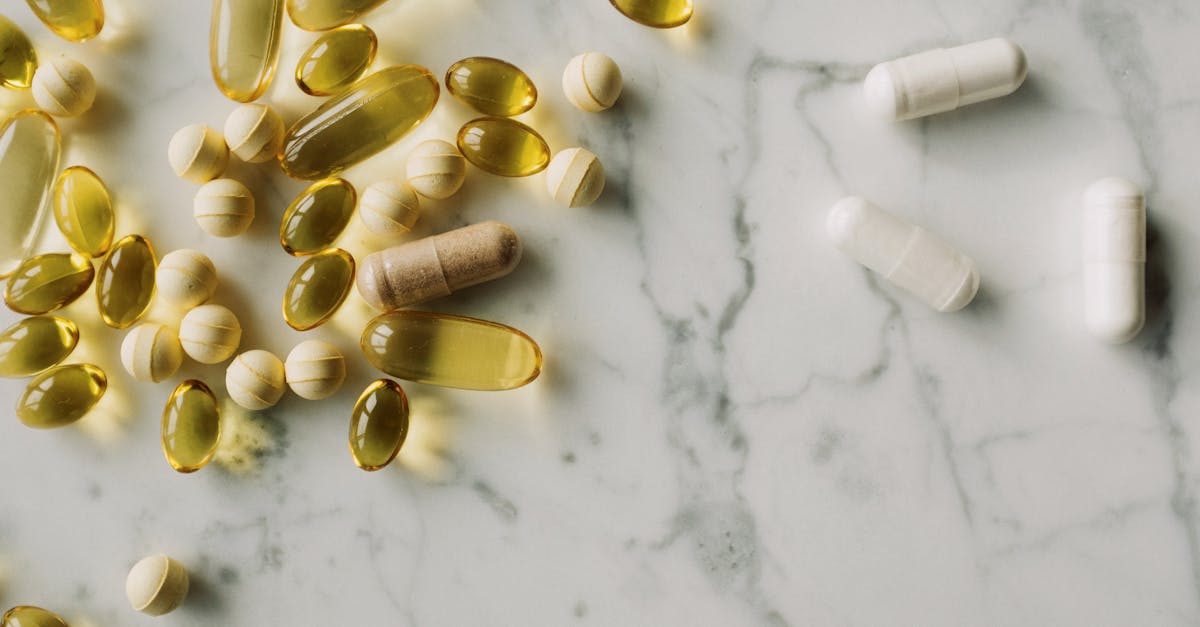
What the Research Actually Says About When to Take Ox Bile
If you've had your gallbladder removed, struggle to digest fatty foods, or notice pale, greasy stools, you may have already discovered ox bile supplements. But there's a persistent knowledge gap around when to take them — and that timing gap can mean the difference between genuine relief and wasted money.
Ox bile (also called bovine bile extract) provides exogenous bile acids — primarily cholic acid and chenodeoxycholic acid — that mimic the bile your liver and gallbladder would normally release in response to dietary fat. Because the gallbladder acts as a reservoir and releases bile in a precisely timed bolus, replicating that timing with an oral supplement is the central challenge.
This article breaks down the physiology, reviews what the research says about bile acid timing and fat digestion, and explains how a personalized supplement formula can address the full digestive support picture.
---
The Physiology Behind Bile Acid Timing
Understanding when to take ox bile starts with understanding what bile normally does and when it's released.
After you eat a meal containing fat, the duodenum releases cholecystokinin (CCK), a hormone that signals the gallbladder to contract and push bile into the small intestine — specifically the duodenum — where fat emulsification begins. This process typically occurs within 15 to 30 minutes of fat entering the digestive tract (Liddle, 1997, Annual Review of Physiology; doi.org/10.1146/annurev.physiol.59.1.221).
Bile acids are amphipathic molecules: they have a water-soluble side and a fat-soluble side, allowing them to form micelles around fat droplets and make them accessible to lipase enzymes. Without adequate bile, even if you produce sufficient pancreatic lipase, fat cannot be properly broken down and absorbed.
For people without a gallbladder, bile still drips continuously from the liver into the duodenum — but there is no concentrated, timed release. This is why post-cholecystectomy patients often experience fat malabsorption, loose stools after fatty meals, and fat-soluble vitamin deficiencies (vitamins A, D, E, and K) (Hearing, 2004, Alimentary Pharmacology & Therapeutics; PMID: 15569117).
---
When to Take Ox Bile: The Evidence-Based Window
The most important timing rule for ox bile is straightforward: take it at the start of, or immediately before, a meal that contains fat.
Here's the physiological rationale. Fat emulsification must occur in the proximal small intestine while food is actively passing through. If bile acids arrive too early — say, 30–60 minutes before eating — they are partially reabsorbed in the terminal ileum through the enterohepatic circulation before fat even reaches the duodenum. If they arrive too late — mid-meal or after — fat may already have moved past the primary absorption sites in the jejunum.
A 2014 review in Gastroenterology on bile acid physiology and malabsorption states that exogenous bile acid supplementation should be coordinated with the cephalic and gastric phases of digestion to maximize luminal availability during active fat digestion (Walters & Pattni, 2010, Alimentary Pharmacology & Therapeutics; PMID: 20497297).
Practical guidance based on this physiology:
- Take ox bile 10–15 minutes before a fat-containing meal or at the very first bite.
- Dose per meal, not once daily. Bile is released with every fat-containing eating occasion, not as a single daily pulse. Most clinical protocols use 100–500 mg of bile salts per meal depending on fat content.
- Scale the dose to fat content. A small snack with avocado warrants a smaller dose than a meal built around salmon, olive oil, and nuts.
- Skip it with low-fat or fat-free meals. There is no mechanistic reason to take ox bile with meals containing negligible fat.
| Meal Fat Content | Suggested Ox Bile Dose | Timing |
|---|---|---|
| Low fat (<5g) | Not needed | — |
| Moderate fat (5–20g) | 100–250 mg bile salts | 10–15 min before or at first bite |
| High fat (>20g) | 250–500 mg bile salts | 10–15 min before or at first bite |
Note: Always consult a healthcare provider before starting ox bile, especially if you have liver disease, active gallstones, or are on medications.
---
How Long Does Digestive Enzymes Take to Work — And How Does That Relate to Ox Bile?
Ox bile is often taken alongside pancreatic digestive enzymes, and understanding the timing of each helps optimize their combined effect.
Pancreatic enzymes — lipase, protease, and amylase — begin working almost immediately upon contact with food in the duodenum. Lipase has a half-life of activity of roughly 30 minutes in the GI tract and is inactivated by low pH (below 4), which is why enteric-coated formulations exist (Whitcomb & Lowe, 2007, Gastroenterology; PMID: 17466185). Clinically, enzyme replacement therapy for exocrine pancreatic insufficiency is typically dosed at the beginning of meals for exactly this reason — so the enzyme arrives in the duodenum in parallel with food.
Because ox bile and lipase work synergistically — bile emulsifies fat, making it accessible to lipase — they should ideally arrive in the duodenum at the same time. This reinforces the recommendation to take both supplements at the start of a fat-containing meal.
If you are using digestive enzymes to support broader digestive function, you might explore the clinical evidence behind digestive enzyme supplements to understand which enzyme forms are best matched to your specific digestive gaps.
For most people without exocrine pancreatic insufficiency, noticeable symptom relief from ox bile — reduced bloating, improved stool consistency, better tolerance of fatty foods — can begin within the first few meals, though it may take two to four weeks to accurately assess the full benefit as the gut microbiome adjusts to altered bile acid pools.
---
When to Take Magnesium Taurate and Its Connection to Bile Production
Magnesium taurate is not a digestive enzyme or a bile extract — but it has a legitimately relevant connection to bile acid metabolism that makes it worth discussing here.
Taurine, the amino acid component of magnesium taurate, is one of the two primary conjugates that the liver attaches to bile acids before secreting them into bile (the other is glycine). Taurocholic acid and taurochenodeoxycholic acid are the major conjugated bile acids in human bile. Taurine conjugation improves bile acid solubility at low pH and enhances their effectiveness as emulsifiers (Falany et al., 1994, Journal of Lipid Research; PMID: 8006018).
This means adequate taurine status supports your liver's endogenous bile acid production and conjugation capacity. Magnesium taurate provides both magnesium and taurine in a single compound — and magnesium itself plays a role in over 300 enzymatic reactions, including several steps in hepatic bile acid synthesis.
For cardiovascular and muscle function benefits, optimal magnesium glycinate dosage for sleep and relaxation is often the first recommendation — but for people specifically focused on liver and bile support, magnesium taurate's dual-action profile makes it a thoughtful choice.
Timing for magnesium taurate: Unlike ox bile, magnesium taurate is not acutely meal-dependent. Most clinicians recommend taking it in the evening — not because it is a sedative, but because magnesium absorption competes with calcium at intestinal transporters, and separating it from calcium-rich dairy at breakfast can improve uptake. A typical dose is 125–500 mg elemental magnesium as taurate, taken with dinner or before bed.
---
Best Time to Take Quercetin for Digestive and Bile Support
Quercetin is a polyphenol flavonoid best known for its anti-inflammatory and antihistamine properties, but emerging research suggests it plays a meaningful role in gut barrier integrity and bile acid metabolism.
A 2021 study in Nutrients found that quercetin supplementation modulated the gut microbiota in ways that altered bile acid biotransformation, particularly increasing the ratio of secondary bile acids — a marker of a healthy gut-liver axis (Duan et al., 2021, Nutrients; doi.org/10.3390/nu13051453).
Quercetin is also a known inhibitor of intestinal SGLT1 and GLUT2 transporters, which may slow glucose absorption and blunt post-meal blood sugar spikes — a mechanism that has implications for metabolic health broadly.
Best time to take quercetin: Quercetin is fat-soluble and has notoriously poor bioavailability in standard forms. Taking it with a fat-containing meal significantly improves absorption. A 2010 study in the European Journal of Nutrition found that quercetin absorption was substantially enhanced when co-administered with fat (Hollman et al., 1996, FEBS Letters; PMID: 8617261). Phytosome or quercetin phytosome forms (quercetin bound to phospholipids) can increase bioavailability up to 20-fold compared to unformulated quercetin.
Standard dosing range: 250–1000 mg/day, typically split across two meals. Take with breakfast and dinner alongside fat-containing foods for best absorption.
If you're exploring quercetin for histamine or immune support — rather than bile metabolism — you may also want to read about quercetin and histamine intolerance support to understand the full mechanistic picture.
---
Best Time to Take Spirulina (And Why It's a Different Category)
Spirulina is a blue-green algae rich in phycocyanin, a pigment with antioxidant activity, as well as protein, B vitamins, and iron. It is sometimes combined with digestive support protocols, but it operates through entirely different mechanisms than bile acids or digestive enzymes.
Spirulina does not directly support fat emulsification or bile acid function. Its relevance to this article is primarily as a co-supplement question: people building a digestive health stack sometimes ask whether spirulina and ox bile should be taken together.
The honest answer is: they do not interact meaningfully. Spirulina is water-soluble and does not require bile for absorption — it does not benefit from the fat-containing meal context that ox bile depends on.
Best time to take spirulina: Research suggests spirulina is best taken in the morning, away from heavy fat-containing meals, when its energizing B-vitamin and phycocyanin content can be most useful. A 2016 study in Medicine found that spirulina supplementation (at 4–8 g/day over 12 weeks) improved lipid profiles and fasting blood glucose in type 2 diabetes patients, without any particular meal-timing dependency noted (Szulińska et al., 2017, European Review for Medical and Pharmacological Sciences; PMID: 28724171).
If you're using spirulina primarily as a greens supplement or antioxidant support, it can be taken with water in the morning regardless of fat content. There is no evidence that it should be timed alongside ox bile, and the two supplements serve distinct purposes.
---
What This Means for Your Formula: How Ones Addresses Digestive Support
Building a supplement protocol around ox bile timing is not as simple as picking one product off a shelf. The most effective approaches account for multiple layers of digestive function — bile production, enzyme activity, gut barrier health, and micronutrient status — all of which interact.
Ones uses lab data, wearable insights, and health history to identify where digestive support gaps actually exist for each person. Within a personalized capsule formula, several specific ingredients are relevant to the bile and fat digestion picture:
- Liver Support (Ones System Blend): Ones' proprietary Liver Support blend is formulated to support hepatic bile acid synthesis and liver detoxification pathways. Because the liver is the upstream producer of all bile acids, optimizing liver function is a prerequisite for adequate bile output — especially in people with sluggish bile flow or fatty liver concerns.
- Magnesium Complex (Ones System Blend): Ones includes a Magnesium Complex that can provide magnesium in highly bioavailable forms. For users whose health profile points specifically to liver and bile support, the taurine-bound form is a clinically relevant option given taurine's role in bile acid conjugation.
- Omega-3 (EPA/DHA): Ones includes omega-3 fatty acids (EPA/DHA) at clinical doses. Omega-3s require bile acids for absorption — they are among the most bile-dependent nutrients. For users supplementing omega-3 for cardiovascular or inflammatory reasons, adequate bile acid support is mechanistically upstream of omega-3 effectiveness. You can explore the omega-3 EPA DHA ratio guide for more on how these fatty acids are absorbed and utilized.
Because Ones formulas come in 6, 9, or 12-capsule plans, individuals with significant digestive insufficiency — post-cholecystectomy patients, for example — can build a more comprehensive formula that addresses bile support, enzyme function, liver health, and fat-soluble vitamin repletion in a single daily regimen calibrated to their actual lab values.
---
Key Takeaways
- Timing is the most important variable with ox bile: Take it 10–15 minutes before, or at the first bite of, any fat-containing meal. Skip it with fat-free meals.
- Dose to fat content: 100–250 mg bile salts for moderate-fat meals; 250–500 mg for high-fat meals. Dose with each fat-containing eating occasion, not once daily.
- Digestive enzymes and ox bile work synergistically — both should be taken at the start of meals to ensure they reach the duodenum alongside incoming fat.
- Magnesium taurate supports endogenous bile production via taurine conjugation; take it in the evening with dinner, separated from calcium-rich foods.
- Quercetin should be taken with fat-containing meals to maximize bioavailability; spirulina has no bile-dependent timing and is best taken in the morning.
- Fat-soluble nutrient absorption (vitamins A, D, E, K, omega-3s) is directly dependent on bile acids — people with low bile output need to address both the supplement timing and the upstream liver and bile production support that a comprehensive formula can provide.