Women's Health
How Much Probiotics Do You Need for PCOS?
Women with PCOS are significantly more likely to have disrupted gut microbiomes than their peers — and that dysbiosis may worsen insulin resistance, androgens, and inflammation all at once. Getting the probiotic dose right matters, but the answer is more nuanced than picking the highest CFU count on the shelf.
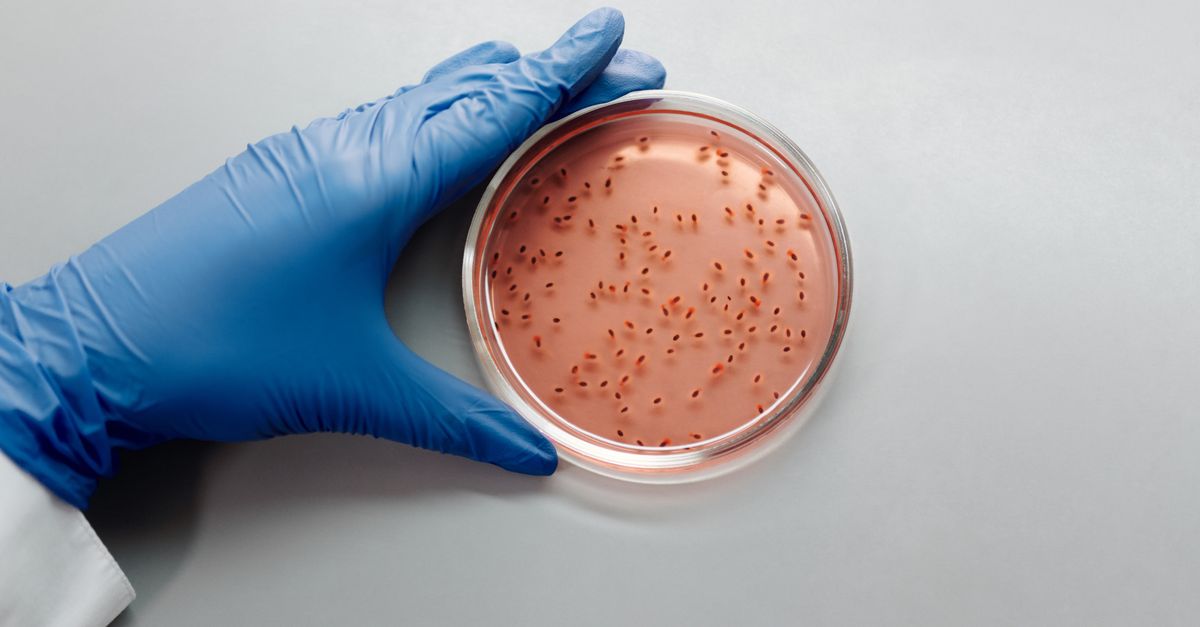
How Much Probiotics Do You Need for PCOS?
For most women with PCOS, a daily dose of 10–40 billion CFU from a multi-strain probiotic is the range supported by clinical trials. The main caveat: strain selection matters as much as dose — Lactobacillus acidophilus, L. rhamnosus, and Bifidobacterium species show the strongest PCOS-relevant evidence. Women with severe insulin resistance or active gut symptoms may benefit from the higher end of that range, while those managing mild hormonal imbalance often respond to 10–15 billion CFU.
---
Why Gut Health and PCOS Are Deeply Connected
Polycystic ovary syndrome affects an estimated 8–13% of women of reproductive age worldwide (World Health Organization, 2023). While it is classically described as a hormonal disorder, emerging research has reframed PCOS as a systemic condition in which the gut microbiome plays a central role.
A 2021 meta-analysis published in Frontiers in Endocrinology found that women with PCOS consistently show reduced microbial diversity compared to controls, with lower levels of Lactobacillus and Bifidobacterium species and higher levels of pro-inflammatory genera (Zeng et al., 2021; PMID: 33889124). This imbalance — called dysbiosis — is associated with increased intestinal permeability, allowing lipopolysaccharides (LPS) to enter circulation and trigger low-grade chronic inflammation.
That inflammation, in turn, drives insulin resistance and amplifies androgen production from the ovaries. In other words, a disrupted gut can directly worsen two of PCOS's most problematic features: high testosterone and poor blood sugar regulation.
Probiotics work by replenishing beneficial bacterial species, tightening the intestinal barrier, and modulating immune signaling — all mechanisms relevant to PCOS pathophysiology.
---
Probiotics Benefits for PCOS: What the Evidence Shows
Clinical trials on probiotics for PCOS have produced consistently encouraging results across several outcome measures.
Insulin sensitivity and fasting glucose. A 12-week randomized controlled trial (n=60) found that women with PCOS who received a multi-strain probiotic (8 billion CFU/day) showed significant reductions in fasting insulin, HOMA-IR, and fasting glucose compared to placebo (Ahmadi et al., Journal of Functional Foods 2017; PMID: 28758996). Improving insulin sensitivity is clinically important because hyperinsulinemia stimulates ovarian androgen synthesis.
Androgen levels. A 2019 double-blind RCT in Scientific Reports (n=60, 12 weeks, 8×10⁹ CFU/day) reported significantly lower total testosterone and DHEA-S in the probiotic group versus placebo (Shamasbi et al., 2019; PMID: 31641196). Reduced androgenic drive can translate to improvements in acne, hirsutism, and menstrual regularity.
Inflammatory markers. In the same trial, CRP and MDA (a marker of oxidative stress) were both meaningfully lower in women taking the probiotic. This is consistent with the proposed mechanism of reduced LPS translocation from the gut.
Lipid profile. A meta-analysis of probiotic supplementation in metabolic syndrome populations found significant reductions in LDL-C and triglycerides, and a modest increase in HDL-C — findings that directly apply to women with PCOS, who have disproportionately high cardiovascular risk (Cho & Kim, Nutrients 2015; PMID: 25875121).
Mental health. The gut-brain axis is increasingly recognized as relevant in PCOS. Anxiety and depression are 3–5× more common in PCOS populations, and early evidence suggests that probiotic supplementation may reduce depressive symptoms by modulating serotonin precursor availability and HPA axis activity — though more PCOS-specific trials are needed.
For context on how other supplements interact with these same hormonal pathways, the article on how much inositol you need for PCOS explains a complementary mechanism that many practitioners combine with probiotics.
---
Probiotics Dosage: Breaking Down the Clinical Numbers
Dose is expressed in CFU (colony-forming units), and not all CFU counts are equivalent — viability at time of consumption, encapsulation method, and strain survivability through stomach acid all affect how many bacteria actually reach the colon.
| Outcome Target | Studied Dose | Strains | Duration |
|---|---|---|---|
| Insulin resistance | 8 billion CFU/day | Multi-strain (Lactobacillus + Bifidobacterium) | 12 weeks |
| Testosterone reduction | 8–28 billion CFU/day | L. acidophilus, L. casei, B. bifidum | 8–12 weeks |
| CRP/inflammation | 10–20 billion CFU/day | Multi-strain | 8 weeks |
| Lipid panel | 10–40 billion CFU/day | L. rhamnosus, B. lactis | 12+ weeks |
| General microbiome diversity | 10–20 billion CFU/day | ≥3 strains | 4–8 weeks |
Practical dosing guidance:
- Start at 10 billion CFU/day if you are new to probiotics or have a sensitive gut, taken with or just before a meal to buffer stomach acid.
- After 2–4 weeks, you can increase to 20–30 billion CFU/day if tolerating well and want to target insulin or androgen markers specifically.
- Women with confirmed gut dysbiosis or concurrent IBS-type symptoms may benefit from 40 billion CFU/day, ideally under practitioner supervision.
- Choose formulas with at least 3 strains — L. acidophilus, L. rhamnosus, and a Bifidobacterium species at minimum.
- Look for enteric coating or acid-resistant capsule technology to ensure live CFU reach the large intestine.
- Refrigerated products are not automatically superior to shelf-stable ones, but check that the CFU count is guaranteed at expiry, not just at manufacture.
Probiotics pair meaningfully with dietary changes: a high-fiber, low-glycemic diet creates the prebiotic substrate that transplanted bacteria need to establish. The article on omega-3 dosing for PCOS covers another foundational supplement often stacked with probiotics in PCOS management protocols.
---
Signs of Probiotic Deficiency (and Gut Dysbiosis) in PCOS
There is no blood test that directly measures "probiotic deficiency," but there are clinical and symptomatic signals that suggest gut dysbiosis and may indicate that probiotic therapy deserves a closer look:
- Bloating, gas, or irregular bowel habits that are disproportionate to what you eat
- Recurrent yeast or bacterial vaginosis, which are linked to shifts in the Lactobacillus-dominant vaginal microbiome
- Pronounced post-meal blood sugar spikes or carbohydrate sensitivity not fully explained by diet alone
- Elevated fasting insulin or HOMA-IR on lab work, without major dietary explanation
- History of repeated antibiotic use, which depletes core probiotic species and can take 6–12 months to recover without active supplementation
- Persistent low-grade inflammation (elevated hsCRP, IL-6) on bloodwork alongside PCOS diagnosis
- Food intolerances that have worsened over time, a potential marker of increased intestinal permeability
If several of these signs overlap with your PCOS presentation, the gut microbiome is worth addressing as part of your overall protocol — not as a replacement for hormonal or metabolic interventions, but alongside them.
---
Probiotics Side Effects: What to Expect and When to Be Cautious
Probiotics are generally well-tolerated, but transient side effects in the first 1–2 weeks are common and do not mean the product is wrong for you.
Common and expected:
- Bloating and increased gas during the first 7–14 days as the gut microbiome adjusts
- Mild changes in stool frequency or consistency
- Temporary nausea when taken on an empty stomach
Less common:
- Histamine reactions: some probiotic strains (particularly certain Lactobacillus species like L. casei and L. bulgaricus) produce histamine as a metabolic byproduct. Women with PCOS who also have histamine intolerance — characterized by headaches, flushing, or skin reactions — should prioritize histamine-neutral or histamine-degrading strains such as L. rhamnosus GG and B. infantis.
- Worsening GI symptoms in people with severe SIBO (small intestinal bacterial overgrowth) — this is a reason to rule out SIBO before starting high-dose probiotics.
Who should use caution:
- Women who are immunocompromised should consult a physician before supplementing with live bacterial cultures.
- Probiotic safety in pregnancy is generally considered acceptable, but strain-specific guidance from a provider is recommended.
Stopping probiotics abruptly does not cause dependency, but the microbiome changes you have cultivated will gradually revert over 4–6 weeks if you stop supplementing and do not maintain a prebiotic-rich diet.
---
Combining Probiotics with Other PCOS Supplements
Probiotics do not operate in isolation. Several supplements commonly used in PCOS management work synergistically with probiotic therapy:
- Inositol (myo-inositol + D-chiro-inositol): Targets insulin signaling at the cellular level, complementing the gut-mediated insulin sensitivity improvements from probiotics. See how much inositol you need for PCOS for dosing detail.
- Omega-3 fatty acids: Reduce systemic inflammation and improve the lipid environment that supports a healthy mucosal layer in the gut. Evidence for omega-3 dosing in PCOS includes meaningful reductions in triglycerides and free androgens.
- Maca root: Some evidence suggests adaptogenic and hormonal-balancing properties; for dosing specifics, the guide on how much maca you should take for PCOS covers the trial data.
- Evening primrose oil: Supports prostaglandin balance and has been used for cycle regulation in PCOS; evening primrose oil dosing for PCOS has the clinical context.
Supplement interactions with probiotics are minimal — in fact, fat-soluble vitamins like D3 and K2 may improve gut mucosal integrity, indirectly supporting probiotic colonization. Antibiotics, however, should never be taken at the same time as probiotics; space them by at least 2 hours, or restart probiotic therapy after the antibiotic course completes.
---
What This Means for Your Formula
Because PCOS is metabolically and hormonally complex, a probiotic dose appropriate for one woman may be insufficient or excessive for another. The variables that matter most are existing gut microbiome composition, degree of insulin resistance, inflammatory burden, and concurrent supplement use — none of which are visible from a shopping cart.
Ones approaches this by integrating gut-related biomarkers, lab data, and health history to inform whether and at what dose probiotic support belongs in your custom formula. When probiotic therapy is indicated, Ones builds the recommendation around clinically validated strain combinations and CFU targets derived from the trial literature above, rather than generic one-size-fits-all blends.
Additionally, Ones includes Omega-3 (EPA/DHA) at clinically relevant doses, which directly supports the anti-inflammatory environment that makes probiotic colonization more effective. For women whose PCOS is driven heavily by insulin resistance, the formula may also incorporate nutrients that improve cellular glucose handling alongside gut support — because the gut and the metabolic system are not separate problems.
If your bloodwork shows elevated fasting insulin, high hsCRP, or androgen excess alongside gut symptoms, that combination of findings is exactly what Ones's AI health practitioner is designed to parse into a targeted, cohesive supplement plan.
---
Key Takeaways
- 10–40 billion CFU/day is the clinically studied range for PCOS, with most trials using 8–20 billion CFU over 8–12 weeks.
- Strain selection is as important as dose — prioritize L. acidophilus, L. rhamnosus, and Bifidobacterium species for PCOS-specific outcomes.
- Clinical evidence supports improvements in insulin sensitivity, testosterone levels, CRP, and lipid panels with consistent probiotic use.
- Transient bloating and gas in the first 1–2 weeks are normal and typically resolve; histamine-sensitive women should choose strains that do not produce histamine.
- Probiotics are most effective when combined with a high-fiber, low-glycemic diet and complementary supplements such as inositol and omega-3s.
- Because PCOS presentations vary widely, personalized dosing based on your labs and symptoms produces better outcomes than generic high-CFU products off the shelf.