Lab Results
How to Test Your Homocysteine Levels
Elevated homocysteine is one of the most under-tested cardiovascular and cognitive risk markers in routine bloodwork — yet a simple fasting plasma test can reveal it in minutes. Nearly 5–10% of the general population carries homocysteine above 15 µmol/L, a threshold linked to doubled risk of cardiovascular events and accelerated cognitive decline. Knowing how to test it correctly — and what to do with the result — can be a meaningful step toward proactive health management.
How to Test Your Homocysteine Levels
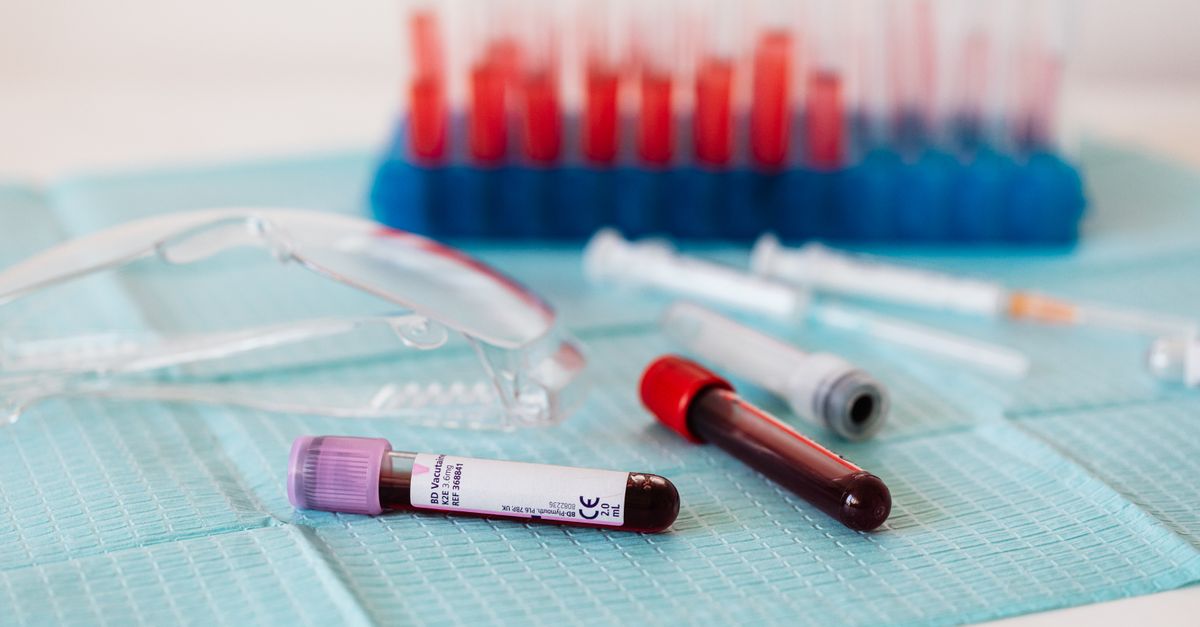
A fasting plasma homocysteine test ordered through your doctor or an online lab service is the standard method — it requires a simple blood draw, roughly 8–12 hours of fasting, and careful sample handling to prevent falsely elevated results. For most adults, a result below 10 µmol/L is considered optimal; above 15 µmol/L signals clinically elevated risk. The main caveat: values rise artifactually if blood sits at room temperature too long before processing, so same-day lab processing matters.
---
What Is Homocysteine and Why Does It Matter?
Homocysteine is a sulfur-containing amino acid produced during the metabolism of methionine, an essential amino acid found in animal proteins. Unlike most metabolic intermediates, homocysteine is not obtained from food — it is generated entirely within the body and should be efficiently recycled back into methionine or converted to cysteine via folate, B12, and B6-dependent pathways.
When those pathways are impaired — due to nutrient deficiencies, genetic polymorphisms like MTHFR C677T, kidney dysfunction, or certain medications — homocysteine accumulates. The consequences are well-documented: high circulating homocysteine promotes endothelial injury, increases oxidative stress, impairs nitric oxide synthesis, and activates clotting cascades (Hankey & Eikelboom, Lancet 1999; PMID: 10430299).
A landmark meta-analysis of 30 prospective studies found that a 25% lower homocysteine level — roughly 3 µmol/L — was associated with an 11% lower risk of ischemic heart disease and a 19% lower risk of stroke (Homocysteine Studies Collaboration, JAMA 2002; PMID: 11988731). Separately, elevated homocysteine has been independently associated with accelerated brain atrophy and increased risk of Alzheimer's disease, with one Oxford trial showing that B-vitamin supplementation in people with mild cognitive impairment reduced brain atrophy rates by up to 53% in those with baseline homocysteine above 13 µmol/L (Smith et al., PLOS ONE 2010; PMID: 20838622).
Yet homocysteine is rarely included in standard lipid panels or annual physicals. Most people who have never heard of it are walking around with values that would prompt immediate intervention if their clinician ordered the test.
---
How to Test Homocysteine: The Exact Protocol
Getting an accurate homocysteine result is not complicated, but a few procedural details matter significantly.
1. Choose Your Testing Route
You have three primary options:
- Primary care physician or cardiologist: The most common route. Your doctor orders a plasma homocysteine (also called total homocysteine or tHcy) panel. Covered by many insurance plans, especially when cardiovascular risk factors are present.
- Direct-to-consumer lab services: Companies like LabCorp Direct, Quest Diagnostics, and Ulta Lab Tests allow you to order homocysteine testing without a physician's referral. Costs typically range from $25–$60 out of pocket.
- Comprehensive health platforms: Services like Function Health include homocysteine as part of broader cardiovascular and metabolic panels — useful if you want context alongside HbA1c, CRP, apoB, and lipids at the same draw.
2. Fast Before the Draw
Fasting for 8–12 hours before your blood draw is the standard recommendation. Post-meal amino acid flux — particularly from methionine-rich meals — can transiently raise homocysteine values by 10–20%. If your lab report does not specify whether the sample was fasting, the result is harder to interpret reliably.
Water is fine. Avoid coffee, as caffeine has been shown to modestly elevate homocysteine through adenosine methylation pathways (Grubben et al., American Journal of Clinical Nutrition 2000; PMID: 11010942).
3. Ensure Rapid Sample Processing
This step is often overlooked by patients but is critical. Red blood cells release homocysteine into plasma during storage, meaning that blood left at room temperature for even an hour before centrifugation can produce falsely elevated results of 10–15%. Ideally:
- Blood should be collected in EDTA tubes kept on ice.
- The sample should be centrifuged within 30–60 minutes of collection.
- Plasma should be separated promptly.
If you are using a direct-to-consumer service, choose a patient service center that processes samples on-site rather than shipping whole blood overnight.
4. Request the Right Test
Ask specifically for plasma total homocysteine (tHcy). Some labs offer urine homocysteine screening (used primarily in classical homocystinuria diagnosis) — this is a different test and is not appropriate for cardiovascular or metabolic risk assessment in adults.
5. Understand Your Result
Here is a widely used clinical reference framework:
| Homocysteine Level (µmol/L) | Classification | Clinical Implication |
|---|---|---|
| < 7 | Optimal | Low cardiovascular and cognitive risk |
| 7–10 | Normal | Acceptable; monitor if other risk factors present |
| 10–15 | Borderline Elevated | Address B-vitamin status; retest in 3–6 months |
| 15–30 | Moderate Hyperhomocysteinemia | Active intervention warranted |
| 30–100 | Intermediate Hyperhomocysteinemia | Evaluate for MTHFR, B12, renal function |
| > 100 | Severe Hyperhomocysteinemia | Rule out classical homocystinuria; urgent workup |
Note that "normal" on a standard lab report is typically set at < 15 µmol/L, but a growing body of evidence suggests that values above 10 µmol/L carry meaningful incremental risk, particularly for cognitive outcomes. Always interpret results in context with your healthcare provider.
---
What Causes Elevated Homocysteine?
Before reaching for supplements, it is worth understanding the root causes — because treatment is most effective when it matches the mechanism driving the elevation.
Nutrient deficiencies are the most common driver in otherwise healthy adults. Folate, vitamin B12, and vitamin B6 are the three cofactors that clear homocysteine from the bloodstream. Deficiency in any one of them impairs the recycling pathways. B12 deficiency is particularly common in older adults and in vegans or vegetarians.
MTHFR polymorphisms affect roughly 40–60% of people of European descent. The C677T variant reduces enzyme efficiency for converting folate into its active form (5-methyltetrahydrofolate), which is required for homocysteine remethylation. People homozygous for C677T typically have 20–30% higher homocysteine at baseline and respond better to methylfolate supplementation than to folic acid.
Renal impairment is one of the strongest non-nutritional drivers — the kidneys play a key role in homocysteine clearance, and even mild CKD stages can push levels significantly higher.
Medications including methotrexate, proton pump inhibitors (via B12 depletion), metformin, and some anticonvulsants are documented contributors.
Lifestyle factors: Smoking, excessive alcohol intake, high coffee consumption, and a sedentary lifestyle are all associated with elevated homocysteine independent of dietary intake.
If you are curious about what the evidence says on the intervention side, the full breakdown of what supplements lower homocysteine covers the clinical trial data in detail.
---
Supplements to Lower Homocysteine: What the Evidence Supports
The most robust evidence for lowering homocysteine centers on three nutrients that directly feed the methylation and transsulfuration pathways:
Methylfolate (5-MTHF)
Active folate — not folic acid — is the form the body actually uses in homocysteine remethylation. For people with MTHFR variants, supplementing with 400–1,000 mcg of methylfolate (L-5-methyltetrahydrofolate) is more effective than folic acid at reducing plasma homocysteine. The VITATOPS trial, which enrolled 8,164 participants and used a combined B-vitamin supplement, demonstrated significant homocysteine reduction with folate at its core (VITATOPS Trial Study Group, Lancet Neurology 2010; PMID: 20688574).
Vitamin B12 (Methylcobalamin or Adenosylcobalamin)
B12 acts as a cofactor for methionine synthase, the enzyme that converts homocysteine back to methionine. Deficiency — even "low-normal" serum B12 — is sufficient to impair this pathway. Supplementation doses used in clinical trials typically range from 500 mcg to 1,000 mcg daily. Active forms (methylcobalamin, adenosylcobalamin) bypass the conversion step that cyanocobalamin requires.
Vitamin B6 (Pyridoxal-5-Phosphate)
B6 is essential for the transsulfuration pathway — the alternative route that converts excess homocysteine into cysteine and eventually glutathione. When both the remethylation and transsulfuration pathways are supported, homocysteine levels drop more substantially than with B12 and folate alone. Clinical trials typically use 10–50 mg of pyridoxal-5-phosphate (P5P), the bioactive form.
Betaine (TMG)
Trimethylglycine acts as an alternative methyl donor, enabling a folate-independent route to remethylate homocysteine. This makes betaine particularly useful in people whose folate pathway is compromised. Studies have used doses of 1.5–6 grams daily. Betaine is especially effective in patients with elevated homocysteine driven by alcohol use, renal impairment, or MTHFR homozygosity.
Riboflavin (B2)
Often overlooked, riboflavin is the cofactor for MTHFR enzyme activity. In individuals who are MTHFR C677T homozygous, riboflavin supplementation (1.6 mg/day) has been shown to significantly lower homocysteine even when folate status appears adequate (McNulty et al., Circulation 2006; PMID: 16534031).
For a deeper look at the evidence hierarchy for each of these nutrients — including effect sizes and trial durations — the article on supplements for homocysteine provides the full clinical breakdown.
---
Homocysteine in Context: What Else Should You Test?
Homocysteine does not tell the full cardiovascular story on its own. If your result comes back elevated, these companion markers add valuable mechanistic context:
- Serum B12 and folate: To identify the nutritional driver.
- RBC folate: More reflective of tissue folate status than serum folate, which fluctuates with recent intake.
- MTHFR genotype: A simple genetic test (often available from 23andMe or a functional medicine panel) that informs whether methylfolate vs. folic acid supplementation is appropriate.
- ApoB and LDL particle number: Homocysteine and apoB are additive risk factors; if both are elevated, cardiovascular intervention becomes more urgent. See the detailed guide on what supplements lower ApoB for parallel strategies.
- hsCRP: Homocysteine promotes vascular inflammation; CRP quantifies the systemic inflammatory load.
- Creatinine and eGFR: To rule out renal impairment as the driver.
- Lipid panel (total cholesterol, LDL, HDL, triglycerides): For complete cardiovascular risk stratification. The evidence around what supplements lower total cholesterol may be relevant if your panel returns abnormal lipids alongside elevated homocysteine.
If you test homocysteine alongside metabolic markers, it is also worth assessing insulin sensitivity — the HOMA-IR blood test is a calculated ratio derived from fasting insulin and fasting glucose, and insulin resistance and hyperhomocysteinemia frequently co-occur in the same metabolic phenotype. Neither test is a substitute for the other, but together they build a more complete picture of cardiometabolic risk.
---
How Ones Addresses Elevated Homocysteine
When Ones analyzes your blood work, homocysteine is treated as a tier-1 cardiovascular and methylation marker. Elevated results prompt the AI to examine companion data — B12 and folate levels, renal function markers, and any lifestyle inputs you have logged — before building your personalized formula.
Depending on what is driving your elevation, Ones formulas may include:
- Methylfolate (L-5-MTHF): Included at doses that match clinical trial protocols for homocysteine reduction, prioritized over folic acid for individuals with flagged MTHFR risk or suboptimal folate status.
- Active B12 (methylcobalamin): Dosed at ranges consistent with remethylation support, not just sufficiency thresholds. Low-normal B12 — the kind that passes standard lab review but still impairs methionine synthase — is a common finding that Ones is calibrated to catch.
- Vitamin B6 (P5P): The bioactive pyridoxal-5-phosphate form is included when transsulfuration pathway support is indicated, particularly in formulas built for people with high protein intake or borderline cysteine/glutathione status.
The formula is built within either a 6- or 9-capsule daily plan, and the AI selects the plan based on the total number of clinically relevant findings — not on a menu you choose from. If your homocysteine is the only flagged marker, you are unlikely to need a 9-capsule plan; if it is elevated alongside cardiovascular lipids, methylation SNPs, and low B12, the formula expands accordingly.
---
Key Takeaways
- Order a fasting plasma total homocysteine (tHcy) test — not a urine screen — and ensure the sample is processed within 30–60 minutes of collection to avoid falsely elevated results.
- Optimal is below 10 µmol/L. Standard lab "normal" cutoffs (< 15 µmol/L) are too permissive for cardiovascular and cognitive risk prevention based on current evidence.
- The primary drivers are B12, folate, and B6 deficiency — plus MTHFR polymorphisms, renal impairment, and certain medications. Matching intervention to cause is more effective than supplementing broadly.
- Methylfolate, active B12, P5P, betaine, and riboflavin are the nutrients with the strongest clinical evidence for lowering elevated homocysteine; none of them work optimally in isolation.
- Homocysteine is most informative alongside companion markers — apoB, hsCRP, RBC folate, serum B12, MTHFR genotype, and eGFR — rather than interpreted in a vacuum.
- Personalized supplementation based on your actual lab values — as Ones provides — is more precise than broad-spectrum B-complex supplementation at standard multivitamin doses.