Lab Results
How to Test Hemoglobin: What the Results Mean
Hemoglobin is the protein inside red blood cells that carries oxygen to every tissue in your body — and a simple blood draw can reveal whether yours is working efficiently. Low hemoglobin is the defining marker of anemia, which affects over 1.62 billion people worldwide according to WHO estimates. Understanding how the test works, what the numbers mean, and what drives them up or down is one of the most actionable things you can do from a standard lab panel.
How to Test Hemoglobin: What the Results Mean
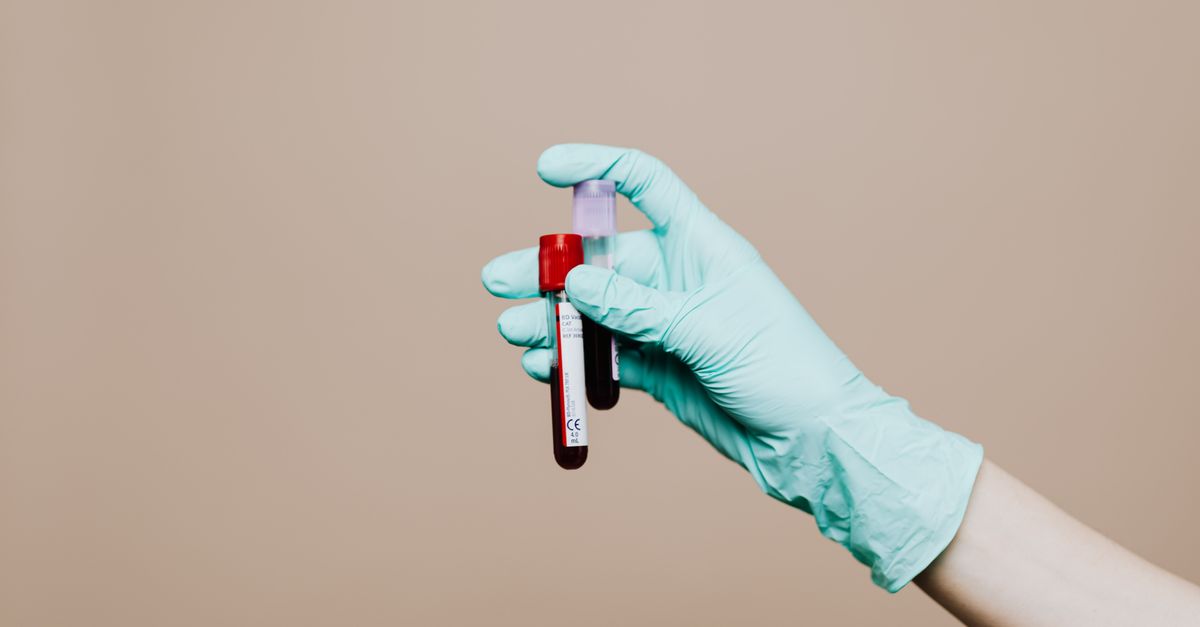
Hemoglobin testing is done as part of a standard complete blood count (CBC) — a routine blood draw analyzed by an automated hematology analyzer in minutes. For most people, a CBC ordered by a primary care physician or through a direct-to-consumer lab is all that's needed. The main caveat: a normal hemoglobin number does not rule out functional iron deficiency, and anyone with symptoms like persistent fatigue, brain fog, or cold intolerance should also look at ferritin, serum iron, and transferrin saturation alongside it.
What Hemoglobin Actually Is — and Why It Matters
Hemoglobin (Hgb or Hb) is an iron-containing protein found in red blood cells. Each hemoglobin molecule is made up of four protein subunits, each holding a heme group with a single iron atom at its center. That iron atom is what binds oxygen in the lungs and releases it to muscles, organs, and the brain. Without adequate hemoglobin, cells are essentially working in a low-oxygen environment — and the downstream effects touch everything from energy metabolism to cognitive function.
The CBC measures hemoglobin in grams per deciliter (g/dL) of whole blood. It is reported alongside related markers:
| Marker | What It Measures |
|---|---|
| Hemoglobin (Hgb) | Total oxygen-carrying protein in g/dL |
| Hematocrit (Hct) | Percentage of blood volume made up of red blood cells |
| MCV (Mean Corpuscular Volume) | Average size of red blood cells (fL) |
| MCH | Average hemoglobin mass per red blood cell |
| RDW | Variation in red blood cell size — flags mixed deficiencies |
Understanding how these markers interrelate is essential for interpreting your results correctly — a skill covered in detail in how to read your blood test results.
How the Hemoglobin Blood Test Is Performed
The test itself requires no special preparation in most cases, though significant recent physical activity, altitude changes, or dehydration can temporarily shift values. Here is the standard testing process:
- Venipuncture blood draw: A phlebotomist collects 3–7 mL of blood into an EDTA-anticoagulated tube (purple top). EDTA prevents clotting so the sample can be analyzed as whole blood.
- Automated CBC analyzer: The sample runs through a hematology analyzer (instruments like the Sysmex XN or Beckman Coulter DxH series are common) that uses light scattering and electrical impedance to count and characterize cells.
- Hemoglobin quantification: Most modern analyzers use the cyanmethemoglobin or sodium lauryl sulfate (SLS) method — the hemoglobin is chemically lysed and converted to a stable chromogen measured by spectrophotometry at 540 nm.
- Results reporting: Turnaround is typically same-day for in-lab draws, and 1–3 business days for samples sent to a reference lab.
Point-of-care hemoglobin testing using fingerstick devices (e.g., HemoCue, Masimo Pronto-7) is also used in clinical settings and community screening programs. These are accurate enough for screening but less precise than venous CBC for diagnostic decisions. A 2012 systematic review of HemoCue fingerstick methods found good correlation with venous samples (r = 0.95) but a mean bias of approximately ±1 g/dL in field conditions (Sari et al., Tropical Medicine & International Health 2012; PMID: 22171764).
Reference Ranges and Optimal Hemoglobin Levels
Laboratory reference ranges vary slightly by institution and analyzer calibration, but the following are widely accepted clinical thresholds:
| Population | Low (Anemia Threshold) | Normal Range | Elevated |
|---|---|---|---|
| Adult men | < 13.0 g/dL | 13.5–17.5 g/dL | > 17.5 g/dL |
| Adult women | < 12.0 g/dL | 12.0–15.5 g/dL | > 15.5 g/dL |
| Pregnant women | < 11.0 g/dL | 11.0–14.5 g/dL | — |
| Children (6–12 yr) | < 11.5 g/dL | 11.5–15.5 g/dL | > 15.5 g/dL |
| Older adults (65+) | < 12.0 g/dL | 12.0–17.0 g/dL | > 17.0 g/dL |
The WHO defines anemia in adults as hemoglobin below 13 g/dL in men and below 12 g/dL in non-pregnant women. However, the "normal" range on a lab report is not the same as optimal. Functional performance and cognitive output have been shown to decline at hemoglobin levels that still technically fall within reference range. A large cohort study in the Journal of the American Geriatrics Society found that hemoglobin values even in the low-normal range (12–13 g/dL in older adults) were associated with significantly greater fatigue, slower gait speed, and reduced grip strength compared to values of 14–15 g/dL (Penninx et al., JAGS 2004; PMID: 15086652).
For athletes and active individuals, optimal hemoglobin is typically in the upper third of the reference range. Sport medicine literature identifies hemoglobin below 14 g/dL in male endurance athletes as a meaningful limiter of VO2max, even without overt anemia.
What Causes Low Hemoglobin?
Low hemoglobin — clinically called anemia — has dozens of underlying causes. The most common are:
- Iron deficiency anemia (IDA): The leading cause globally, responsible for approximately 50% of all anemia cases (WHO, 2023). Low iron limits heme synthesis; red blood cells are small (low MCV) and pale (low MCH).
- Vitamin B12 or folate deficiency: These vitamins are required for DNA synthesis in developing red blood cells. Deficiency produces large, immature cells (high MCV, macrocytic anemia).
- Chronic disease: Inflammatory conditions (rheumatoid arthritis, IBD, chronic kidney disease) suppress erythropoietin production and iron recycling, causing anemia of chronic inflammation — normal or low MCV, elevated ferritin.
- Hemolysis: Premature destruction of red blood cells (from autoimmune conditions, G6PD deficiency, or sickle cell disease).
- Blood loss: Acute (trauma, surgery) or chronic (GI bleeding, heavy menstruation).
- Hypothyroidism: The thyroid hormone triiodothyronine (T3) directly stimulates erythropoiesis; hypothyroid states can produce mild normocytic anemia even when thyroid symptoms are subtle.
Diagnostic accuracy matters here. A 2020 meta-analysis of 74 studies confirmed that relying on hemoglobin alone misclassifies up to 30% of iron-deficient individuals who are not yet anemic — particularly premenopausal women and endurance athletes (Stoffel et al., British Journal of Nutrition 2020; PMID: 31690362). This is why serum ferritin remains the most sensitive single marker for iron stores, and why understanding the full panel from your lab report is important when reviewing results.
What Causes High Hemoglobin?
Elevated hemoglobin — polycythemia — is less common but clinically significant:
- Altitude adaptation: Living or training at high altitude stimulates erythropoietin (EPO) release, which drives red blood cell production.
- Dehydration: Hemoconcentration artificially raises hemoglobin on a lab report.
- Chronic obstructive pulmonary disease (COPD): Chronic low oxygen triggers compensatory polycythemia.
- Testosterone therapy or anabolic steroid use: Exogenous androgens stimulate erythropoiesis; hematocrit monitoring is standard practice for men on TRT.
- Polycythemia vera: A rare myeloproliferative disorder causing unregulated red blood cell overproduction — associated with elevated JAK2 mutation markers.
- Sleep apnea: Nocturnal hypoxia can produce mild polycythemia. If you're experiencing disrupted sleep alongside unexplained hemoglobin elevation, it's worth exploring how deep sleep can recover after chronic stress, since sleep fragmentation and oxygen desaturation are interlinked.
Hemoglobin above 17.5 g/dL in men or 15.5 g/dL in women warrants further investigation, including repeat testing with hydration correction, oxygen saturation measurement, and JAK2 testing if no secondary cause is identified.
Understanding MCV and Red Blood Cell Size Alongside Hemoglobin
MCV is one of the most powerful diagnostic tools on the CBC because it helps narrow the cause of low hemoglobin before any additional testing:
| MCV Result | Anemia Classification | Common Causes |
|---|---|---|
| Low MCV (< 80 fL) | Microcytic | Iron deficiency, thalassemia, lead poisoning |
| Normal MCV (80–100 fL) | Normocytic | Chronic disease, blood loss, hemolysis, early mixed deficiency |
| High MCV (> 100 fL) | Macrocytic | B12 deficiency, folate deficiency, alcohol use, hypothyroidism |
A high RDW (red cell distribution width > 14.5%) alongside any MCV pattern suggests a mixed deficiency — for example, combined iron and B12 deficiency — where the two opposing size effects cancel out and produce a falsely normal MCV. This is especially common in people who eat restrictive diets or have malabsorption.
Reading through a full CBC alongside other metabolic markers requires practice. A plain-English breakdown of every marker is available in understanding blood test results explained on your lab report.
Secondary Markers That Improve Hemoglobin Interpretation
Hemoglobin does not tell the full story alone. Clinicians typically layer in several additional markers when evaluating oxygen-carrying capacity and red blood cell health:
Ferritin: The most important first-line add-on. Serum ferritin below 30 ng/mL confirms iron depletion even when hemoglobin is still within normal limits. Values between 12 and 30 ng/mL represent iron deficiency without anemia — a state where fatigue and exercise intolerance are already measurable. The relationship between ferritin and functional status is explored in depth in understanding your blood test results.
Reticulocyte count: Reticulocytes are immature red blood cells just released from bone marrow. A low reticulocyte count with anemia suggests impaired production (nutritional deficiency, bone marrow suppression); a high count suggests active hemolysis or recovery after supplementation.
Serum B12 and methylmalonic acid (MMA): B12 is required for red blood cell maturation. Elevated MMA in blood or urine is a more sensitive marker of functional B12 deficiency than serum B12 alone.
Folate (serum or RBC): RBC folate is more stable than serum folate and reflects longer-term tissue stores. Needed alongside B12 in macrocytic workup.
Thyroid panel (TSH, free T4): Mild anemia unresponsive to iron supplementation should trigger thyroid evaluation. Hypothyroidism slows erythropoiesis directly.
Zinc: Zinc is required for delta-aminolevulinic acid dehydratase (ALAD) activity in heme synthesis — a step often overlooked. Mild zinc deficiency can impair hemoglobin production even when iron is adequate (Nishiyama et al., European Journal of Clinical Nutrition 2004; PMID: 15116074). For more on zinc's role in blood health, see zinc deficiency symptoms and the blood test every immune-focused person should know.
How Ones Addresses Hemoglobin and Oxygen-Carrying Capacity
Ones does not prescribe iron supplementation directly — because iron overdosing carries real risk (oxidative stress, GI damage, hemochromatosis in genetically susceptible individuals), and dosing should be driven by confirmed deficiency on lab results. What Ones does do is build formulas around the co-factors that support healthy red blood cell production and hemoglobin synthesis, personalized to your actual bloodwork and wearable data.
For users whose labs flag borderline iron status or nutritional gaps affecting RBC quality, relevant Ones ingredients include:
- Zinc (as zinc bisglycinate, 15–25 mg): Zinc's role in heme biosynthesis is well-established. Ones calibrates zinc dose to your tested serum zinc levels — since excess zinc competes with copper absorption and can worsen anemia through a different pathway.
- Omega-3 (EPA + DHA, from high-purity fish oil): EPA and DHA influence red blood cell membrane fluidity and deformability — a factor in how efficiently red blood cells navigate small capillaries and deliver oxygen. A meta-analysis of 23 trials found omega-3 supplementation significantly reduced oxidative stress markers in erythrocytes (Calder, Prostaglandins, Leukotrienes and Essential Fatty Acids 2015; PMID: 26188429). For more on this mechanism, see does omega-3 help with insomnia — the same RBC membrane effects that improve sleep architecture also support overnight tissue oxygenation.
- Vitamin D3 + K2 (MK-7): Vitamin D receptors are expressed on erythroid progenitor cells, and vitamin D deficiency has been independently associated with lower hemoglobin in population studies. Ones pairs D3 with MK-7 in a single capsule, mirroring the clinical co-administration used in trials for optimal D3 absorption and calcium partitioning.
The Ones AI analyzes your CBC alongside your ferritin, zinc, vitamin D, and omega-3 index results to understand which gaps are actually present — rather than stacking generic anemia supplements that may not apply to your physiology.
Key Takeaways
- Hemoglobin is measured as part of a standard CBC blood draw — no special prep required, with results available same-day in most labs.
- Normal reference ranges differ by sex and age; optimal hemoglobin for function often sits in the upper third of the reference range, not just "not anemic."
- MCV is the most important diagnostic companion to hemoglobin: low MCV points to iron or thalassemia; high MCV points to B12 or folate deficiency; normal MCV with a high RDW suggests a mixed picture.
- Hemoglobin can be normal while iron stores (ferritin) are already depleted — always test ferritin alongside hemoglobin if fatigue is present.
- High hemoglobin warrants evaluation for dehydration, altitude, sleep apnea, testosterone use, and — if persistent — polycythemia vera.
- Supporting nutrients for hemoglobin quality include zinc, vitamin D, omega-3 fatty acids, B12, and folate — not just iron — which is why a full-panel approach to lab interpretation matters before supplementing.