Symptoms
Digestive Issues: Bloating, IBS, and the Supplement and Diet Protocol
Nearly 45 million Americans live with irritable bowel syndrome, and millions more experience chronic bloating that derails daily life — yet most never address the root cause. The right combination of digestive enzymes, probiotics, and targeted nutrients can meaningfully reduce symptoms, but the protocol matters as much as the ingredients. Here's what the clinical evidence actually supports, and how to build a formula that works for your gut.
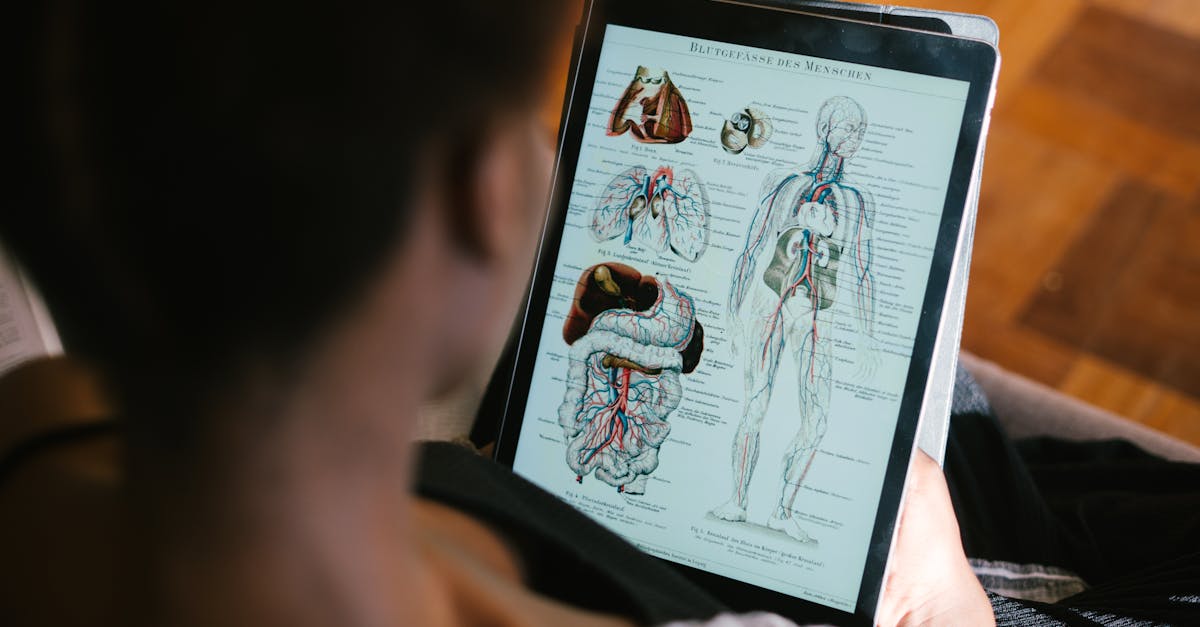
Digestive Issues: Bloating, IBS, and the Supplement and Diet Protocol
Chronic bloating and irritable bowel syndrome (IBS) are among the most common — and most frustrating — complaints in modern healthcare. The International Foundation for Gastrointestinal Disorders estimates that IBS affects between 10–15% of the global population, with many cases going undiagnosed for years. Bloating, in particular, affects up to 30% of adults regularly, according to data published in The American Journal of Gastroenterology (Lacy et al., 2016; PMID: 27144627).
What makes these conditions so difficult is that they are rarely caused by a single factor. Gut dysbiosis, low digestive enzyme output, visceral hypersensitivity, food intolerances, and stress-driven gut-brain axis dysfunction can all contribute simultaneously. The good news: a targeted, evidence-based supplement and diet protocol — one that accounts for your individual biology — can deliver meaningful, measurable relief.
This article walks through the clinical evidence for the most impactful supplements for bloating and digestion, how to structure an IBS supplement protocol, and how a personalized approach can make all the difference.
---
Gut Health and Bloating: What's Actually Happening
Bloating is not simply a matter of eating too much or too fast. At a physiological level, it involves a complex interplay of intestinal gas production, altered gut motility, visceral hypersensitivity, and microbiome imbalance. In people with IBS, the gut lining is often more permeable than normal — a phenomenon sometimes called "leaky gut" — which allows bacterial metabolites to trigger immune responses and inflammation (Camilleri, New England Journal of Medicine, 2012; PMID: 22738099).
Key drivers of bloating and IBS include:
- Gut dysbiosis: An imbalance between beneficial and pathogenic bacteria in the large intestine
- Small intestinal bacterial overgrowth (SIBO): Excess bacteria in the small intestine fermenting carbohydrates prematurely
- Low digestive enzyme activity: Insufficient production of amylase, lipase, or protease leading to undigested food reaching the colon
- Gut-brain axis dysfunction: Chronic stress elevates cortisol and alters gut motility, a mechanism well-documented in IBS research (Mayer et al., Nature Reviews Gastroenterology & Hepatology, 2015; PMID: 25614287)
- Histamine intolerance: Deficiency in diamine oxidase (DAO) enzyme causing inflammatory responses to histamine-rich foods
Understanding which of these mechanisms is dominant in your case is the first step toward an effective protocol. This is where lab data and health history become critical — a point we'll return to later.
---
Digestive Enzymes and Probiotics: The Foundation of Gut Support
Two supplement categories consistently show clinical benefit for bloating and IBS: digestive enzymes and probiotics. Used together, they address both the upstream problem (incomplete digestion) and the downstream problem (microbial imbalance).
Digestive Enzymes
Broad-spectrum digestive enzyme supplements containing amylase, protease, lipase, lactase, and cellulase have been shown to reduce postprandial bloating and gas. A randomized, double-blind trial published in Digestive Diseases and Sciences found that a multi-enzyme supplement significantly reduced bloating, flatulence, and fullness after meals compared to placebo in adults with functional dyspepsia (Majewski et al., 2014; PMID: 24146095).
For those specifically intolerant to lactose or fructose, targeted enzyme therapy is particularly effective. Lactase supplementation, for example, has strong evidence for reducing gas and diarrhea in lactose-intolerant individuals (NIH National Institute of Diabetes and Digestive and Kidney Diseases, consensus statement).
Probiotics
The probiotic evidence for IBS is robust. A Cochrane systematic review of 37 randomized controlled trials found that probiotics were significantly more effective than placebo at reducing overall IBS symptom severity, abdominal pain, and bloating (Ford et al., American Journal of Gastroenterology, 2014; PMID: 24867595). The strains with the strongest evidence include:
| Probiotic Strain | Primary Benefit | Evidence Level |
|---|---|---|
| *Lactobacillus plantarum* 299v | IBS pain and bloating | Multiple RCTs |
| *Bifidobacterium infantis* 35624 | IBS global symptoms | Phase II/III trials |
| *Lactobacillus rhamnosus* GG | Diarrhea-predominant IBS | Meta-analysis supported |
| *Saccharomyces boulardii* | Post-antibiotic gut repair | Cochrane-reviewed |
| Multi-strain blends | Broad dysbiosis | Meta-analysis supported |
Dosing matters: most clinical trials demonstrating efficacy used between 10 and 50 billion CFU per day, taken consistently for a minimum of 4–8 weeks. Lower doses or inconsistent use are common reasons why people feel probiotics "don't work" for them.
For a deeper look at how omega-3 fatty acids interact with gut inflammation, see our guide on omega-3 EPA DHA ratios and systemic inflammation.
---
IBS Supplement Protocol: What to Layer In and When
An effective IBS supplement protocol is not one-size-fits-all, but clinical evidence supports a layered approach organized around symptom subtype and gut function.
Phase 1 (Weeks 1–4): Rebuild the Gut Lining and Reduce Inflammation
- L-Glutamine (5g/day): The primary fuel source for enterocytes (intestinal lining cells). A pilot randomized controlled trial in patients with post-infectious IBS-D found that 5g of L-glutamine three times daily significantly reduced intestinal permeability and IBS symptom scores compared to placebo (Zhou et al., Gut, 2019; PMID: 30108163).
- Zinc Carnosine (75mg/day): A chelated form of zinc shown to support mucosal integrity and reduce inflammatory cytokines in the gut lining (Mahmood et al., Nutrition, 2007; PMID: 17259087).
- Omega-3 Fatty Acids (EPA + DHA, 2–3g/day): Broad anti-inflammatory action. EPA in particular suppresses the leukotriene pathway that drives gut mucosal inflammation.
Phase 2 (Weeks 4–8): Optimize Microbiome and Enzyme Activity
- Multi-strain probiotic (25–50 billion CFU): Introduce after the initial lining support phase for better colonization outcomes.
- Broad-spectrum digestive enzymes: Taken with main meals, especially if meals include high-fiber vegetables, legumes, or dairy.
- Prebiotic fiber (partially hydrolyzed guar gum or acacia fiber, 5–10g/day): Unlike some prebiotics, PHGG and acacia fiber are well-tolerated in IBS patients and do not significantly worsen gas or bloating. A study in Journal of Human Nutrition and Dietetics found PHGG supplementation reduced IBS symptom severity scores after 12 weeks (Niv et al., 2016; doi.org/10.1111/jhn.12302).
Phase 3 (Ongoing): Stress and Gut-Brain Axis Support
Given the well-established relationship between chronic stress, cortisol dysregulation, and IBS symptom severity, adaptogen support is often the missing piece in gut protocols.
- Ashwagandha KSM-66 (600mg/day): The most clinically studied ashwagandha extract for cortisol reduction. In a double-blind RCT published in Medicine, 240mg of KSM-66 extract daily (a lower dose than the 600mg full-root extract) significantly reduced cortisol, stress, and anxiety scores over 60 days (Pratte et al., Journal of Alternative and Complementary Medicine, 2014; PMID: 25405876). Chronic cortisol elevation directly impairs gut motility and increases intestinal permeability — managing stress is inseparable from managing IBS.
- Magnesium Glycinate (300–400mg/day): Supports smooth muscle relaxation in the gut wall, particularly relevant for IBS-C (constipation-predominant). Magnesium also plays a role in reducing the stress response that feeds gut-brain dysfunction. For more on optimal dosing and forms, see our article on magnesium glycinate for sleep and muscle recovery.
---
Supplements for IBS: Evidence-Based Options by Symptom Subtype
Because IBS presents across a spectrum — from predominantly diarrhea (IBS-D) to predominantly constipation (IBS-C) to mixed (IBS-M) — not every supplement is appropriate for every subtype.
| Supplement | IBS-D | IBS-C | IBS-M | Bloating Only |
|---|---|---|---|---|
| Psyllium husk (10–20g/day) | ✓ | ✓ | ✓ | ✓ |
| Peppermint oil enteric-coated (180–225mg) | ✓ | — | ✓ | ✓ |
| L-Glutamine | ✓ | — | ✓ | — |
| Magnesium Glycinate | — | ✓ | ✓ | — |
| Multi-strain probiotic | ✓ | ✓ | ✓ | ✓ |
| Digestive enzymes | — | — | ✓ | ✓ |
| Ashwagandha KSM-66 | ✓ | ✓ | ✓ | — |
Peppermint oil deserves special mention. A meta-analysis of 12 randomized controlled trials in Journal of Clinical Gastroenterology concluded that enteric-coated peppermint oil was significantly superior to placebo for global IBS symptom improvement and abdominal pain, with a number needed to treat (NNT) of approximately 2.5 — among the strongest effects seen for any IBS supplement (Khanna et al., 2014; PMID: 24100754).
For foundational micronutrient context, also consider that vitamin D deficiency is significantly associated with IBS severity. A 2016 pilot trial found that vitamin D3 supplementation improved IBS quality-of-life scores significantly versus placebo (Williams et al., European Journal of Gastroenterology & Hepatology, 2018; PMID: 29112081). Our article on vitamin D3 and K2 optimal levels covers dosing in detail.
---
Diet Protocol: What to Eat (and Avoid) When Managing Bloating and IBS
No supplement protocol outperforms a misaligned diet. The most evidence-supported dietary intervention for IBS is the low-FODMAP diet, developed at Monash University. FODMAPs (fermentable oligosaccharides, disaccharides, monosaccharides, and polyols) are short-chain carbohydrates that are poorly absorbed and rapidly fermented by gut bacteria, generating gas and osmotic fluid shifts.
A systematic review of 22 studies found that a low-FODMAP diet reduced overall IBS symptoms in 50–86% of patients (Rao et al., Clinical Gastroenterology and Hepatology, 2015; PMID: 25596167). The protocol is structured in three phases:
- Elimination phase (4–6 weeks): Remove all high-FODMAP foods (wheat, onion, garlic, apples, legumes, lactose-containing dairy, sweeteners like sorbitol/mannitol)
- Reintroduction phase (6–8 weeks): Systematically reintroduce individual FODMAP categories to identify personal triggers
- Personalization phase (ongoing): Maintain a diet that avoids only confirmed triggers, preserving gut microbiome diversity
Additional evidence-backed dietary strategies include:
- Eating smaller, more frequent meals to reduce gastric distension
- Reducing carbonated beverages and chewing gum (both introduce excess air)
- Limiting ultra-processed foods high in emulsifiers like polysorbate-80 and carboxymethylcellulose, which have been shown to disrupt the gut mucus layer and promote dysbiosis (Chassaing et al., Nature, 2015; PMID: 25731162)
- Increasing soluble fiber through oats, psyllium husk, and flaxseed for IBS-C
---
What This Means for Your Formula
At Ones, the approach to gut health starts with what's actually going on in your body. By analyzing blood work markers (including markers of inflammation like hsCRP, vitamin D status, and zinc levels), wearable data (sleep quality, stress patterns, HRV), and your detailed health history, Ones' AI health practitioner builds a custom capsule formula designed around your specific gut presentation.
For someone dealing with chronic bloating and IBS, a Ones formula might include:
- Magnesium Glycinate (part of Ones' Magnesium Complex): Dosed at 300–400mg to support gut smooth muscle function and stress-related gut-brain axis dysregulation, consistent with clinical recommendations.
- Ashwagandha KSM-66 at 600mg: The full clinical dose used in the landmark cortisol and stress trials. Chronic stress is one of the most overlooked drivers of IBS flares, and this adaptogen directly addresses the gut-brain axis mechanism.
- Zinc (as part of Ones' individual ingredient library): Supports gut mucosal integrity and tight junction repair, particularly relevant for those with elevated intestinal permeability markers.
- Adrenal Support System Blend: Ones' proprietary Adrenal Support blend helps modulate the HPA axis response — critical for those whose IBS is closely tied to stress and anxiety cycles.
- Liver Support System Blend: Bile acid production is managed by the liver, and optimizing liver function often improves fat digestion and reduces bloating related to fatty meal intolerance.
Unlike off-the-shelf gut products, Ones formulas come in 6, 9, or 12-capsule daily plans, allowing your gut support ingredients to be calibrated alongside your full health picture — not in isolation. You can explore how clinical evidence for ashwagandha maps to specific cortisol and gut outcomes, and how the Ones platform integrates those findings into your personalized formula.
Always consult a qualified healthcare provider before beginning any supplement protocol, particularly if you have been diagnosed with IBD, celiac disease, or are taking prescription medications.
---
Key Takeaways
- Bloating and IBS are multifactorial: Dysbiosis, low enzyme output, gut permeability, and gut-brain axis stress all contribute — effective protocols address multiple drivers simultaneously.
- Probiotics with strong strain evidence (such as L. plantarum 299v and B. infantis 35624) reduce IBS symptom scores significantly versus placebo across multiple RCTs, at doses of 25–50 billion CFU daily.
- Enteric-coated peppermint oil has one of the highest NNT scores of any IBS supplement (NNT ~2.5), making it a high-priority addition for abdominal pain and cramping.
- The low-FODMAP diet reduces IBS symptoms in up to 86% of patients and should be the dietary foundation of any serious gut health protocol.
- Chronic stress management via adaptogens like ashwagandha KSM-66 is not optional for IBS — the gut-brain axis is a core mechanism of symptom severity and flare frequency.
- Personalized supplementation — accounting for lab values, stress patterns, and symptom subtype — is more effective than generic gut supplements because it targets your specific physiological gaps rather than the average patient's needs.